%20(1).png)
Alkalinity is defined as any compound with the ability to neutralize acidity. Although we generally think of alkalinity as being the carbon dioxide, bicarbonate, carbonate species, it also includes ammonia borate and even sulfate.
What do you want to remove?
Need to remove a specific element or other contaminant?
Click here to search for it an find media that may be effective candidates for your application.
Contaminants
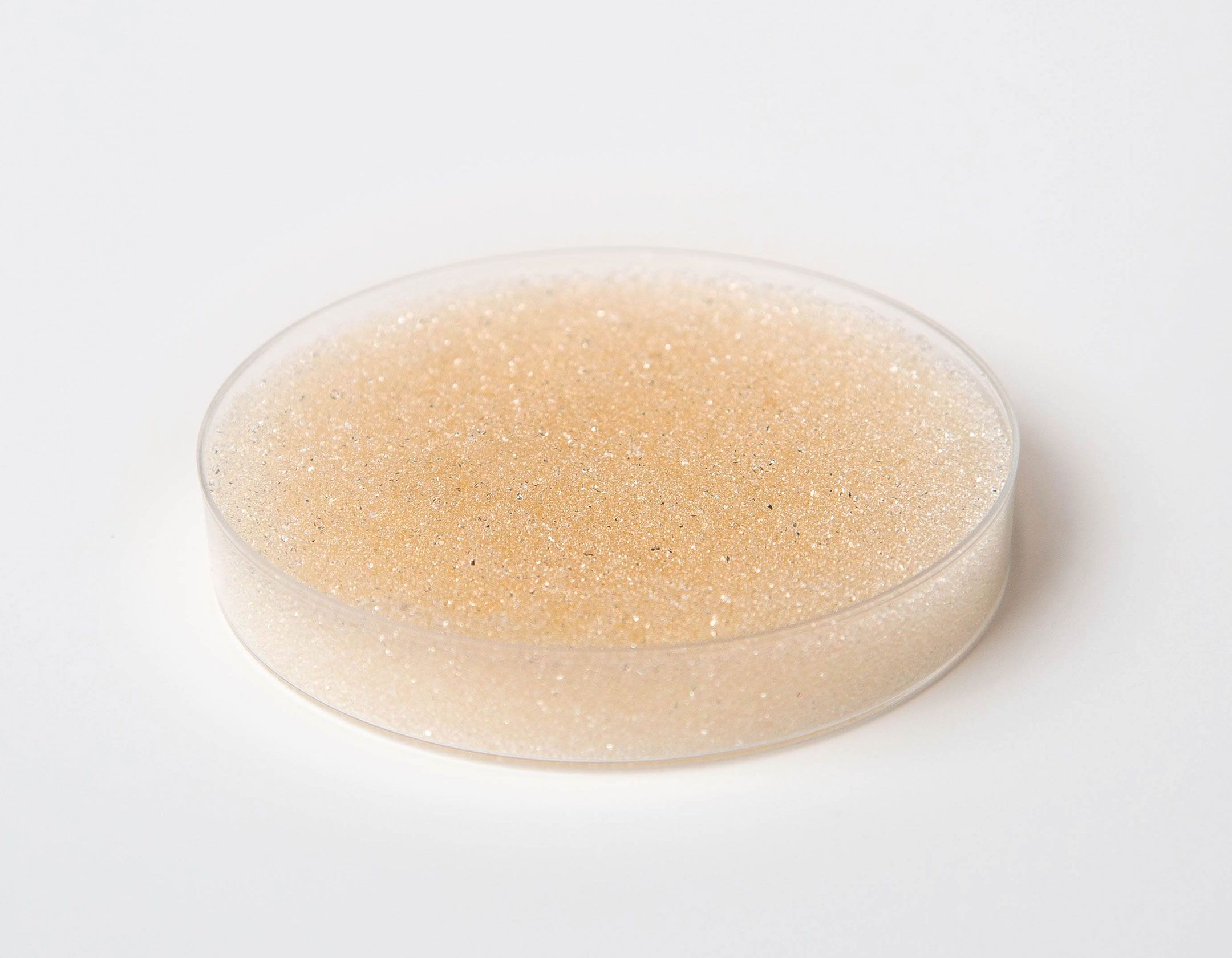
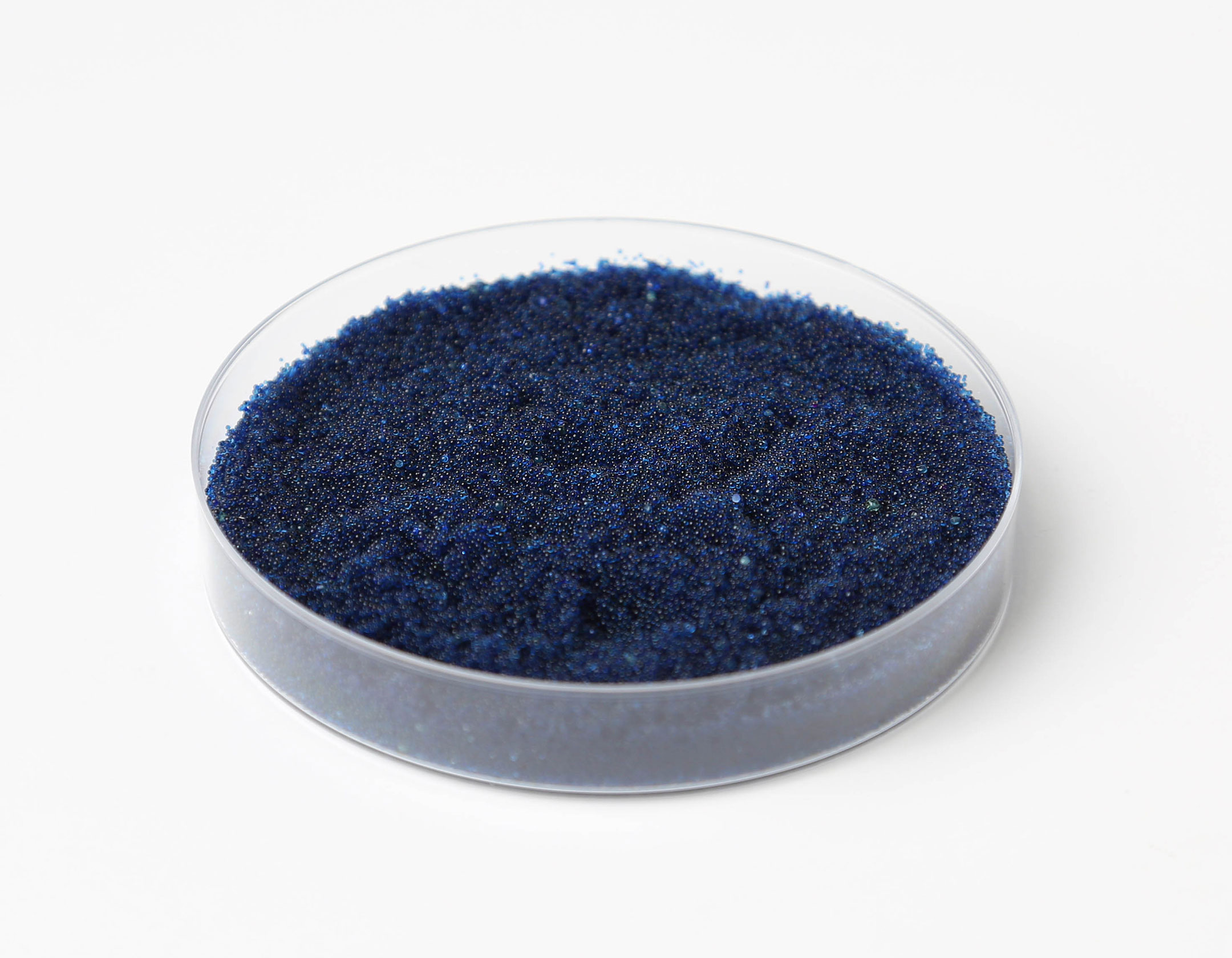
Aluminium or aluminum (in North American English) is a chemical element in the boron group with symbol Al and atomic number 13. It is a silvery-white, soft, nonmagnetic, ductile metal. Aluminium is the third most abundant element in the Earth's crust (after oxygen and silicon) and its most abundant metal.
Phosphoric acid is not completely ionized allowing for a few ion exchange reactions to be used. Modest amounts of aluminum can be removed from relatively concentrated solutions and effectively removed using sulfuric acid.
Aluminum in drinking water is often present as a suspended solid rather than as an ion.
Aluminate is a common source of aluminum used as a coagulant in water treatment.
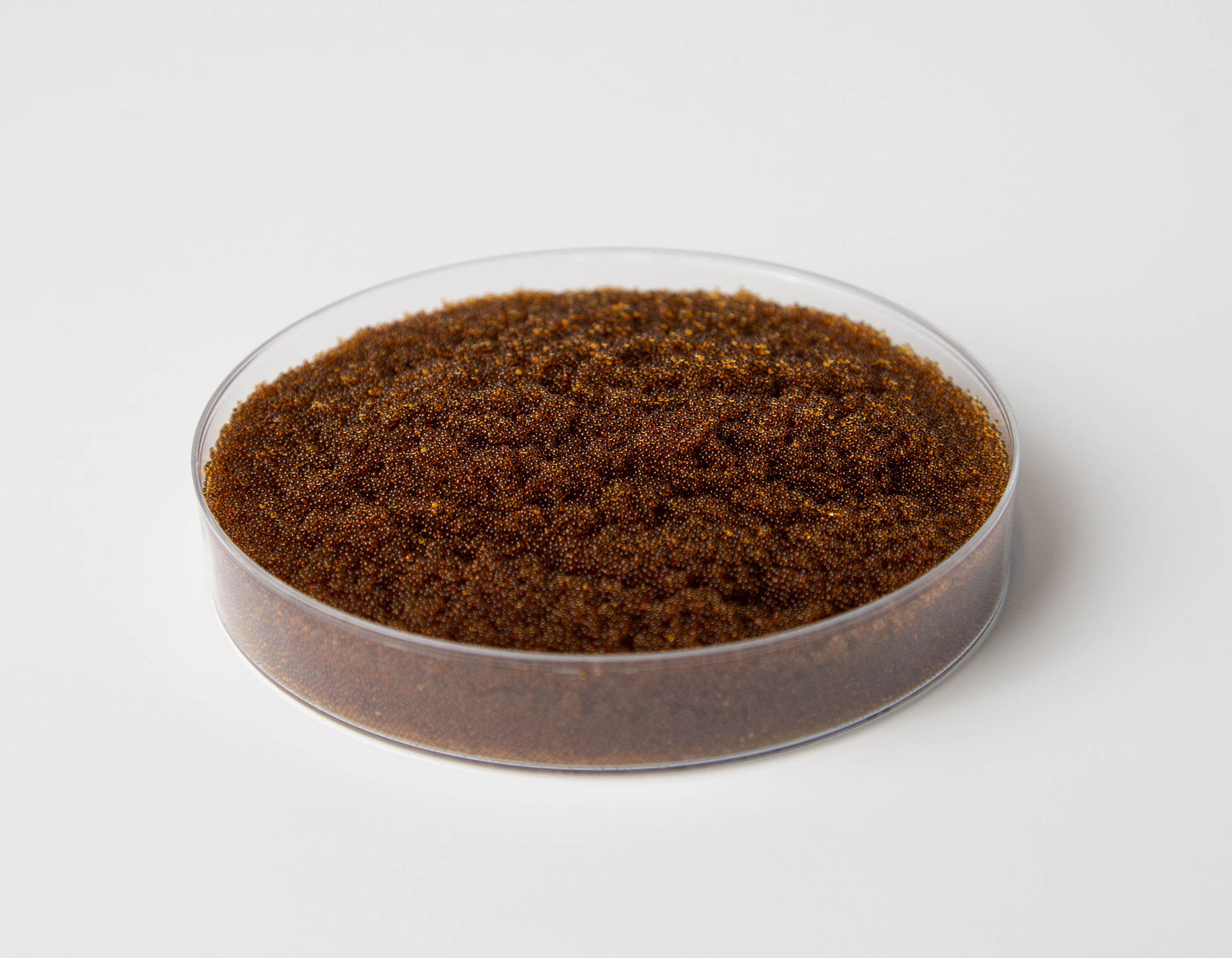
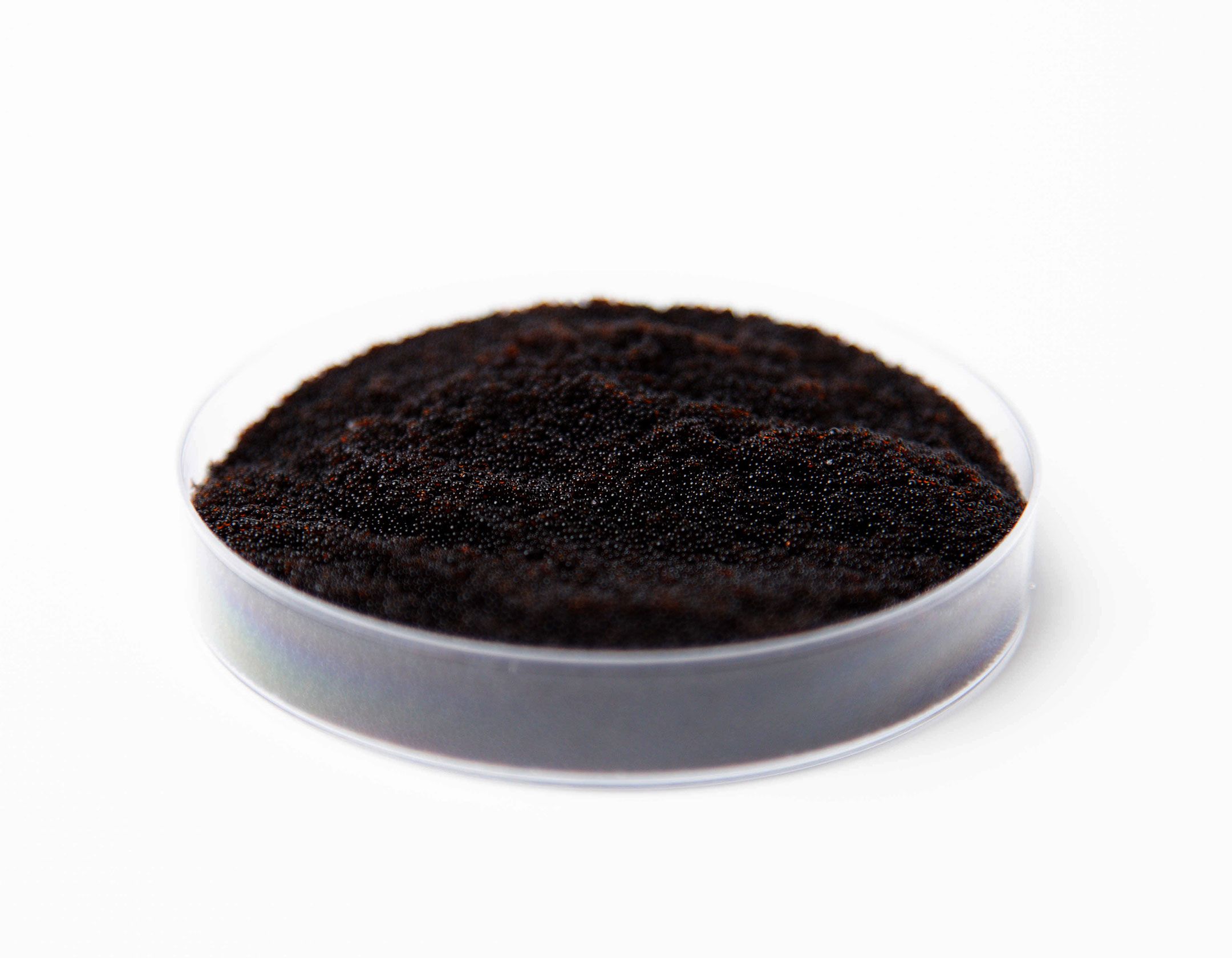
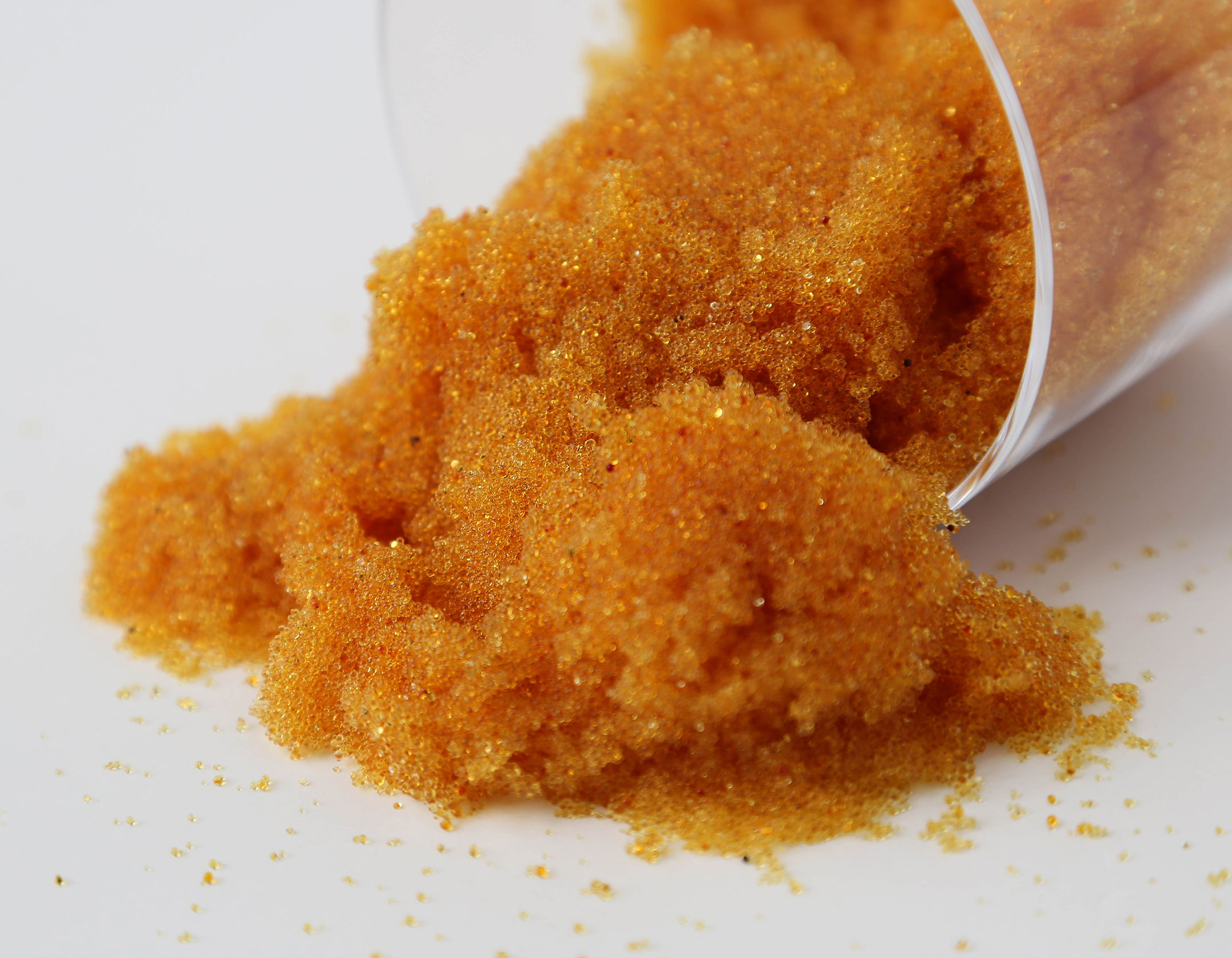
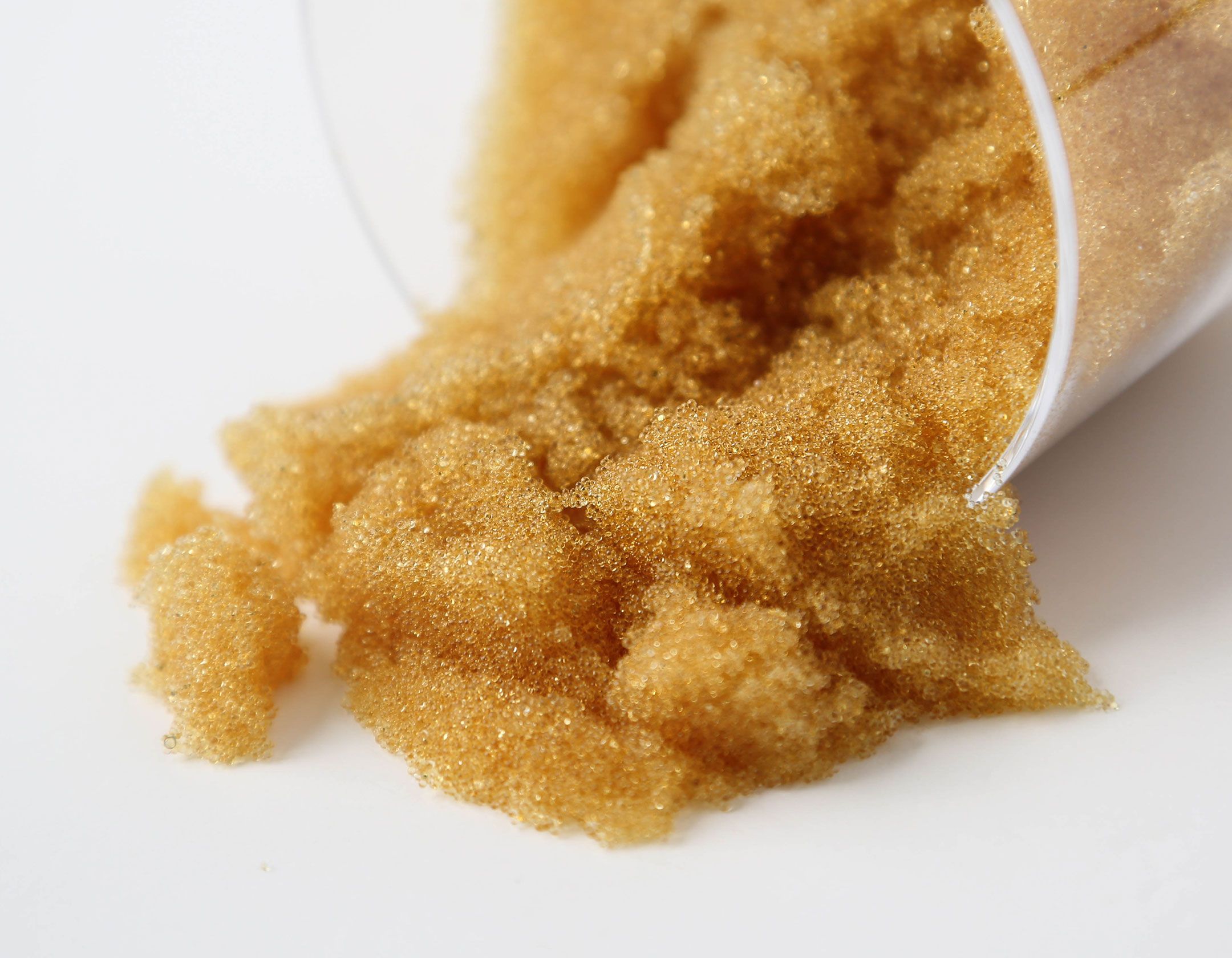
Ammonia gas diffuses into the resin beads and then exchanges as ammonium ion. Hydrogen form cation resins have very high capacity for ammonia when regenerated with acid.
Ammonium ion forms when pH is less than 9 (preferably less than 8). Ammonium is a monovalent cation. Cation resins such as CG8 and CG10 have modest selectivity for ammonium ion compared to sodium but poor selectivity compared to hardness ions such as calcium and magnesium.
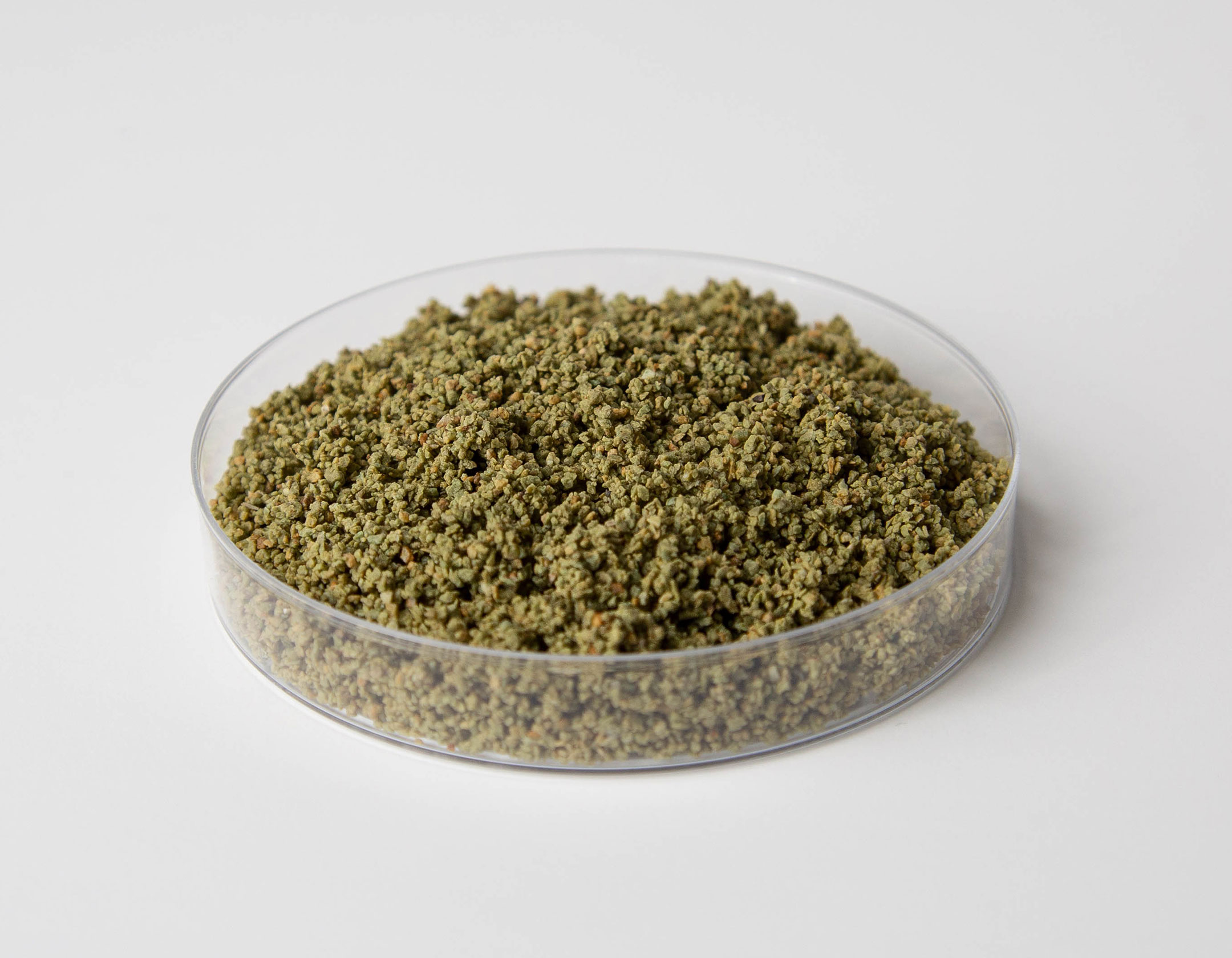
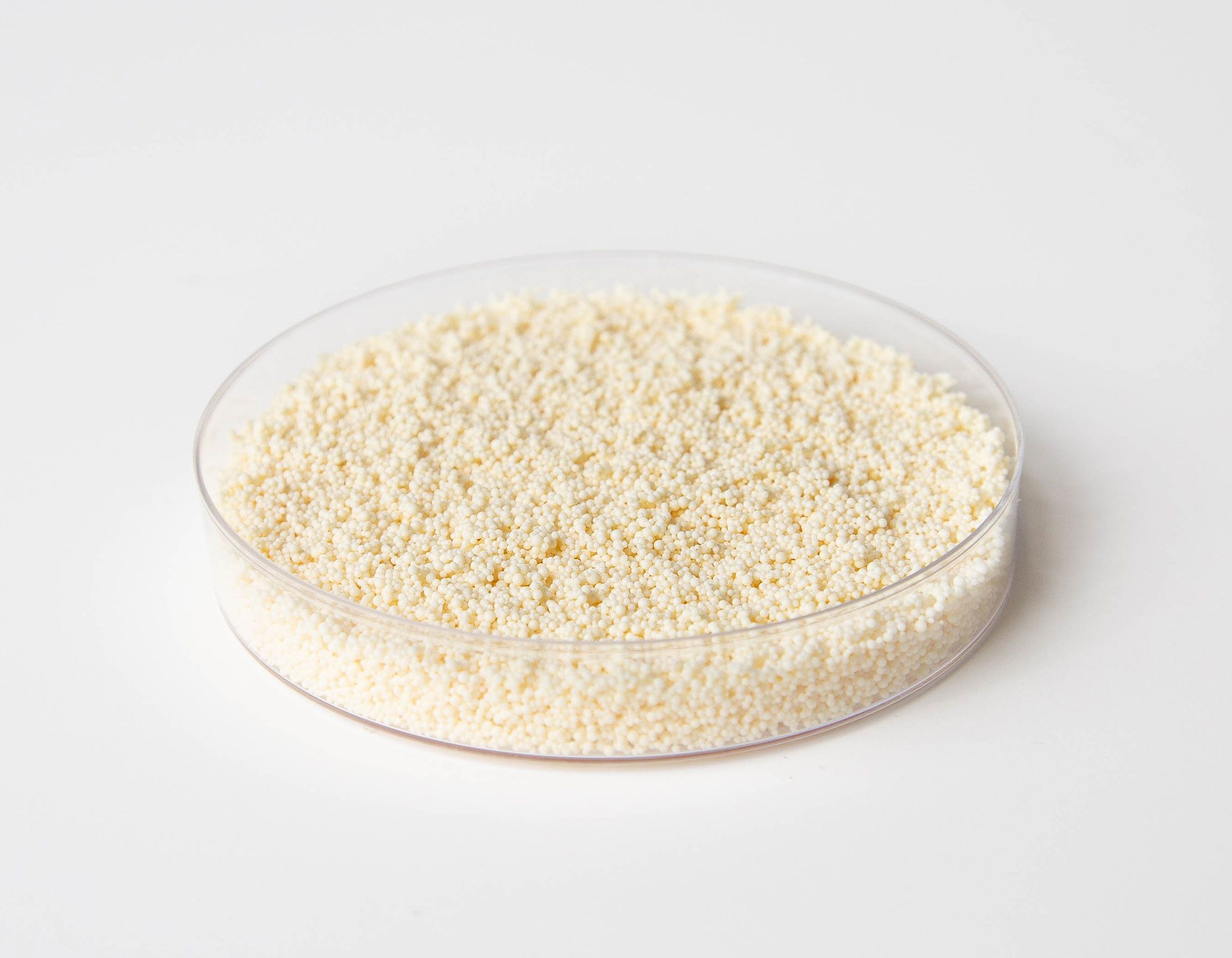
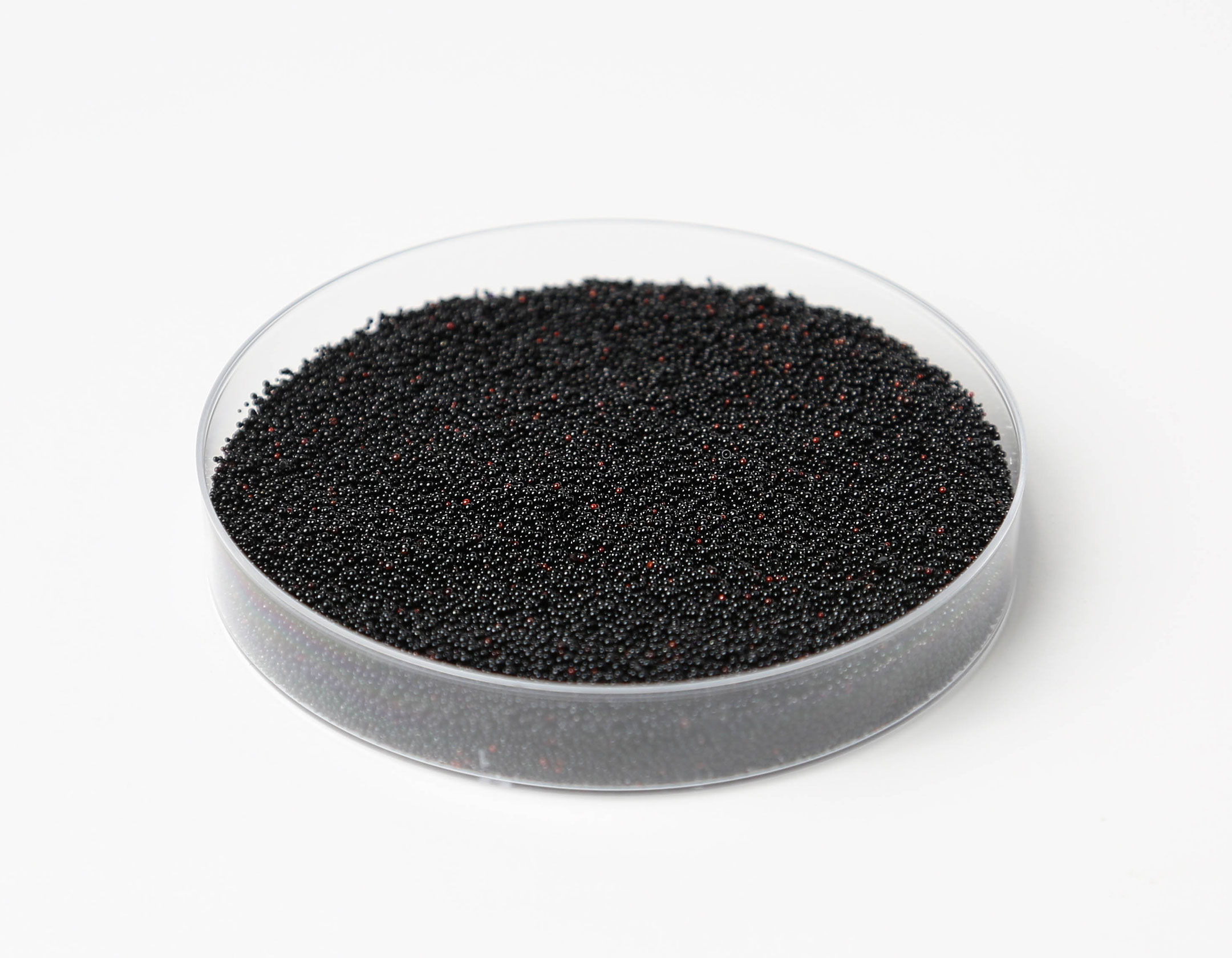
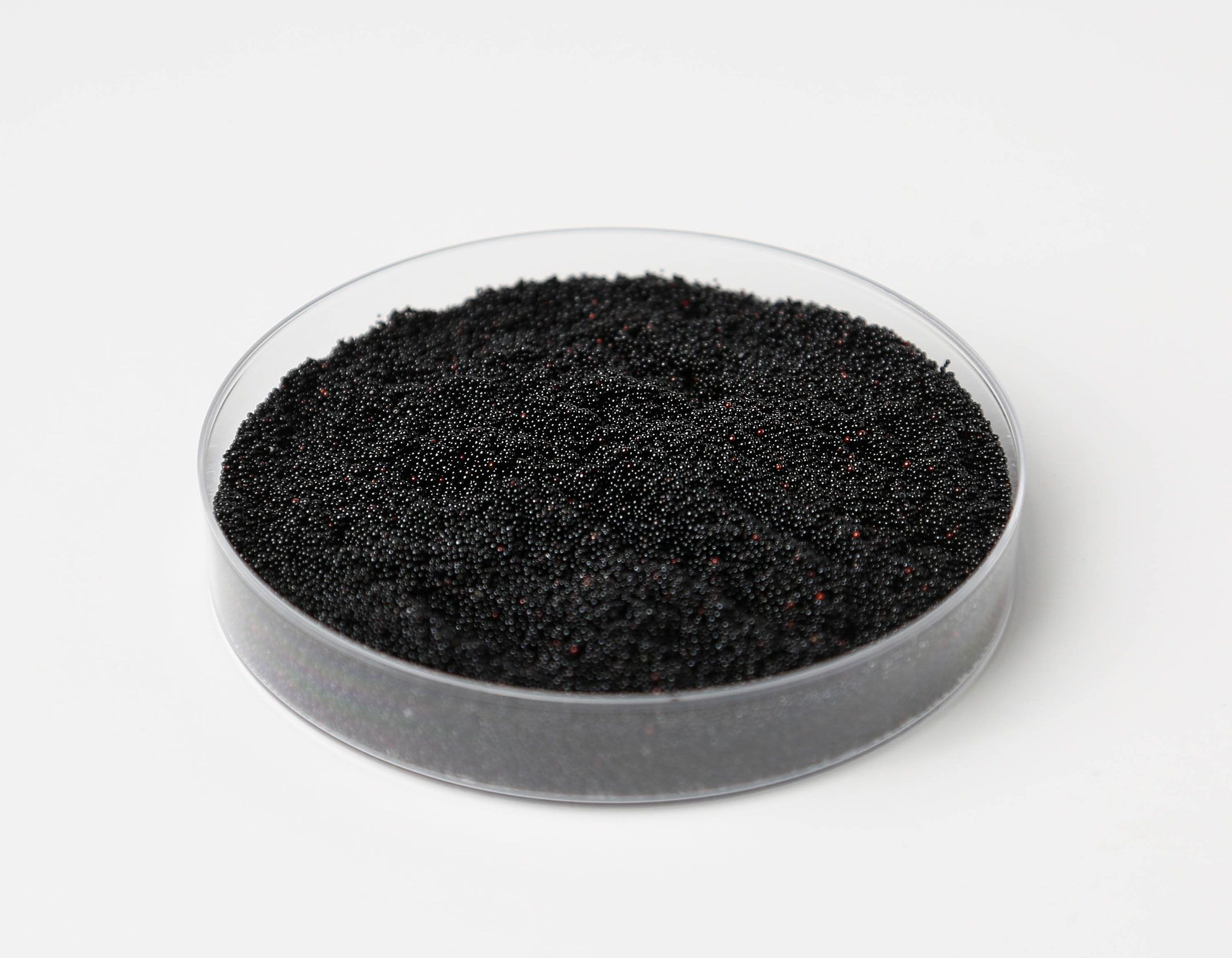
Arsenic is a chemical element with symbol As and atomic number 33. Arsenic occurs in many minerals, usually in combination with sulfur and metals, but also as a pure elemental crystal. Arsenic is notoriously poisonous to multicellular life. Arsenic contamination of groundwater supplies is a problem that affects millions of people around the world.
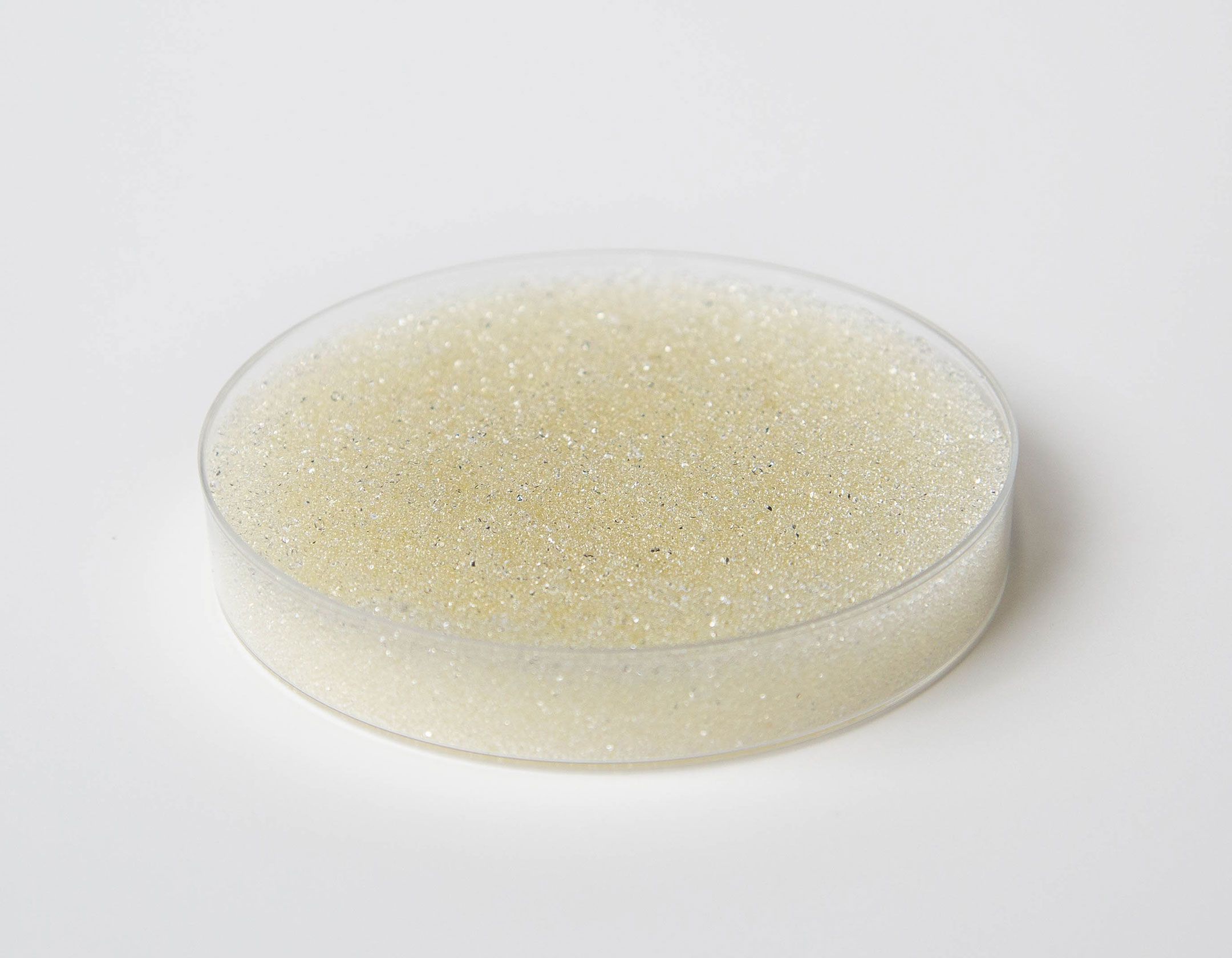
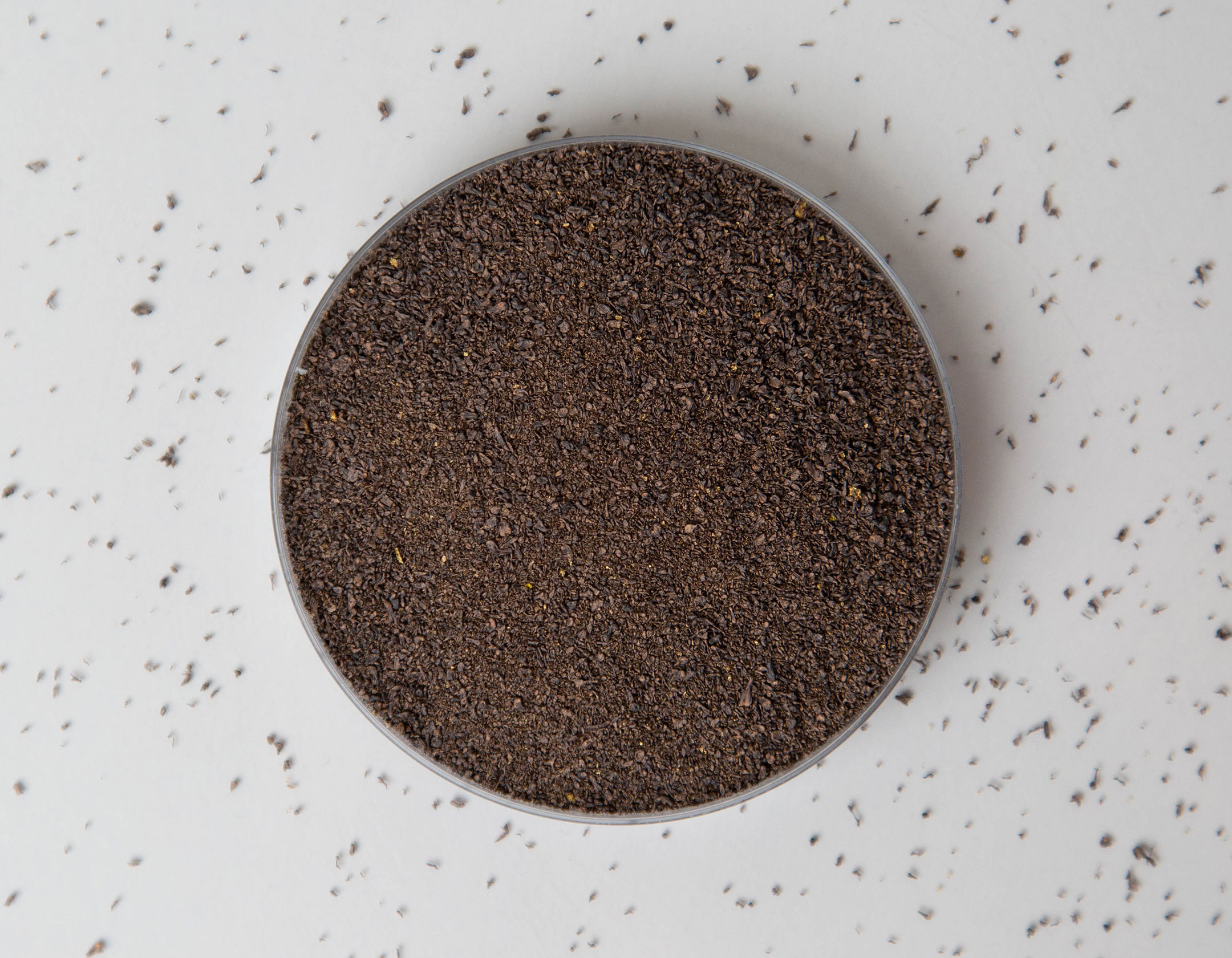
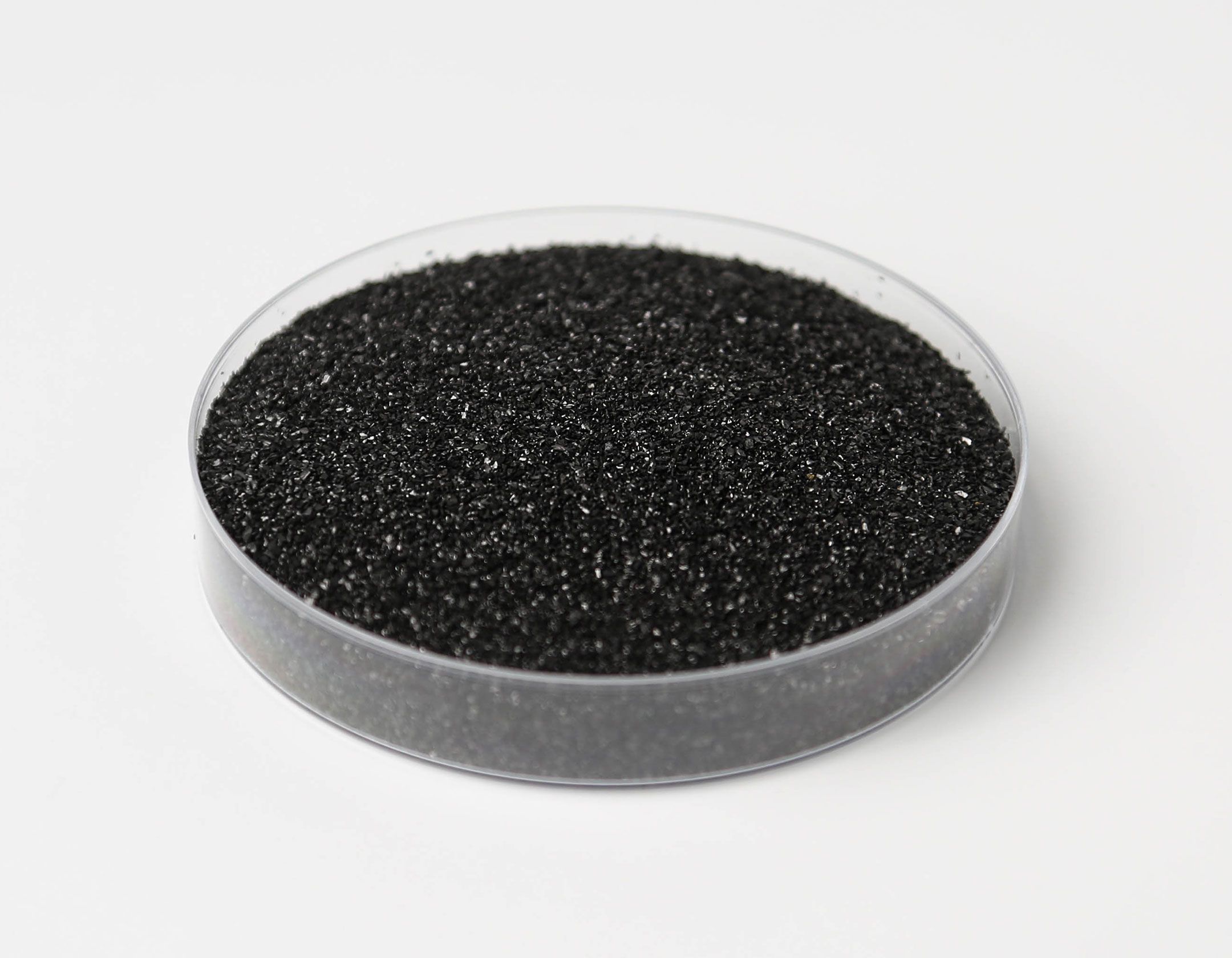
Arsenate is a divalent anion with affinity for anion resins similar to but slightly lower than that of sulfate. Arsenate can be exchanged by strong base anion exchange resins and then adsorbed into the iron hybrid adsorbent of ASM-10-HP.
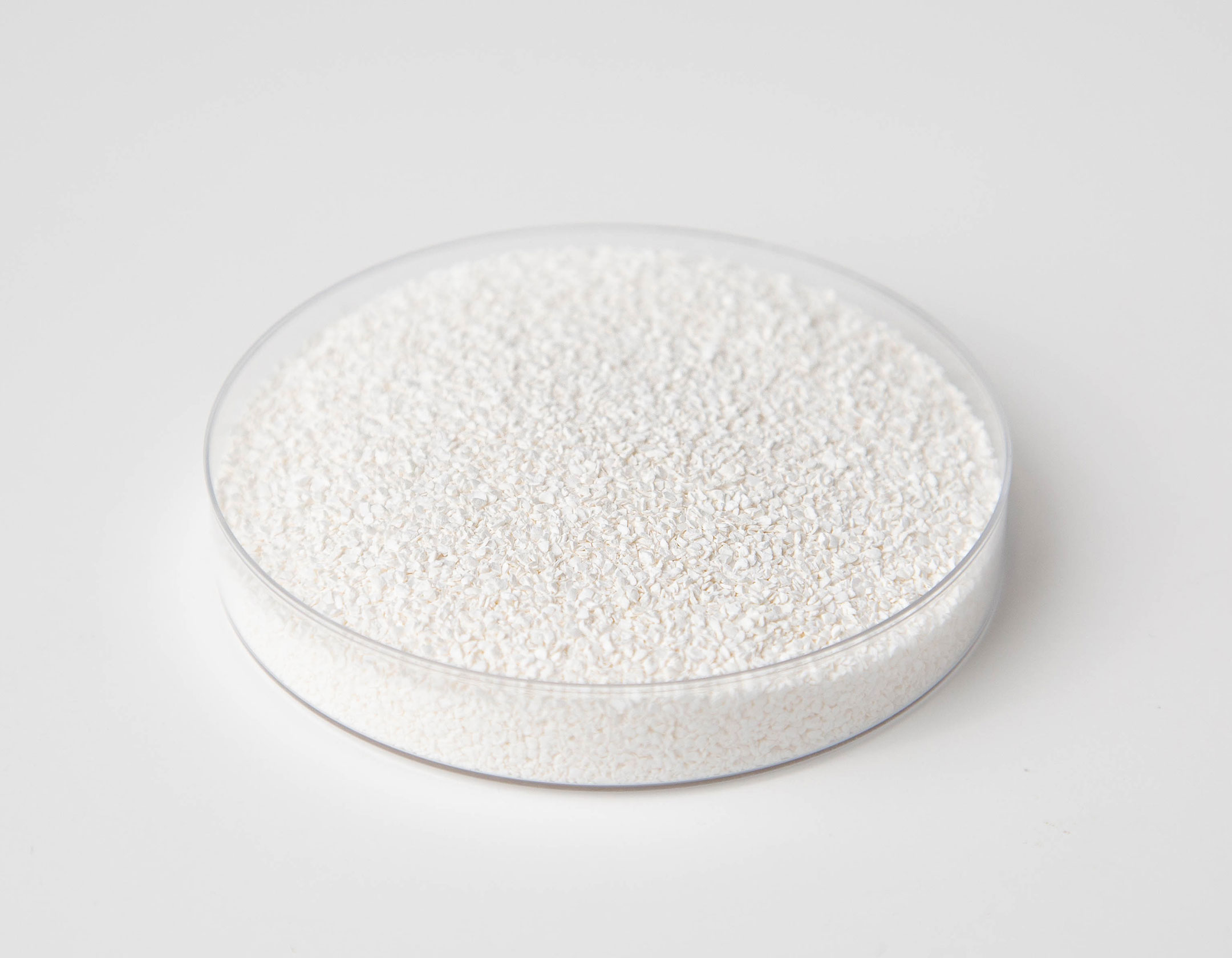

Barium is a chemical element with symbol Ba and atomic number 56. It is the fifth element in Group 2, a soft silvery metallic alkaline earth metal.
Barium has high affinity for cation resins and can be readily removed along with other hardness ions such as calcium and magnesium. Care must be taken during regeneration to limit barium sulfate precipitation.
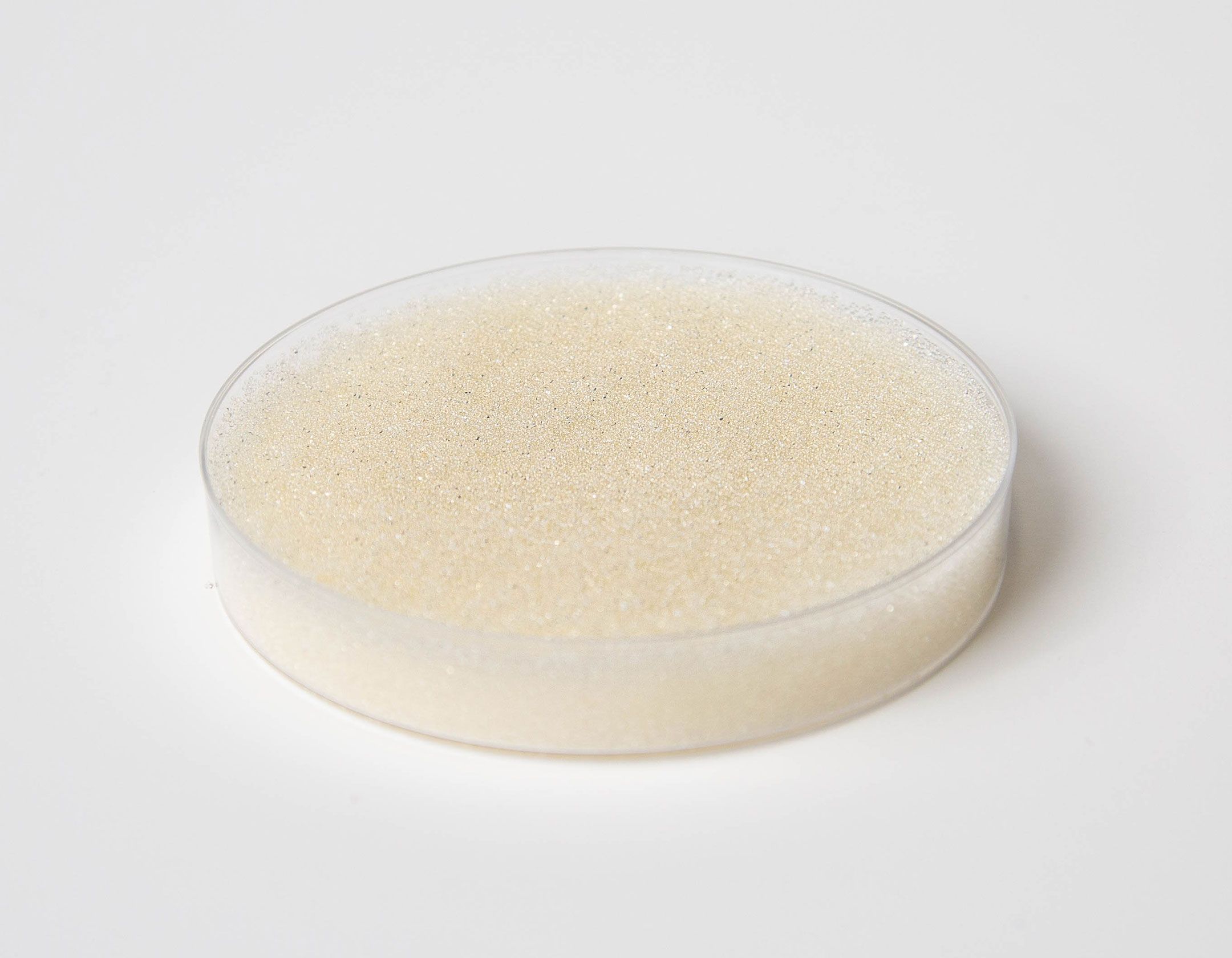
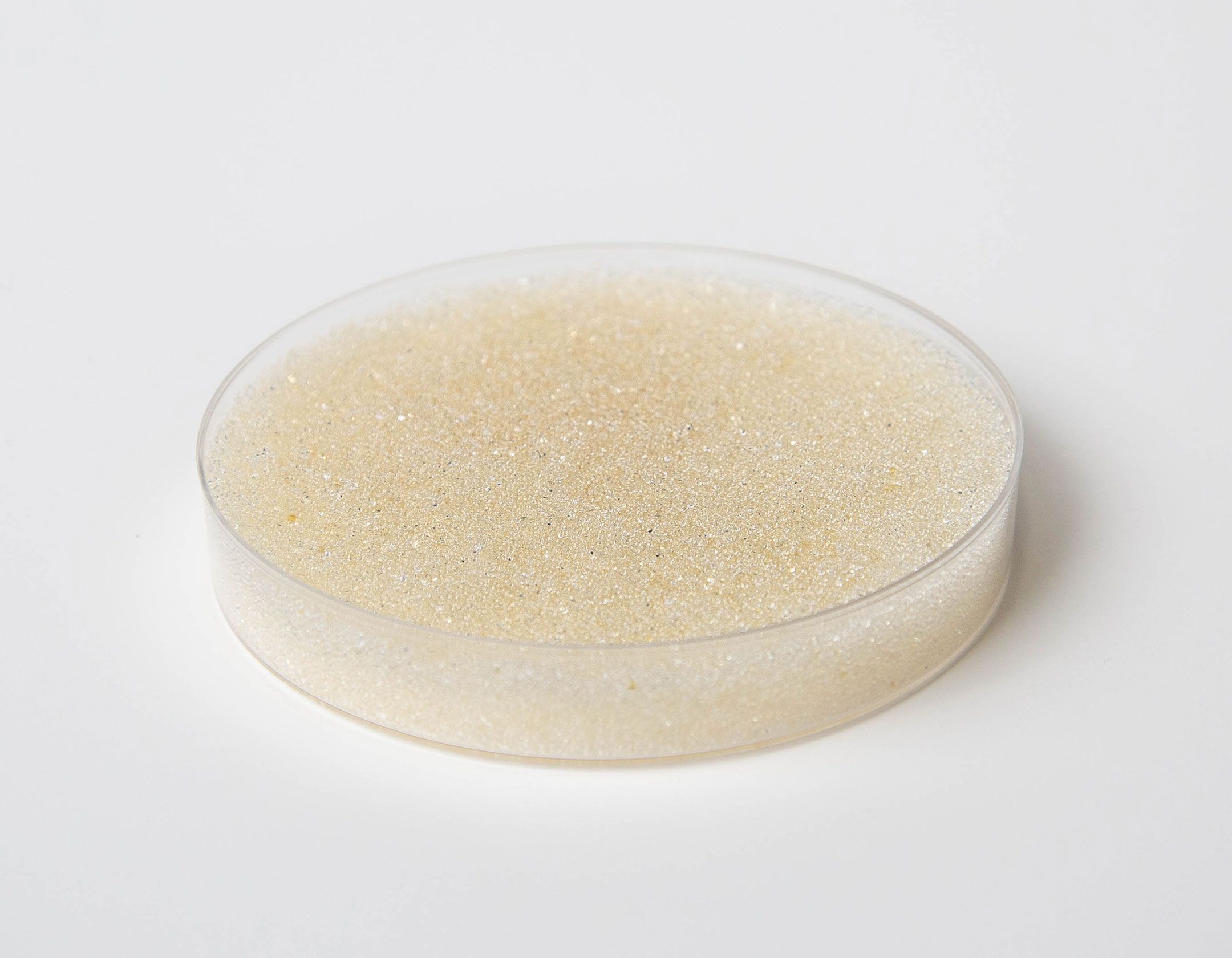
Boron is a chemical element with symbol B and atomic number 5. Boron is concentrated on Earth by the water-solubility of its more common naturally occurring compounds, the borate minerals.
Boron (as borate) can be removed from brines of any concentration provided the pH is greater than 3. Flow rates must be kept low.
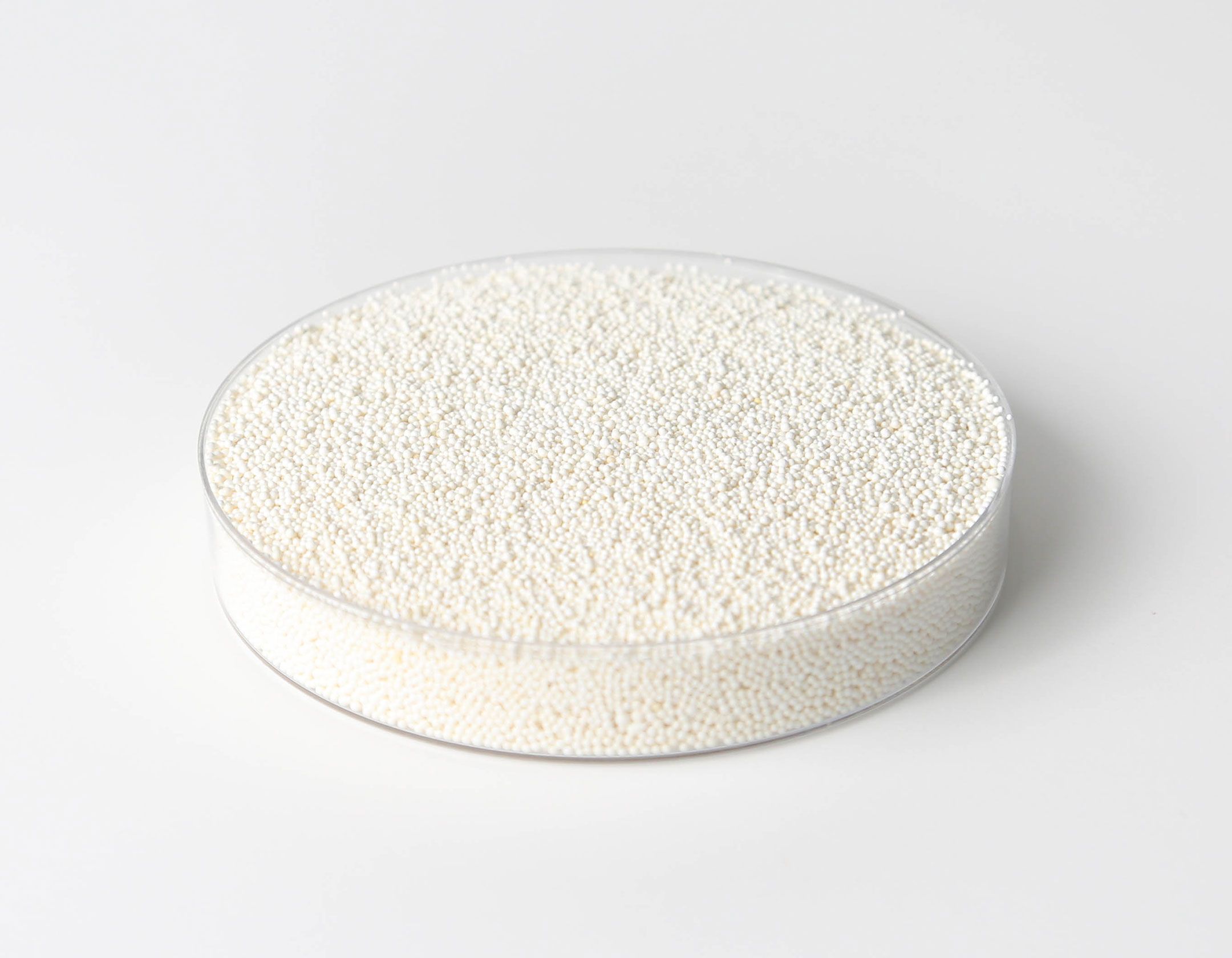
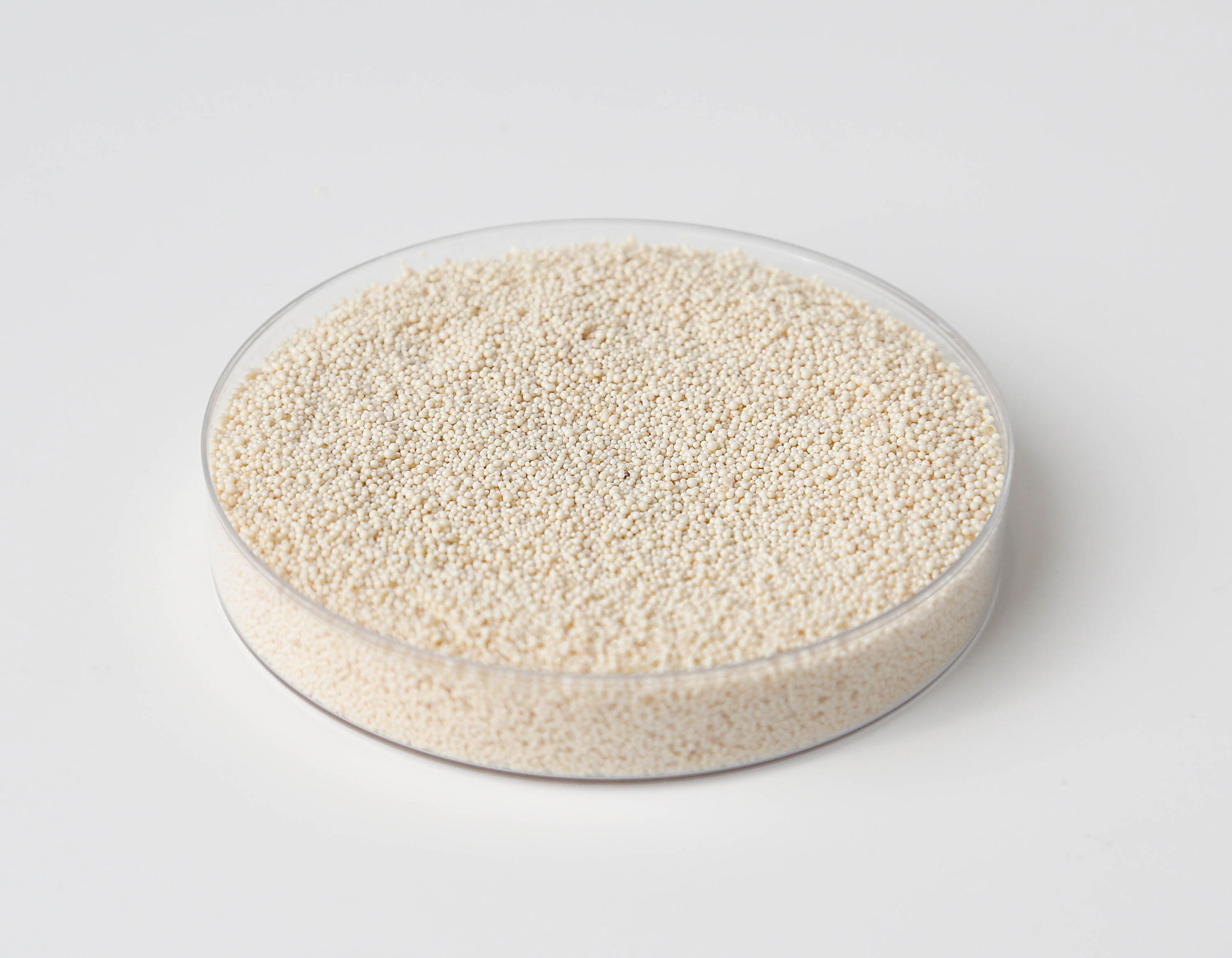
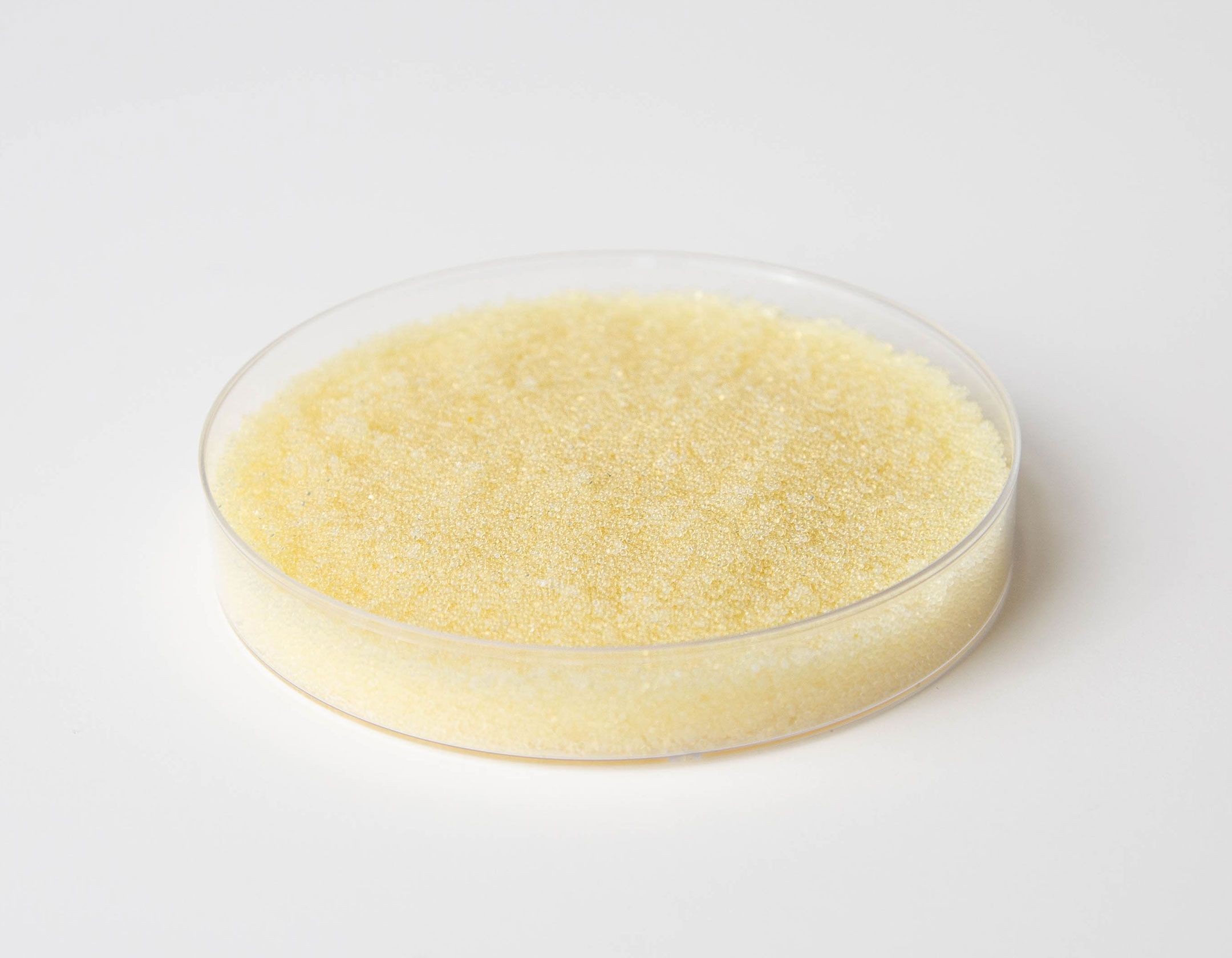
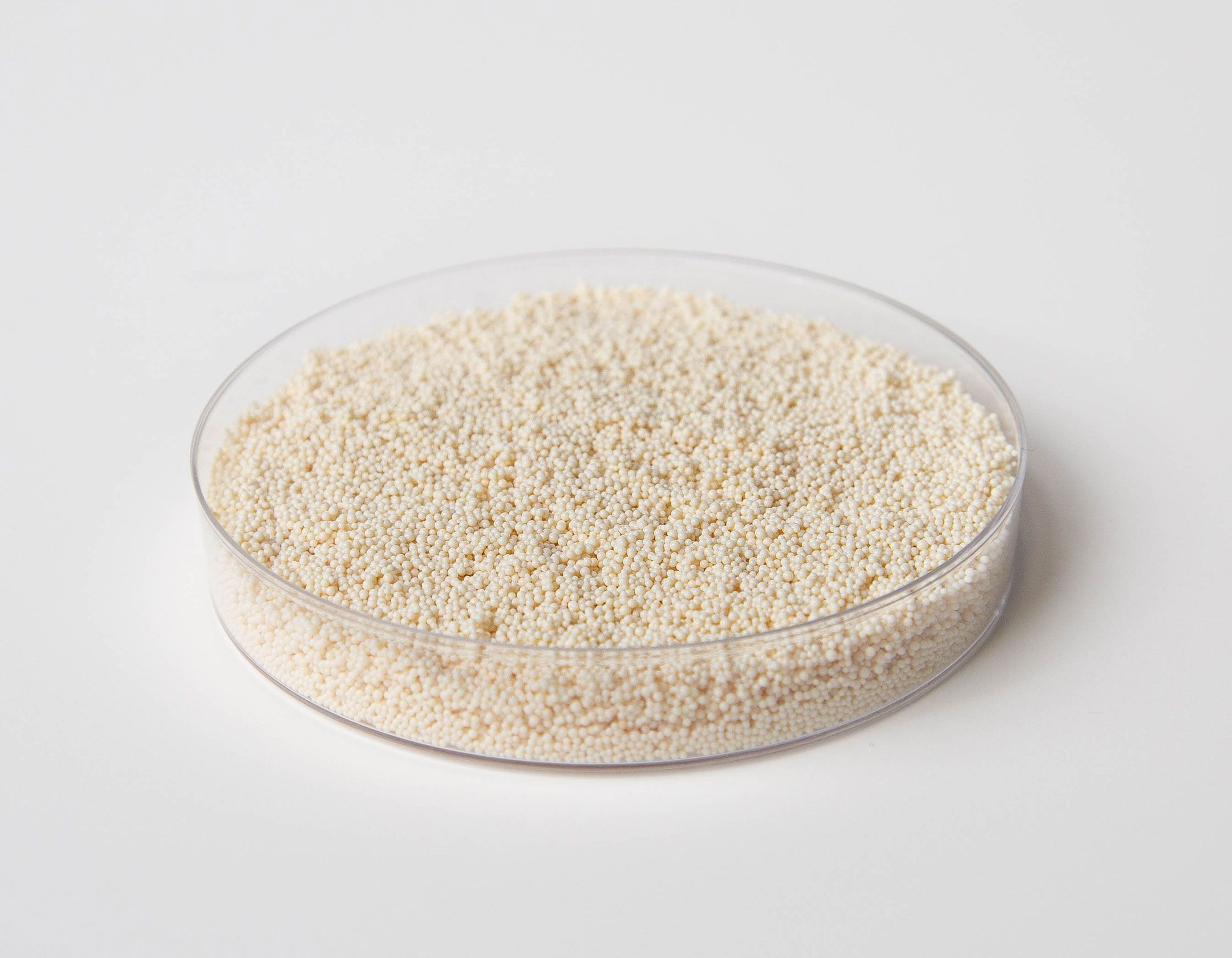
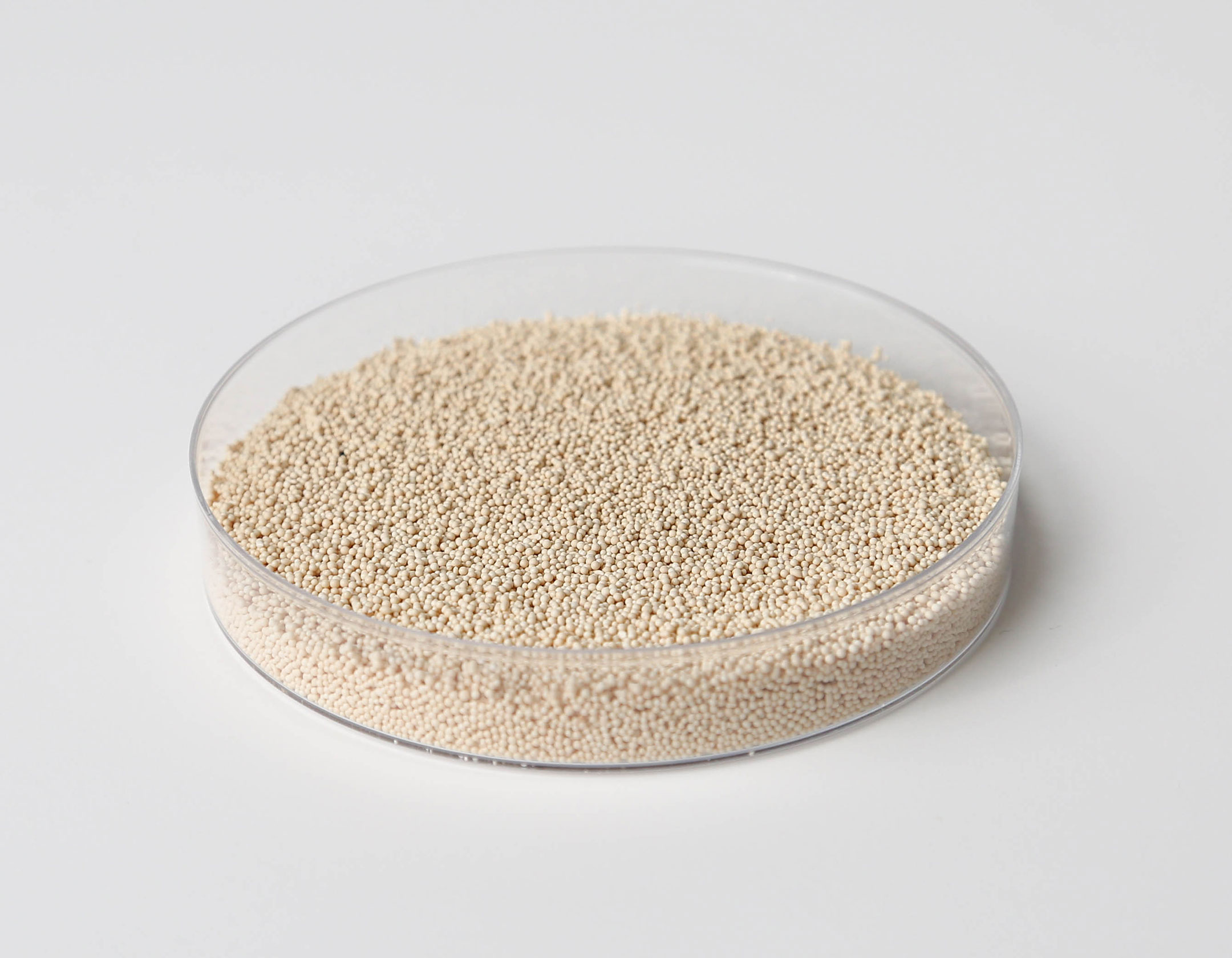
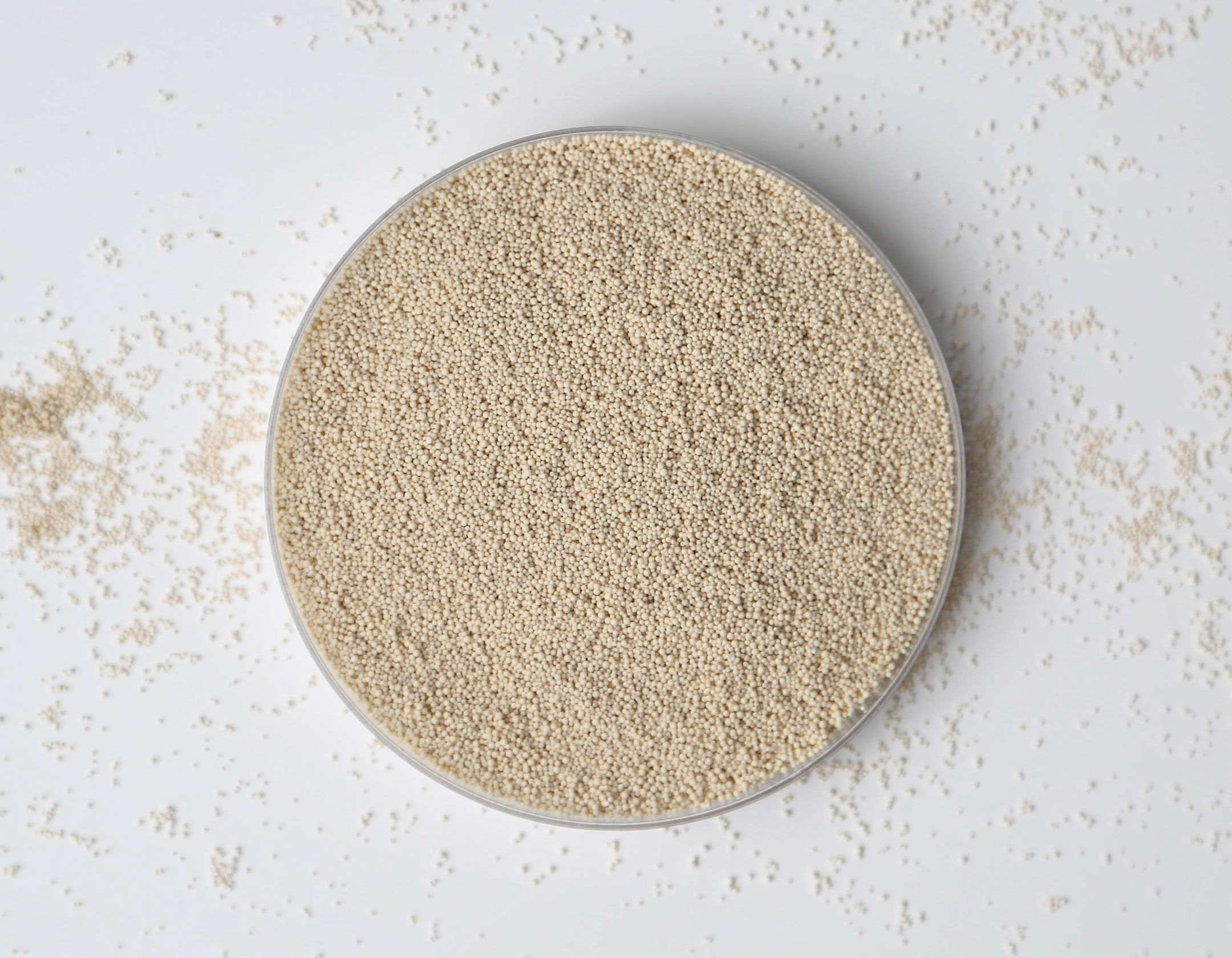
Generic strong acid cation resins are commonly used to remove hardness ions including calcium from potable water. Soft water protects hot water heaters from scale and helps soaps to function without leaving a soap scum. Calcium and other hardness ions are exchanged for sodium (or in some cases potassium).
The imminodiacetic chelating resin (SIR-300) and the amino phosphonic chelating resin (SIR-500) can be used to remove calcium from brine at any concentration.
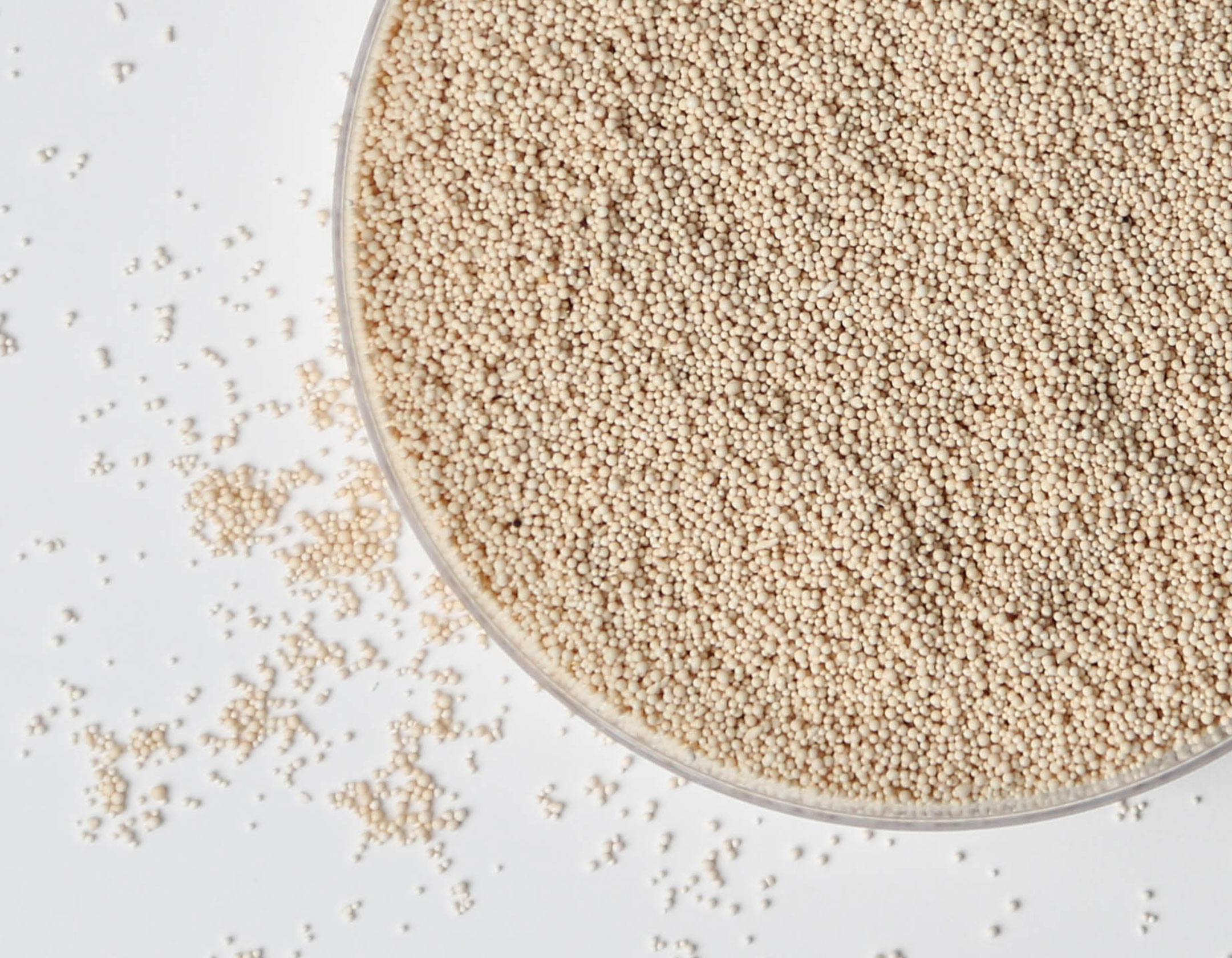
Caesium or cesium is a chemical element with symbol Cs and atomic number 55. It is a soft, silvery-gold alkali metal. Metallic cesium is highly reactive in both air and especially in water.
SIR-600 has extremely high selectivity for cesium. Cesium is captured by molecular sieving in addition to ion exchange.
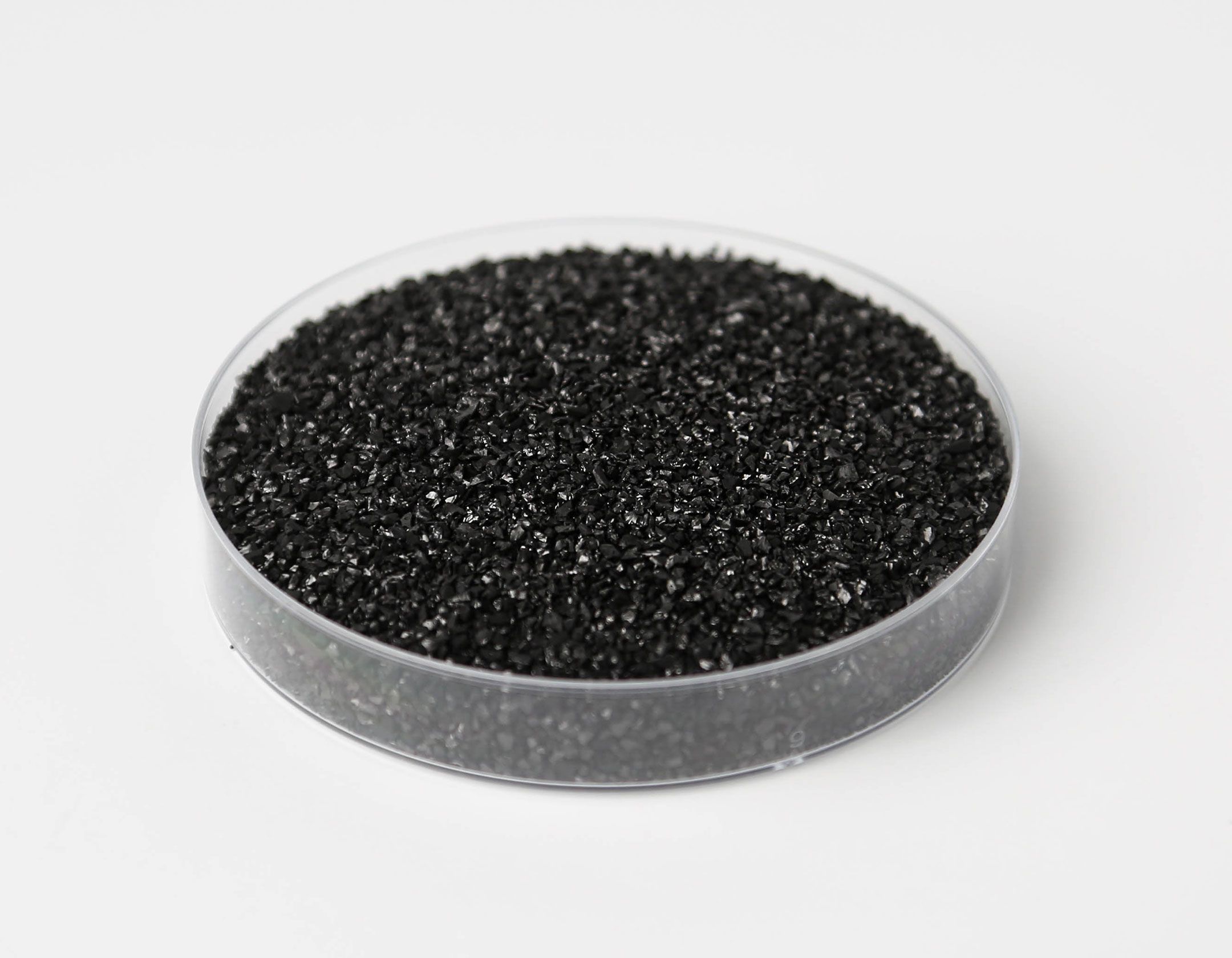
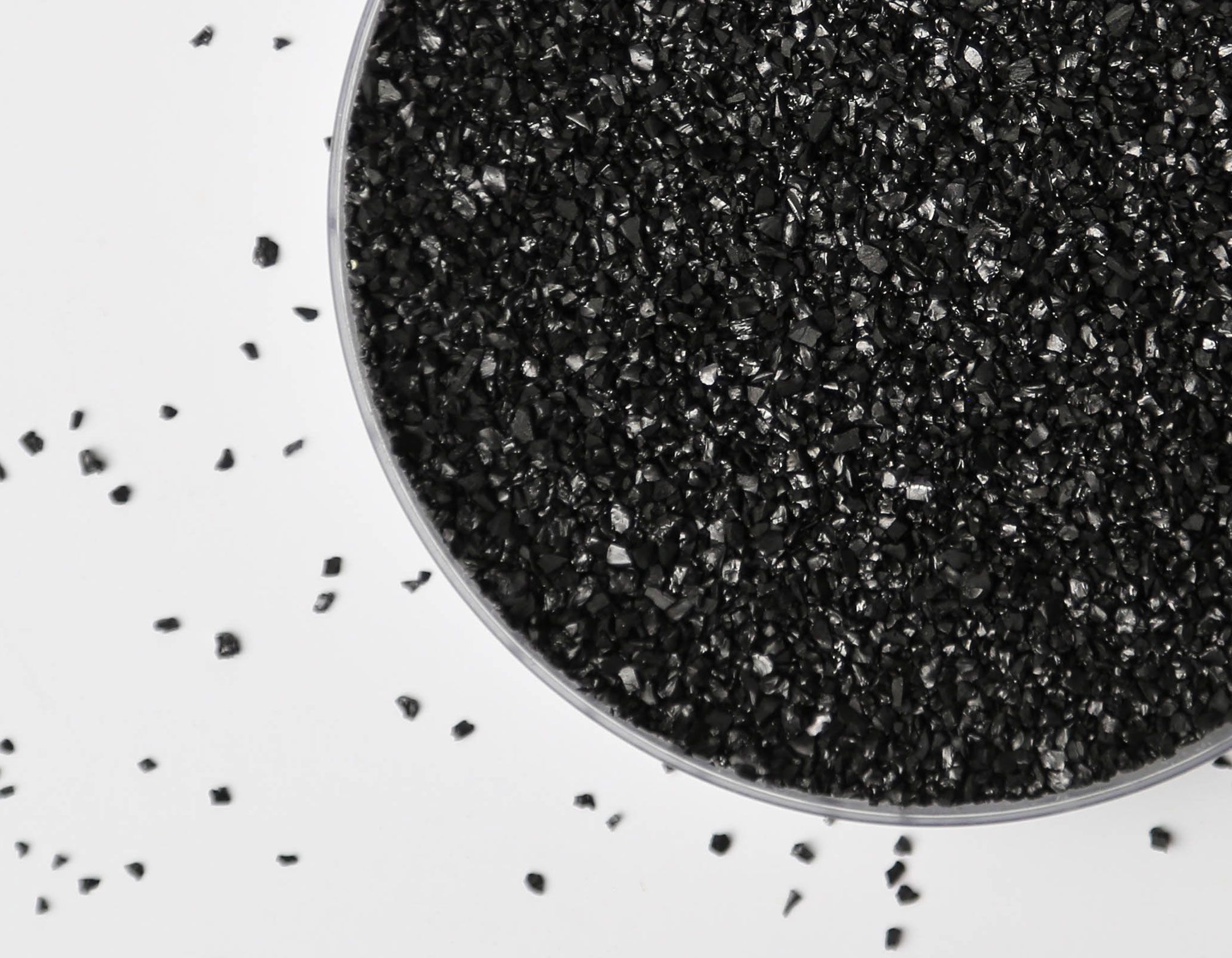
Chlorine is a chemical element with symbol Cl and atomic number 17. It is an extremely reactive element and a strong oxidising agent. Chlorine is normally present in water as hypochlorous anion and is removed by strong base anion resins.
Chromium is a chemical element with symbol Cr and atomic number 24. It is a steely-grey, lustrous, hard and brittle metal. Dissolved chromium may be cationic (tri chrome) or anionic (hex chrome) depending on pH and redox potential.
SIR-700 is best choice provided pH can be reduced, otherwise SBG2 or SBG1 may be better choices.
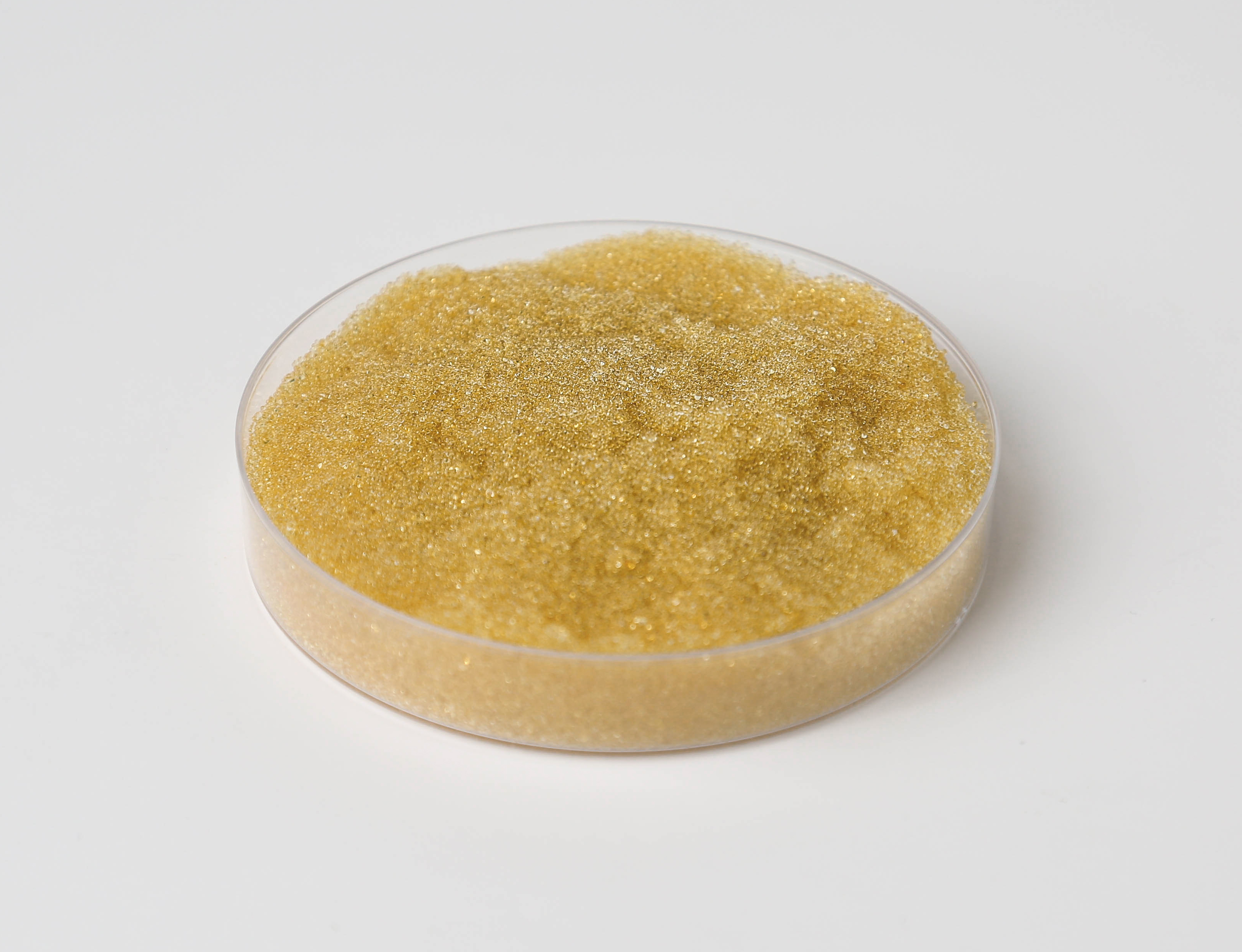
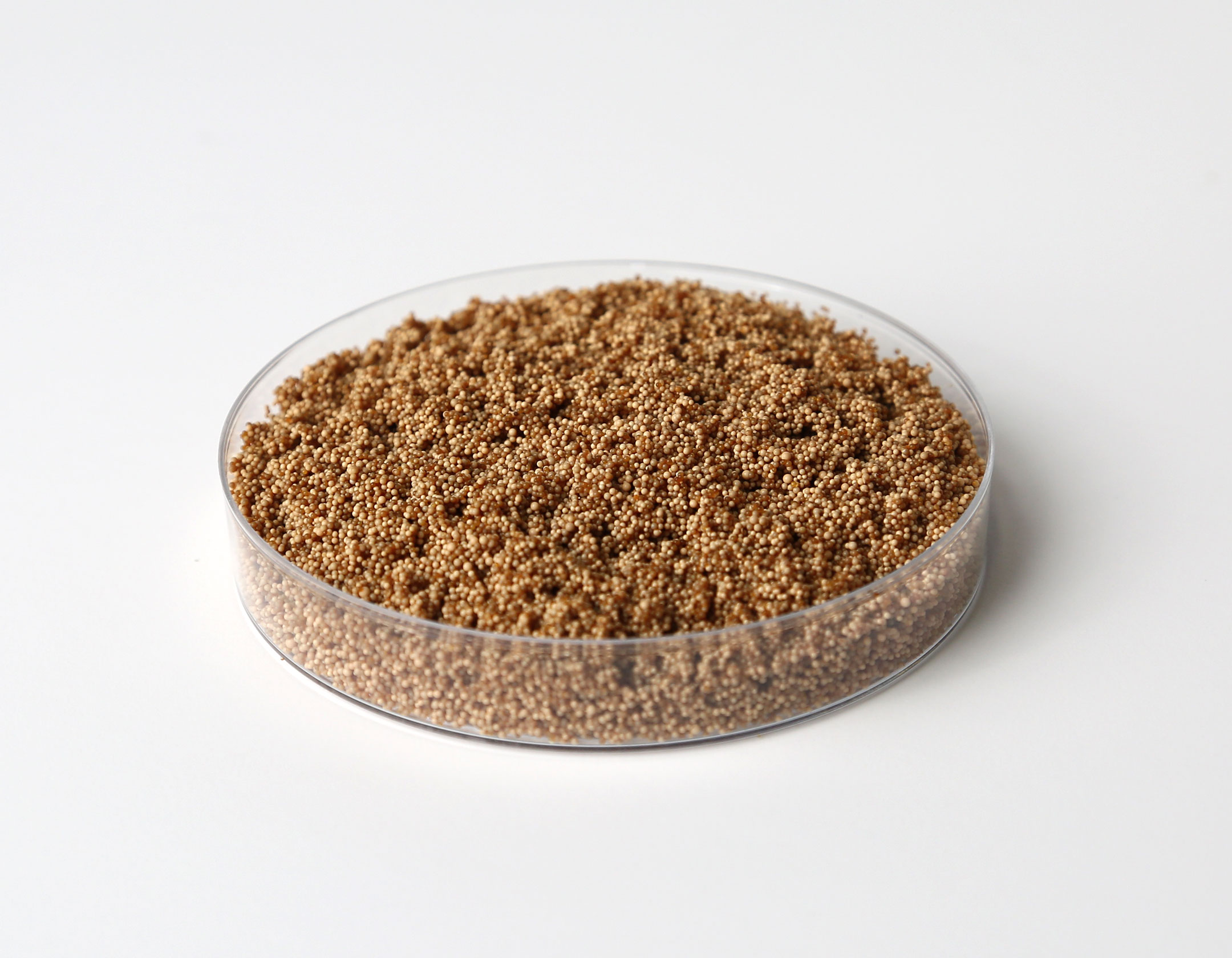
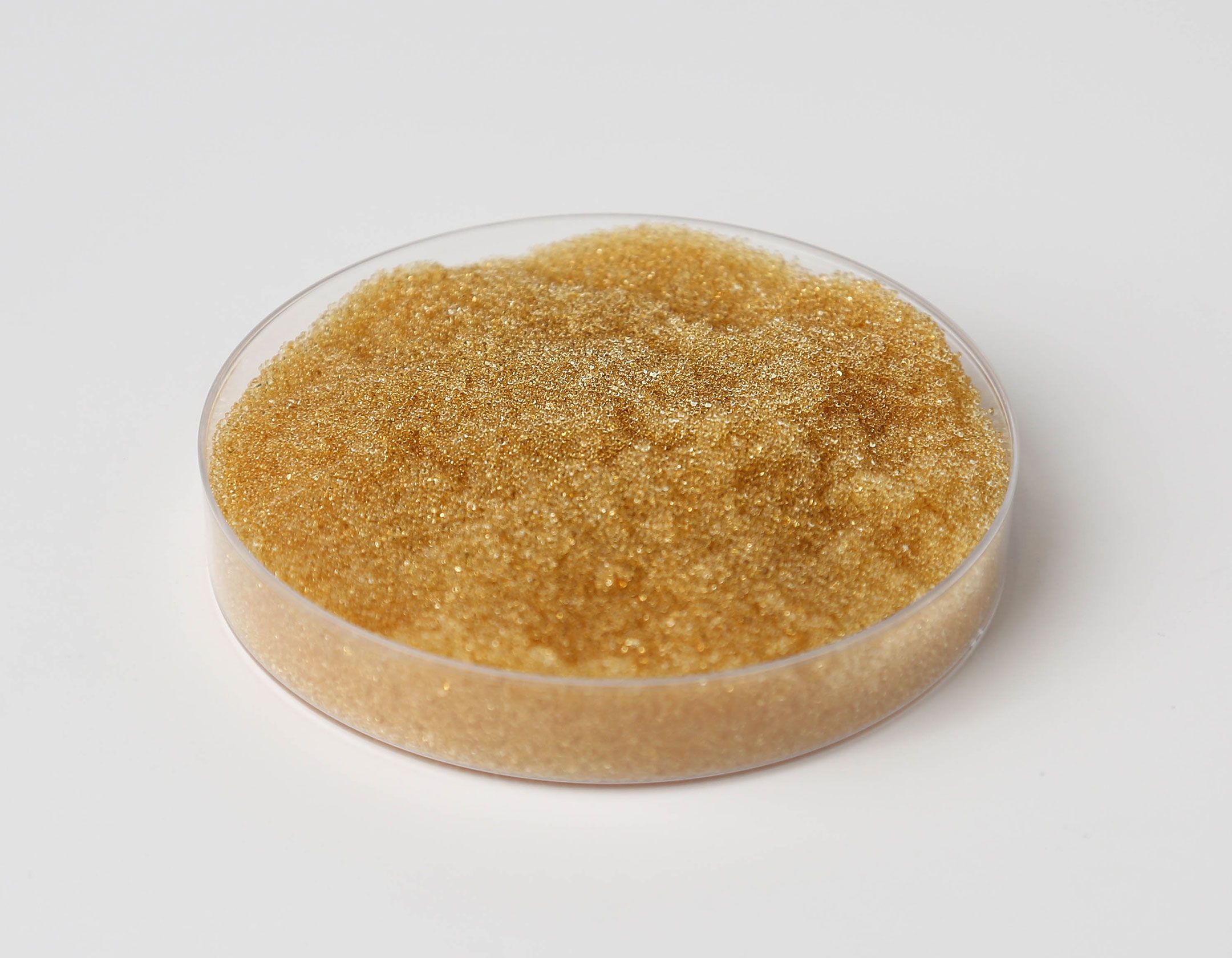
Copper is a chemical element with symbol Cu and atomic number 29. Copper is an essential trace nutrient and an extremely useful metal. Copper primarily forms a divalent cation in water.
Copper is most commonly found in potable water as a divalent cation, the result of corrosion of copper piping.
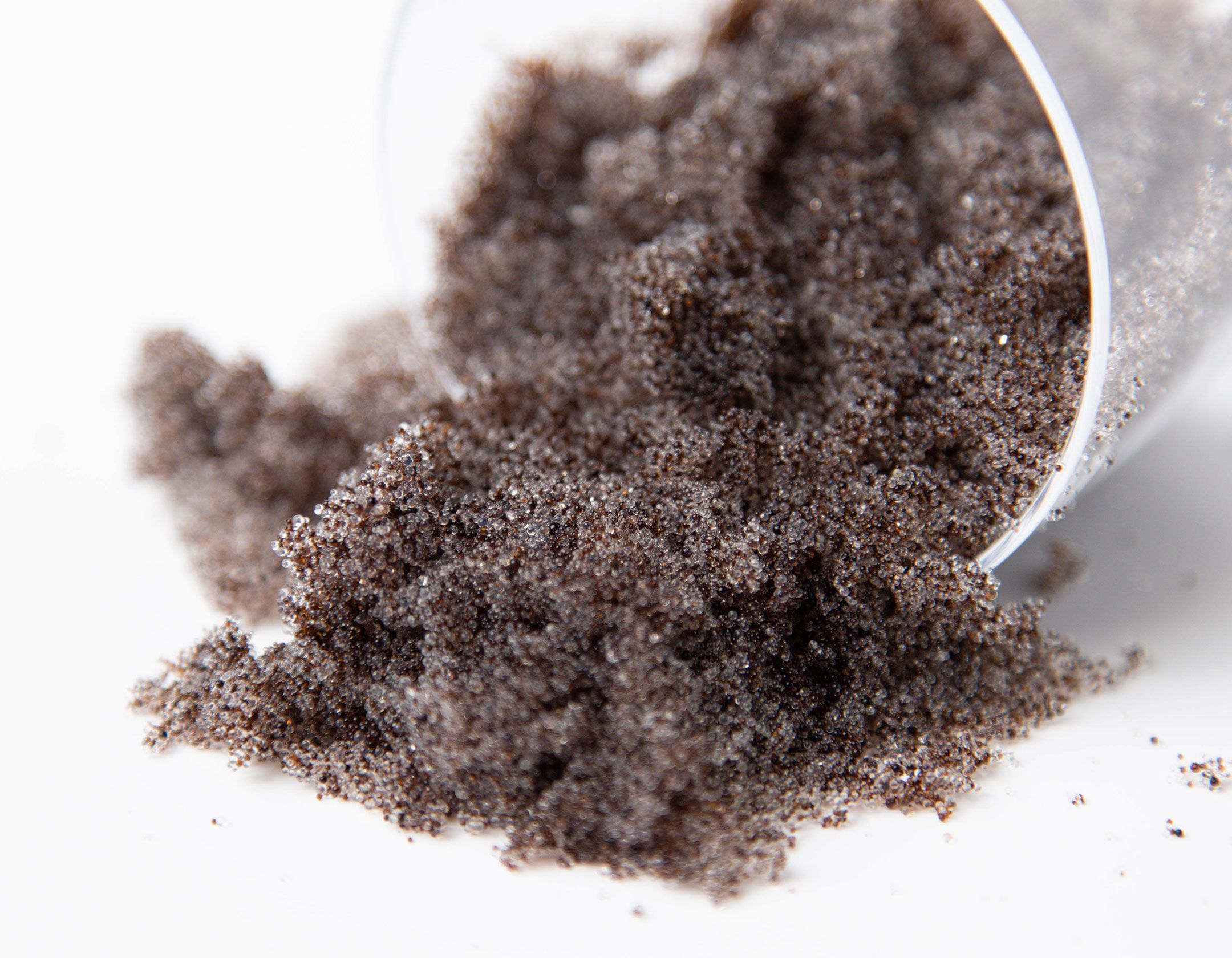
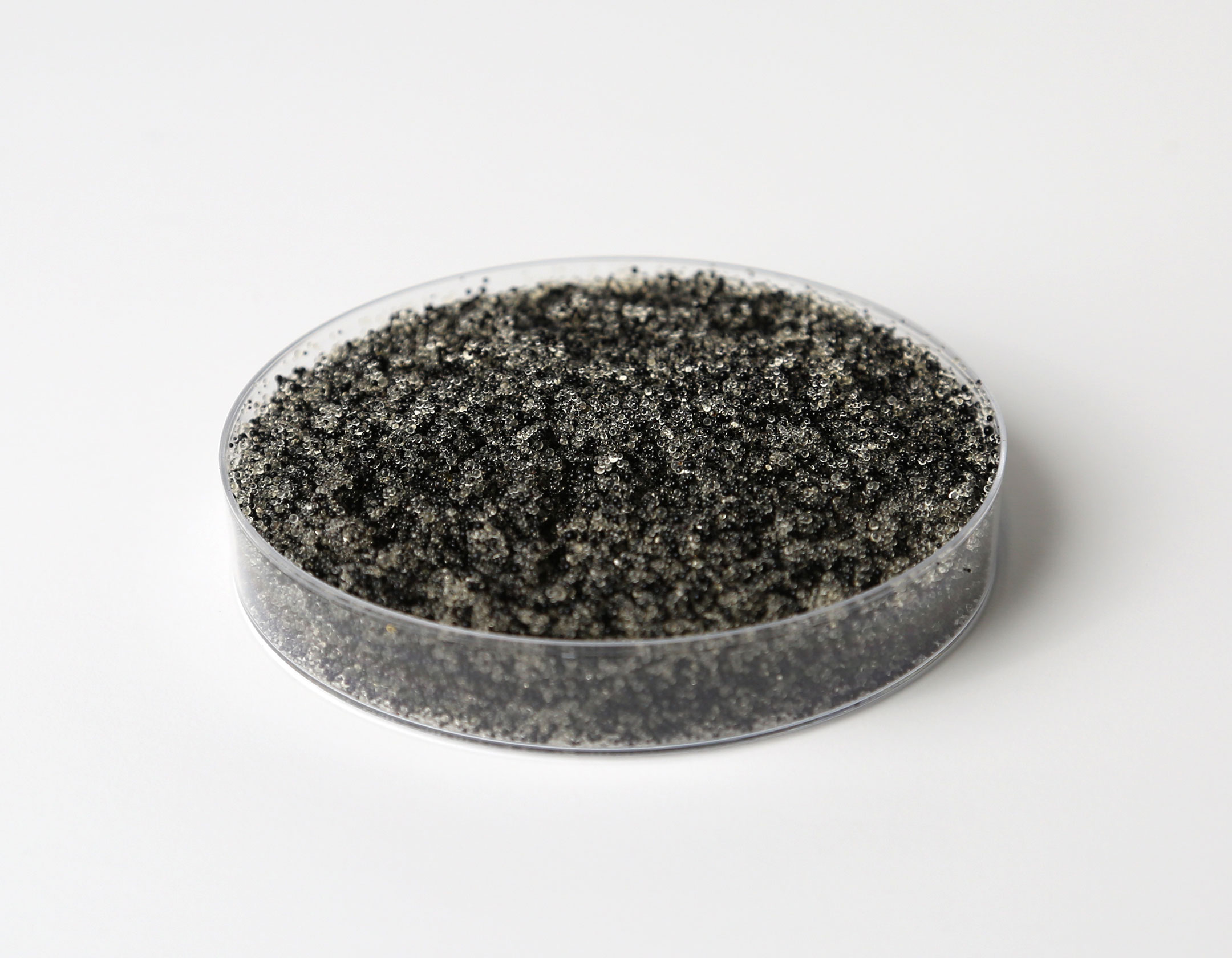
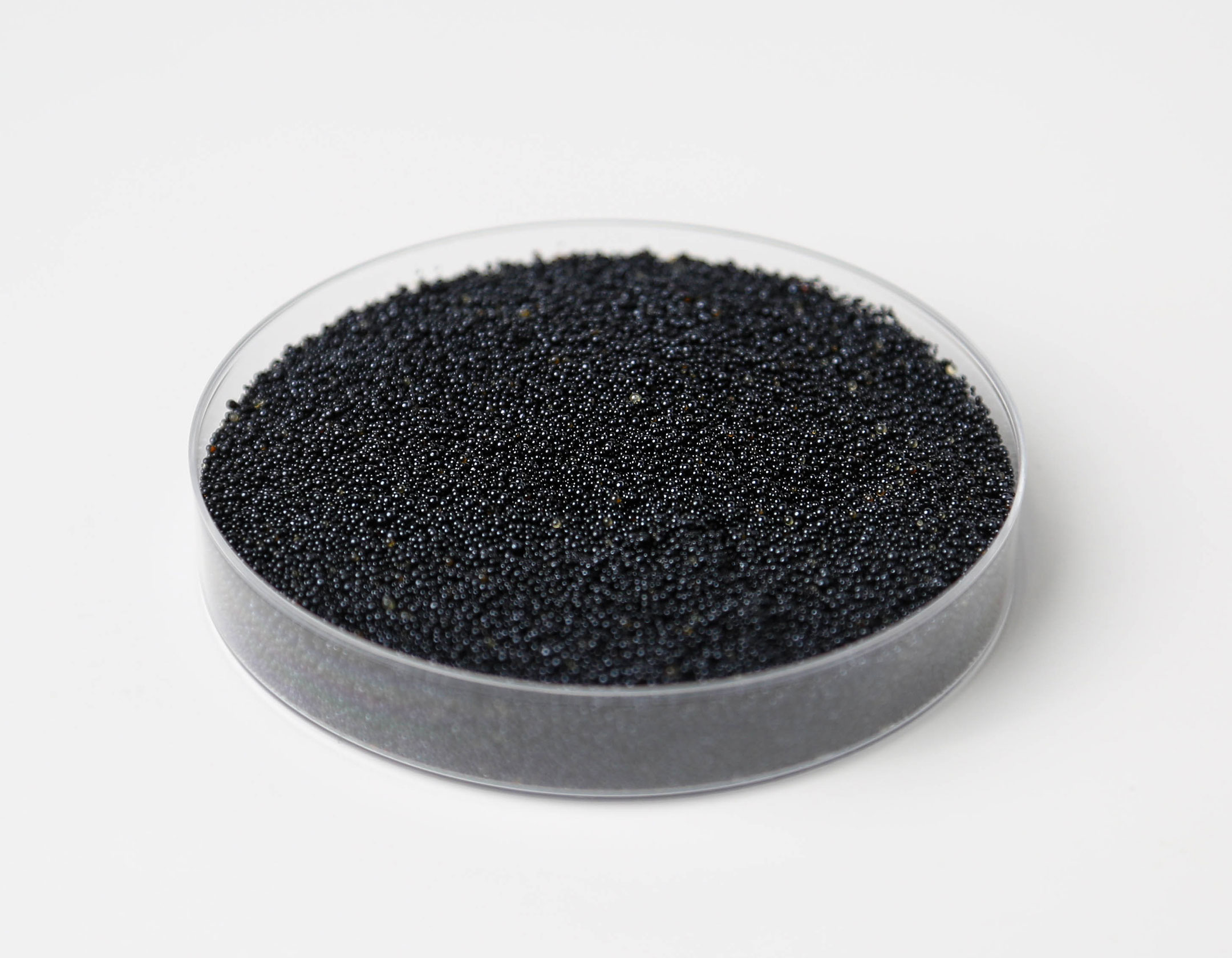
Fluorine is a chemical element with symbol F and atomic number 9. Fluoride is deliberately added to most potable water supplies in the USA to help prevent dental carries. The USA MCL for fluoride is 4 mg/L.
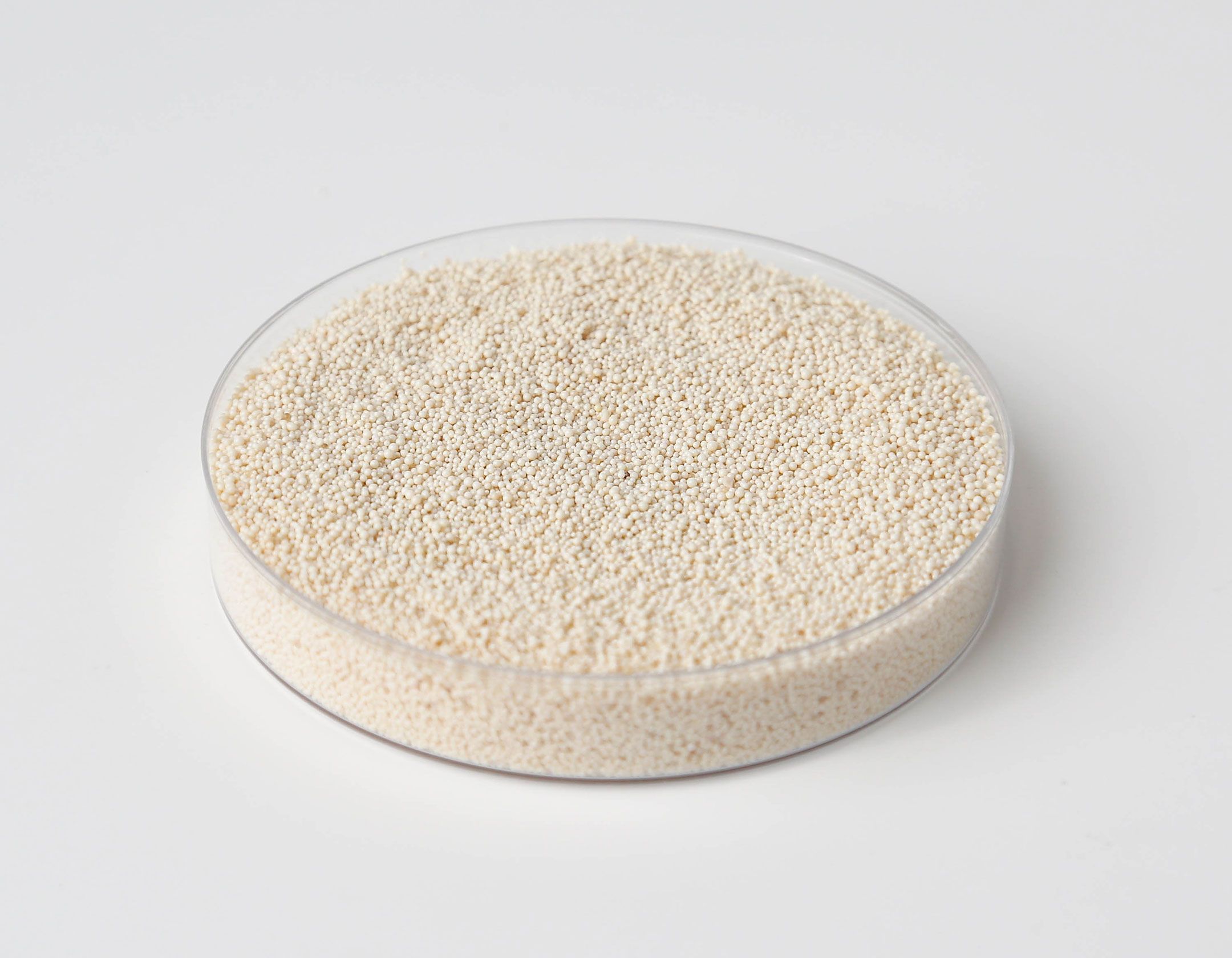
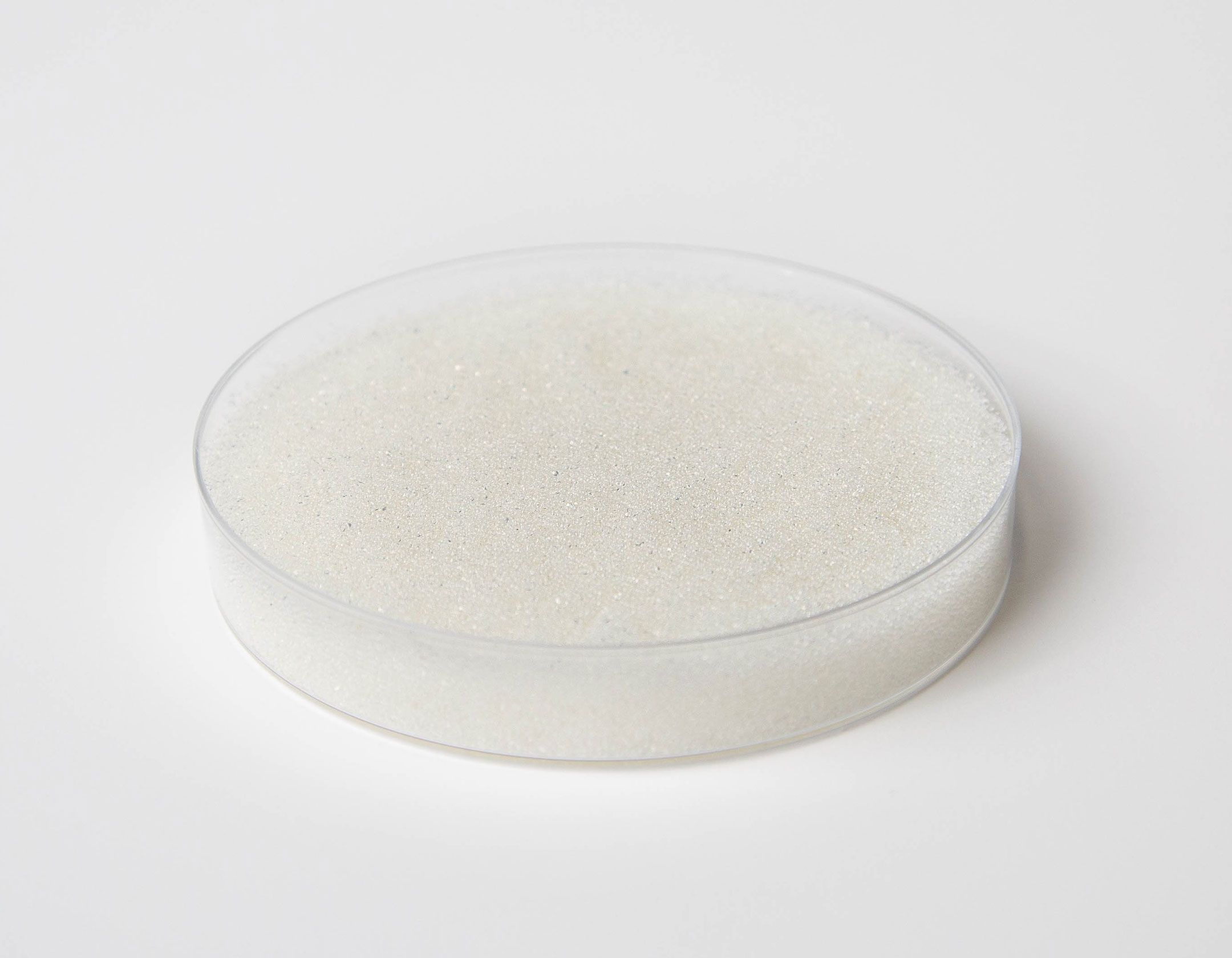
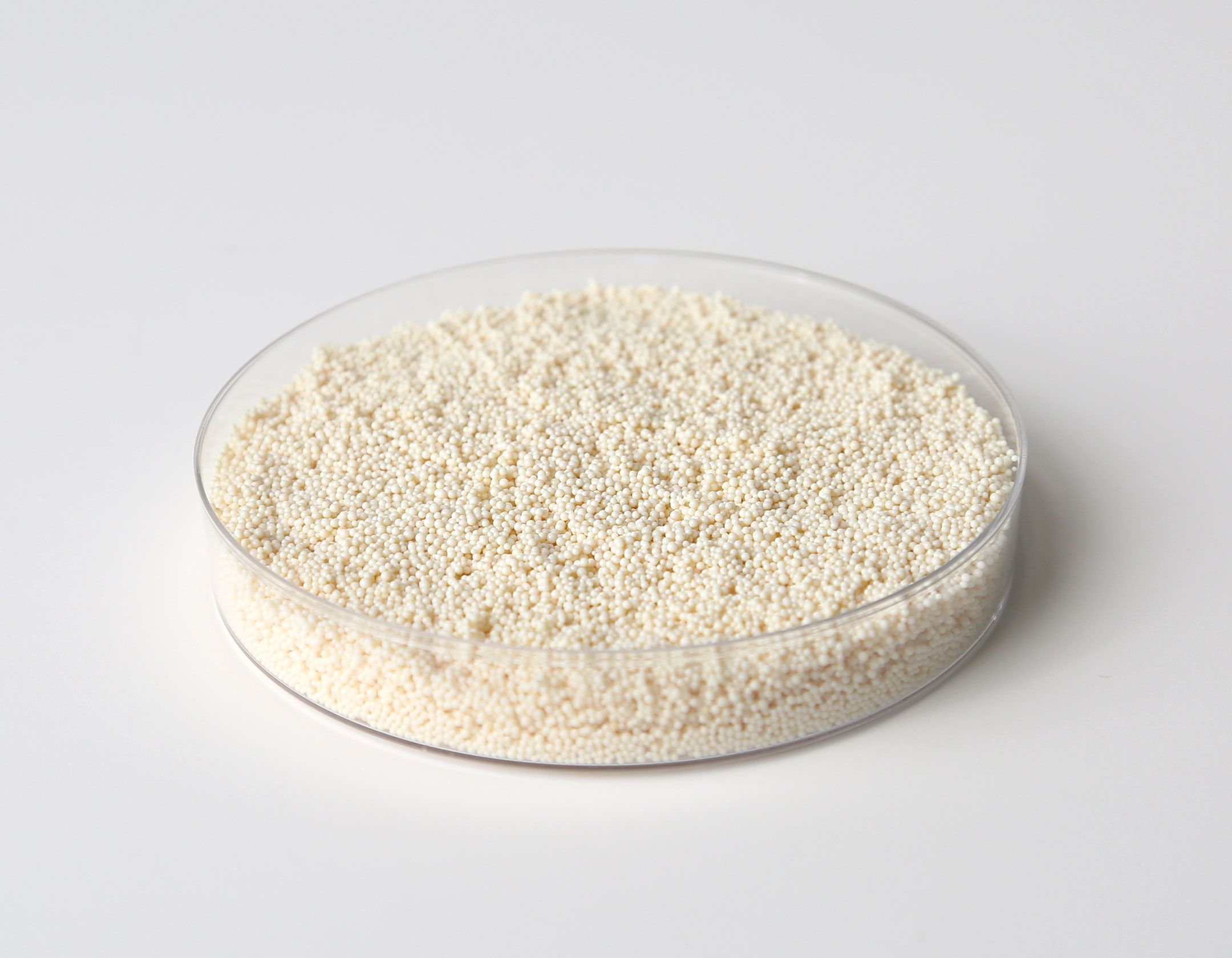
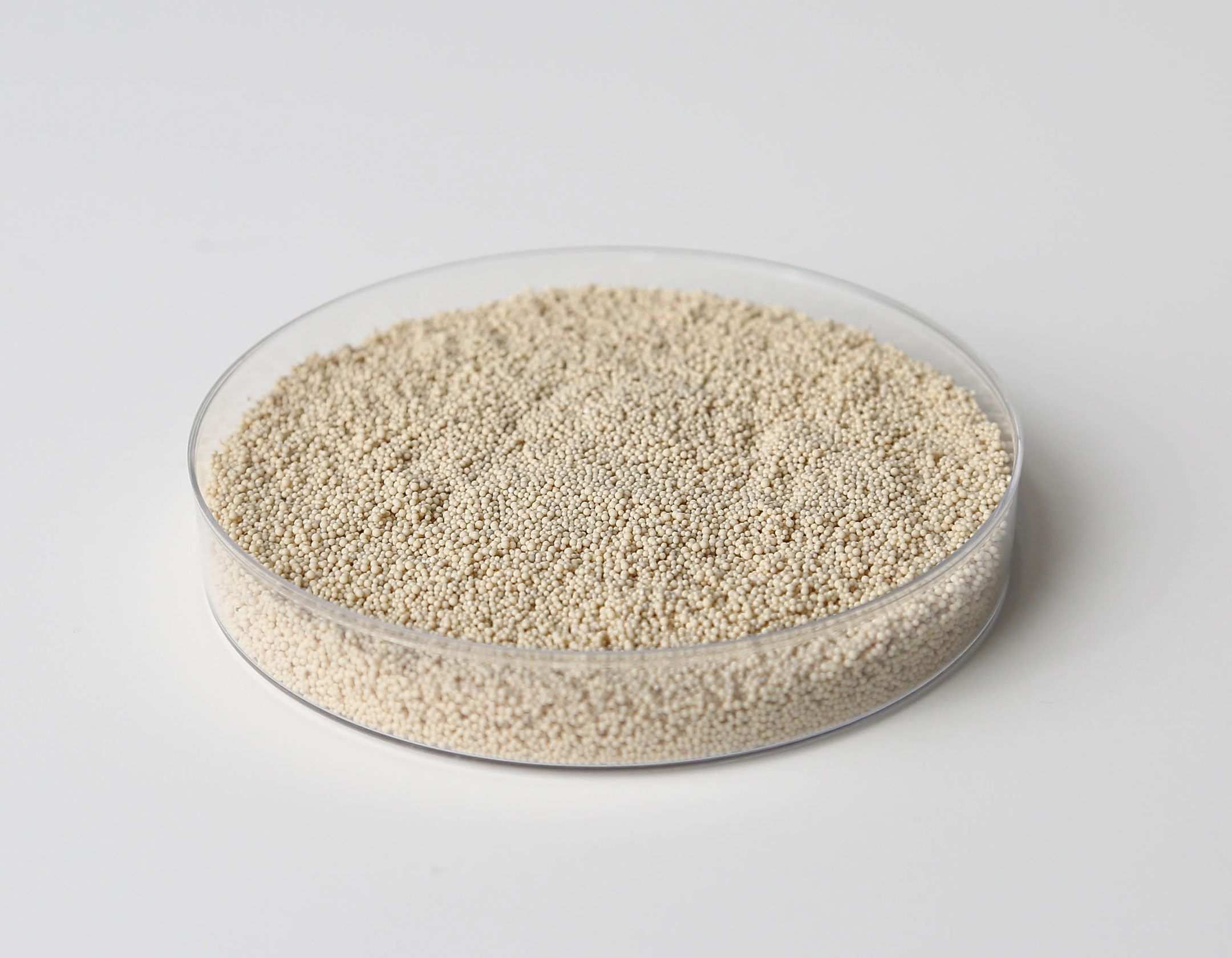
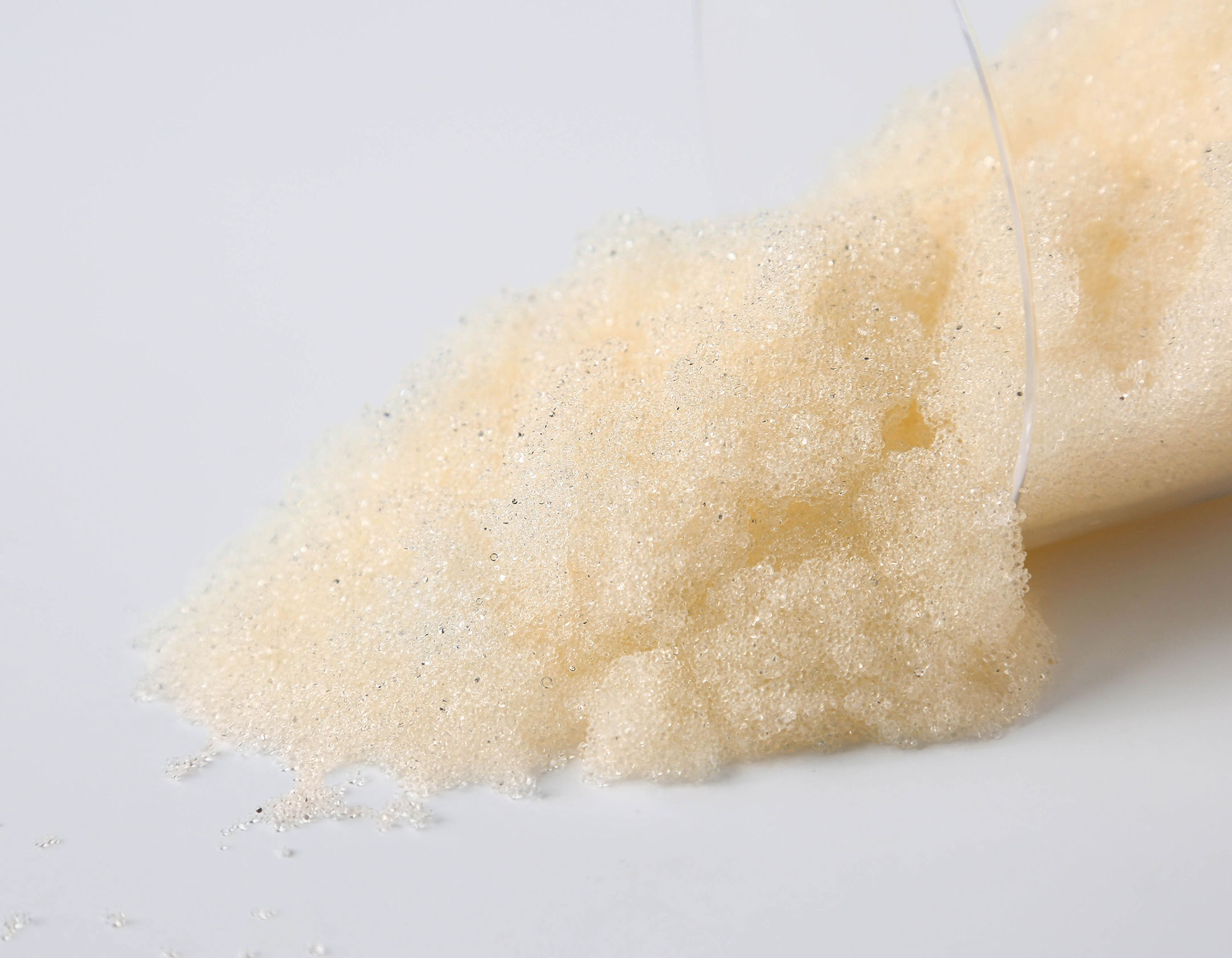
Iron is a chemical element with symbol Fe and atomic number 26. It is the fourth most common element in the Earth's crust. Iron exists in a wide range of oxidation states, +2 and +3 being the most common.
Ferrous iron (sometimes known as clear water iron) can be removed by a variety of cation resin in either the sodium or hydrogen form.
Lead is a chemical element with atomic number 82 and symbol Pb. It is a soft, malleable, and heavy metal. Lead is the heaviest stable element.
Lead in potable water that is present in its ionic form can be removed by a variety of cation exchange resins including both strong acid and weak acid types.
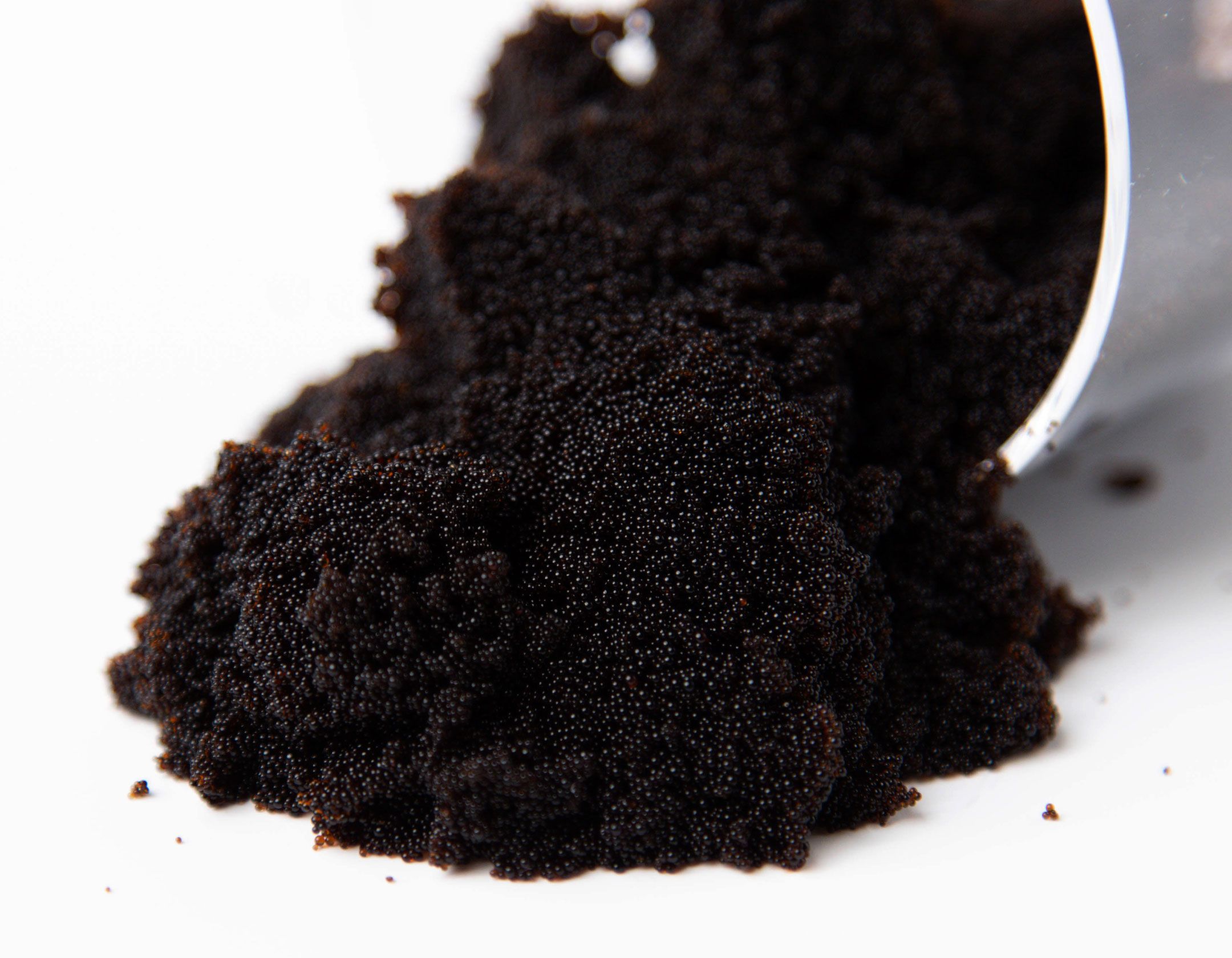
Mercury is a chemical element with symbol Hg and atomic number 80. Mercury is a potent neurotoxin. Most mercury in our environment currently comes from coal fired power plants.
The selective resins with thiol functionality have high affinity for cationic mercury. Organo mercury compounds, notably methyl mercury form from the reaction of elemental or cationic mercury with organic matter.
Strong base anion resin have good affinity for nitrate. The higher amines (triethylamine, tributylamine, etc.) have increased affinity for nitrate and decreased affinity for divalent ions such as sulfate, making them preferred for many applications.
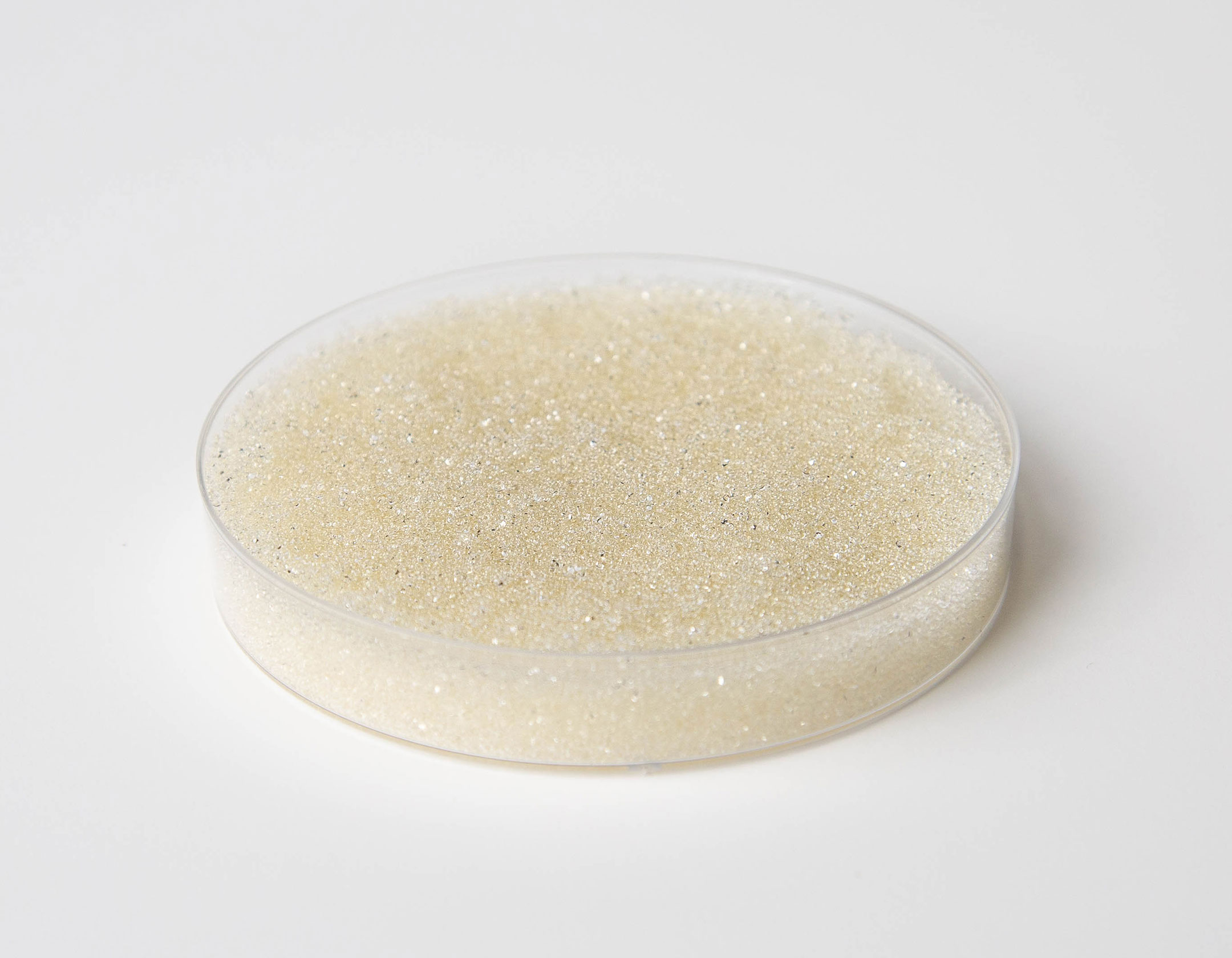
Perchlorate is a relatively weak oxidant, used as an oxygen source in rocket fuel. Perchlorate is also a contaminant in ammonium nitrate fertilizer. Although all strong base anion resin have high affinity for perchlorate, the higher amines have exceptional affinity.

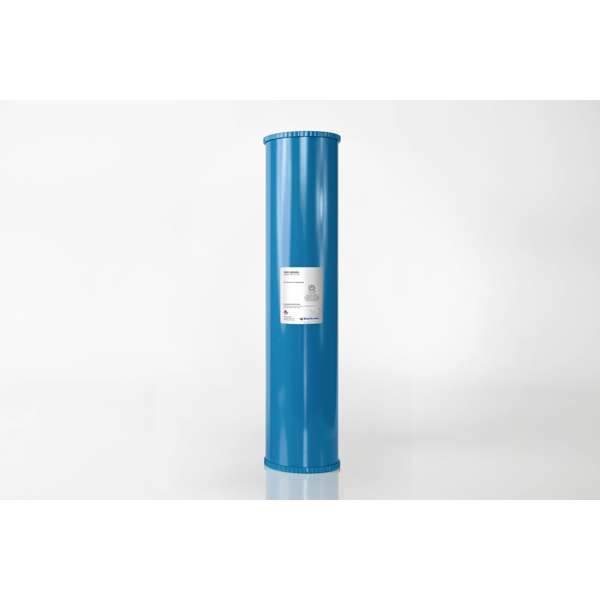
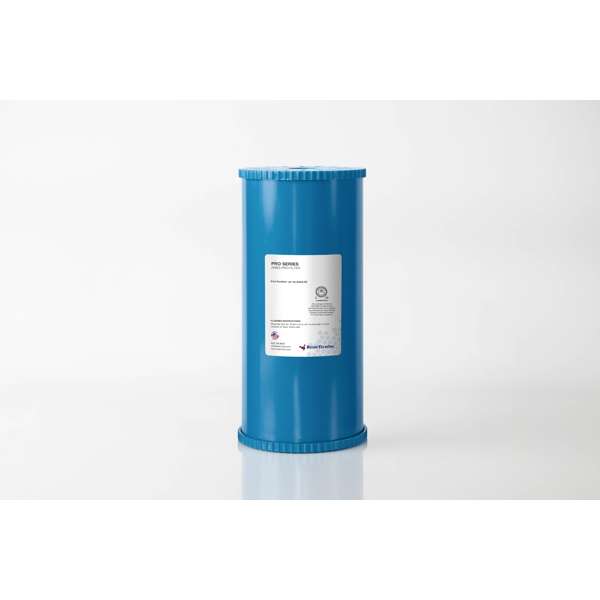
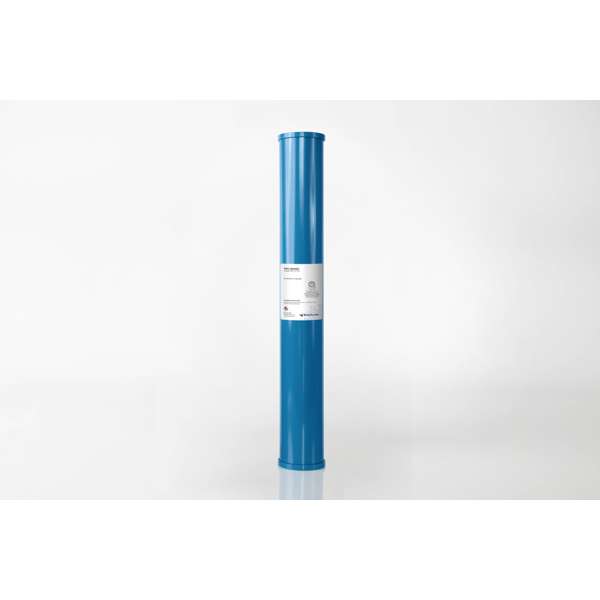
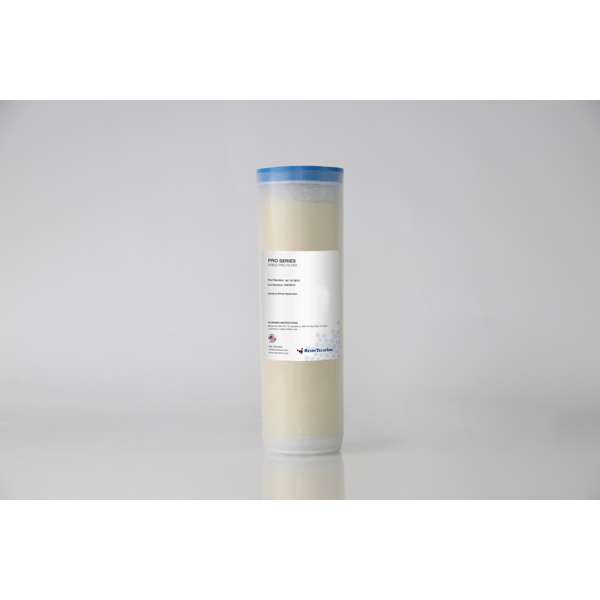
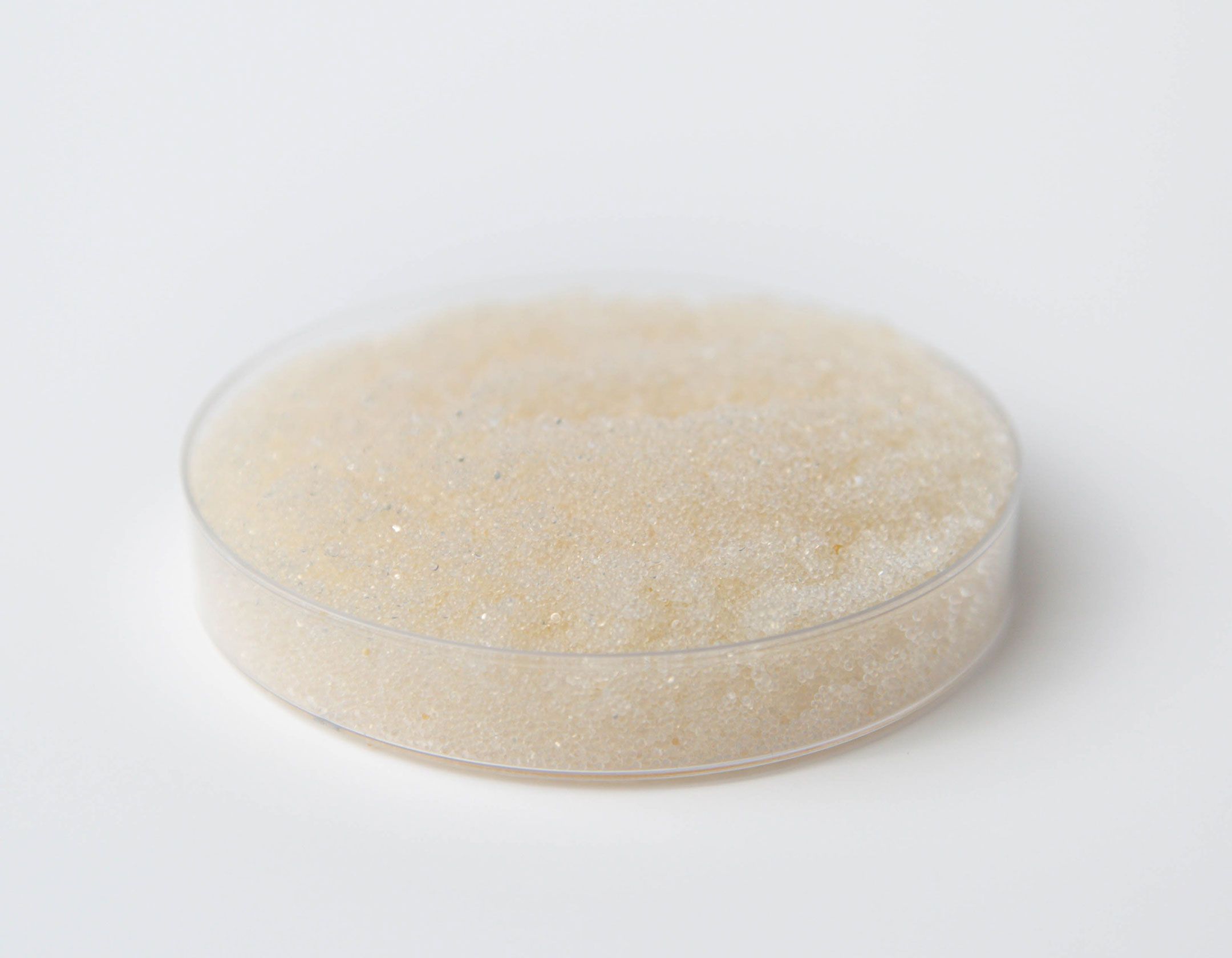
Radium is a chemical element with symbol Ra and atomic number 88. All isotopes of radium are highly radioactive. Radium is the daughter product of uranium decay.
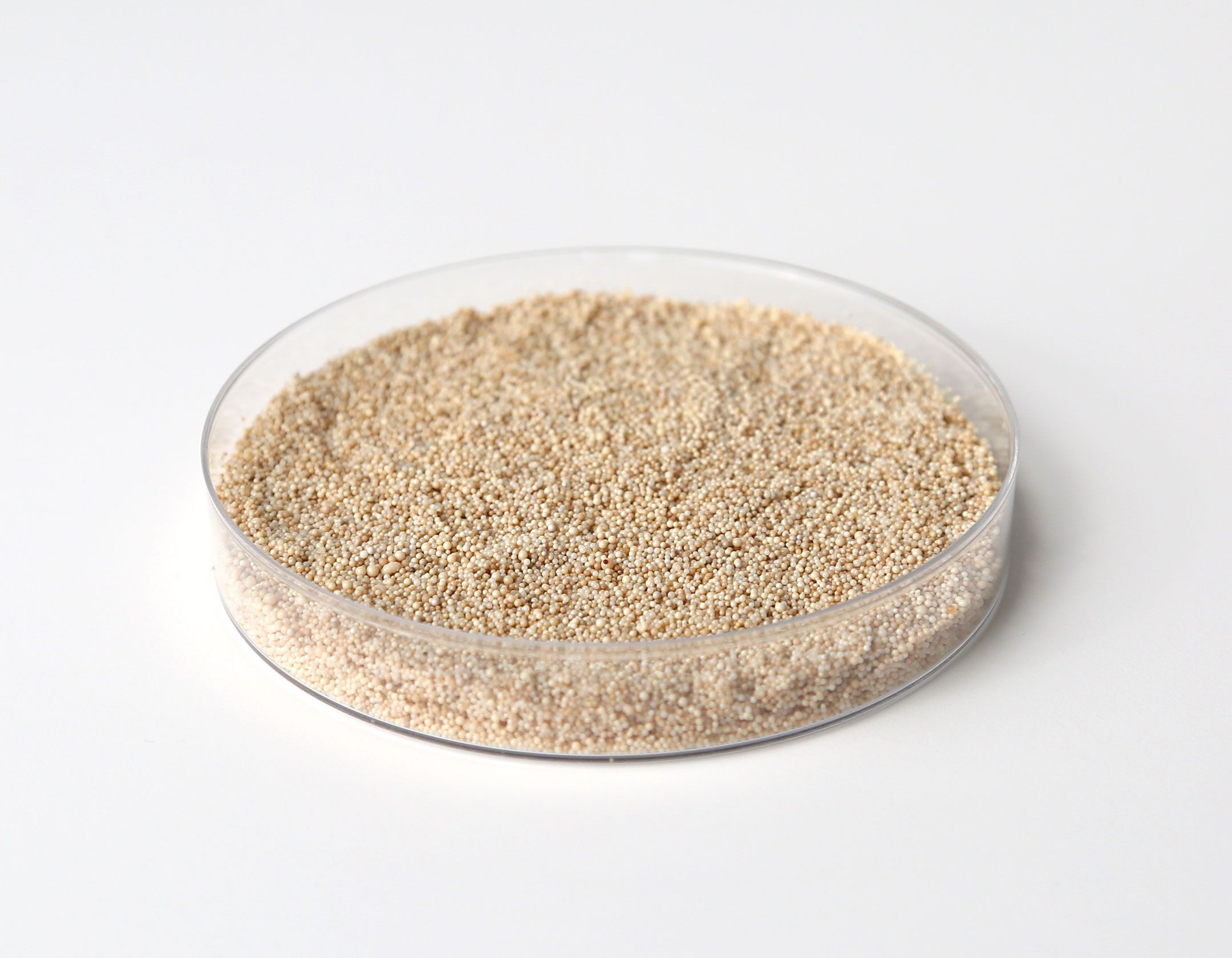
Radium forms a divalent cation in water and can be removed by water softening resins, along with other hardness ions.
Selenium is a chemical element with symbol Se and atomic number 34. While selenium is an important trace nutrient, high concentrations of selenium salts are toxic.
Selenate is the fully oxidized oxo anion of selenium. It is well removed by strong base anion resins. Selenite is the most common form found in wastewaters.
Ready for American certainty?
Partner with ResinTech for American-made filter cartridges that create loyal customers and reliable revenue streams.
Our USA manufacturing capacity, stringent quality control, and rock-solid supply chain stability give you advantages that offshore suppliers can't match.
Our USA manufacturing capacity, stringent quality control, and rock-solid supply chain stability give you advantages that offshore suppliers can't match.