Commercial softening applications may require high flow rates or low hardness leakage. Equipment design and regeneration techniques become important in these applications.
Industrial Water Filters Made in America.
Zero Supply Chain Risk.
Products designed to address industrial challenges with boiler feedwater, steam generation, bacteria control, metal finishing, electro-discharge machining (EDM), and closed-loop operations related to manufacturing.
Applications
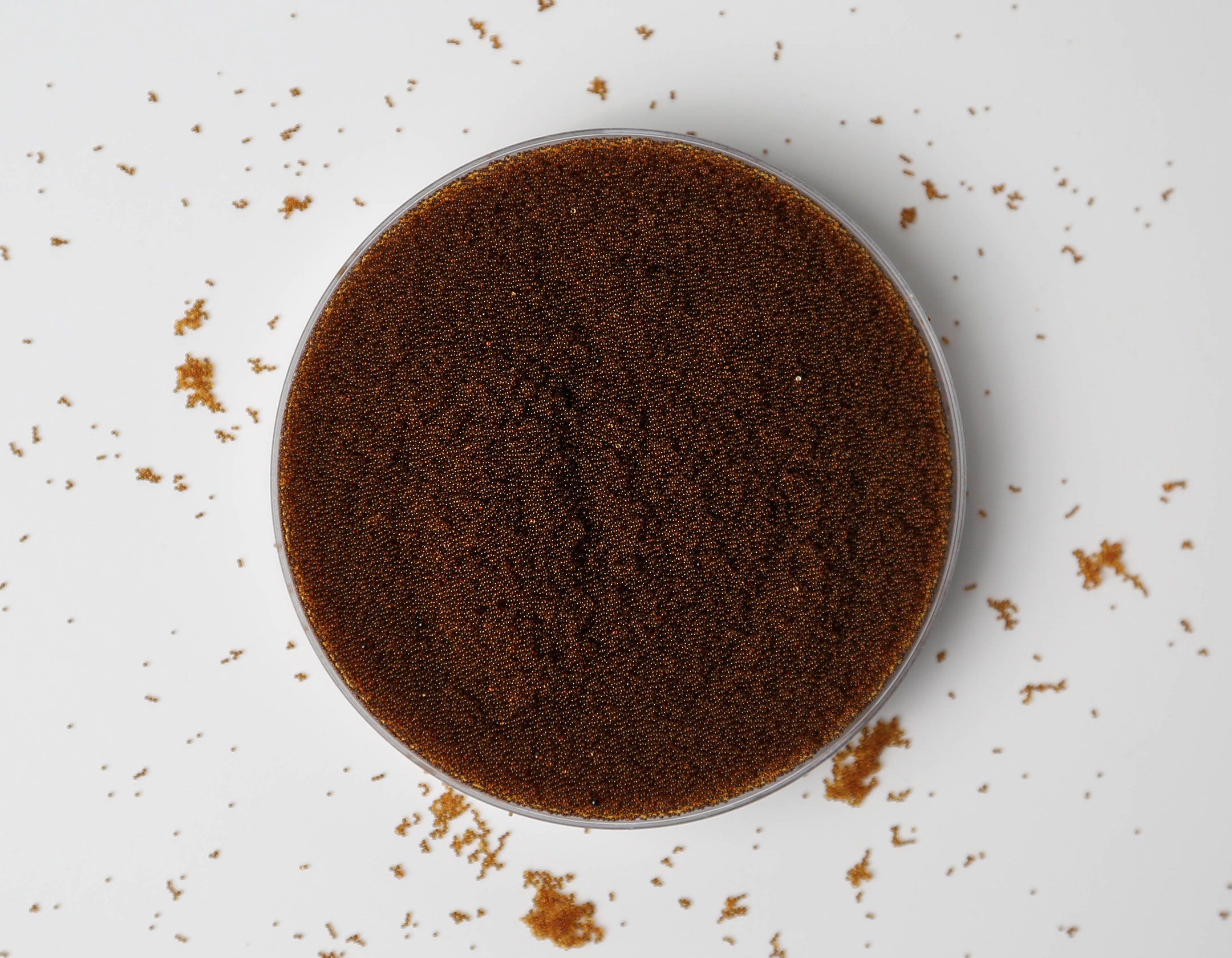
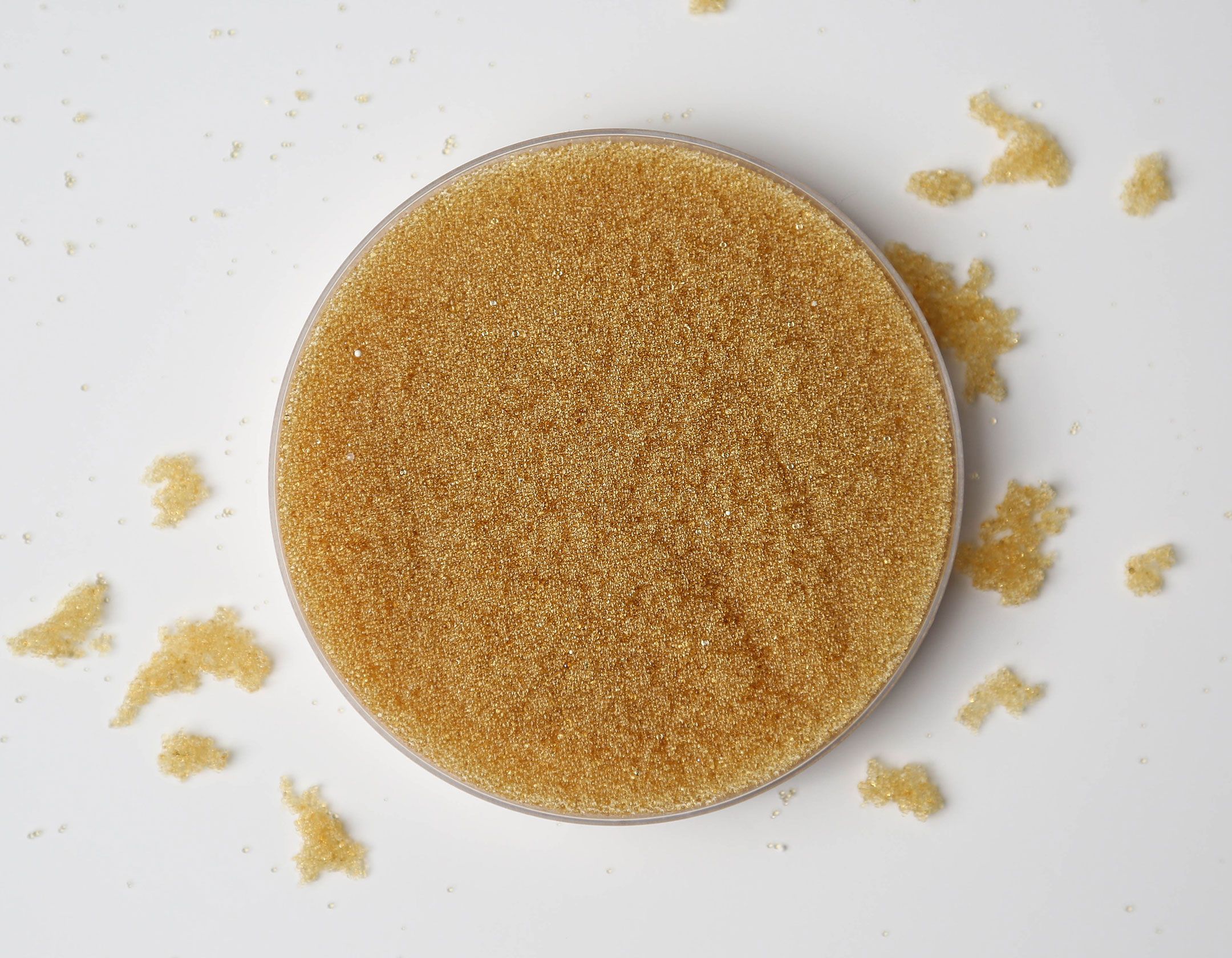
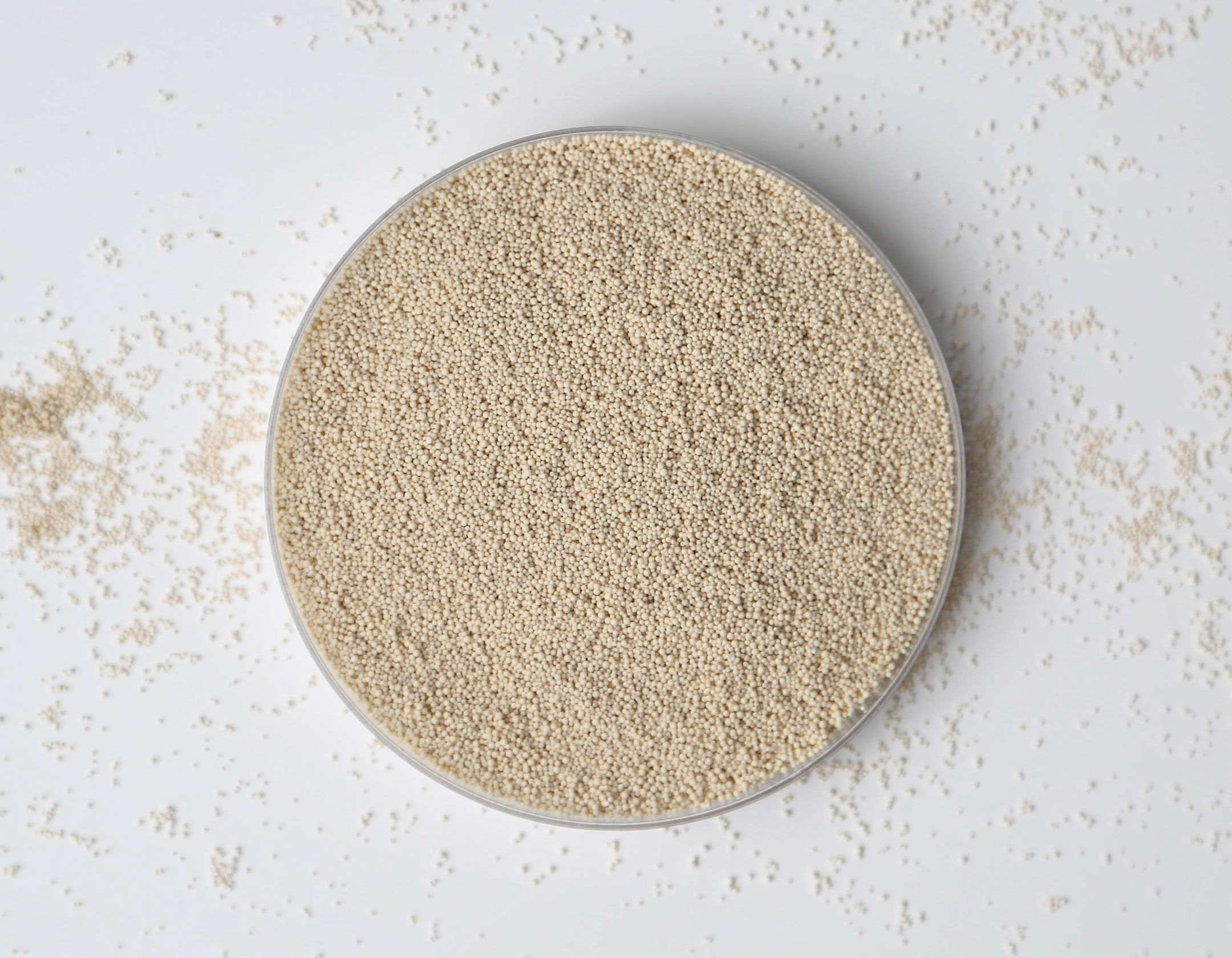

.png)
Demineralization / DI
%20(1).png)
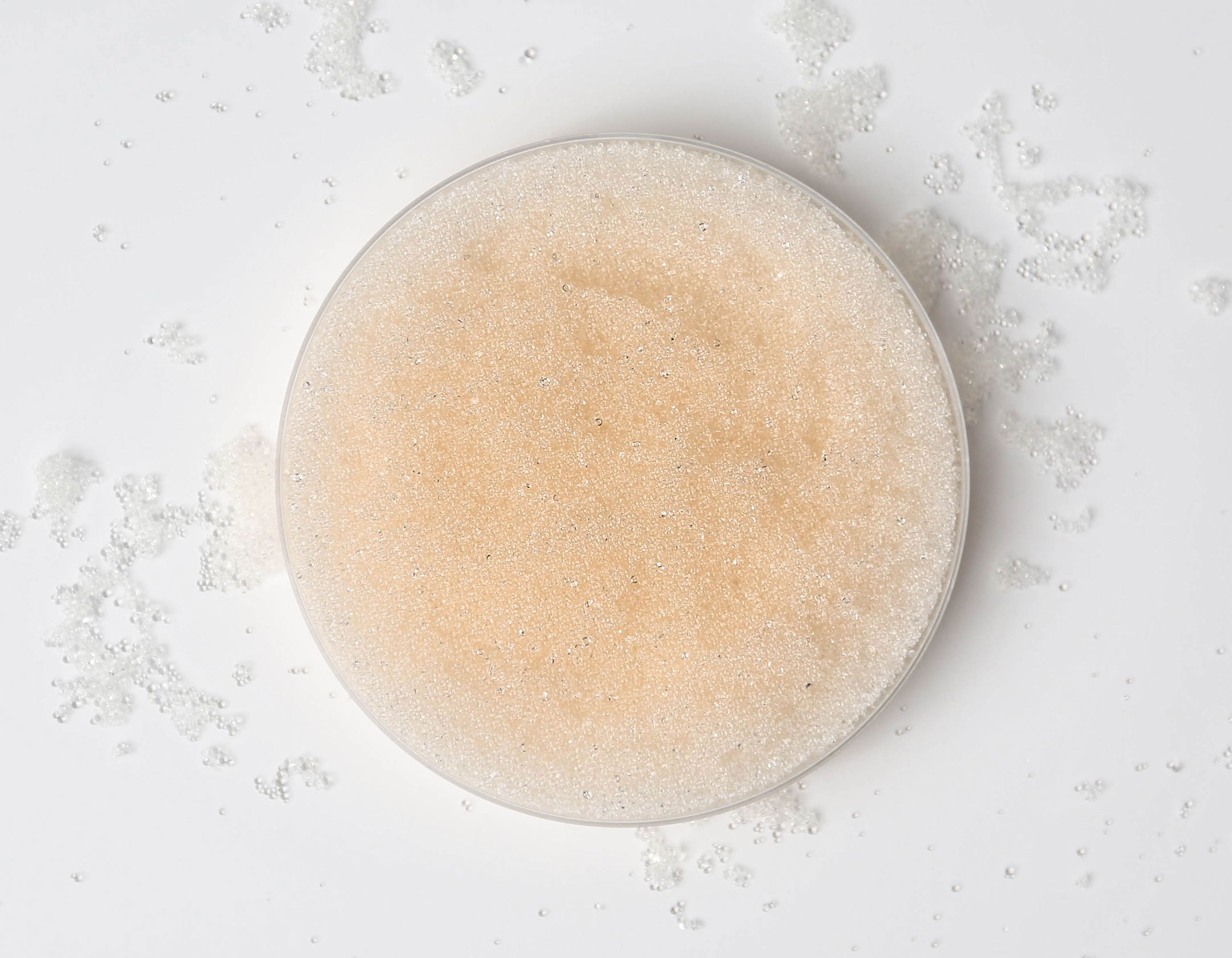
High pressure steam generation requires the removal of all dissolved solids. This can be accomplished with two bed (cation-anion) units or a mixed bed deionizer. It is common practice today to pretreat with reverse osmosis and then deionize with ion exchange.
Electrical Discharge (EDM)
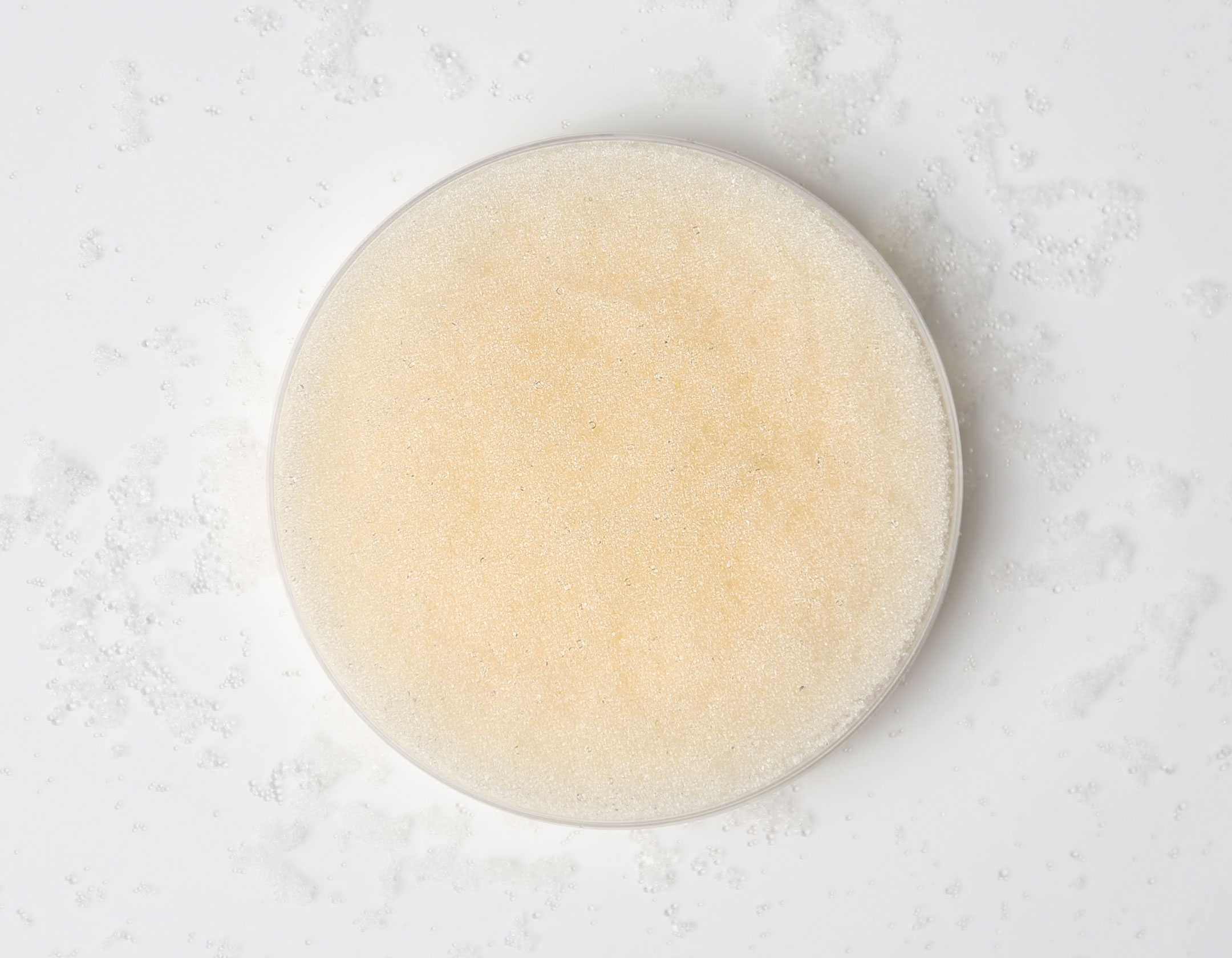
The Wire EDM process requires a bath of DI water for making precision cuts in metal parts. The DI water undergoes continuous purification to eliminate both dissolved and suspended solids.
Metal Finishing
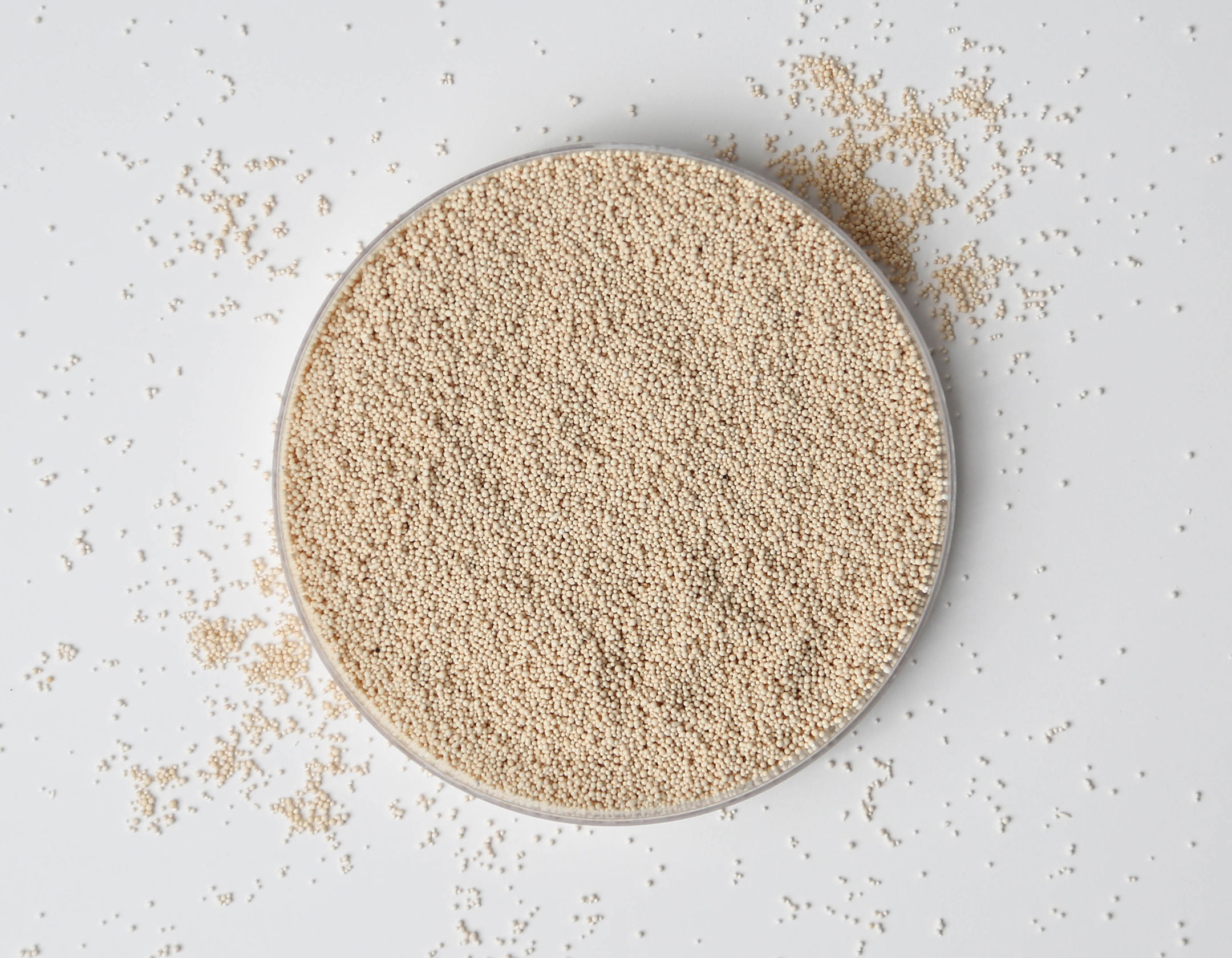
Metal finishing operations require pure water for both the makeup side of the water supply and the final rinsing of finished parts. The makeup water sometimes only needs to be softened, but the final rinse requires DI water for best results and highest product yield.
Microelectronics
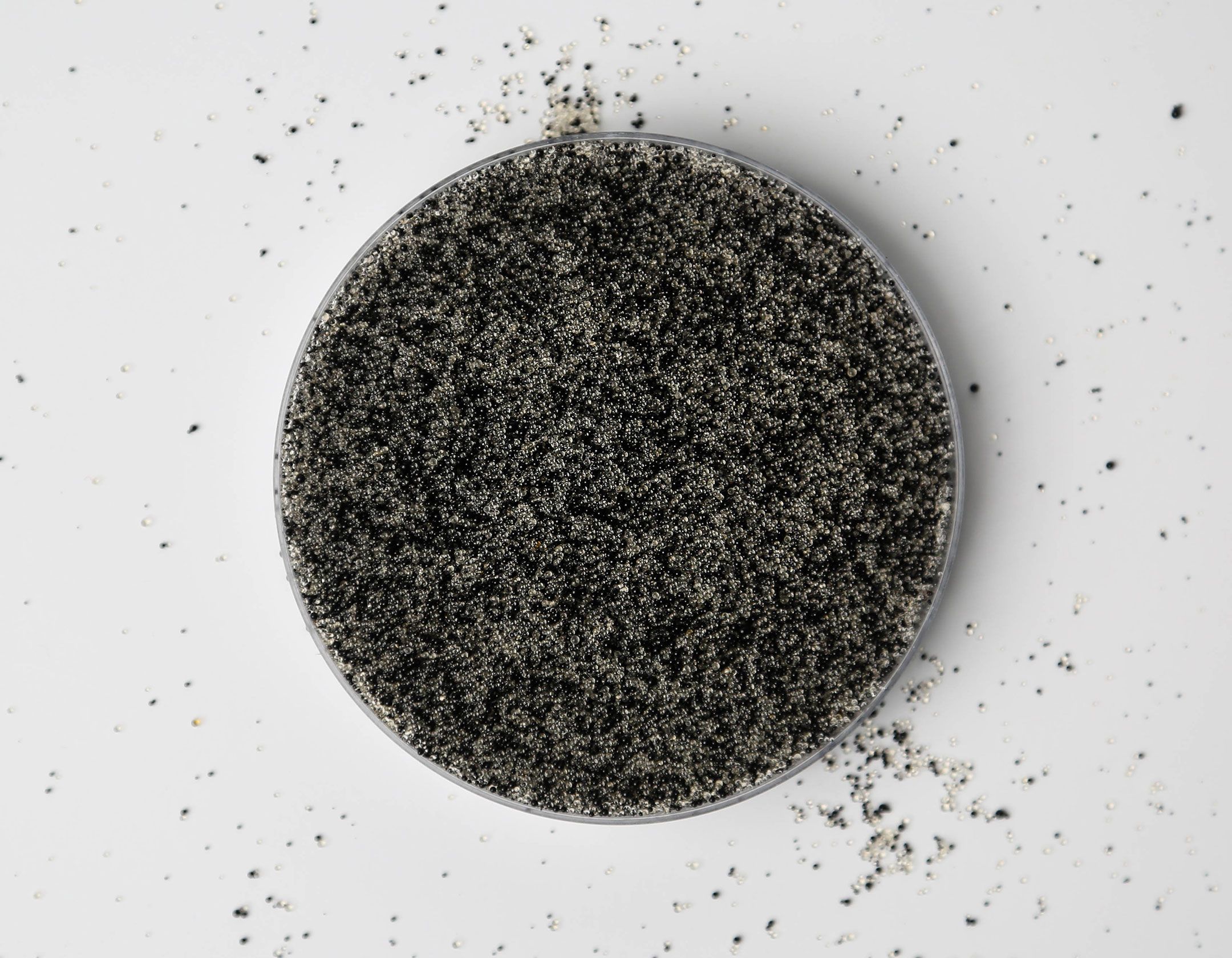
The rinsing of silicon chips in the microelectronics market demands the highest level of water purity attainable. This requires a high degree of pretreatment followed by Ultrapure water production with specialty mixed bed DI units.
Water Reuse / Recycling
The ability to reuse or recycle water in the industrial market is important from an environmental and a regulatory perspective. This involves the capture and treatment of industrial waters such as metal finishing rinses, fast rinse or backwash water from ion exchange regeneration, or diversion and treatment of wastewater for using in cooling towers.
Ready for American certainty?
Partner with ResinTech for American-made filter cartridges that create loyal customers and reliable revenue streams.
Our USA manufacturing capacity, stringent quality control, and rock-solid supply chain stability give you advantages that offshore suppliers can't match.
Our USA manufacturing capacity, stringent quality control, and rock-solid supply chain stability give you advantages that offshore suppliers can't match.