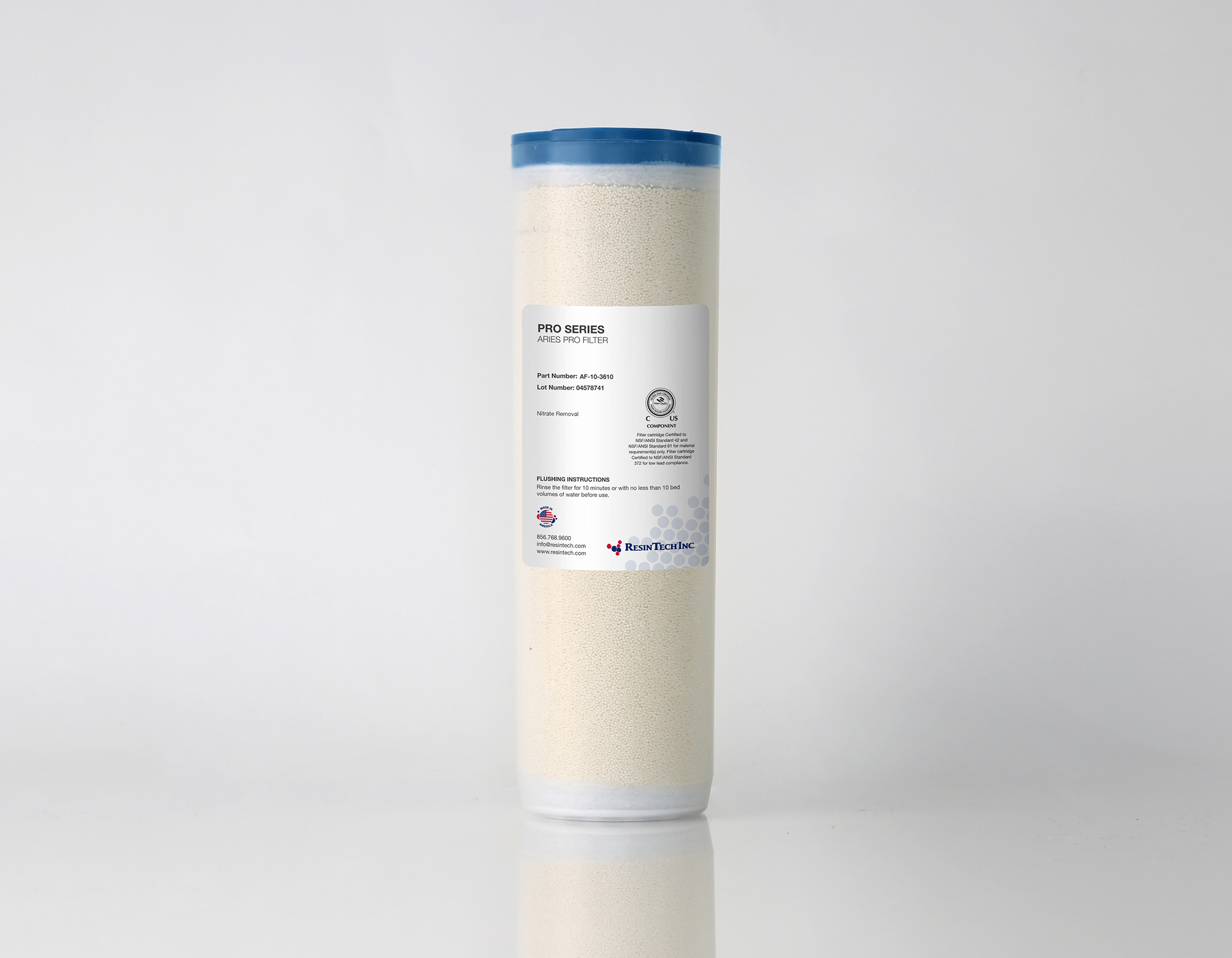
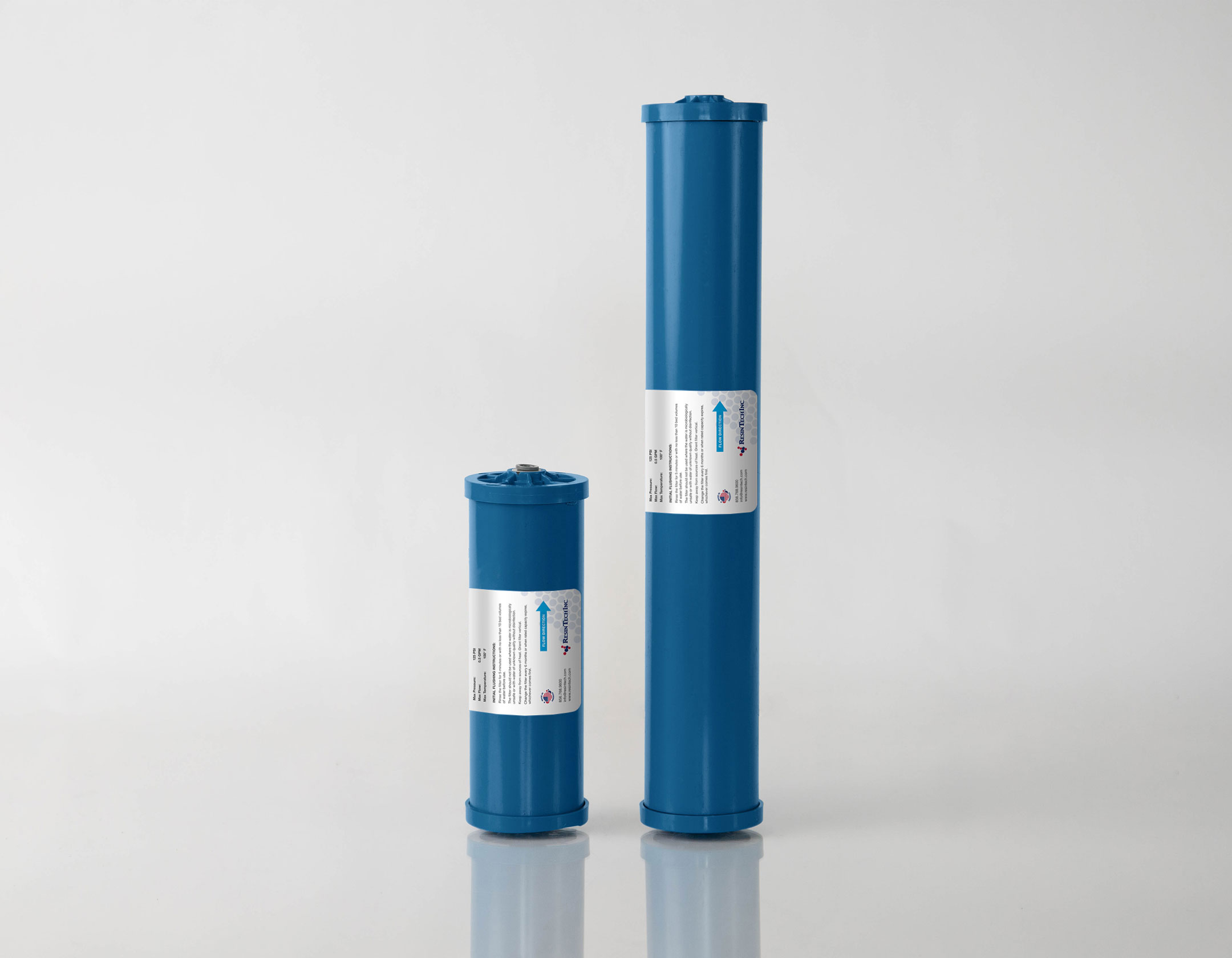
Mining Applications

The acidic wastewater resulting from mining operations requires treatment in order to prevent adverse impacts to rivers and streams wastewater.

Applications
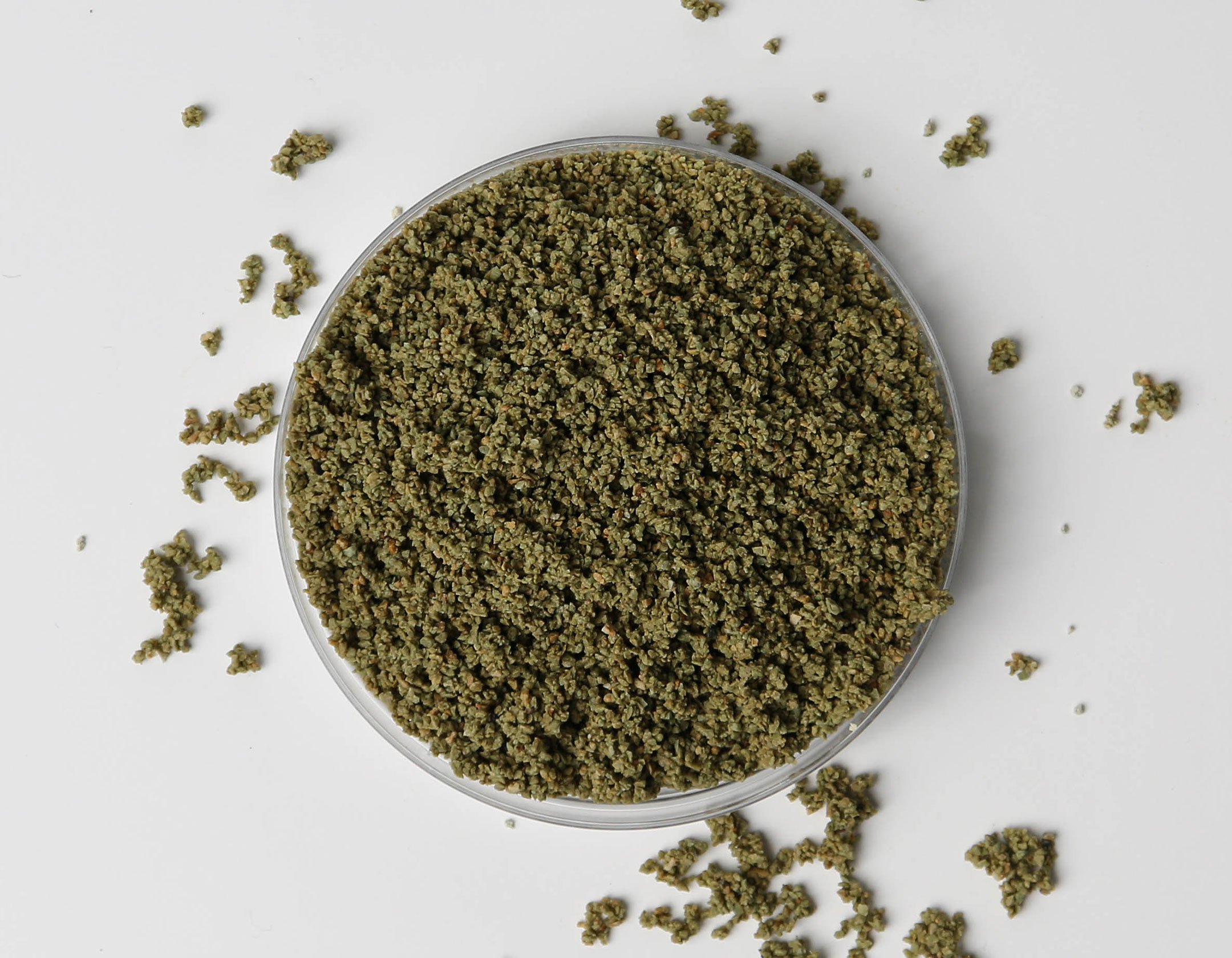
Ammonium Reduction
Ammonium ion forms when pH is less than 9 (preferably less than 8). Ammonium is a monovalent cation. Cation resins such as CG8 and CG10 have modest selectivity for ammonium ion compared to sodium but poor selectivity compared to hardness ions such as calcium and magnesium. SIR-600 has very high selectivity for ammonium but fairly low capacity and requires a rather large salt dose (typically at least 30 lbs NaCl per cu ft).
SIR-600
Applications:
Ammonium Reduction, Cesium Reduction
CG8
Applications:
Ammonia Reduction Demineralization, Iron Reduction, Softening - Industrial
CG10
Applications:
Demineralization, Softening - High, Temperature, Softening - Industrial
Ba
Brine Barium Removal
SIR300PHADJ_Shot22x.jpg
SIR-500
Applications:
Brine Softening, Cartridge Applications
B
Brine Boron Removal
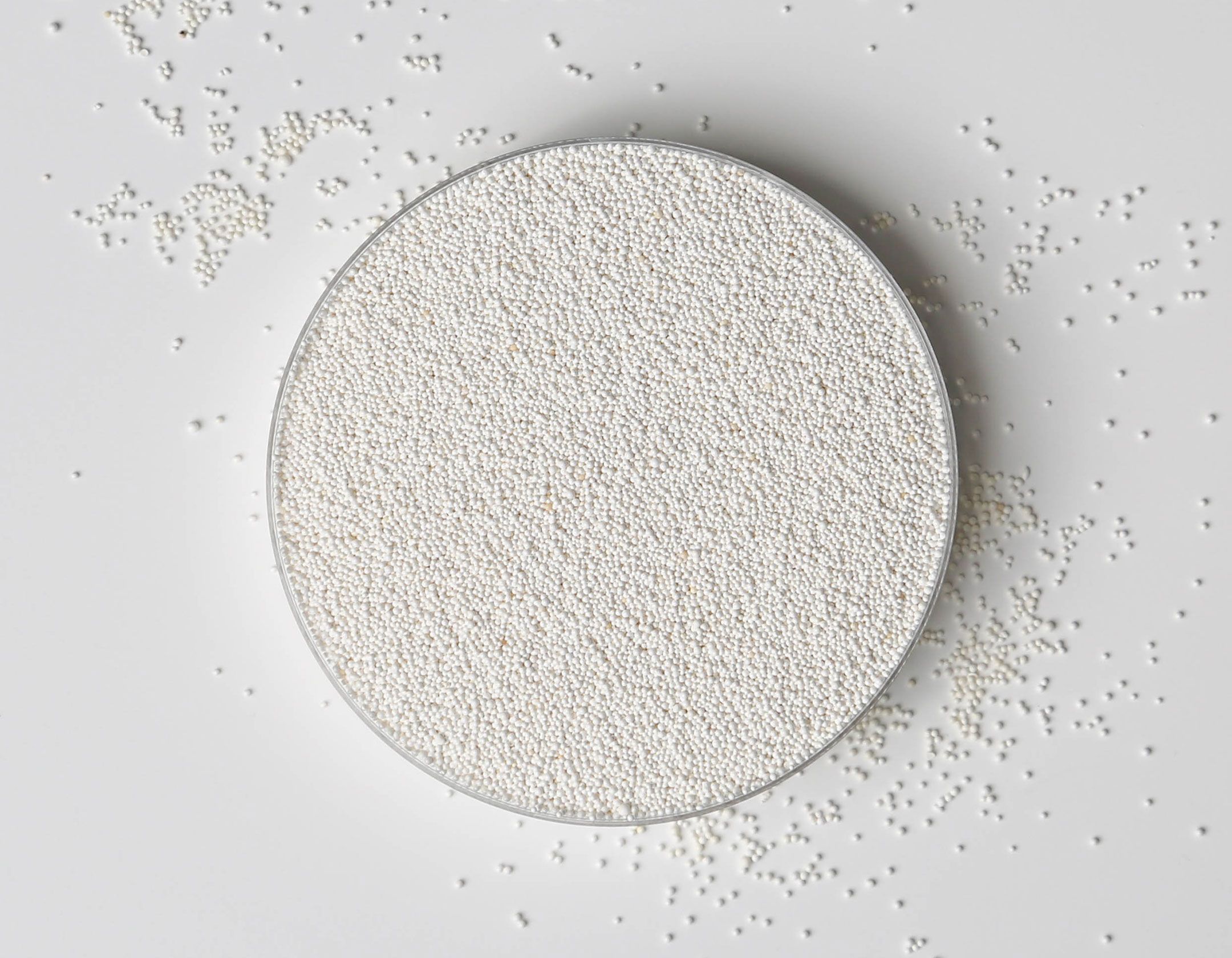
Boron is one of a number of elements present in the natural salt mine brines from which Lithium is extracted. Although the element has wide industrial application, boron impurities can accumulate and impede the productivity of lithium energy products.
SIR150_Shot22x.jpg
SIR-150
Applications:
Boron Removal, Cartridge Applications
Brine Decationization
Brine streams are often contaminated with metals. Some are common, such as calcium, magnesium, and iron, while others are less common, such as aluminum and vanadium. Our specialty chelating resins efficiently remove hardness from your brine stream without being exhausted by sodium, and we can adjust the treatment options depending on your removal needs.
SIR300_image2.jpg
SIR-300
Applications:
Cartridge Applications, Copper Removal, Heavy Metal Removal, Lead Removal
Brine Perchlorate Removal
SIR110MP_Shot22x.jpg
SIR-110-MP-HP
Applications:
Drinking Water Purification, Cartridge Applications, Iodide Removal, Nitrate Removal, Perchlorate Removal, PFAS Removal
Si
Brine Silica Removal
No items found.
Drainage Acidity
Acid mine drainage is a major pollutant of surface water in some regions, primarily from water flowing through abandoned mines that contain sulfur-bearing minerals. Characterized by low pH and toxic metal content, it can be mitigated through the use of activated carbon and ion exchange.
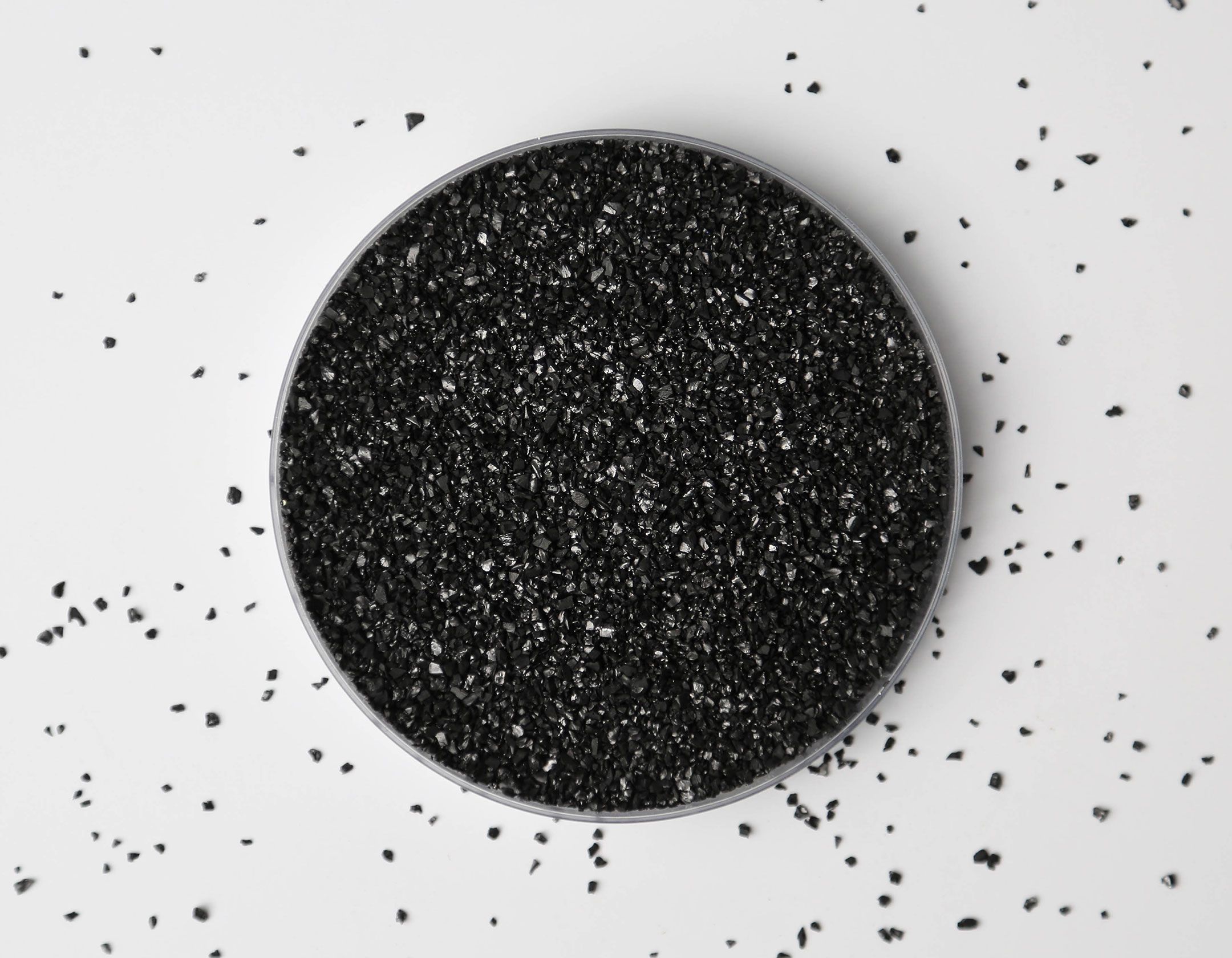
AGC-40 CA
Applications:
Chlorine Reduction, Organics Reduction
WBMP
Applications:
Demineralization, Organics Reduction
SIR-300
Applications:
Trace Material Reduction
Heavy Metals Reduction
Heavy metals are found in many industrial wastewater as well as sometimes occurring naturally in some groundwaters. Typically present in relatively low levels as compared to other dissolved ions, the ability to selectively remove these ions is accomplished with a specialty weak acid cation resin.
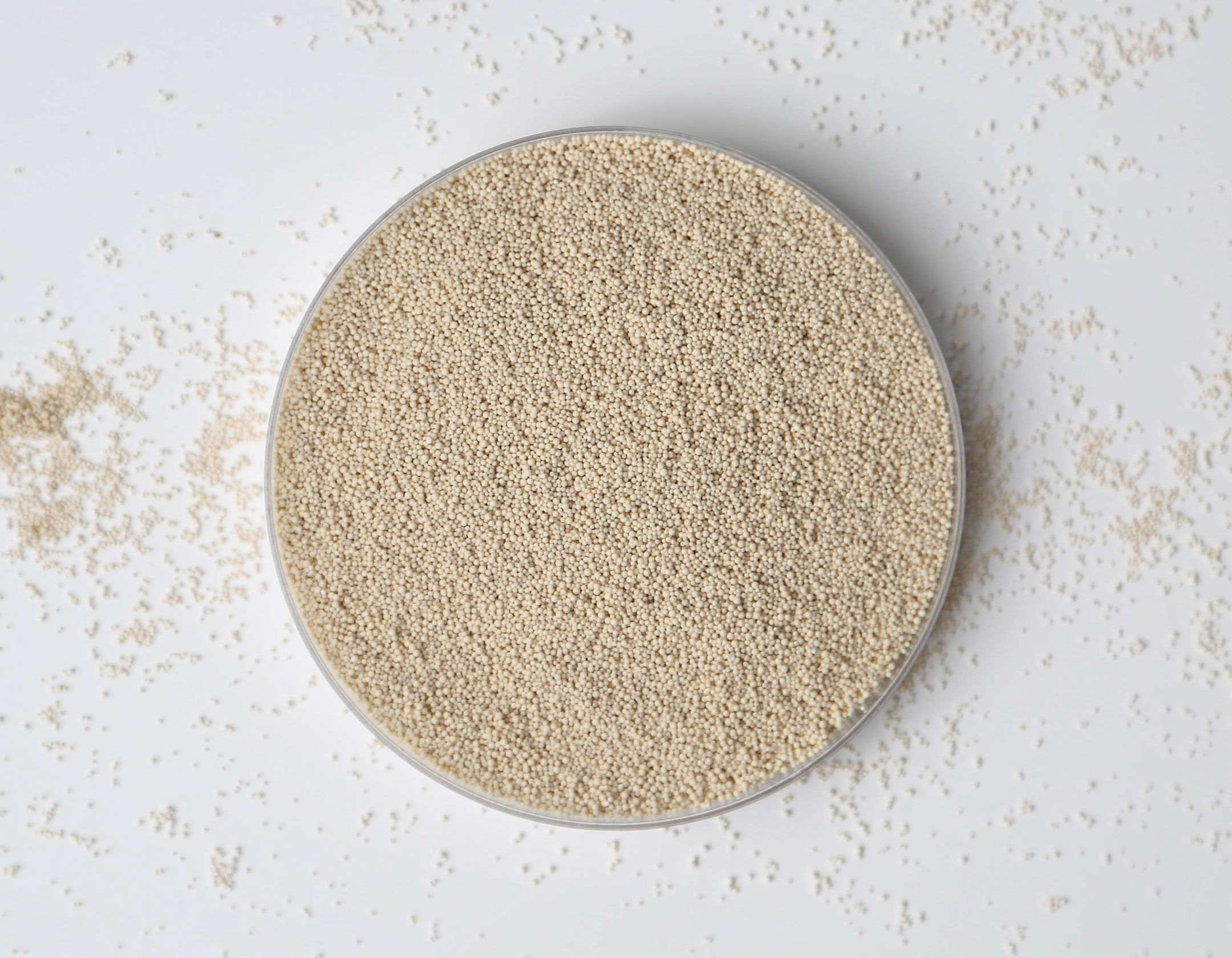
SIR-300
Applications:
Trace Material Reduction
WACG-NA
Applications:
High TDS Softening, Heavy Metals Reduction
CG8
Applications:
Ammonia Reduction Demineralization, Iron Reduction, Softening - Industrial
CG10
Applications:
Demineralization, Softening - High, Temperature, Softening - Industrial
SIR-200
Applications:
Mercury Reduction, Precious Metals
SIR-100-HP
Applications:
Nitrate Reduction, Perchlorate Reduction
ASM-10-HP
Applications:
Arsenic Reduction Silica Reduction
Hg
Mercury Reduction
Mercury is a chemical element with symbol Hg and atomic number 80. It is commonly known as quicksilver and was formerly named hydrargyrum. A heavy, silvery d-block element, mercury is the only metallic element that is liquid at standard conditions for temperature and pressure; the only other element that is liquid under these conditions is bromine, though metals such as caesium, gallium, and rubidium melt just above room temperature.

Mercury occurs in deposits throughout the world mostly as cinnabar (mercuric sulfide). The red pigment vermilion is obtained by grinding natural cinnabar or synthetic mercuric sulfide.
Mercury is used in thermometers, barometers, manometers, sphygmomanometers, float valves, mercury switches, mercury relays, fluorescent lamps and other devices, though concerns about the element’s toxicity have led to mercury thermometers and sphygmomanometers being largely phased out in clinical environments in favor of alternatives such as alcohol- or galinstan-filled glass thermometers and thermistor- or infrared-based electronic instruments.
Mercury forms amalgams with many metals and was once used in dental fillings and to extract gold from various ores. Mercury is still used as a preservative in vaccines despite its know toxicity. Commercial uses of mercury have been curtailed, however mercury emissions from coal fired power plants remain a dominant source of mercury in our environment.
Mercury is a potent neurotoxin. Most mercury in our environment currently comes from coal fired power plants. Aerosol mercury emissions remain in the upper atmosphere for long periods of time, making this a global problem. The selective resins with thiol functionality have high affinity for cationic mercury.
Organo mercury compounds, notably methyl mercury form from the reaction of elemental or cationic mercury with organic matter.
SIR400_Shot22x.jpg
SIR-400
Applications:
Precious Metal Recovery, Cartridge Applications, Mercury Removal
SIR200_Shot22x.jpg
SIR-200
Applications:
Precious Metal Recovery, Cartridge Applications, Mercury Removal
Nitrate Reduction
Strong base anion resin have good affinity for nitrate. The higher amines (triethylamine, tributylamine, etc.) have increased affinity for nitrate and decreased affinity for divalent ions such as sulfate, making them preferred for many applications.
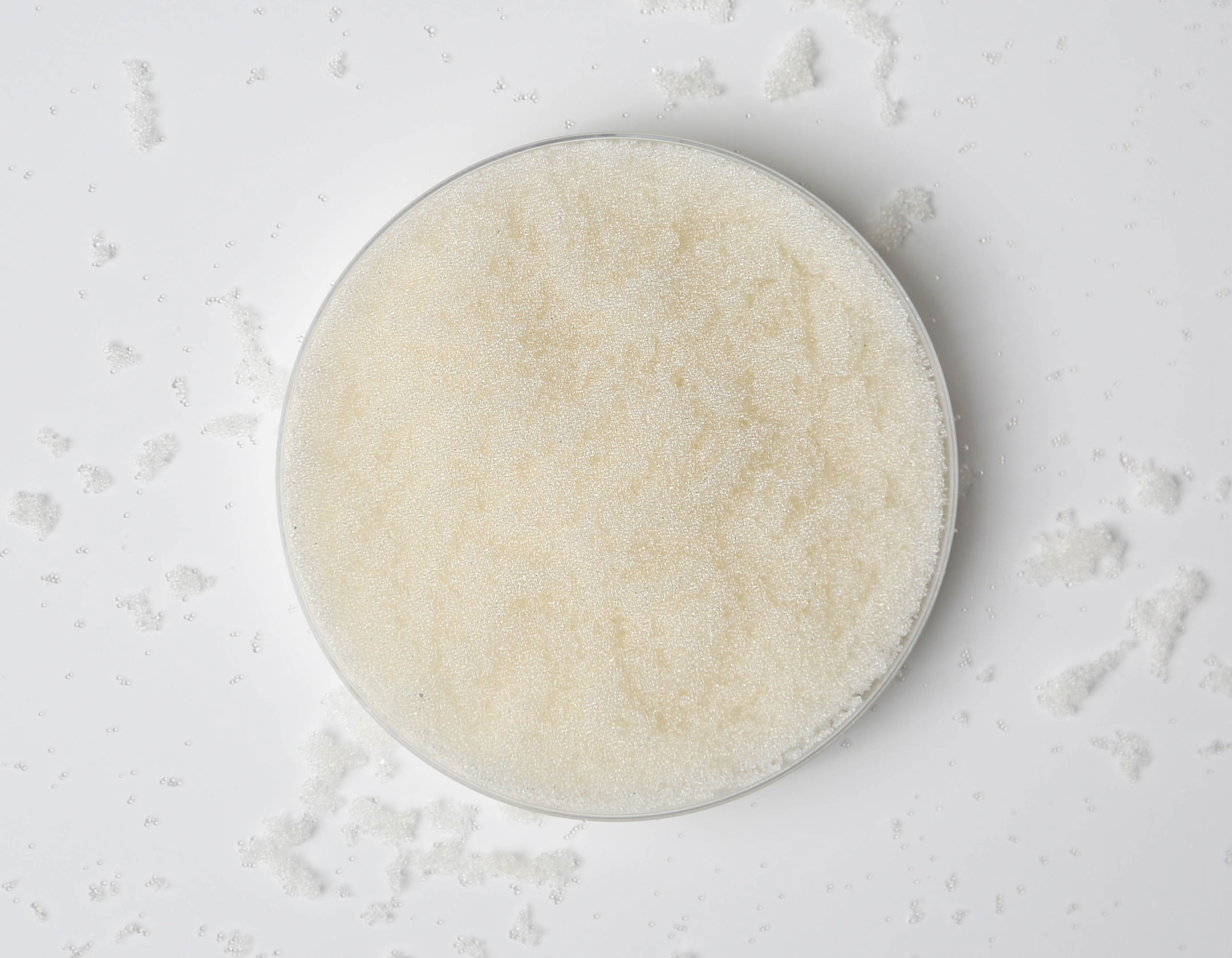
SIR-100-HP
Applications:
Nitrate Reduction, Perchlorate Reduction
SBG2-HP
Applications:
Chromate Reduction, Trace Contaminants (U, Cr, As, Se, F, ClO₄, ClO₃), Residential Applications
SBG1-HP
Applications:
Nitrate Reduction, Potable water, Trace Contaminants (U, Cr, As, Se, F, ClO₄, ClO₃)
SIR-110-HP
Applications:
Iodide Reduction, Nitrate Reduction, Perchlorate Reduction, Pertechnetate Reduction, PFAS Reduction
SBG1-HP
Applications:
Nitrate Reduction, Potable water, Trace Contaminants (U, Cr, As, Se, F, ClO₄, ClO₃)
Precious Metal Recovery
Precious metals are used in some printed circuit board applications as well as in the manufacture of automotive catalytic converters.

SIR-400
Applications:
Mercury Reduction, Previous Metals Recovery
SBG1
Applications:
Demineralization Nitrate Reduction Sulfate Reduction Trace Contaminants (U, Cr, As, Se, F, ClO₄, ClO₃)
Ready for American certainty?
Partner with ResinTech for American-made filter cartridges that create loyal customers and reliable revenue streams.
Our USA manufacturing capacity, stringent quality control, and rock-solid supply chain stability give you advantages that offshore suppliers can't match.