The removal of dissolved ions is critical in the treatment of water intended for use in steam generated power production. These ions can cause scale or corrosion if they appear in the steam cycle.
Power Generation Applications
Products designed to address challenges faced by public & private utility operators including nuclear, fossil, and co-generation power stations worldwide. Some applications include make-up feed water treatment, condensate polishing, and radwaste treatment.
Applications
.png)
Carbonate Reduction
%20(1).png)
Carbonate is a form of alkalinity (along with bicarbonate and carbon dioxide). Carbonates readily combine with many divalent cations (especially calcium) to form a precipitant. Calcium carbonate precipitation is quite common in waters where the pH is > 9. Carbonate can be removed by various strong base anion resins and can be neutralized (acidified) by various cation resins.

.png)
Commercial Softening
Commercial softening applications may require high flow rates or low hardness leakage. Equipment design and regeneration techniques become important in these applications.
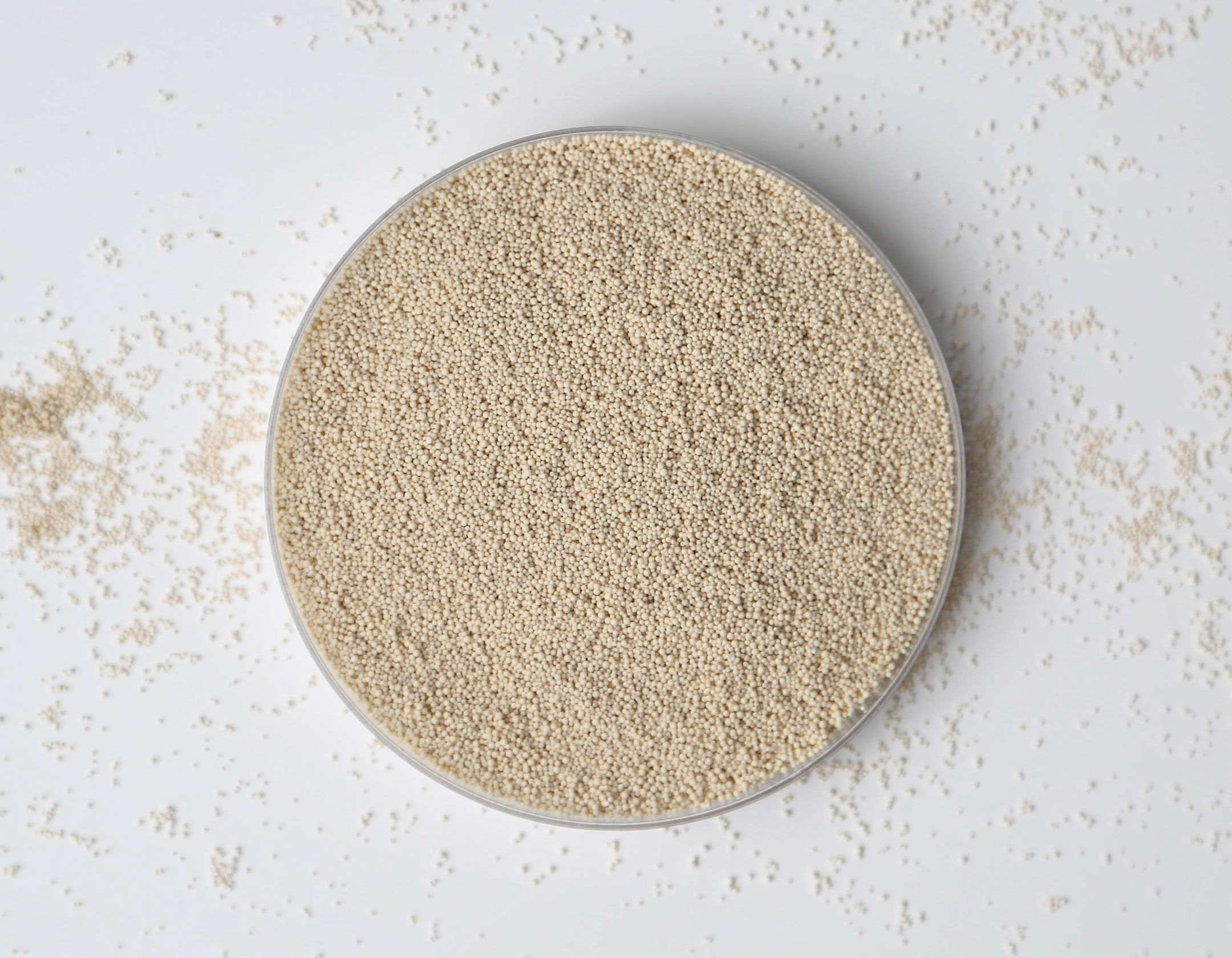
Condensate Polishing
Condensed steam in the power cycle is relatively pure but may contain some metal oxides and low levels of dissolved ions. The condensate must undergo purification before reuse.
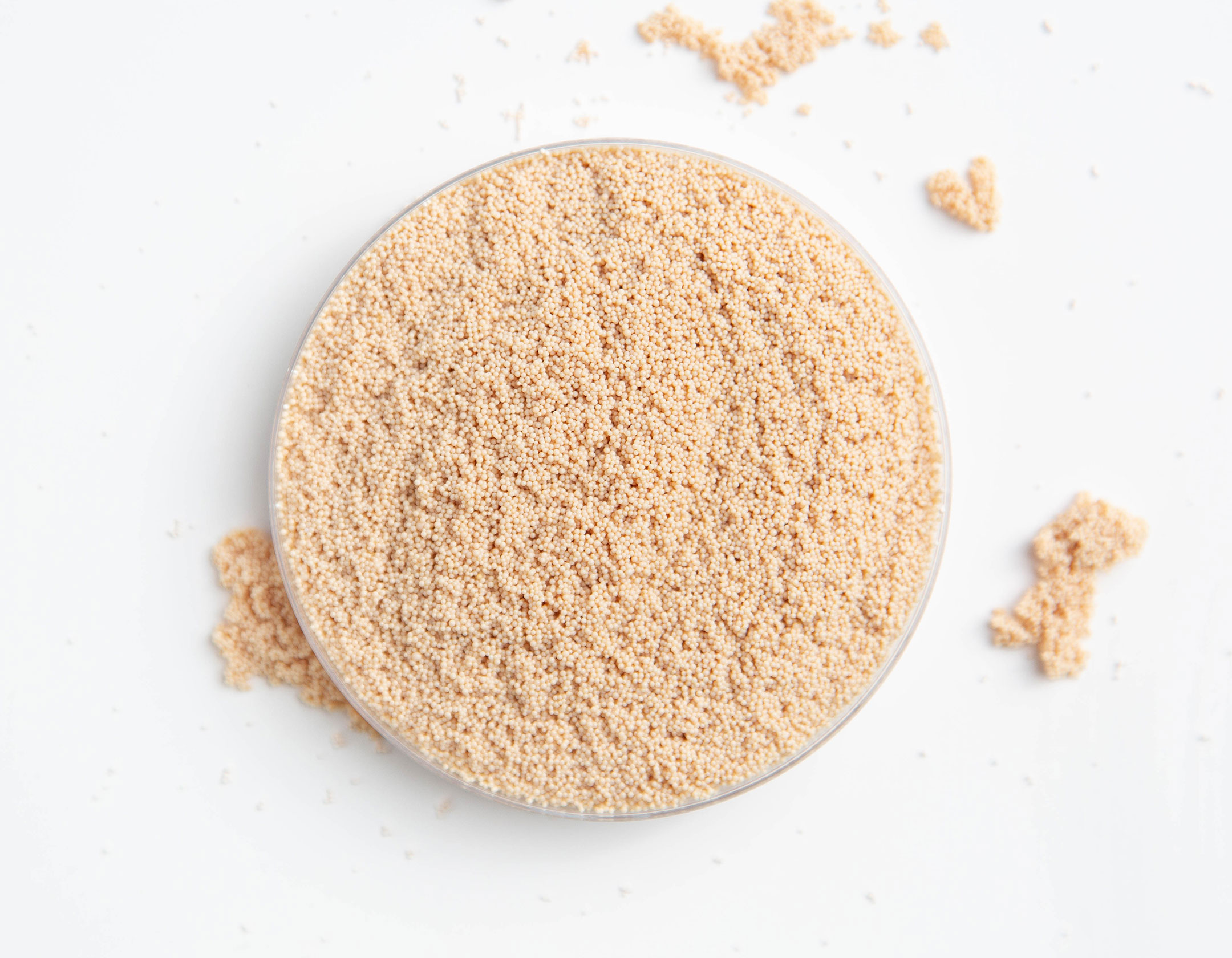
Cooling Tower
Water in cooling towers is used for many cycles and it is important to minimize the potential for scaling. This is accomplished by the removal of hardness ions and also by the addition of conditioning chemicals.
Demineralization / DI
High pressure steam generation requires the removal of all dissolved solids. This can be accomplished with two bed (cation-anion) units or a mixed bed deionizer. It is common practice today to pretreat with reverse osmosis and then deionize with ion exchange.
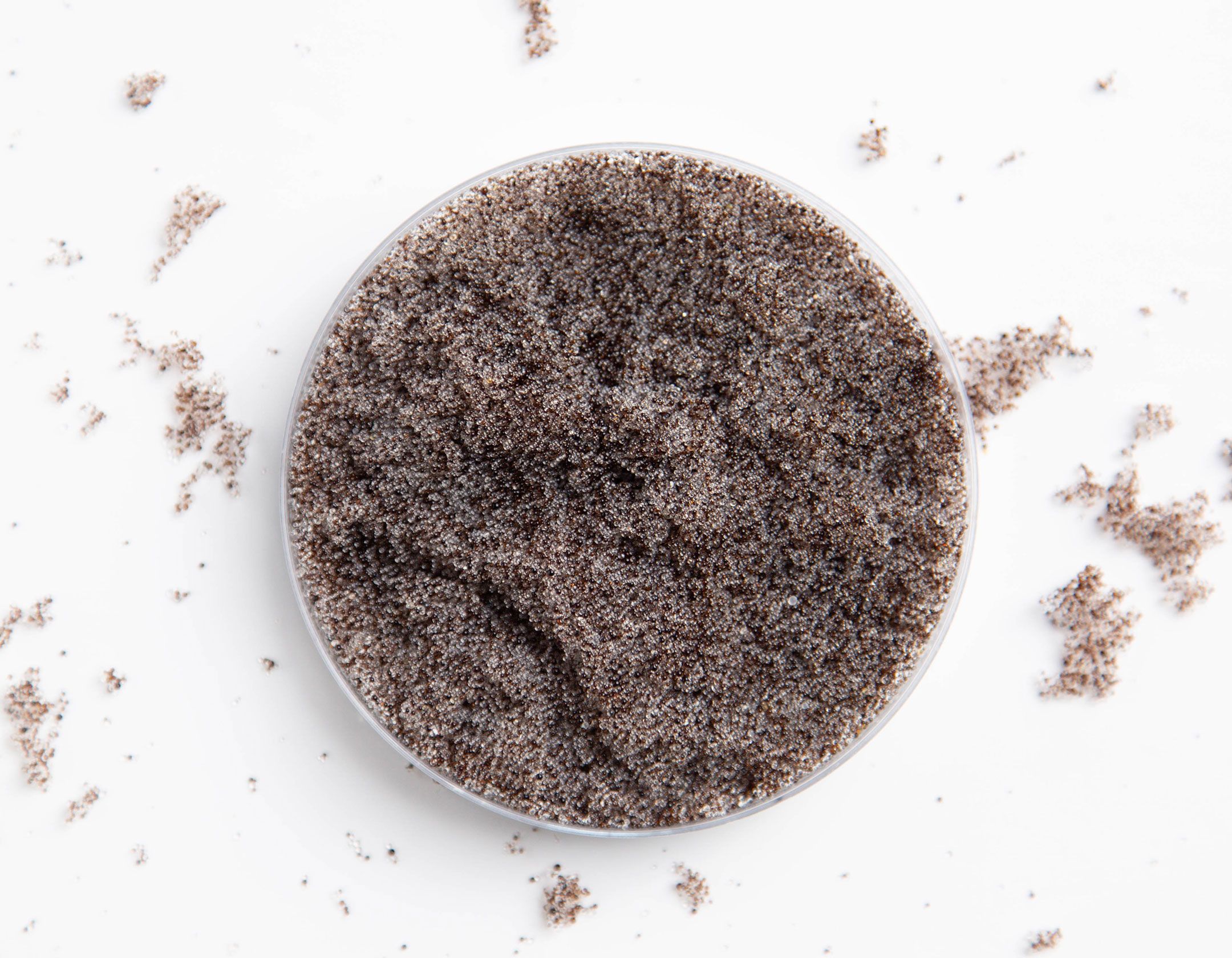
Metals Reduction
Metal oxides are present in condensate streams and must be removed by filtration if present as suspended solids, or by ion exchange if present as dissolved solids.
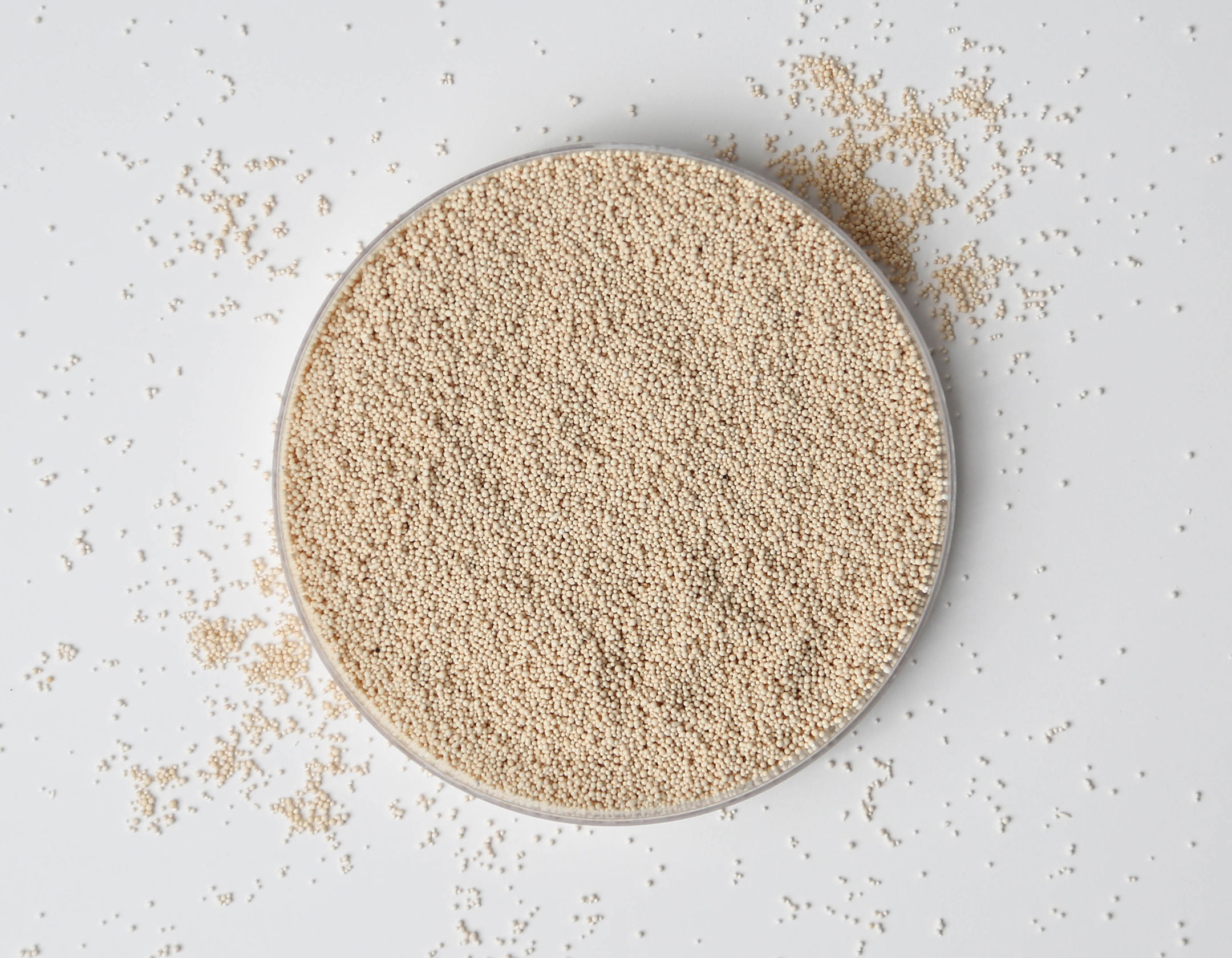
Organics Reduction (TOCs)
Naturally occurring organic matter (NOM) is readily removed by strong base anion resins. Acrylic strong base resins and styrenic resins with high porosity work better because they are easier to regenerate.
Radwaste Treatment
Nuclear power plants will generate low level contaminated liquid waste from floor runoff, washing operations, and fuel pool maintenance that can be treated to concentrate the contaminants and reduce the volume of waste.
Ready for American certainty?
Partner with ResinTech for American-made filter cartridges that create loyal customers and reliable revenue streams.
Our USA manufacturing capacity, stringent quality control, and rock-solid supply chain stability give you advantages that offshore suppliers can't match.
Our USA manufacturing capacity, stringent quality control, and rock-solid supply chain stability give you advantages that offshore suppliers can't match.