Residential / Commercial Water Applications

Products designed to address “potable” water challenges that arise downstream from the municipality in residential, commercial, and institutional environments including POE and POU applications. Includes the removal of DBPs and other contaminants that may accumulate from during distribution, improving water aesthetics, and preserving delivery system and fixtures by mitigating any corrosive or scale potential.

Applications

As
Arsenic Reduction

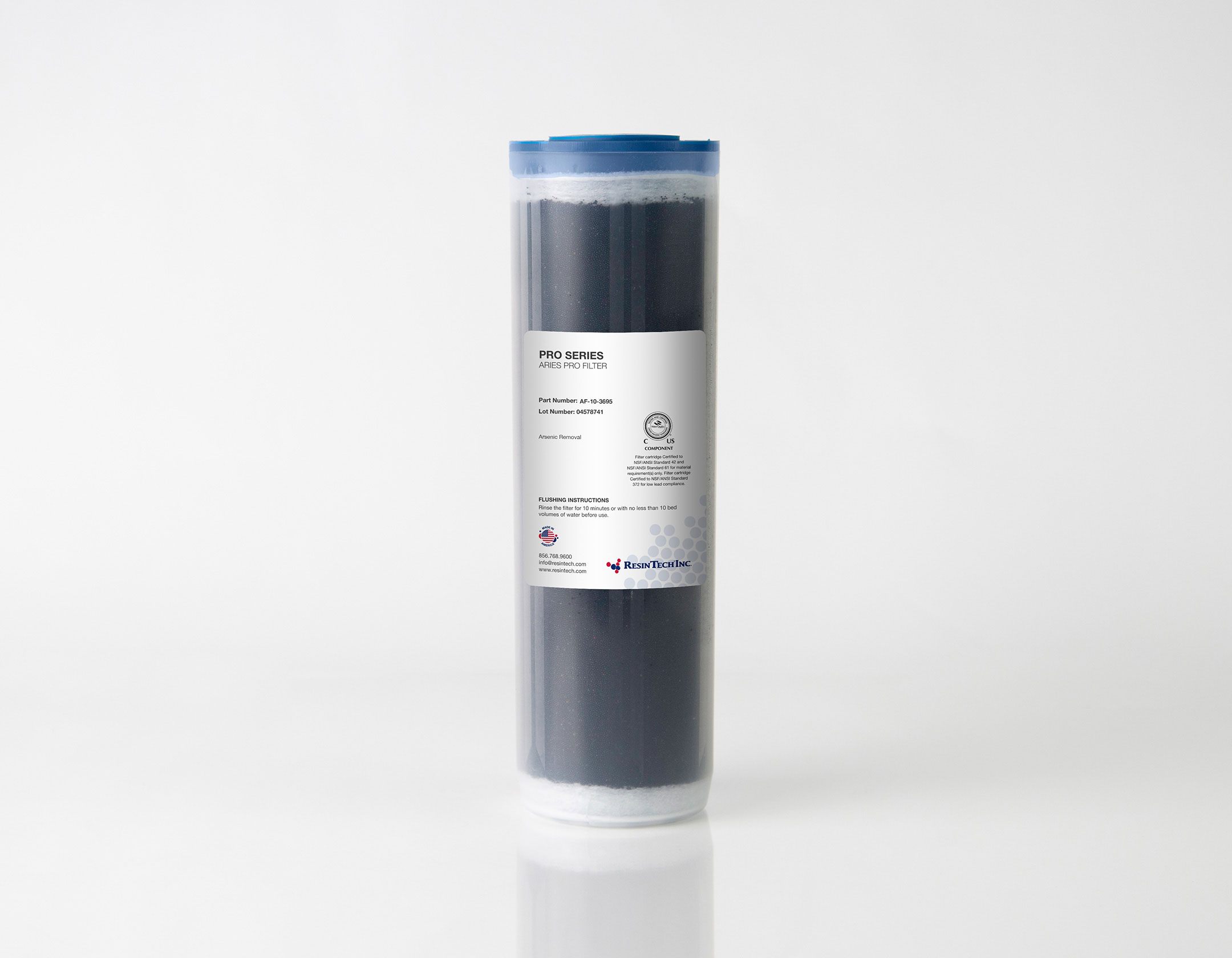
Arsenic is a chemical element with symbol As and atomic number 33. Arsenic occurs in many minerals, usually in combination with sulfur and metals, but also as a pure elemental crystal. Arsenic is a metalloid. It has various allotropes, but only the gray form is important to industry.The primary use of metallic arsenic is in alloys of lead (for example, in car batteries and ammunition). Arsenic is a common n-type dopant in semiconductor electronic devices, and the optoelectronic compound gallium arsenide is the second most commonly used semiconductor after doped silicon. Arsenic and its compounds, especially the trioxide, are used in the production of pesticides, treated wood products, herbicides, and insecticides. These applications are declining, however A few species of bacteria are able to use arsenic compounds as respiratory metabolites. Trace quantities of arsenic are an essential dietary element in rats, hamsters, goats, chickens, and presumably many other species, including humans.Arsenic is notoriously poisonous to multicellular life. Arsenic trioxide compounds are widely used as pesticides, herbicides and insecticides. As a result, arsenic contamination of groundwater supplies is a problem that affects millions of people around the world.

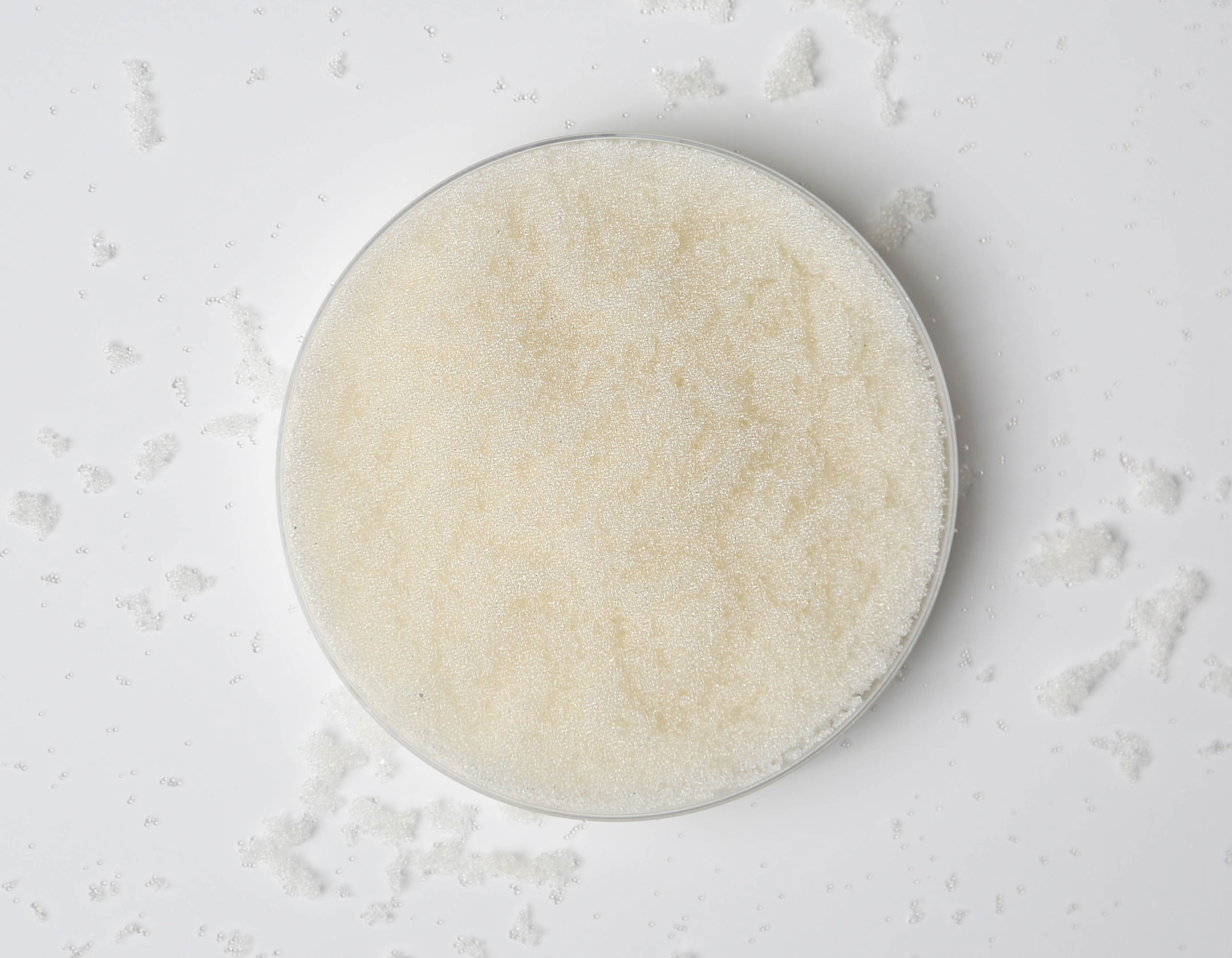
Arsenate is a divalent anion with affinity for anion resins similar to but slightly lower than that of sulfate Arsenate can be exchanged by strong base anion exchange resins and then adsorbed into the iron hybrid adsorbent of ASM-10-HP.

Except for Gallium arsenide (used a semiconductor), other arsenide compounds are generally only of academic interest. Gallium arsenide is an important semiconductor because it has much lower electrical resistance than silicon and therefore lower power use and less heat generation.

In most cases arsenite should be oxidized to arsenate so that it is converted to a form more easily removed. Oxidation can be accomplished with chlorine or with oxygen catalyzed by various redox medias.
ASM-10-HP
Applications:
Arsenic Reduction
Silica Reduction
Phosphate Removal
SBG1-HP
Applications:
Dealkalizer
Demineralization / DI
Trace Contaminant Removal
SBG2-HP
Applications:
Dealkalizer
Demineralization / DI
Trace Contaminant Removal
Cl₂
Chlorine / Chloramine Reduction

Chlorine is a chemical element with symbol Cl and atomic number 17. The second-lightest of the halogens, it appears between fluorine and bromine in the periodic table and its properties are mostly intermediate between them. Chlorine is a yellow-green gas at room temperature. It is an extremely reactive element and a strong oxidising agent: among the elements, it has the highest electron affinity and the third-highest electronegativity, behind only oxygen and fluorine.The most common compound of chlorine, sodium chloride (common salt), has been known since ancient times. Around 1630, chlorine gas was first synthesised in a chemical reaction, but not recognised as a fundamentally important substance. Carl Wilhelm Scheele wrote a description of chlorine gas in 1774, supposing it to be an oxide of a new element. In 1809, chemists suggested that the gas might be a pure element, and this was confirmed by Sir Humphry Davy in 1810, who named it from Ancient Greek: χλωρός khlôros “pale green” based on its colour.

Chlorine is normally present in water as hypochlorous anion and is removed by strong base anion resins.

(Sodium) hypochlorite is widely used as a bleaching agent; in water treatment as a disinfectant. It is the strongest oxidant among the oxo-chloride series, chlorite, chlorate, or perchlorate.

-
Disinfection By-Product Removal (DBP)

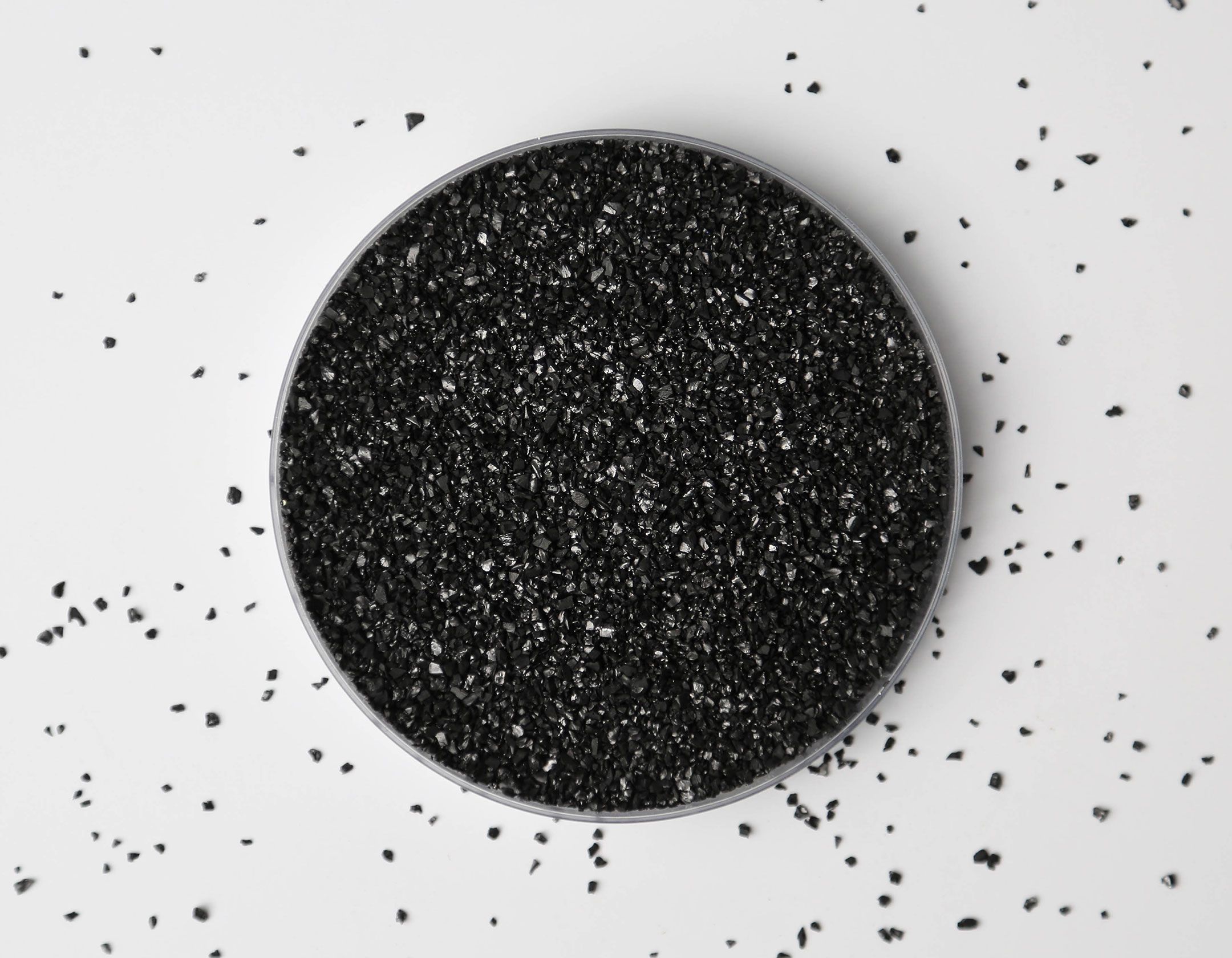
Disinfection By-Product (DBP) are formed when chlorine reacts with organic compounds in water supplies. The removal of organic prior to chlorination can eliminate the DBP potential, otherwise the DBPs need to be removed by activated carbon.

AGC-40 X
Applications:
Dechlorination
Taste & Odor Correction
Organics
AGC-40 XA
Applications:
Dechlorination
Taste & Odor Correction
Organics
AGC-40-MG
Applications:
Chlorine Reduction
Medical
Organics Reduction
Pharmaceutical
AGC-40 C
Applications:
Dechlorination
Taste & Odor Correction
Organics
AGC-40 CA
Applications:
Dechlorination
Taste & Odor Correction
Organics
AGC-50 X
Applications:
Dechlorination
Taste & Odor Correction
Organics
SBG2
Applications:
Dealkalizer
Demineralization / DI
Trace Material Reduction
Chloramine Filter
Applications:
Chloramine Removal
Taste & Odor Correction
Nitrate Reduction

Nitrite is used as an antioxidant to preserve meats and as a pH stabilizer and corrosion inhibitor in cooling loops. Nitrite is removed by strong base anion resin but since its affinity is similar to that of chloride, throughput capacity is usually limited.

SIR-100-HP
Applications:
Cartridge Applications
Nitrate Removal
Perchlorate Removal
SBG1
Applications:
Dealkalizer
Demineralization / DI
Trace Contaminant Removal
SBG2-HP
Applications:
Dealkalizer
Demineralization / DI
Trace Contaminant Removal
SBG1-HP
Applications:
Dealkalizer
Demineralization / DI
Trace Contaminant Removal
SIR-110-HP
Applications:
Drinking Water Purification
Cartridge Applications
Iodide Removal
Nitrate Removal
Pertectnetate Removal
Nitrate Water Reduction
Applications:
Nitrate Removal
Organics Reduction (TOCs)

Naturally occurring organic matter (NOM) is readily removed by strong base anion resins. Acrylic strong base resins and styrenic resins with high porosity work better because they are easier to regenerate.

SBACR-MP-HP
Applications:
Drinking Water Purification
Tannin
SX-A40-A
Applications:
Sugar Decolorization
Sugar De-ashing
Tannin
SBACR-MP
Applications:
Municipal Drinking Water
Tannin
PFAS Remediation

PFAS compounds have been used in industry and consumer products worldwide since the 1940s. Their remarkable hydro- and oleophobic characteristics (ability to repel both oil and water) give them utility in a seemingly endless array of applications including nonstick cookware, water repellent clothing, stain resistant fabrics and carpets, product packaging, some cosmetics, some firefighting foams, and literally tens of thousands of other products that resist grease, water, and oil.

More than 500 forever chemicals are being actively used in products and industries around the world. A United States Environmental Protection Agency (EPA) toxicity database, DSSTox, lists over 14,700 PFAS compounds in existence, while other toxicity databases lists many multiples more.

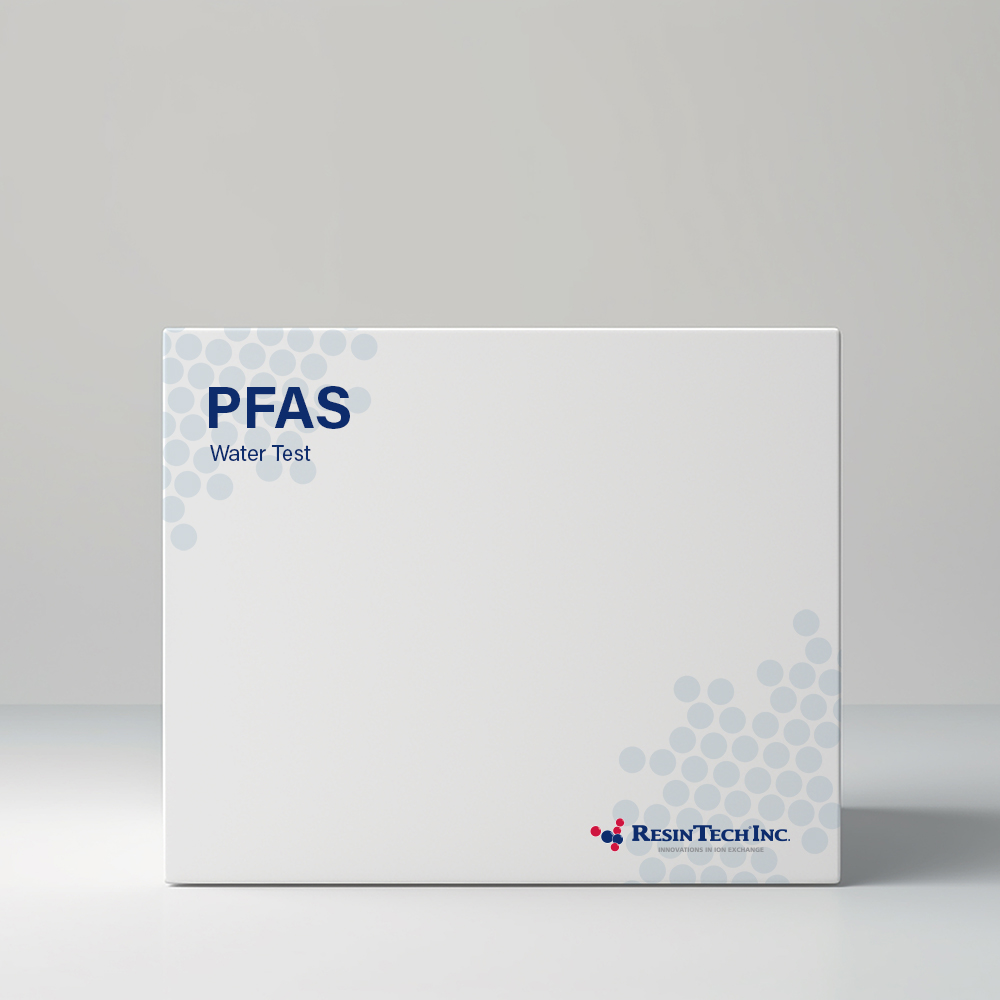
ResinTech offers a variety of PFOS & PFAS remediation options, including PFOS filtration and PFOS testing kits to help you identify and remove these chemicals from your needed water.

Want to learn more?

SIR-110-HP
Applications:
Drinking Water Purification
Cartridge Applications
Iodide Removal
Nitrate Removal
Pertectnetate Removal
AGC-PFx
Applications:
Dechlorination
Taste & Odor Correction
PFAS Removal
Organics
SIR-110-MP-HP
Applications:
Drinking Water Purification
Cartridge Applications
Iodide Removal
Nitrate Removal
Perchlorate Removal
Residential Scale Prevention

Hardness ions, comprised of calcium and magnesium, can cause scaling of heated surfaces and shorten the life of appliances such as hot water heaters, dishwashers, and washing machines. The presence of1 hardness in water leads to greater soap consumption in laundry and cleaning operations.

WACG-HP
Applications:
pH Correction of Acidic Waters
Drinking Water Purification
Acidity
Lead Removal
Temporary Hardness Removal
CG8
Applications:
Demineralization / DI
Softening
AGC-40 C
Applications:
Dechlorination
Taste & Odor Correction
Organics
CGS
Applications:
Softening
CGS-BL
Applications:
Softening
CNS-F
Applications:
Iron Reduction
Softening - Residential
SBG2
Applications:
Dealkalizer
Demineralization / DI
Trace Material Reduction
Residential Softening

Hardness ions, comprised of calcium and magnesium, can cause scaling of heated surfaces and shorten the life of appliances such as hot water heaters, dishwashers, and washing machines. The presence of1 hardness in water leads to greater soap consumption in laundry and cleaning operations.

-
Ready for American certainty?
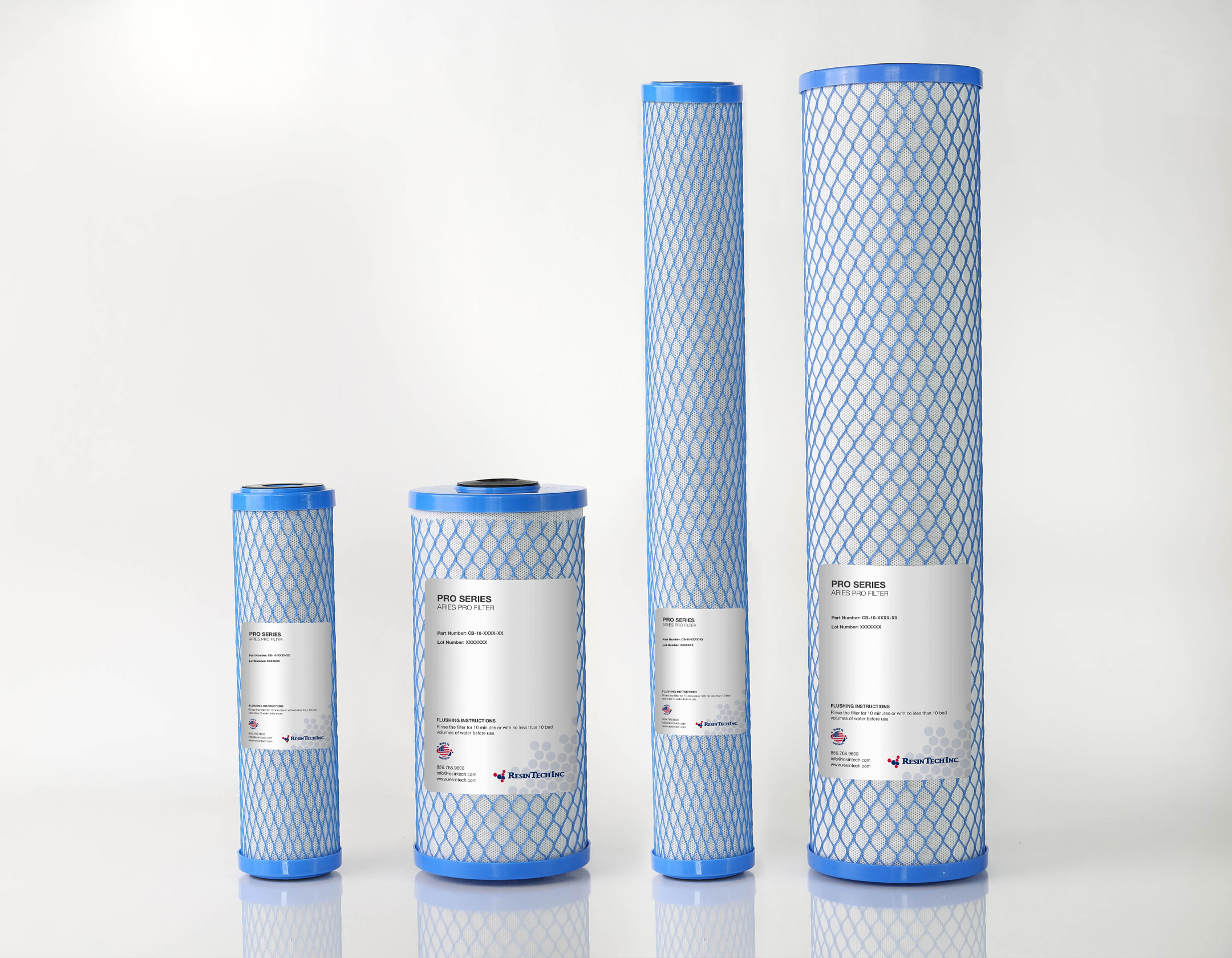
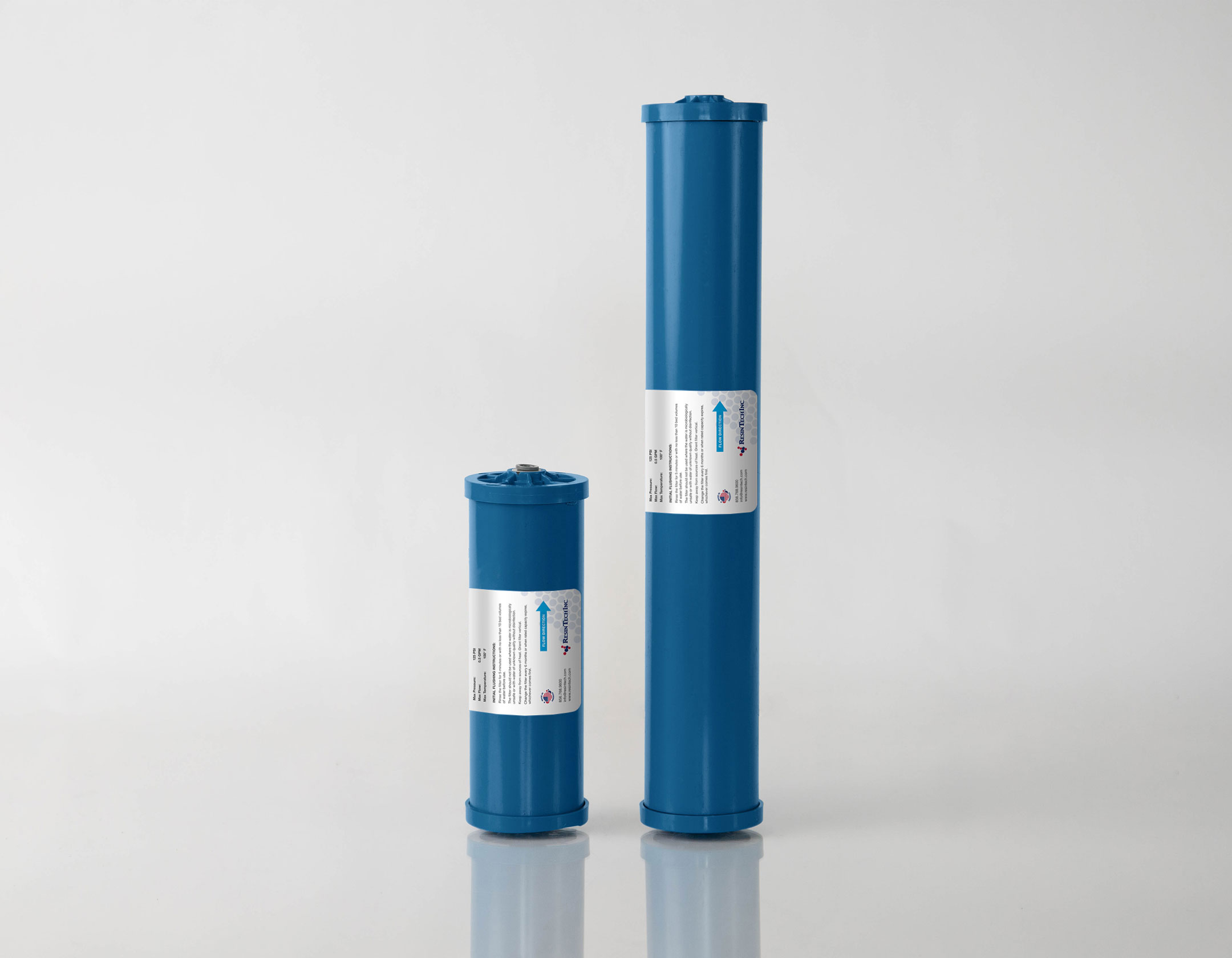
Partner with ResinTech for American-made filter cartridges that create loyal customers and reliable revenue streams.
Our USA manufacturing capacity, stringent quality control, and rock-solid supply chain stability give you advantages that offshore suppliers can't match.