SBMP1

SBMP1
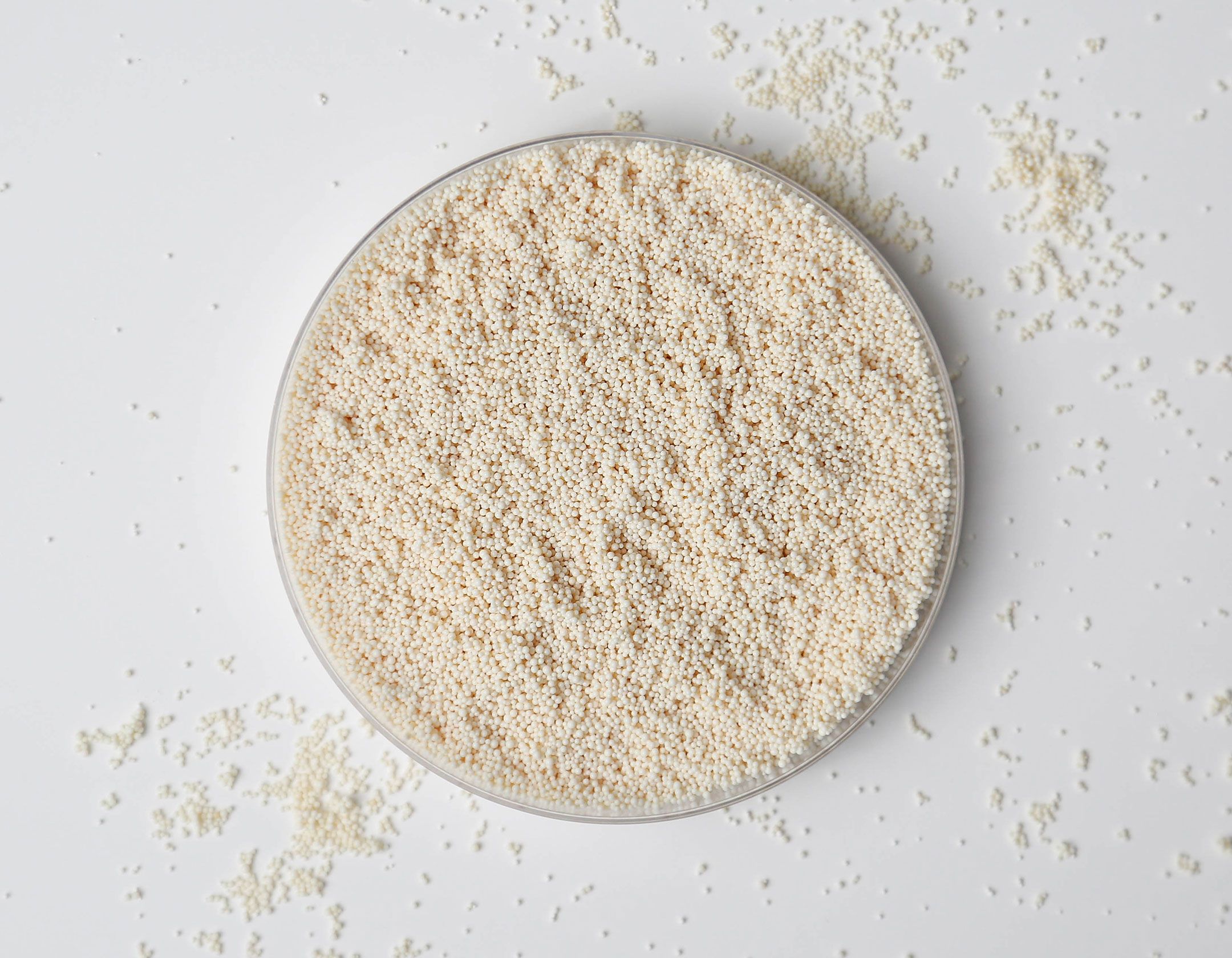
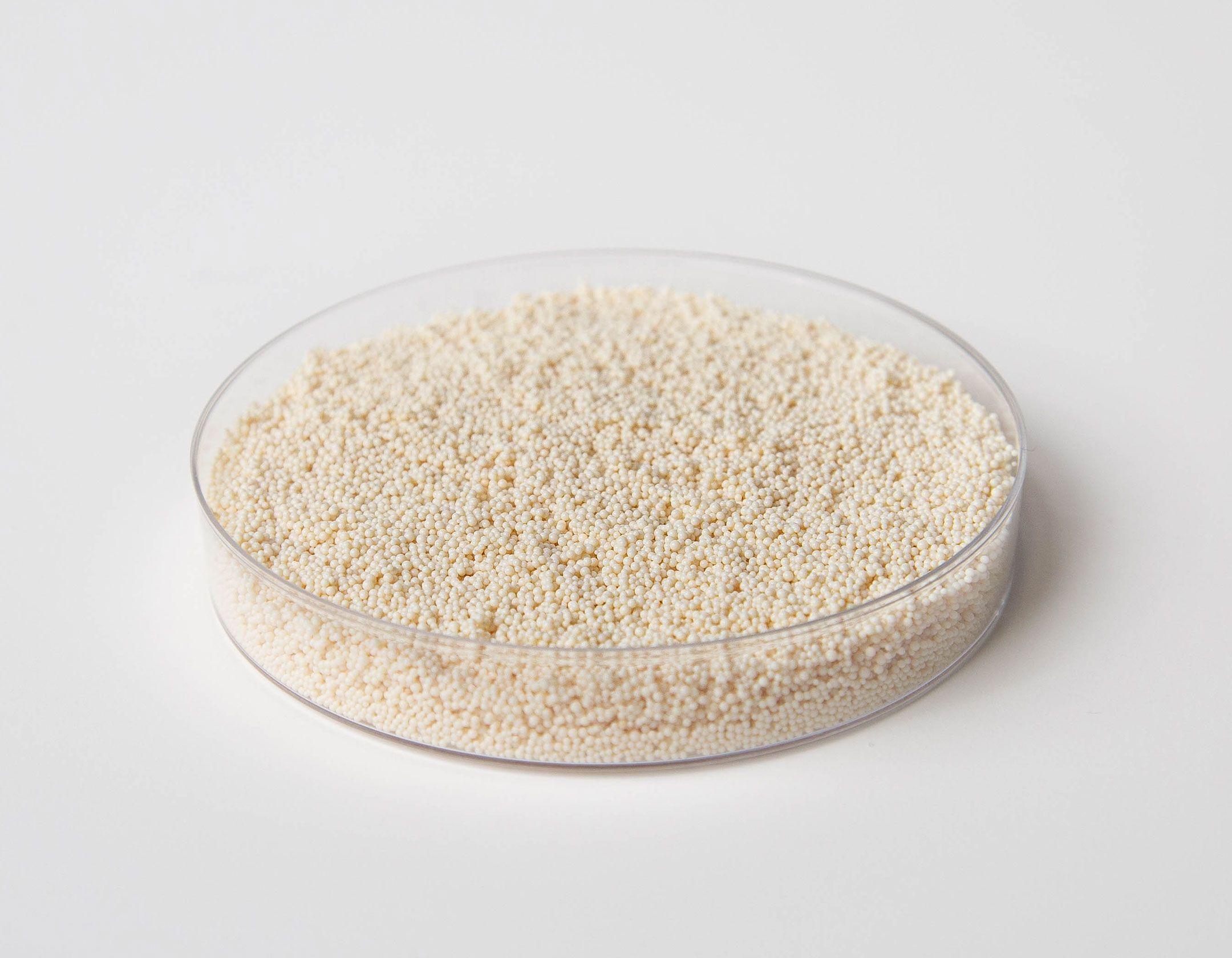
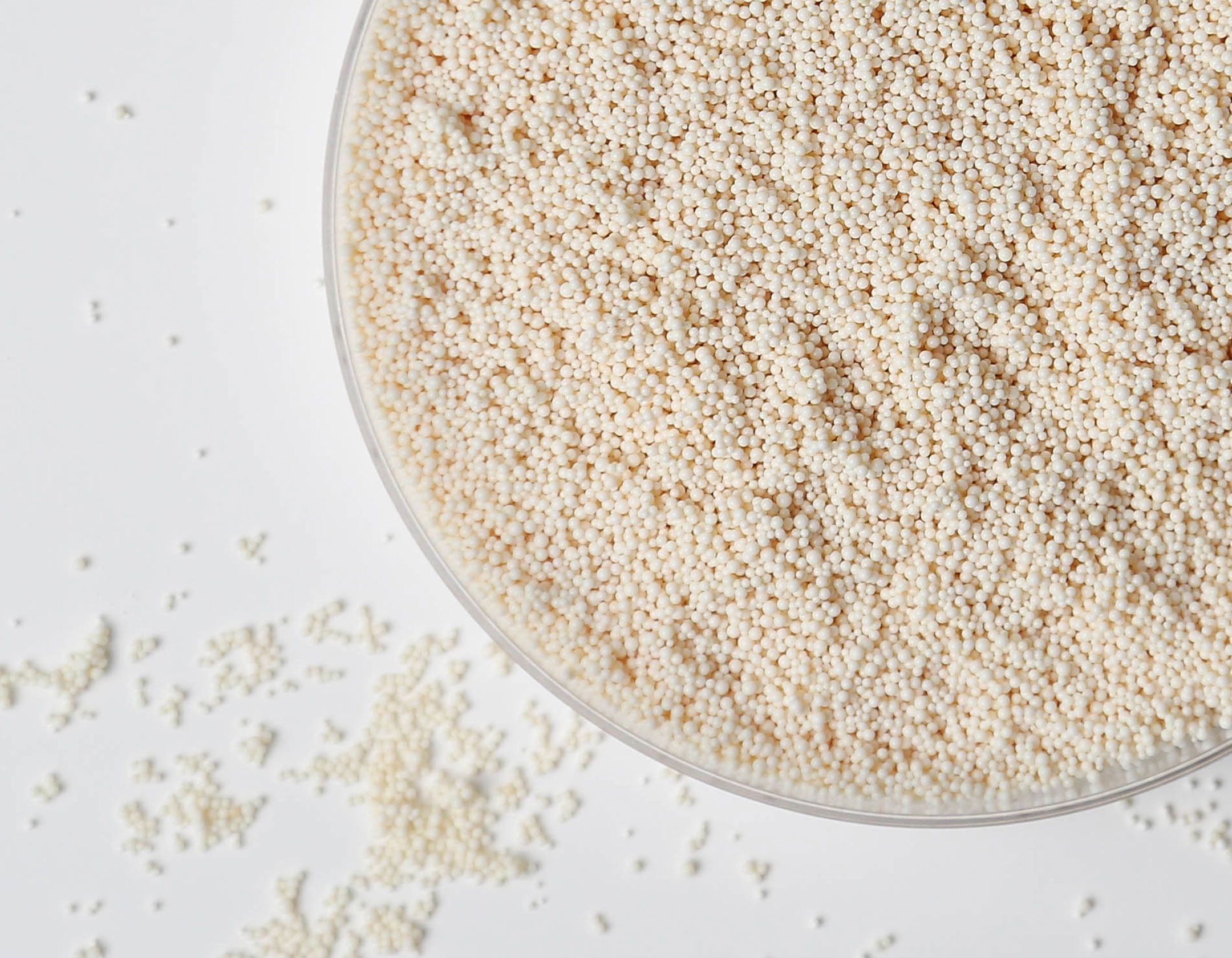
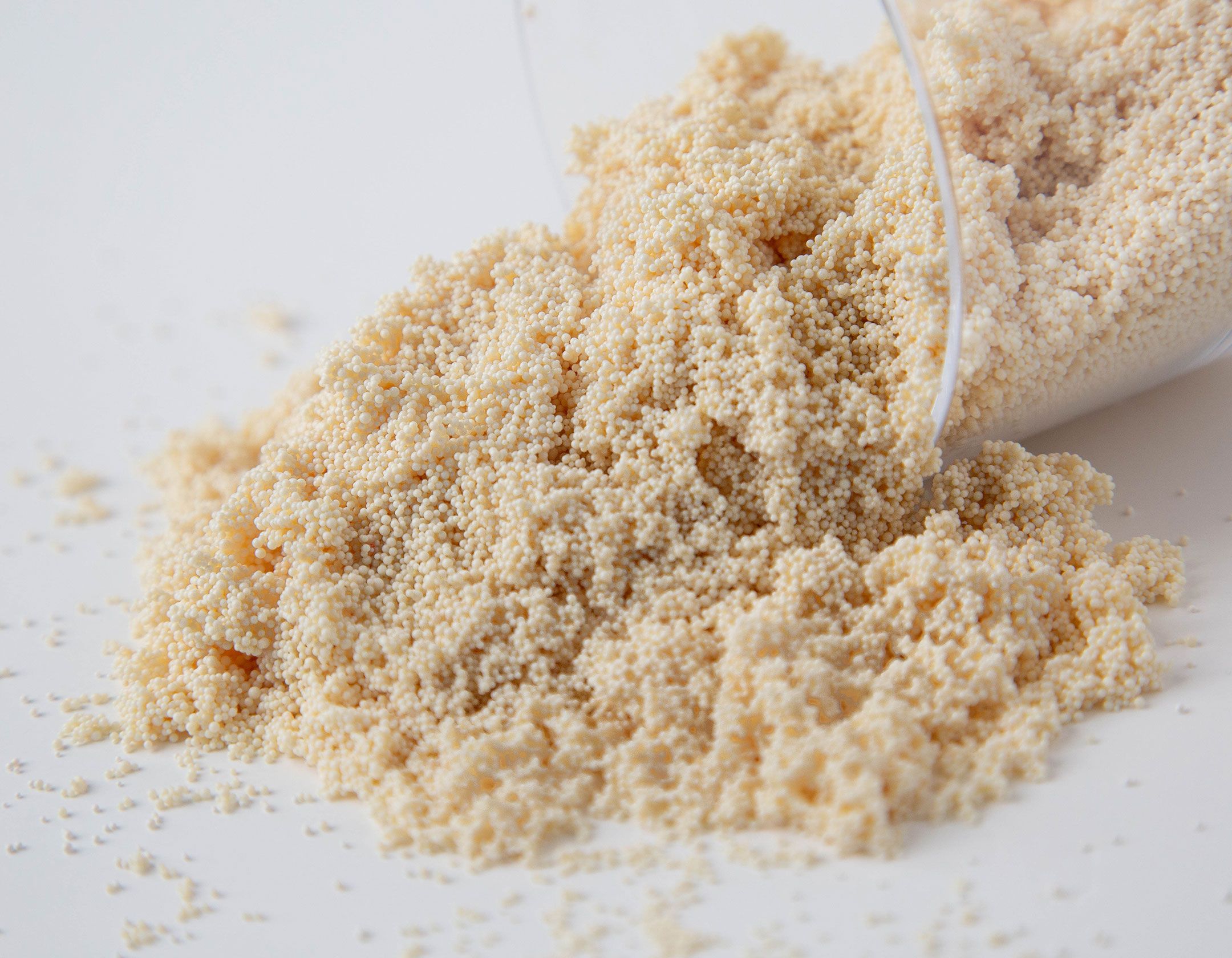
ResinTech SBMP1 is a chloride form type 1 macroporous strong base anion resin. It is optimized for waters that punish other anion resins. SBMP1 is intended for high flow rate and high-temperature polishing applications, and for other applications that require the highest possible physical strength and chemical durability.


Thank you! Your submission has been received!
Oops! Something went wrong while submitting the form.
Need more than a sample?
Click "Contact Sales" to order by the pallet, truckload, or other cubic foot containers.
Click "Contact Sales" to order by the pallet, truckload, or other cubic foot containers.

Product Description
ResinTech SBMP1 is a chloride form type 1 macroporous strong base anion resin. It is optimized for waters that punish other anion resins. SBMP1 is intended for high flow rate and high-temperature polishing applications, and for other applications that require the highest possible physical strength and chemical durability.
Features and Benefits
- Macroporous structure
- Organic fouling resistance
- Superior physical stability
- Complies with US FDA regulations
Applications
Dealkalizer
Demineralization / DI
Trace Contaminant Removal
DBP
Potable Water
Contaminants
Chloride
Sulfate
Nitrate
Carbon Dioxide
Silica
Bicarbonate
Alkalinity
Hydroxide
Carbonate
Bromine
Molybdenum (Molybdate)
Organics
Platinum
Tannins
Tungsten (Tungstate)
Markets
Drinking Water (Residential & Commercial),Ground Water & Wastewater,Industrial Water,Municipal Water
Certifications
Kosher Certified
Meets NSF/ANSI/CAN 372
Meets NSF/ANSI/CAN 61
WQA Gold Seal Certified
Conforms to ❡21CFR173.25 of the USFDA Food Additives Regulations
Free Resources to Make Your Job Easier
Physical Properties
Products
SBMP1
SKU
SBMP1
Polymer Matrix
Styrene/DVB
Ionic Form
Chloride (Cl⁻)
{"Functional Group":"Trimethylamine","Physical Form":"Spherical Beads","Media Color":"Tan to Brown","Grade":"Standard","Mesh Type":"Standard","Particle Size Range":"20 - 50 US mesh (841μ - 297μ)","Minimum Sphericity %":95,"Moisture Retention (%)":"56 to 60","Reversible Swelling":"18 to 25% (Cl → OH)","Max Continuous Temp":"170°F (77°C)","Max Pressure Loss":"20 psi (138 kPa)","Capacity (meq/mL)":1.1,"Ship. Wt. (lbs/cu.ft.)":42,"Shipping Weight":"41 - 43 lbs/cu.ft. (657 - 689 g/L)","Uniformity Coefficient":1.6}