¿Qué quieres eliminar?
¿Necesita eliminar un elemento específico u otro contaminante?
Haga clic aquí para buscarlo y encontrar medios que puedan ser candidatos eficaces para su solicitud.
Solicitudes
%20(1).png)
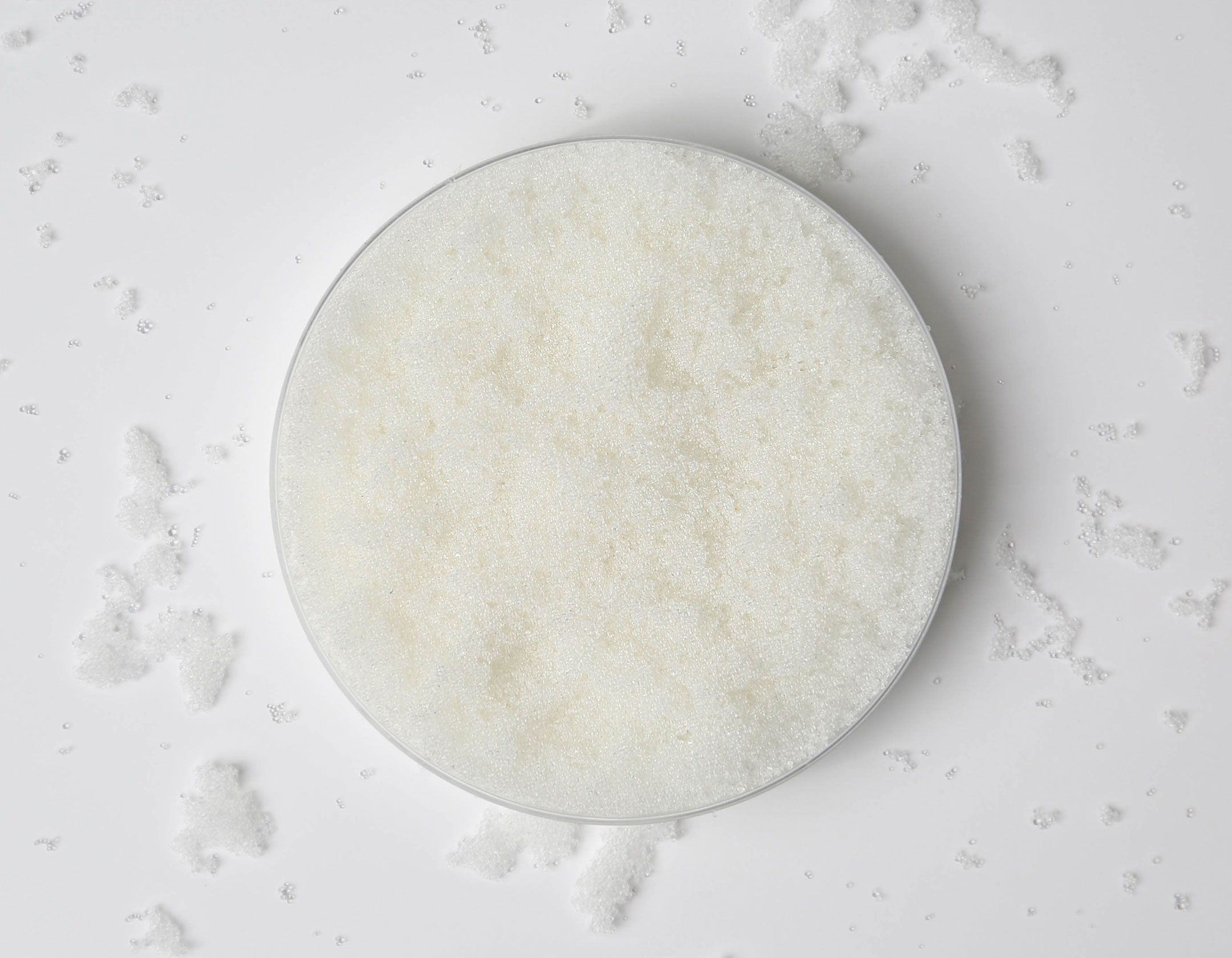
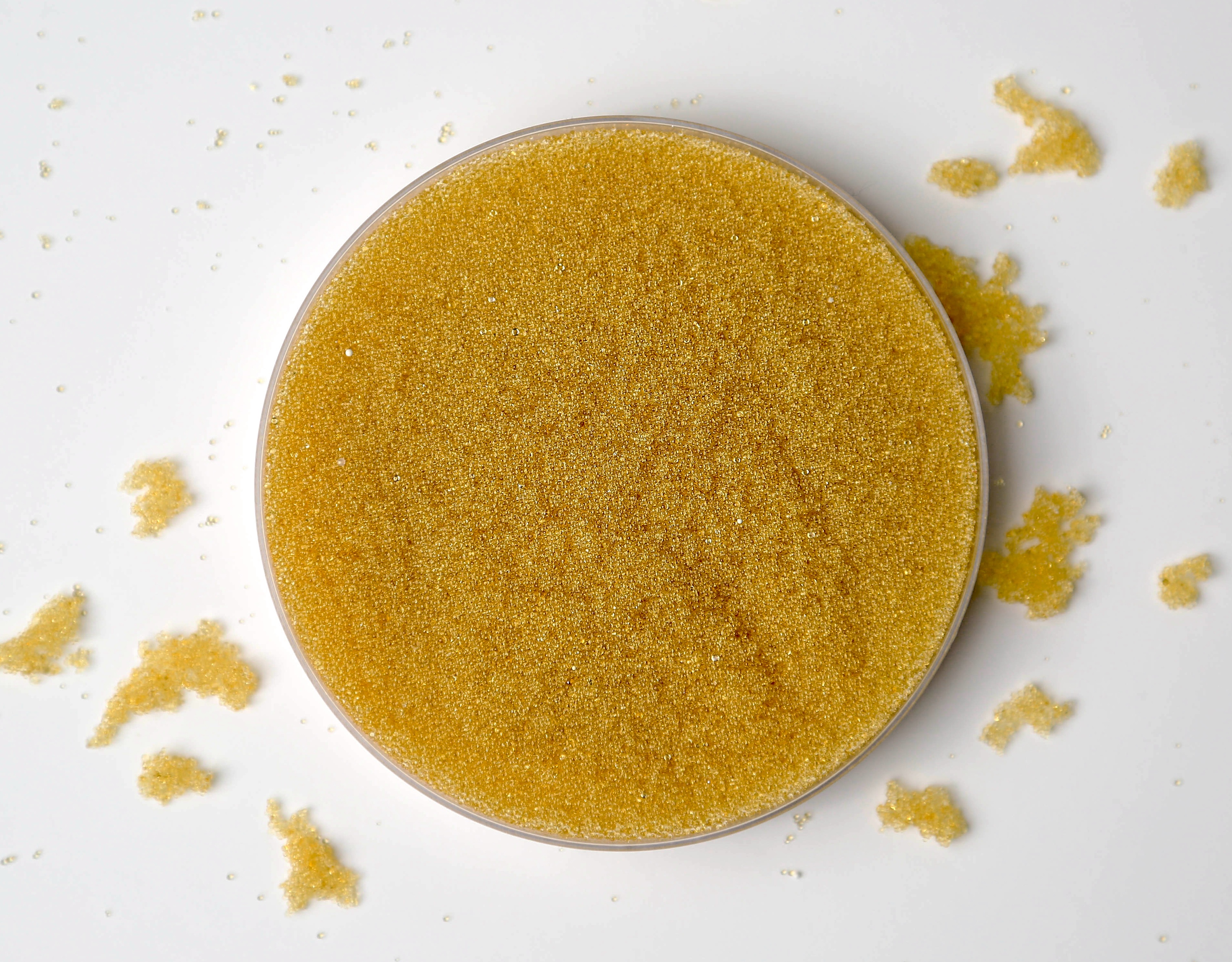
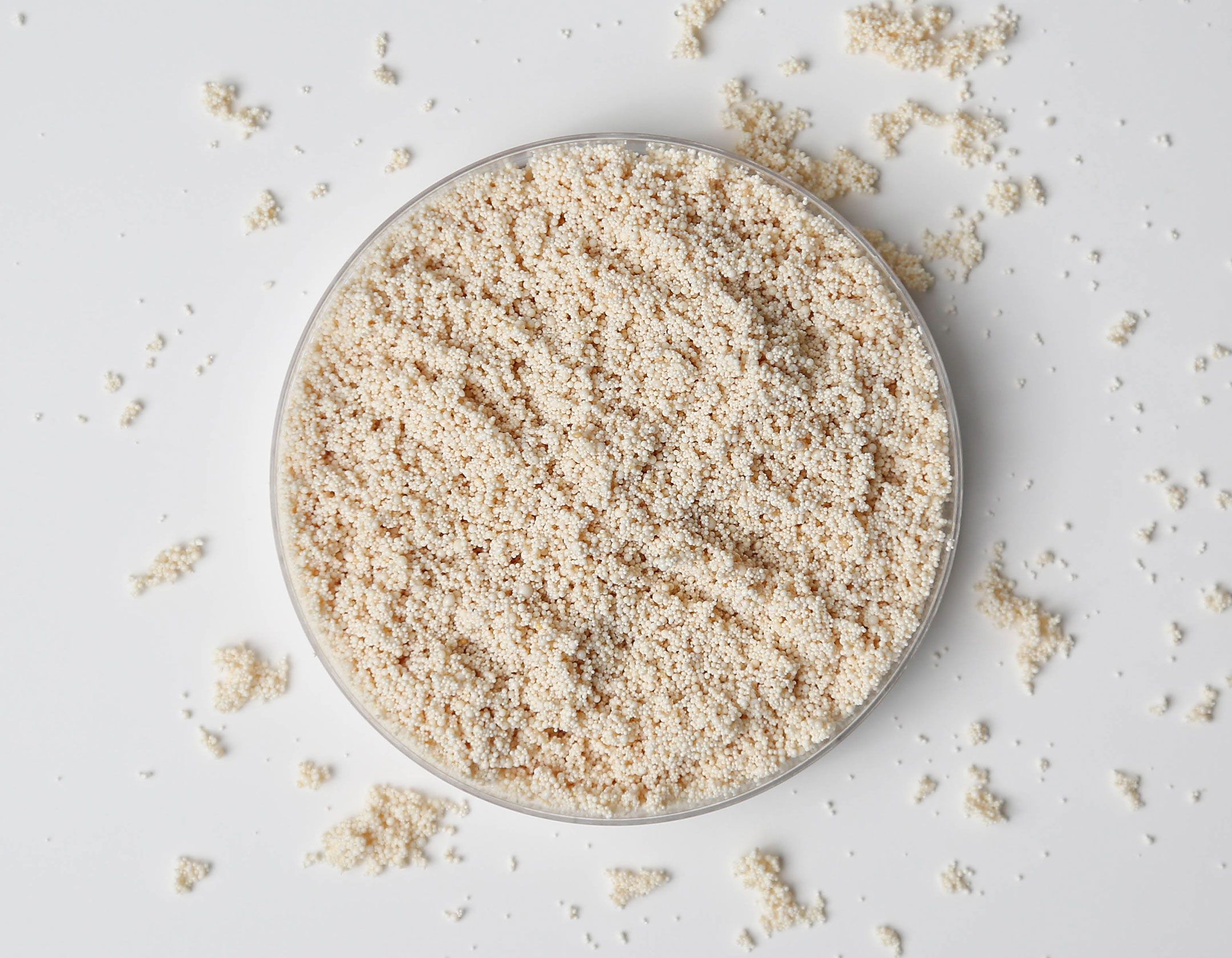
La alcalinidad se define como cualquier compuesto con la capacidad de neutralizar la acidez. Aunque generalmente pensamos en la alcalinidad como las especies dióxido de carbono, bicarbonato y carbonato, también incluye amoníaco, borato e incluso sulfato.
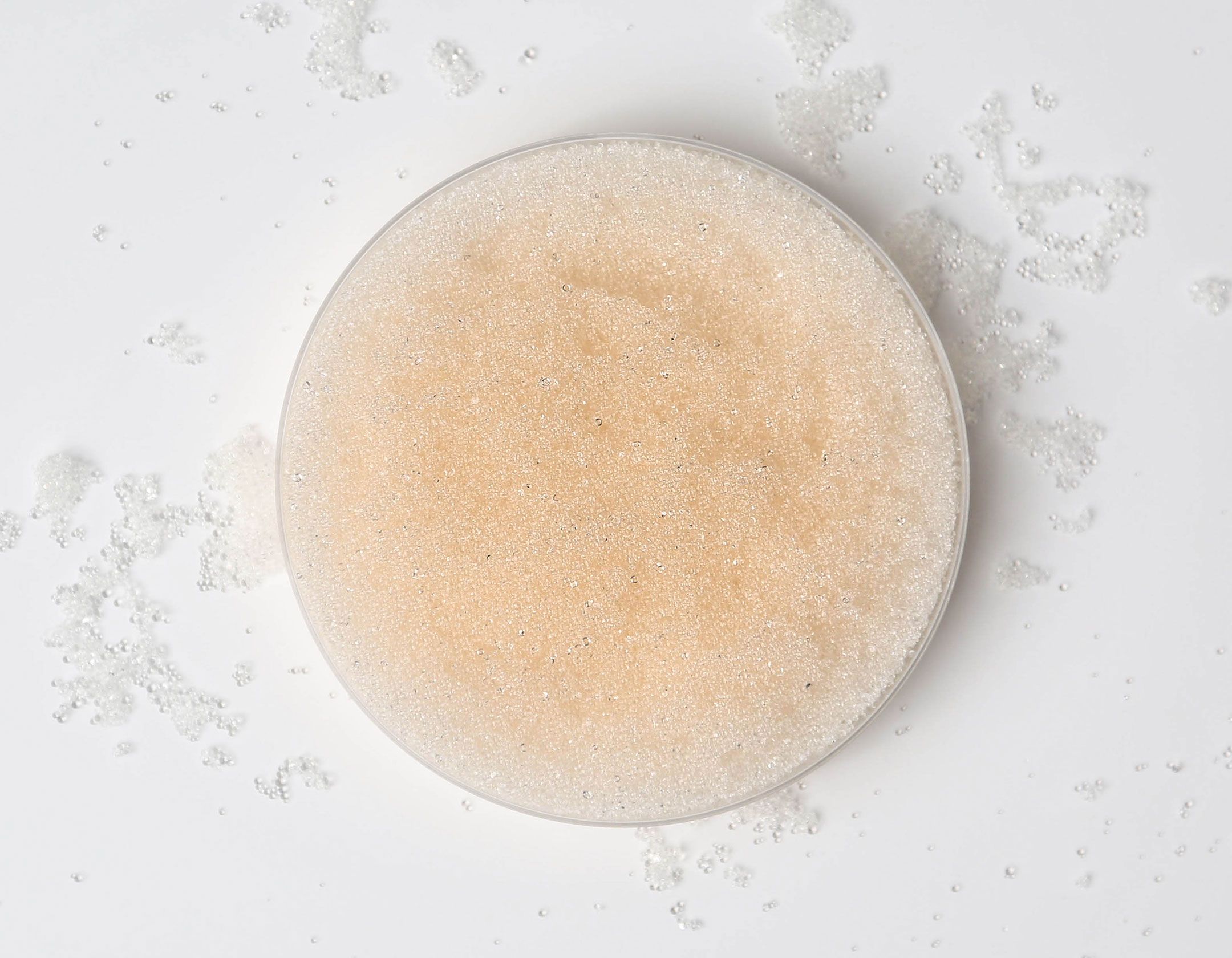
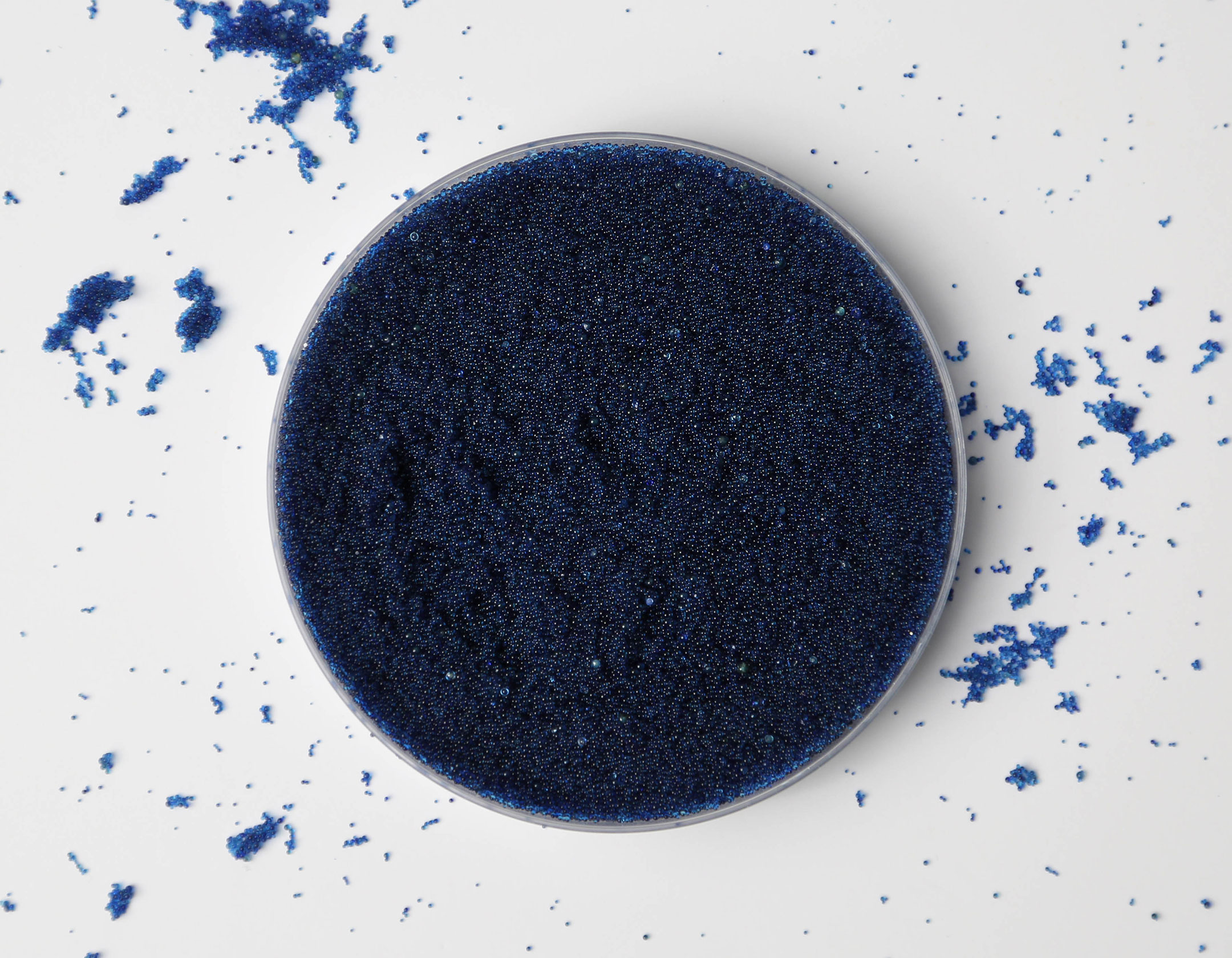
El aluminio es un elemento químico del grupo del boro con símbolo Al y número atómico 13. Es un metal dúctil, no magnético, blando y de color blanco plateado. El aluminio es el tercer elemento más abundante de la corteza terrestre (después del oxígeno y el silicio) y su metal más abundante.
El ácido fosfórico no está completamente ionizado, lo que permite utilizar algunas reacciones de intercambio iónico. Se pueden eliminar cantidades moderadas de aluminio de soluciones relativamente concentradas y retirarlo eficazmente mediante ácido sulfúrico.
En el agua potable, el aluminio suele estar presente como sólido en suspensión en lugar de como ion.
El aluminato es una fuente común de aluminio utilizada como coagulante en el tratamiento del agua.


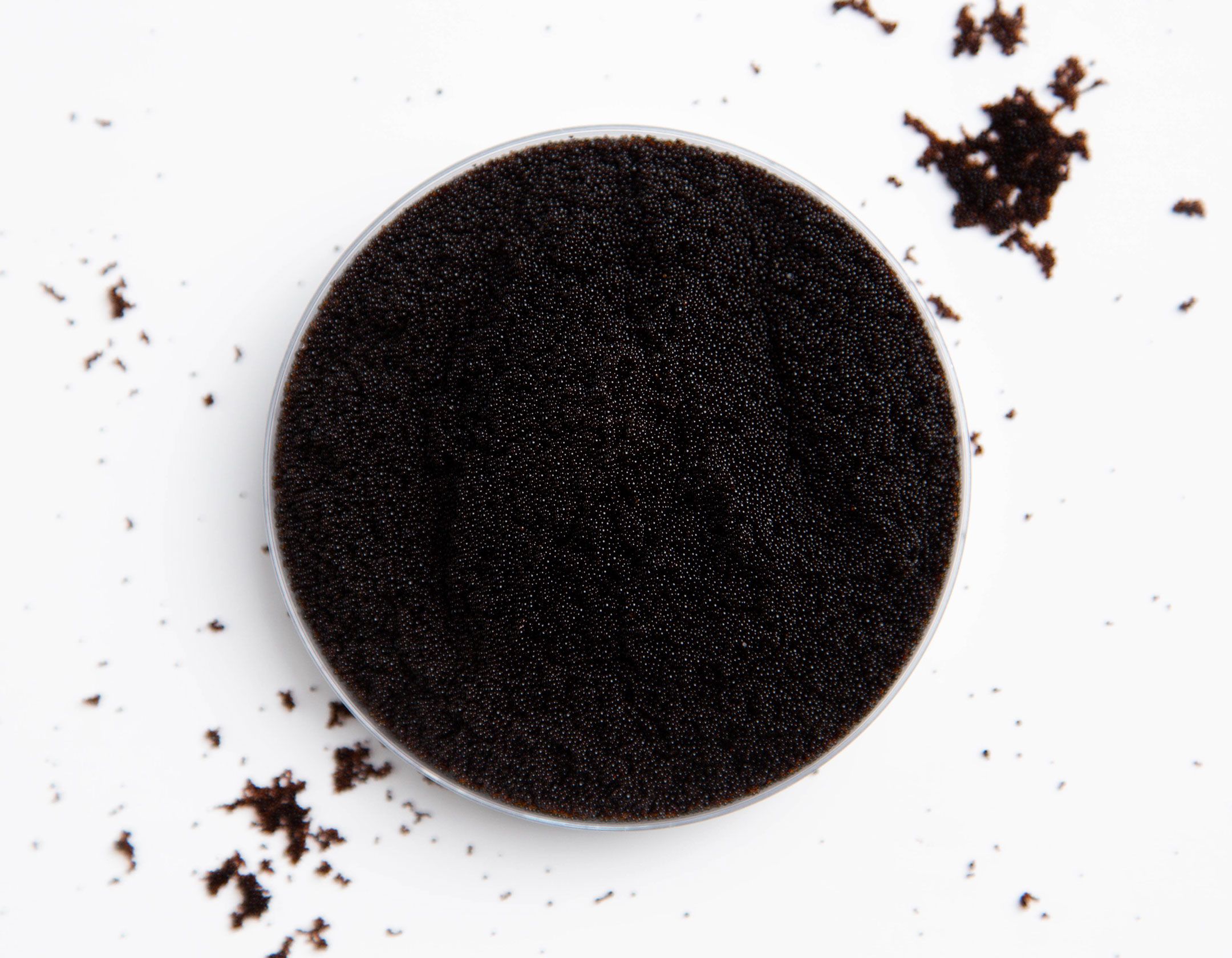
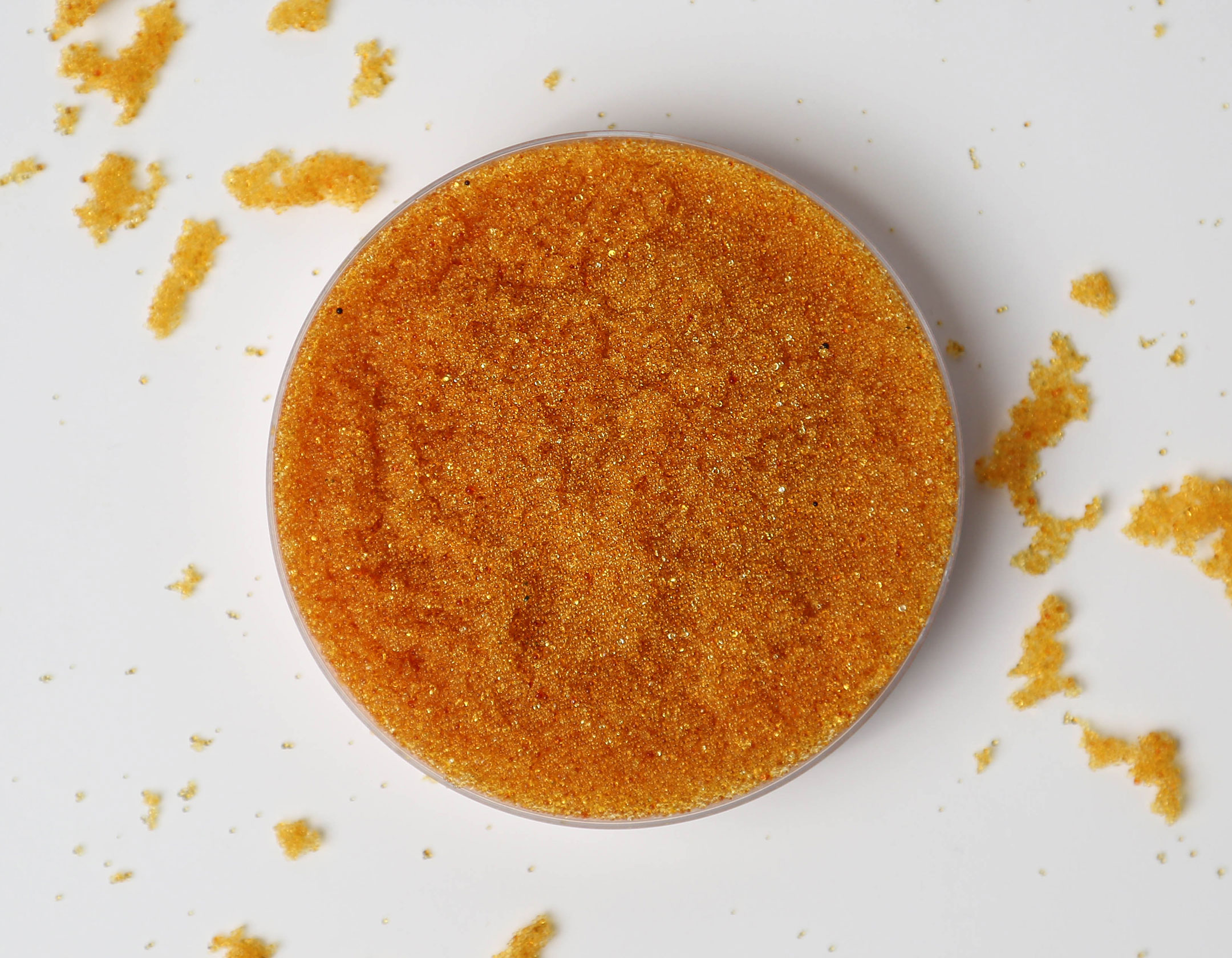
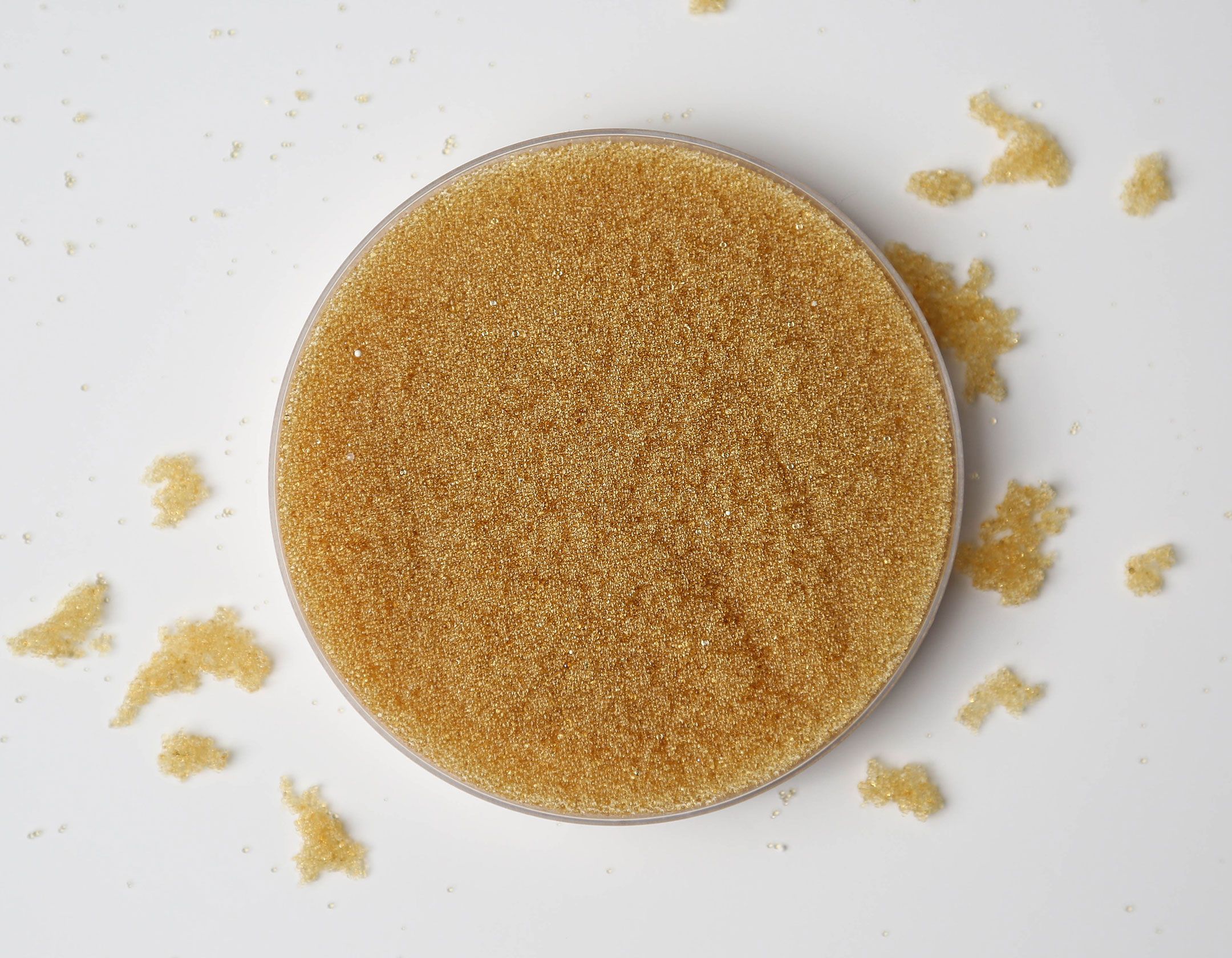
El gas amoníaco se difunde en las perlas de resina y luego se intercambia como ion amonio. Las resinas catiónicas en forma de hidrógeno tienen una capacidad muy alta para el amoníaco cuando se regeneran con ácido.
El ion amonio se forma cuando el pH es inferior a 9 (preferiblemente inferior a 8). El amonio es un catión monovalente. Las resinas catiónicas como CG8 y CG10 tienen una selectividad moderada por el ion amonio en comparación con el sodio, pero una selectividad baja en comparación con los iones de dureza como el calcio y el magnesio.
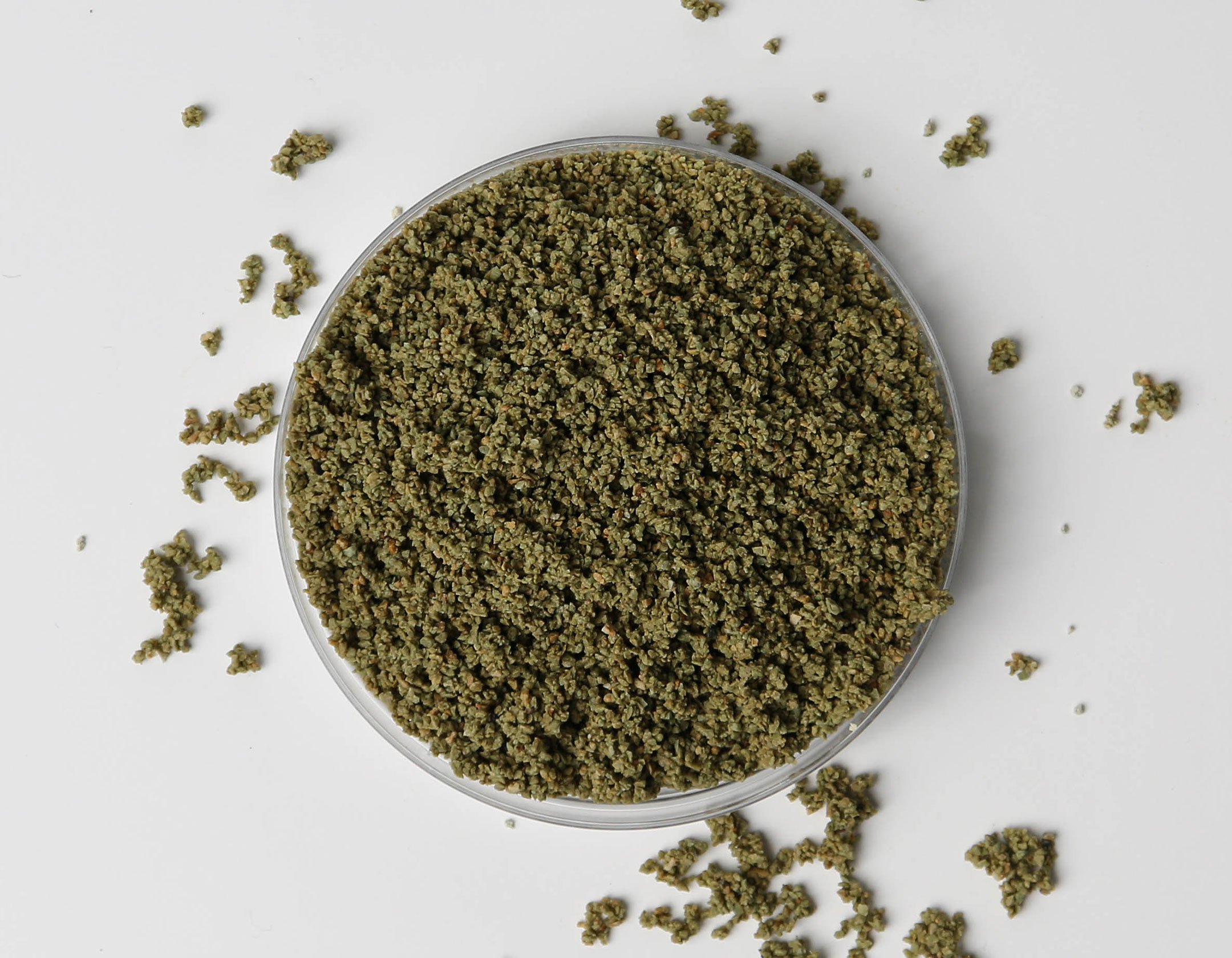
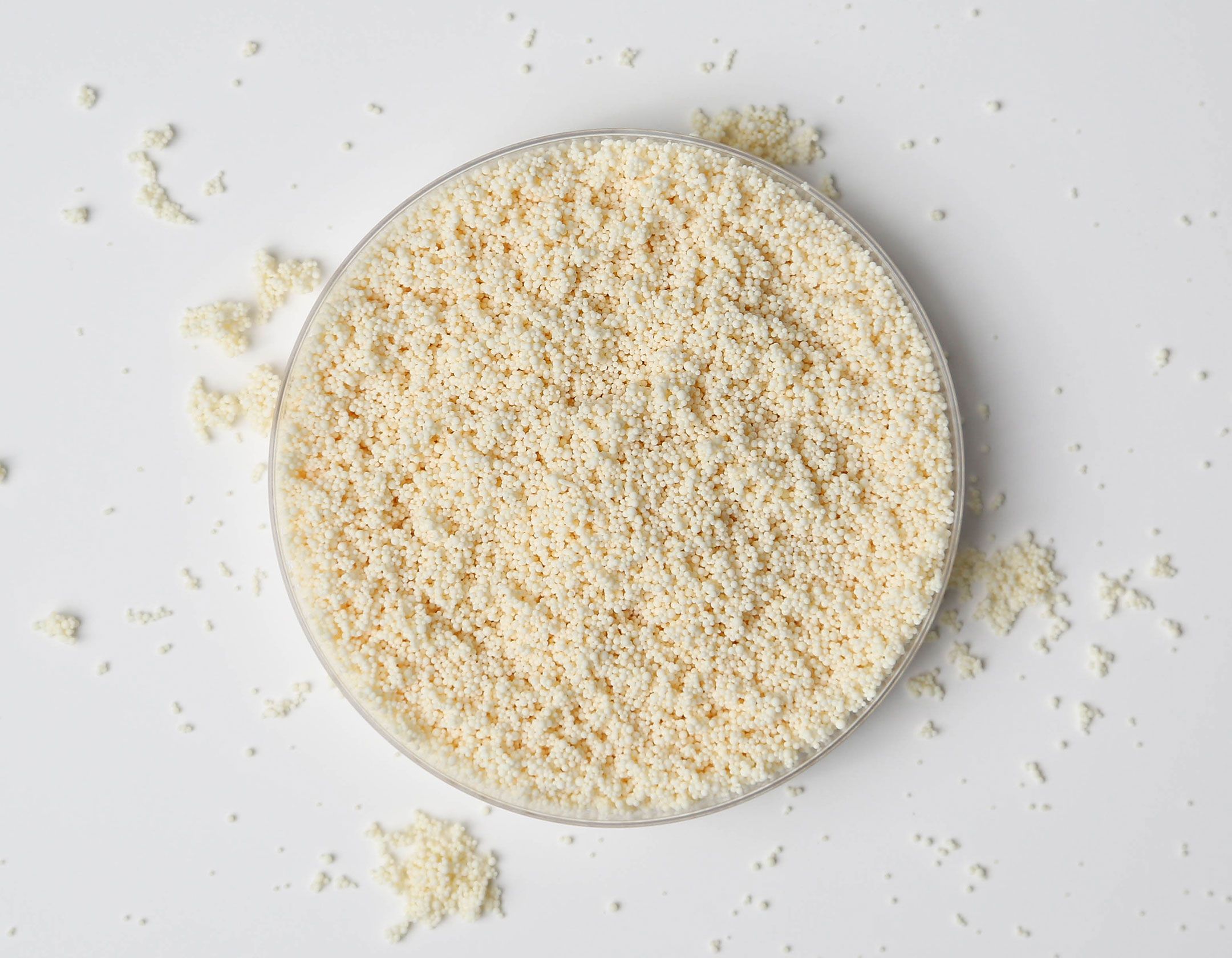
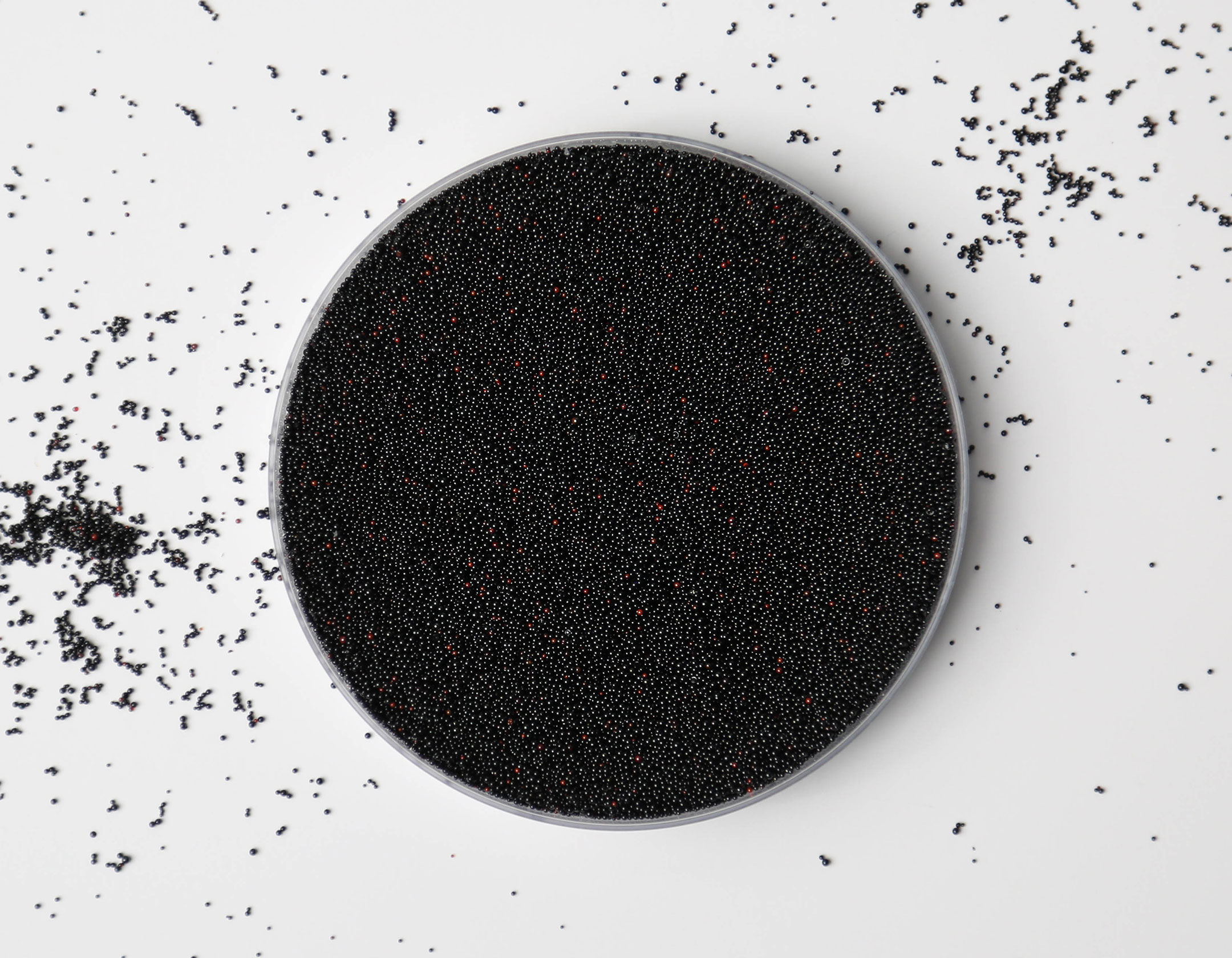
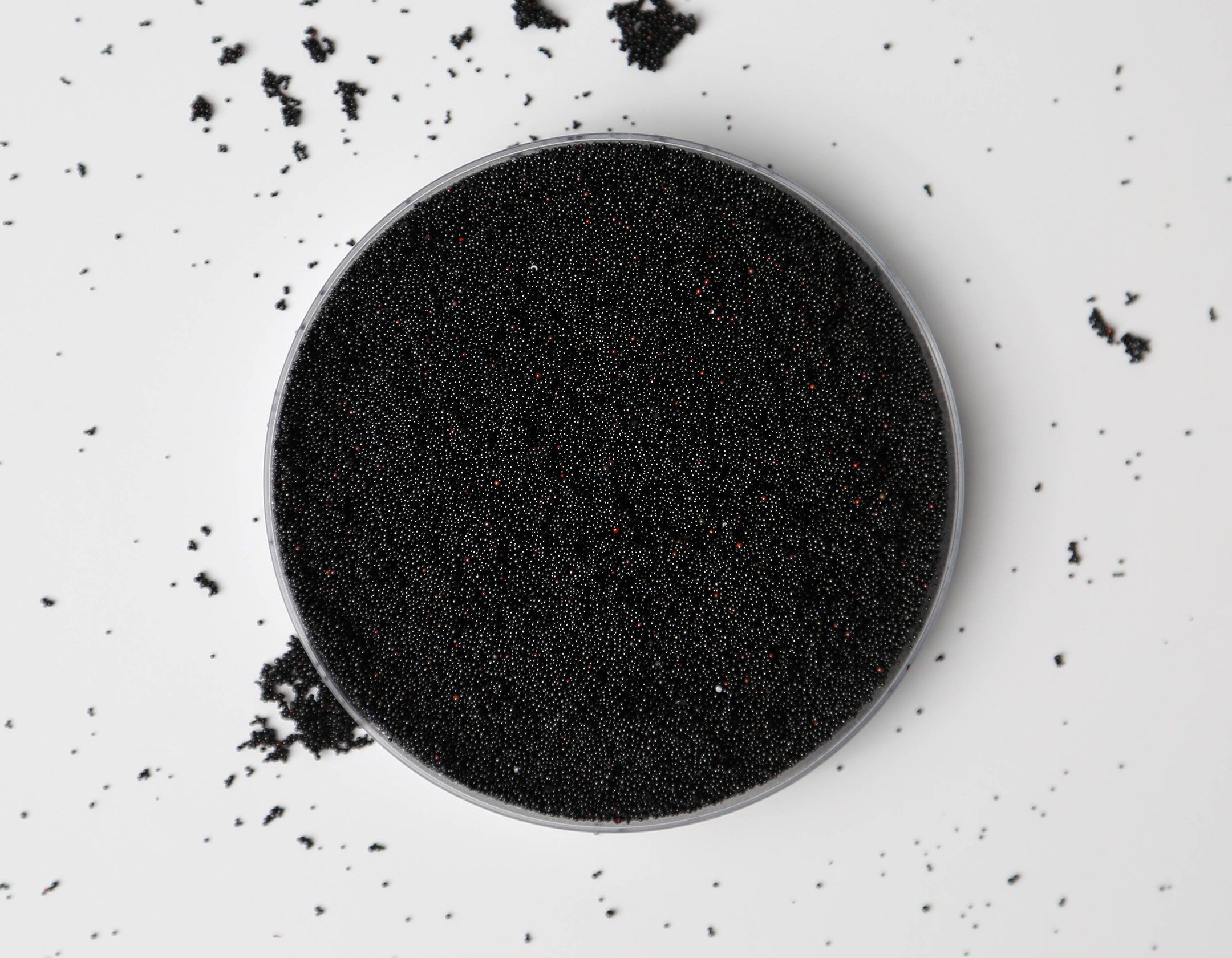
El arsénico es un elemento químico con símbolo As y número atómico 33. El arsénico se encuentra en muchos minerales, generalmente combinado con azufre y metales, pero también como cristal elemental puro. El arsénico es notoriamente venenoso para la vida multicelular. La contaminación de las aguas subterráneas por arsénico es un problema que afecta a millones de personas en todo el mundo.
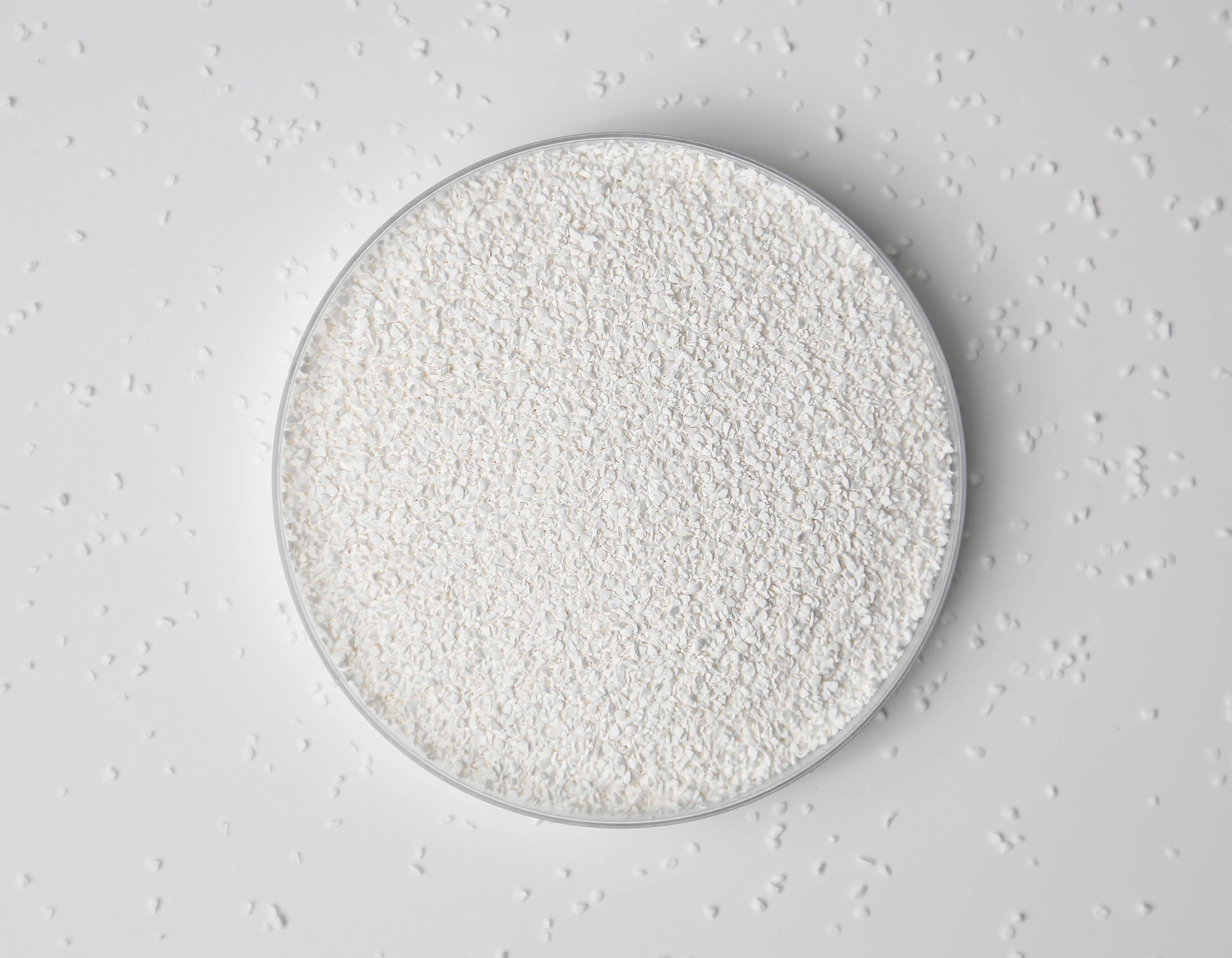
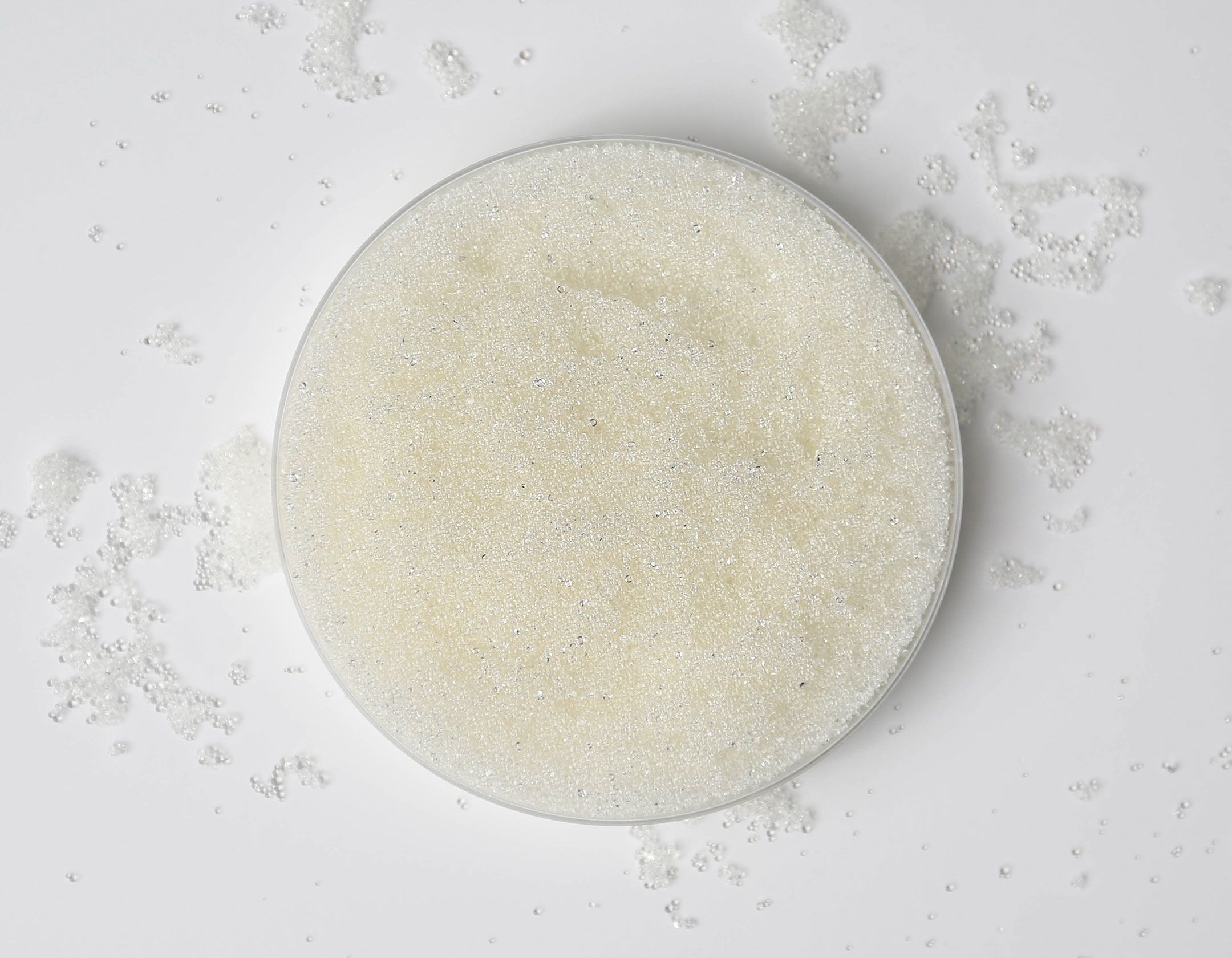
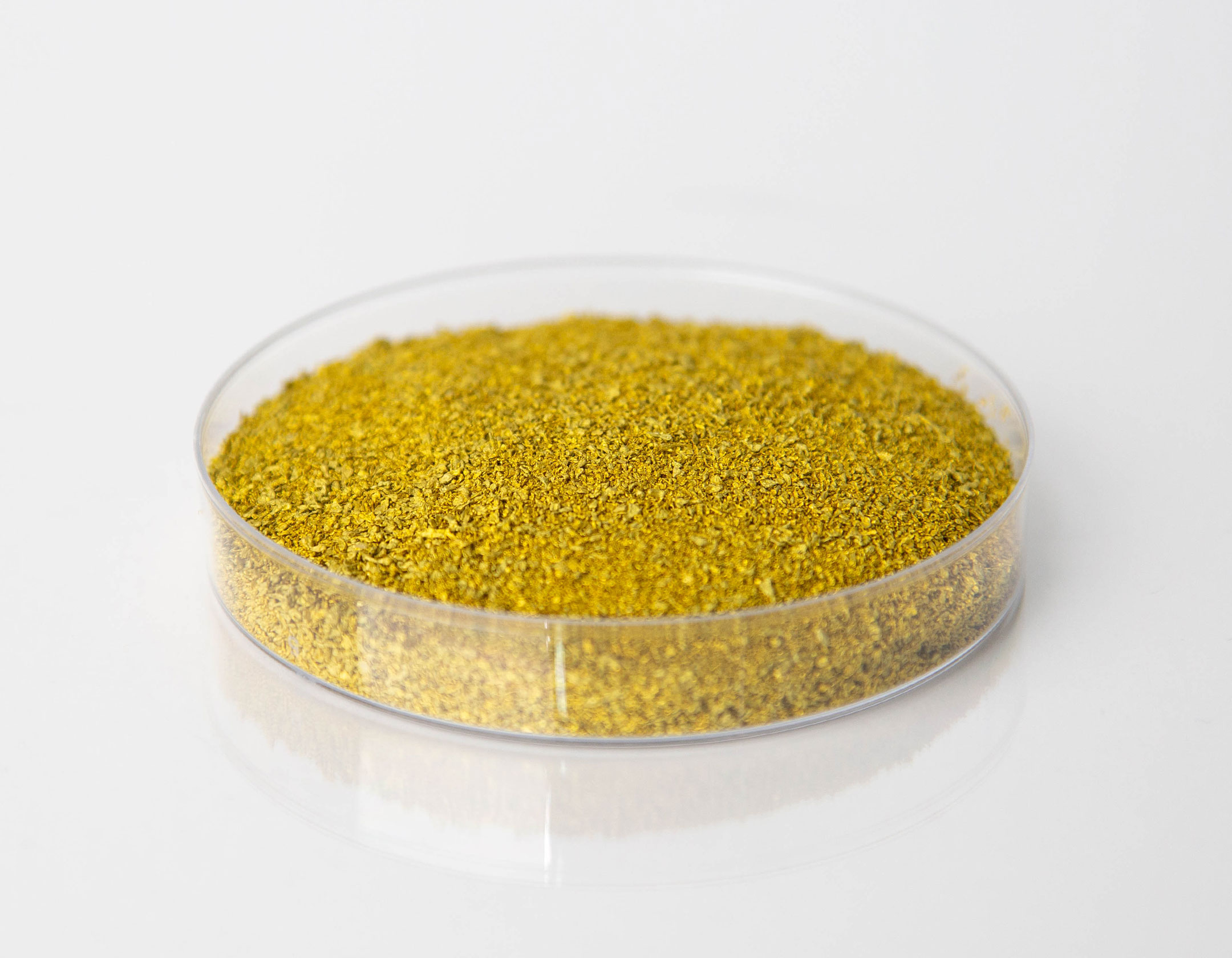
El arseniato es un anión divalente con una afinidad por las resinas aniónicas similar, aunque ligeramente inferior, a la del sulfato. El arseniato puede intercambiarse mediante resinas de intercambio aniónico de base fuerte y luego adsorberse en el adsorbente híbrido de hierro del ASM-10-HP.
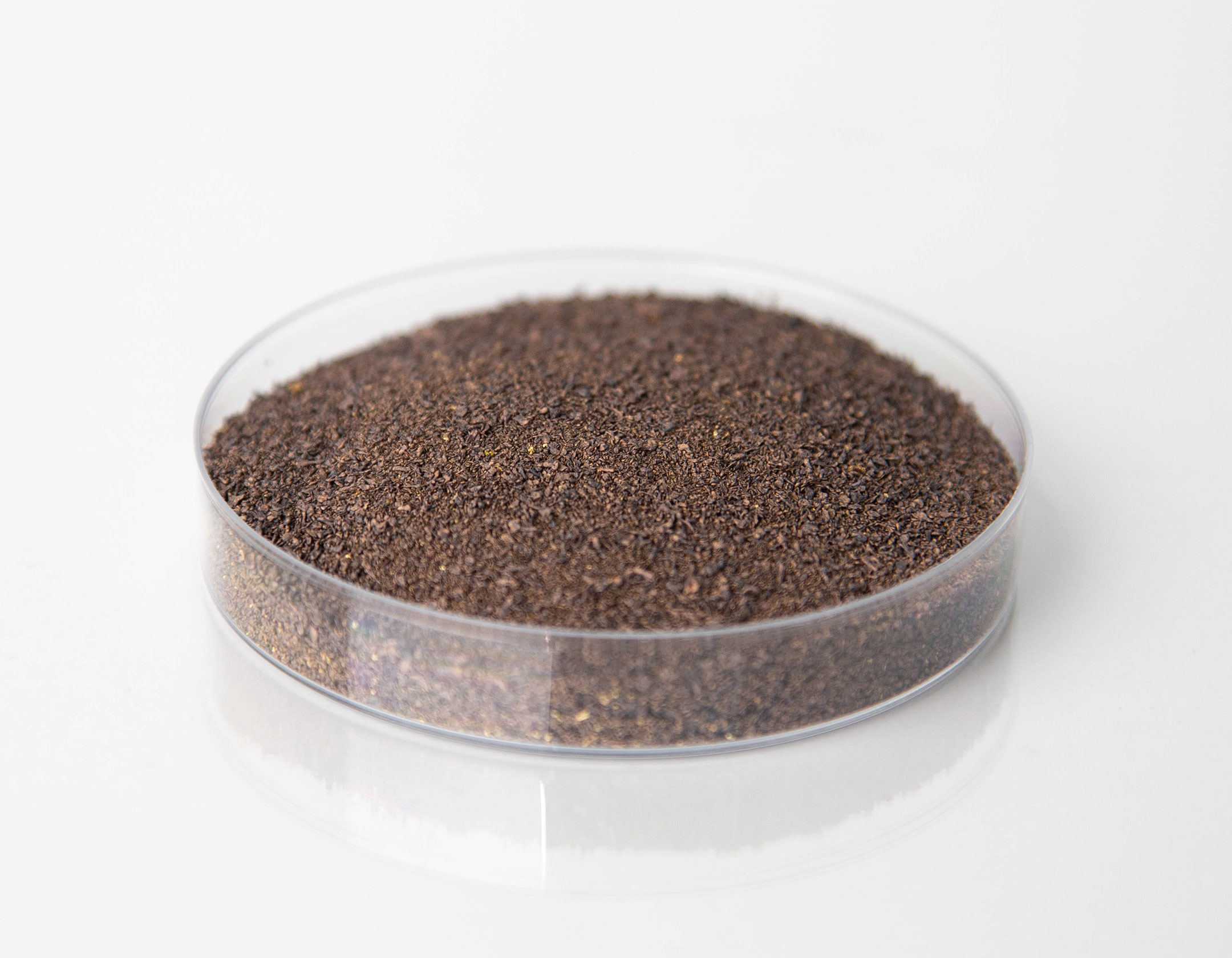
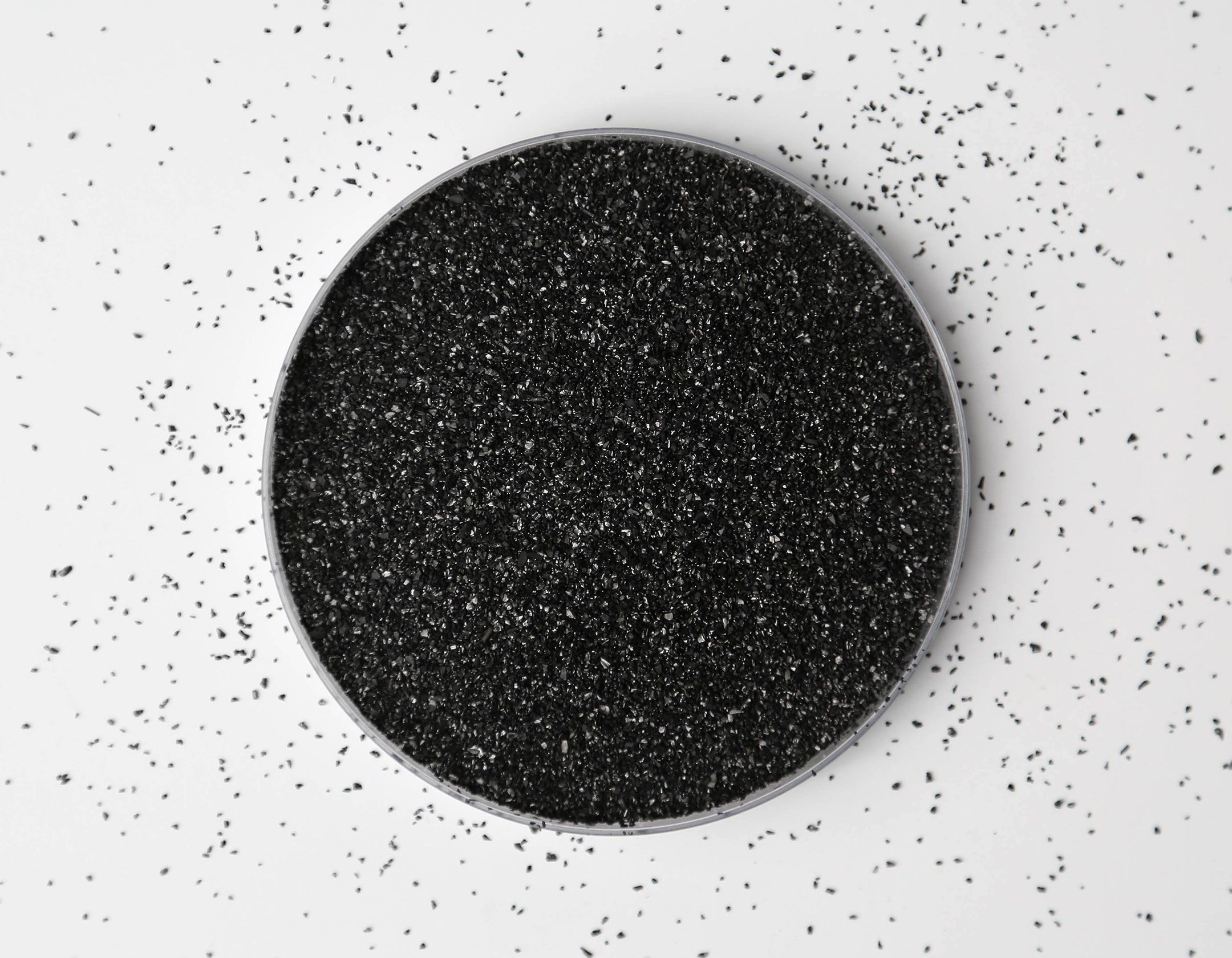
El bario es un elemento químico con símbolo Ba y número atómico 56. Es el quinto elemento del Grupo 2, un metal alcalinotérreo blando y de color blanco plateado.
El bario tiene una alta afinidad por las resinas catiónicas y puede eliminarse fácilmente junto con otros iones de dureza como el calcio y el magnesio. Durante la regeneración debe tenerse cuidado para limitar la precipitación de sulfato de bario.
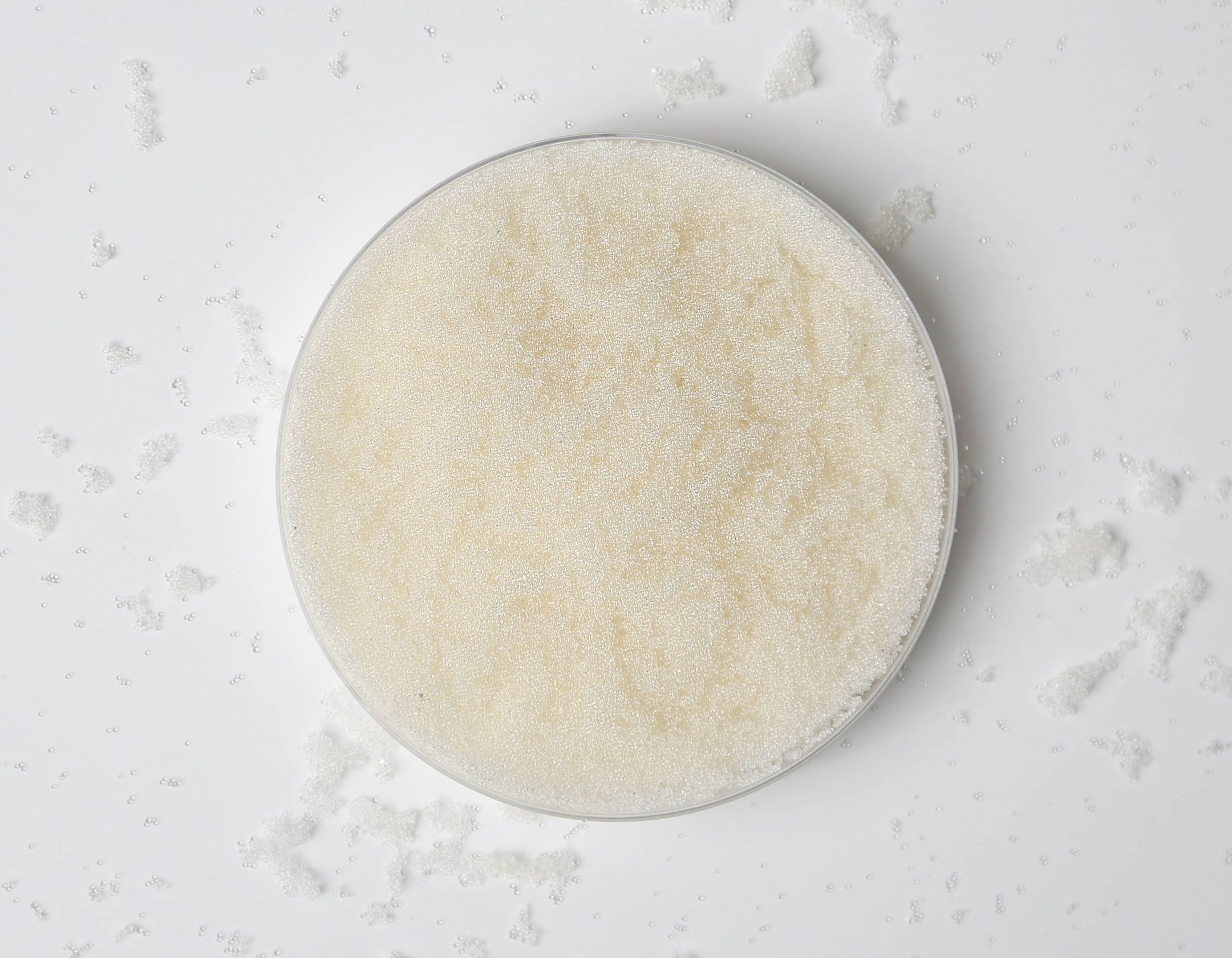
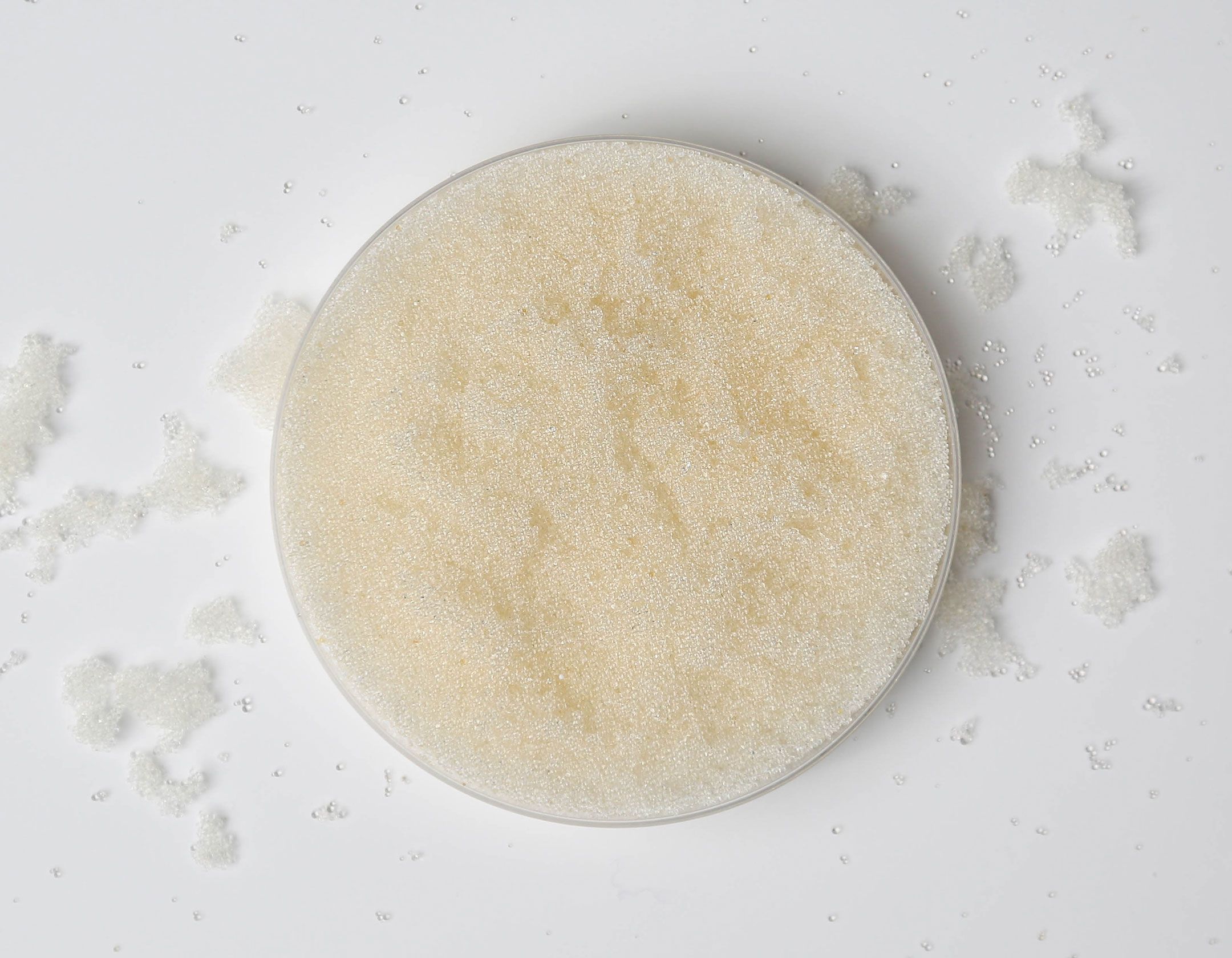
El boro es un elemento químico con símbolo B y número atómico 5. El boro se concentra en la Tierra por la solubilidad en agua de sus compuestos naturales más comunes, los minerales de borato.
El boro (en forma de borato) puede eliminarse de salmueras de cualquier concentración siempre que el pH sea superior a 3. Los caudales deben mantenerse bajos.
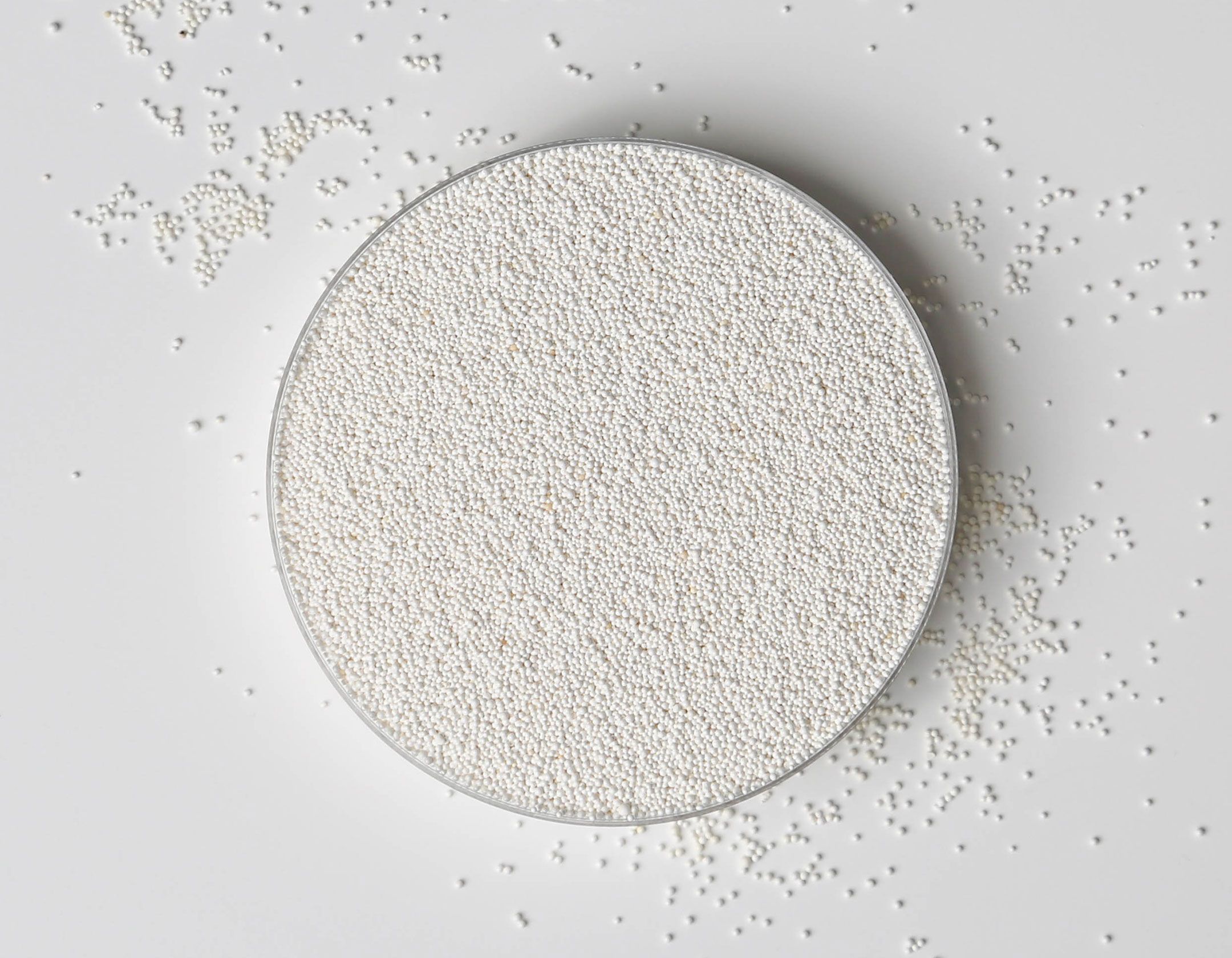
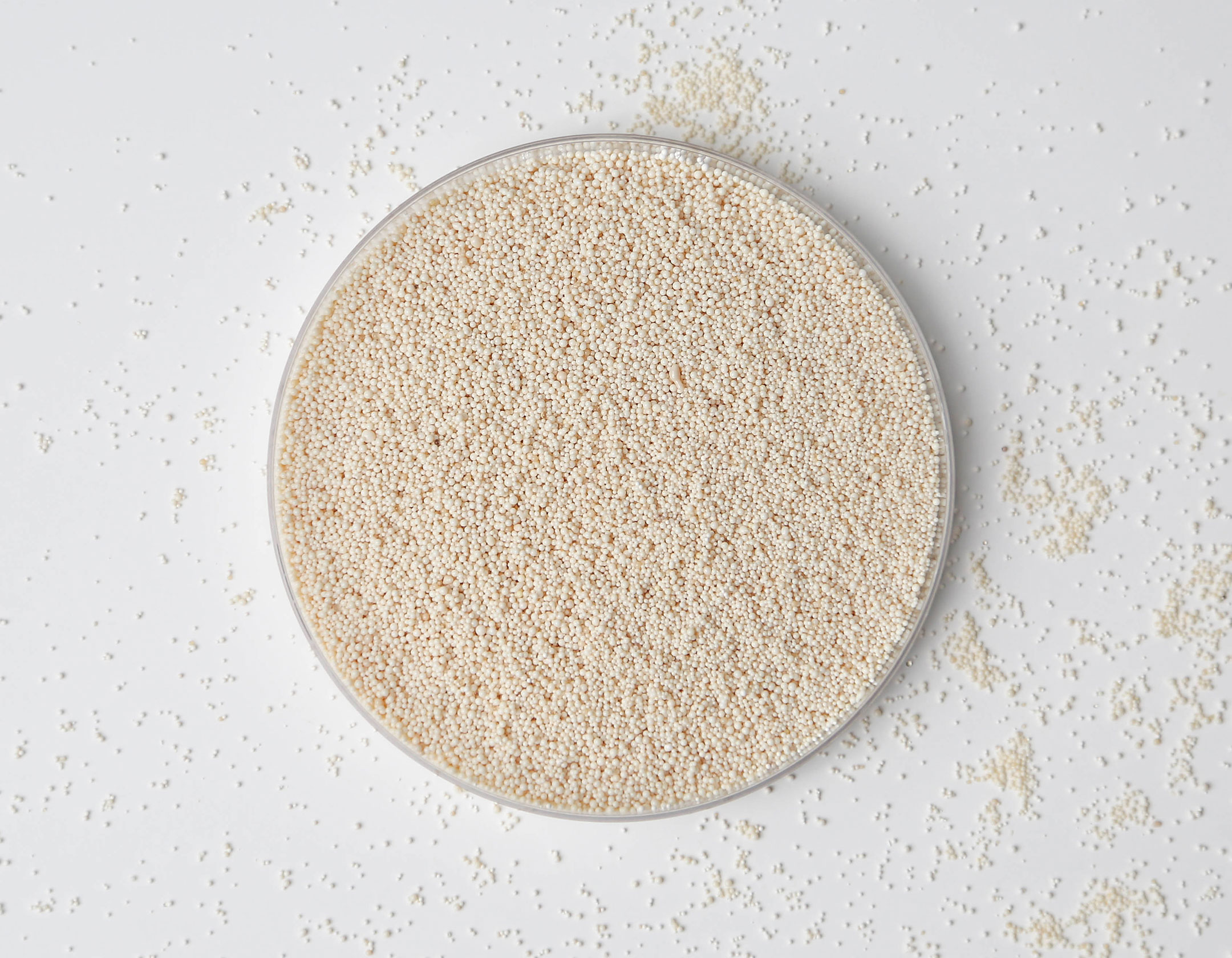
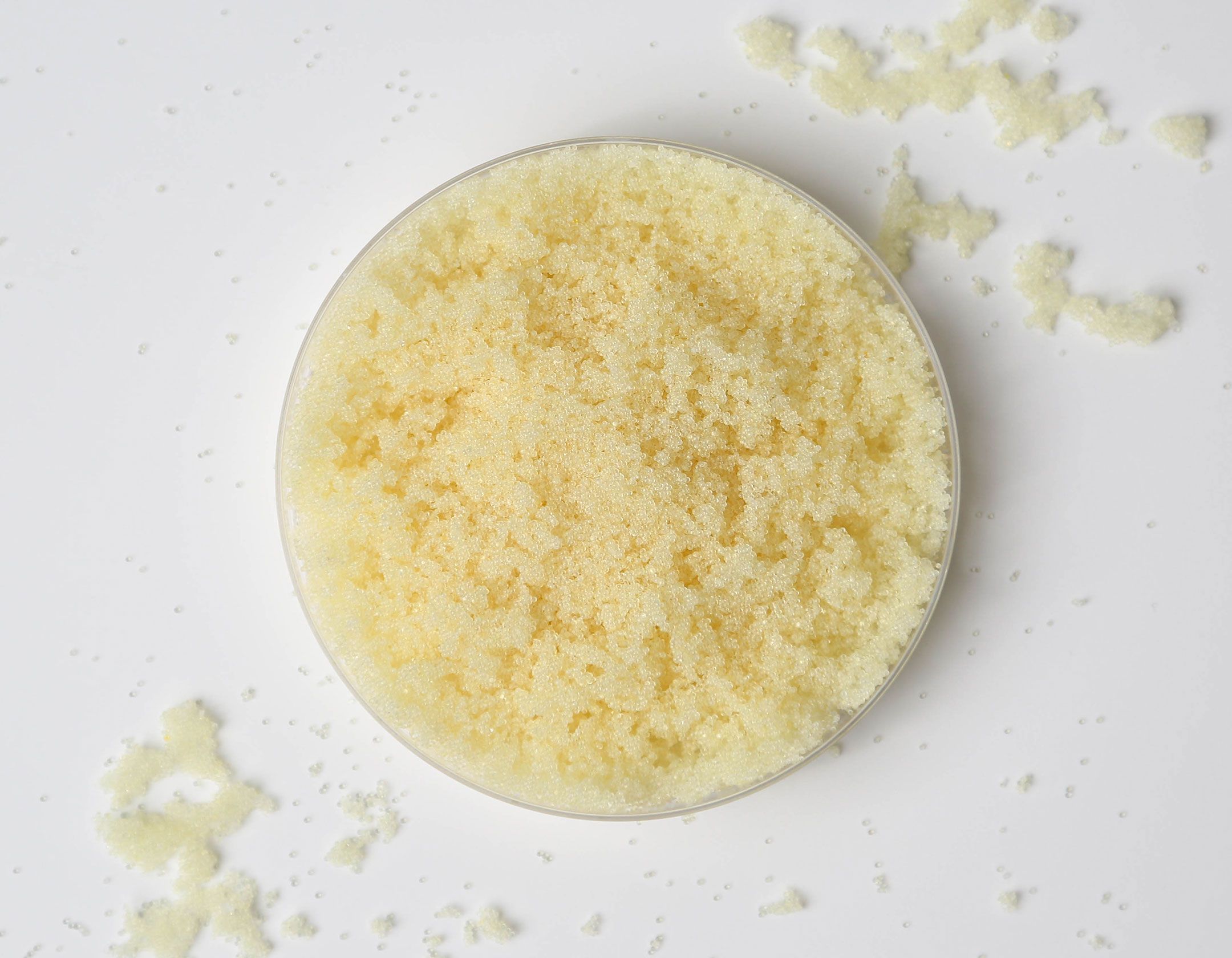
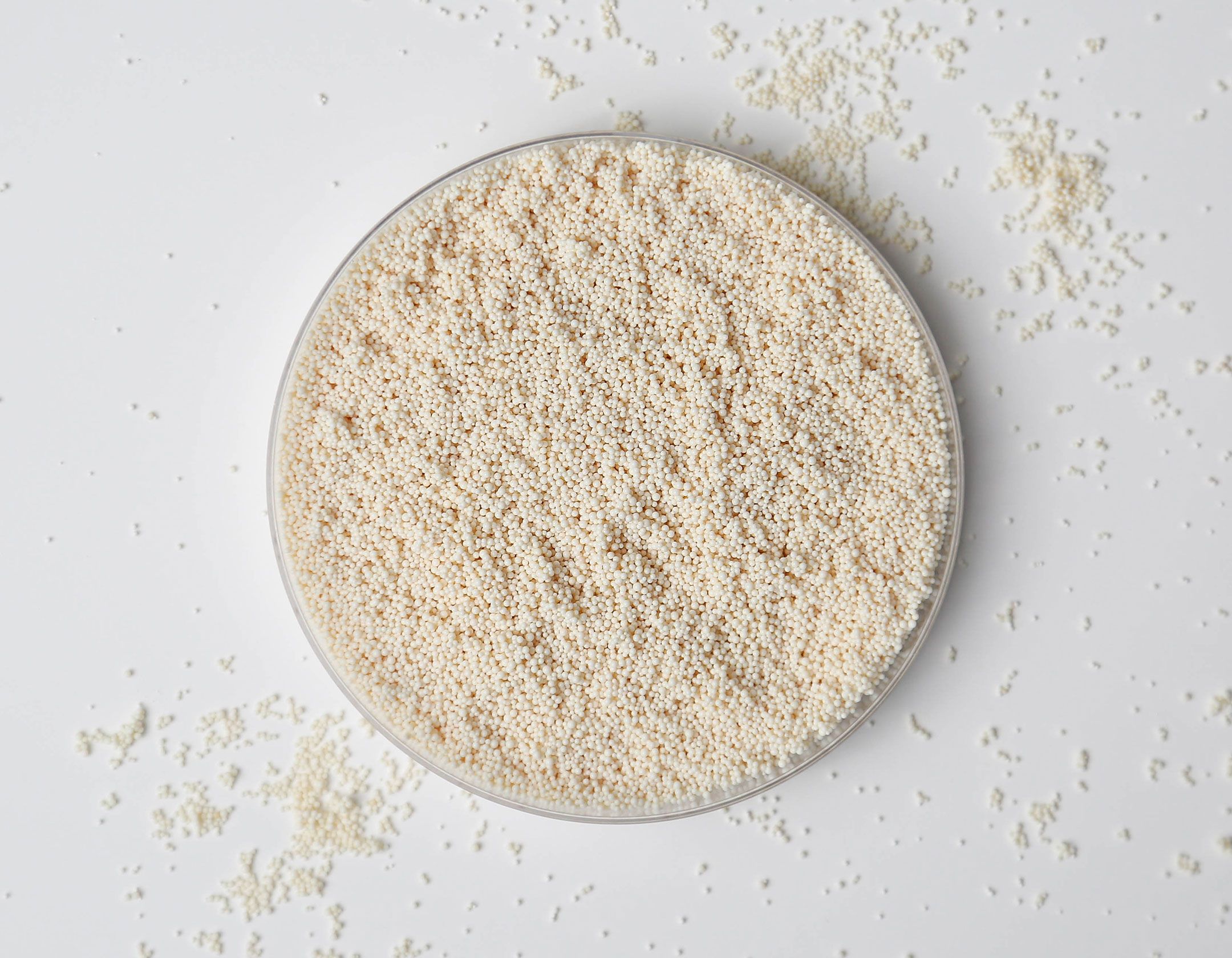
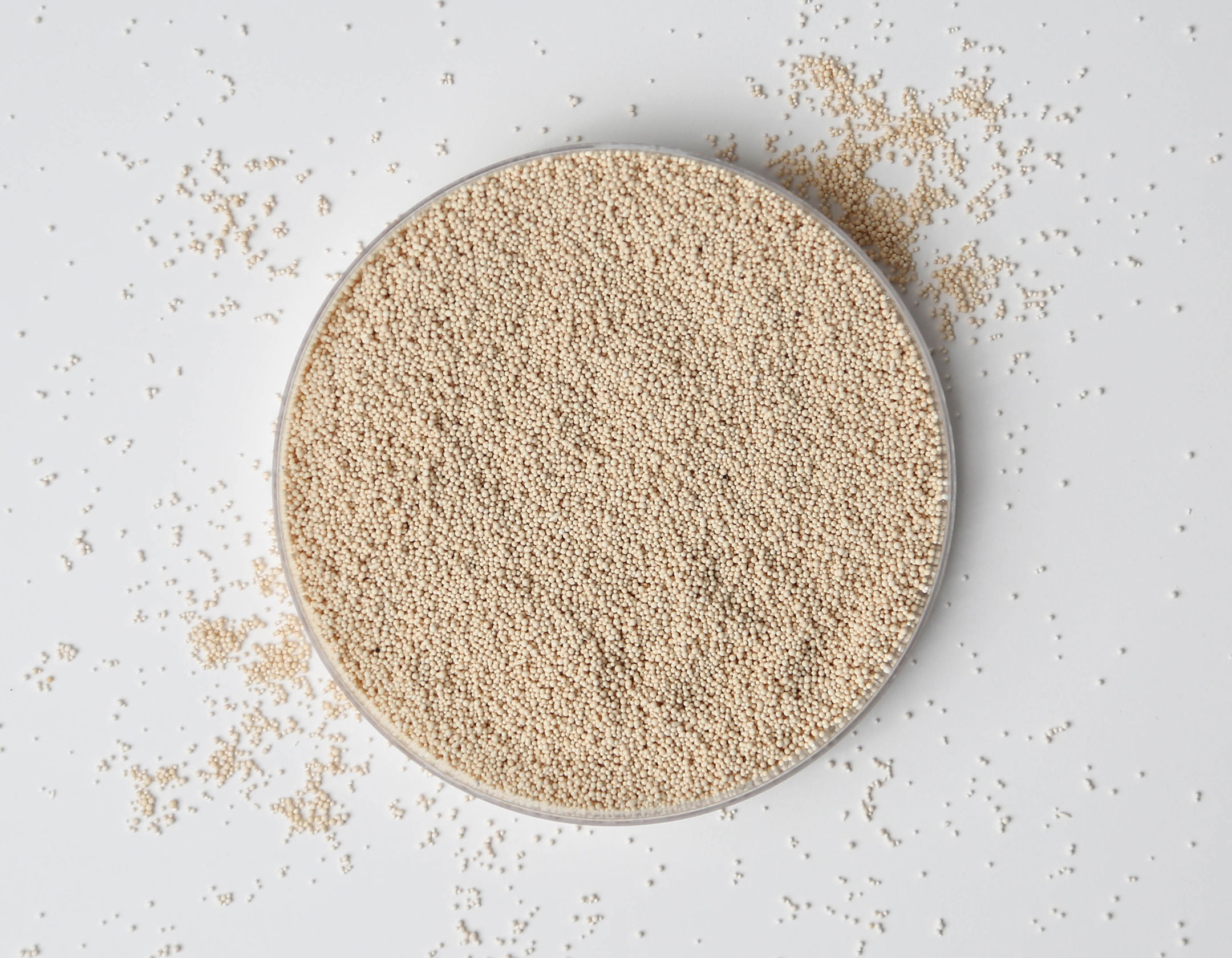
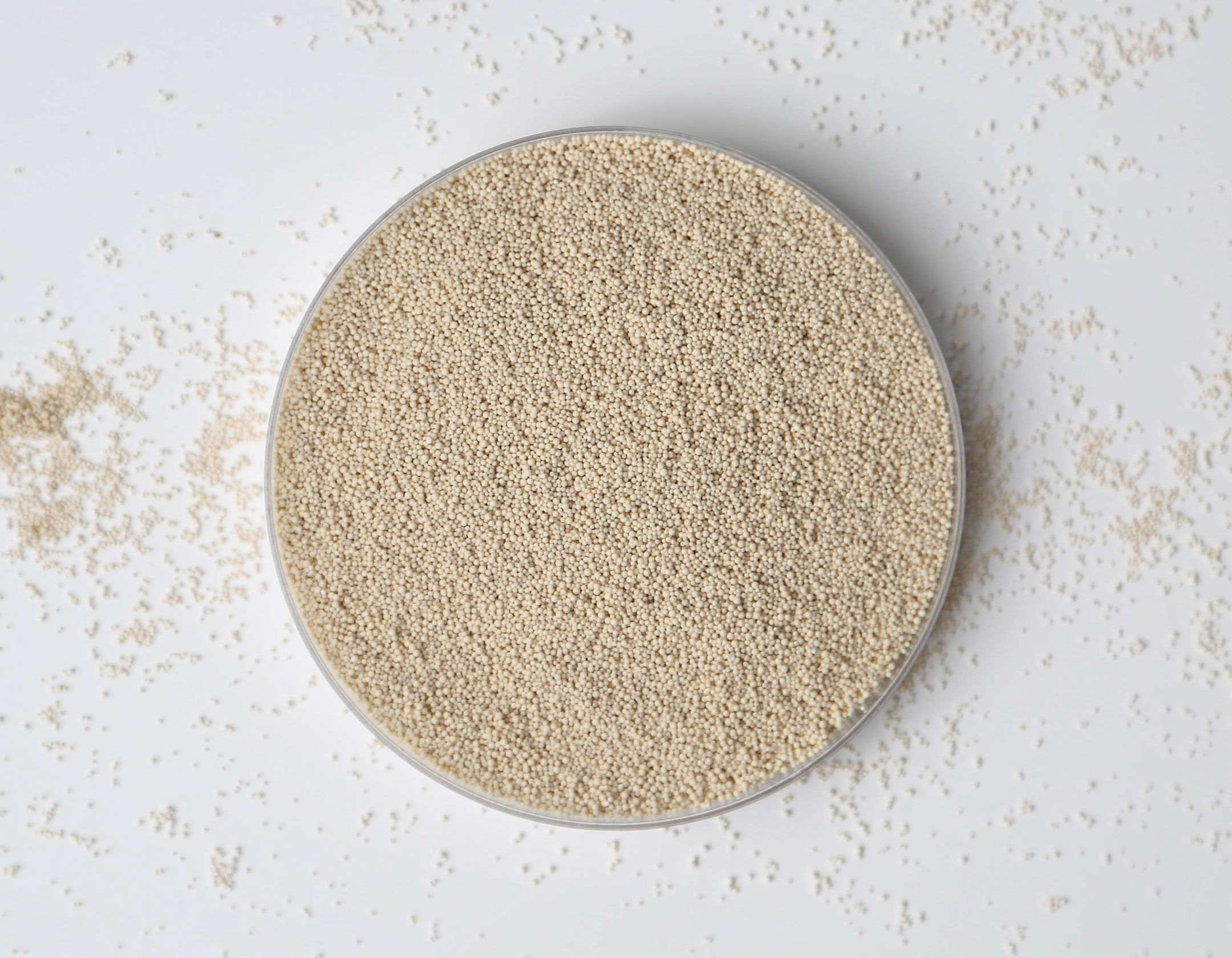
Las resinas catiónicas genéricas de ácido fuerte se utilizan comúnmente para eliminar los iones de dureza, incluido el calcio, del agua potable. El agua blanda protege los calentadores de agua de la cal y ayuda a que los jabones funcionen sin dejar residuos jabonosos. El calcio y otros iones de dureza se intercambian por sodio (o en algunos casos por potasio).
La resina quelante iminodiacética (SIR-300) y la resina quelante aminofosfónica (SIR-500) pueden utilizarse para eliminar el calcio de la salmuera en cualquier concentración.
El cesio es un elemento químico con símbolo Cs y número atómico 55. Es un metal alcalino blando, de color dorado plateado. El cesio metálico es muy reactivo en el aire y especialmente en el agua.
La SIR-600 tiene una selectividad extremadamente alta por el cesio. El cesio se captura mediante tamizado molecular además del intercambio iónico.
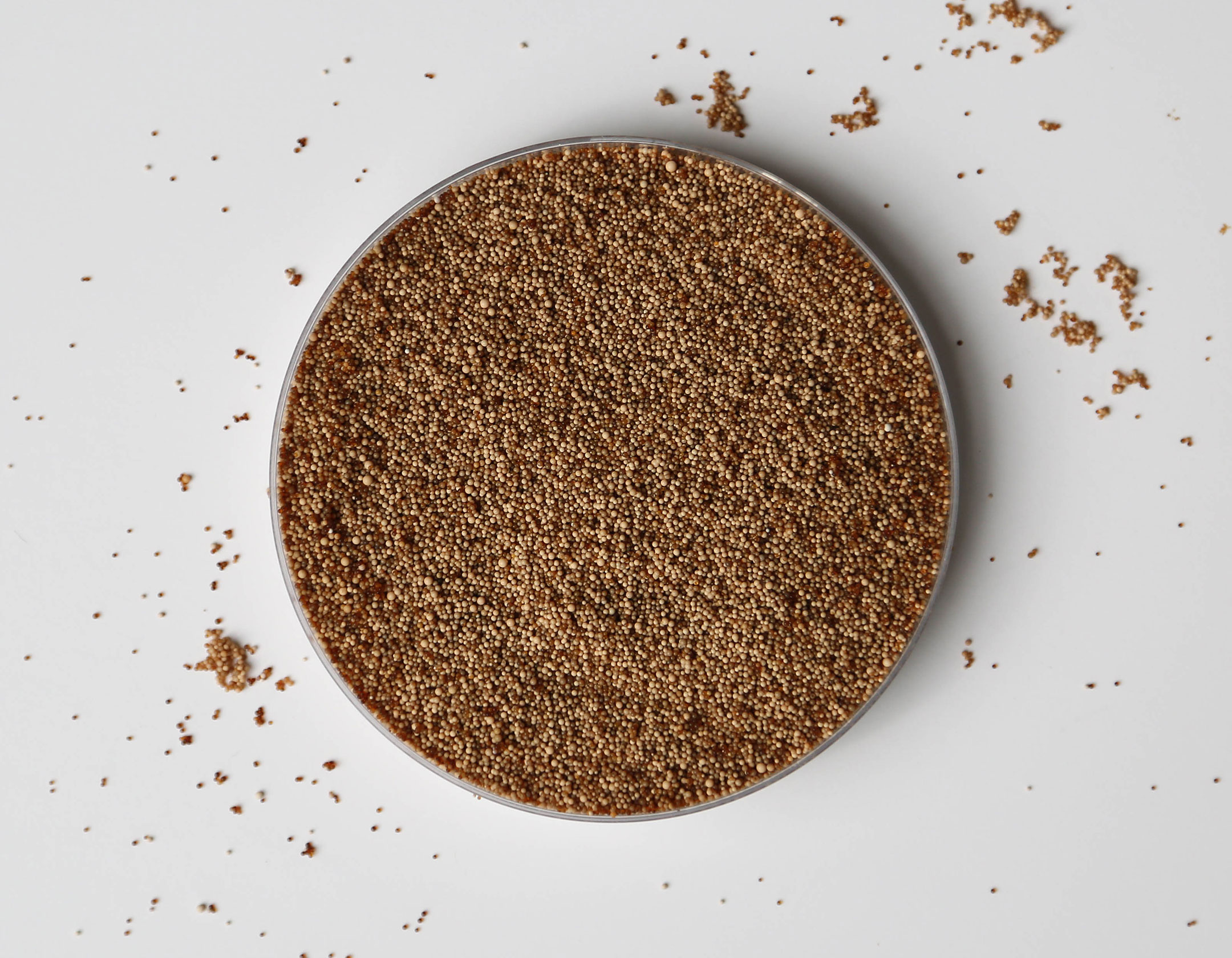
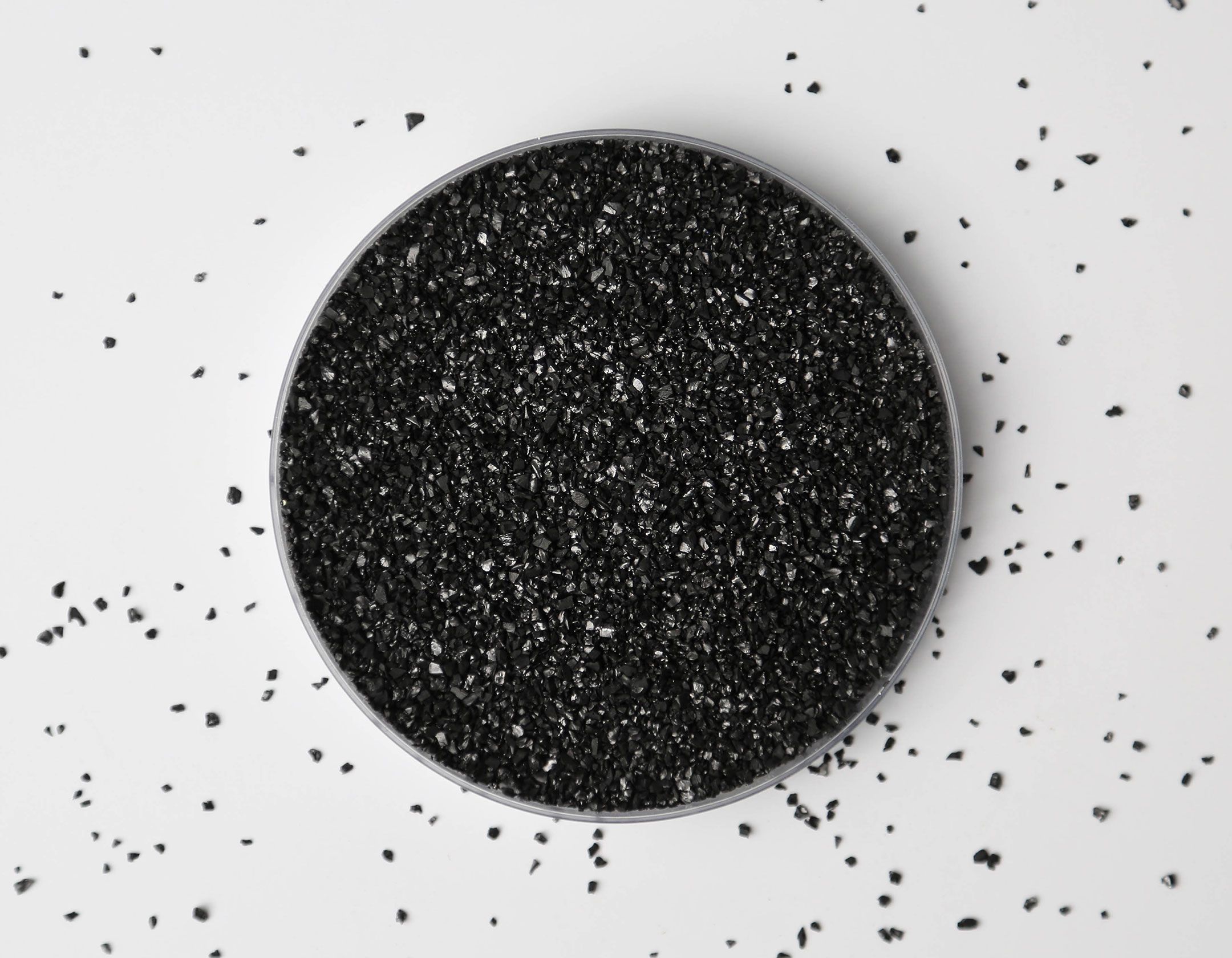
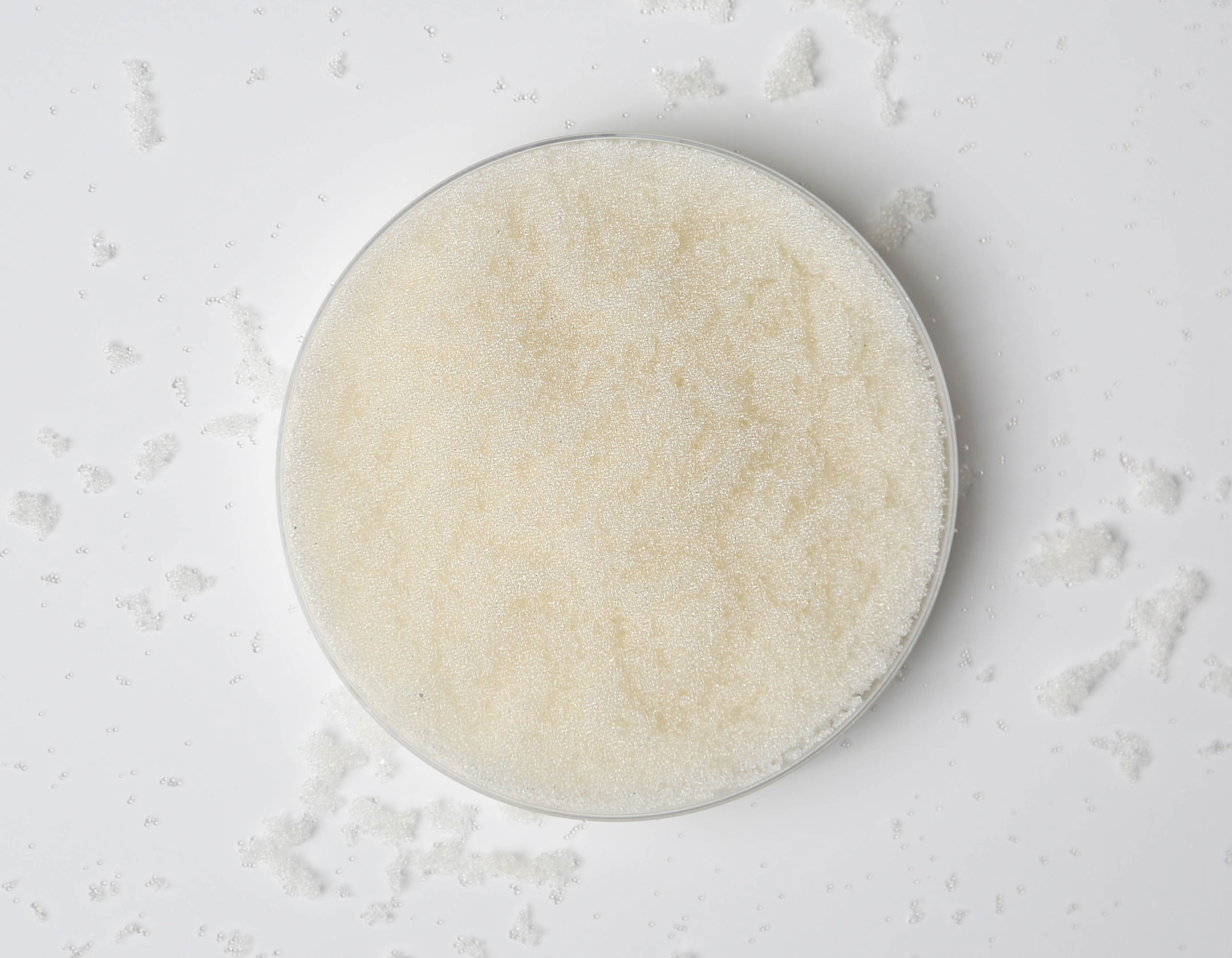
El cloro es un elemento químico con símbolo Cl y número atómico 17. Es un elemento extremadamente reactivo y un fuerte agente oxidante. El cloro normalmente está presente en el agua como anión hipocloroso y se elimina mediante resinas aniónicas de base fuerte.
El cobre es un elemento químico con símbolo Cu y número atómico 29. El cobre es un oligoelemento esencial y un metal extremadamente útil. En el agua, el cobre forma principalmente un catión divalente.
En el agua potable, el cobre se encuentra con mayor frecuencia como catión divalente, resultado de la corrosión de las tuberías de cobre.
El cromo es un elemento químico con símbolo Cr y número atómico 24. Es un metal duro y quebradizo, de color gris acero y brillante. El cromo disuelto puede ser catiónico (trivalente) o aniónico (hexavalente) según el pH y el potencial redox.
La SIR-700 es la mejor opción siempre que se pueda reducir el pH; de lo contrario, la SBG2 o la SBG1 pueden ser mejores opciones.
El plomo es un elemento químico con número atómico 82 y símbolo Pb. Es un metal pesado, blando y maleable. El plomo es el elemento estable más pesado.
El plomo presente en su forma iónica en el agua potable puede eliminarse mediante diversas resinas de intercambio catiónico, tanto de tipo ácido fuerte como ácido débil.
El flúor es un elemento químico con símbolo F y número atómico 9. El fluoruro se añade deliberadamente a la mayoría de los suministros de agua potable en los EE. UU. para ayudar a prevenir las caries dentales. El nivel máximo de contaminante (MCL) de los EE. UU. para el fluoruro es de 4 mg/L.
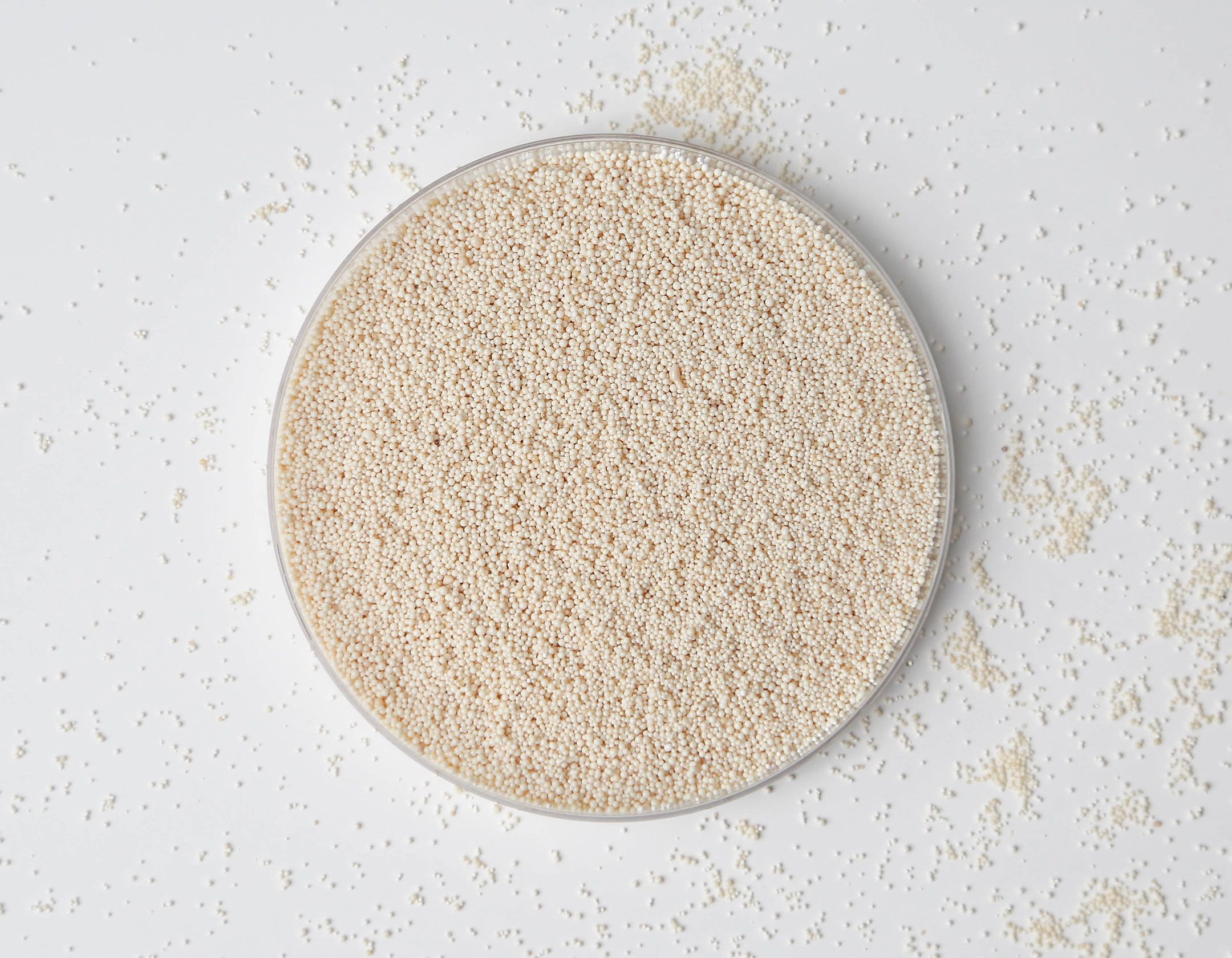
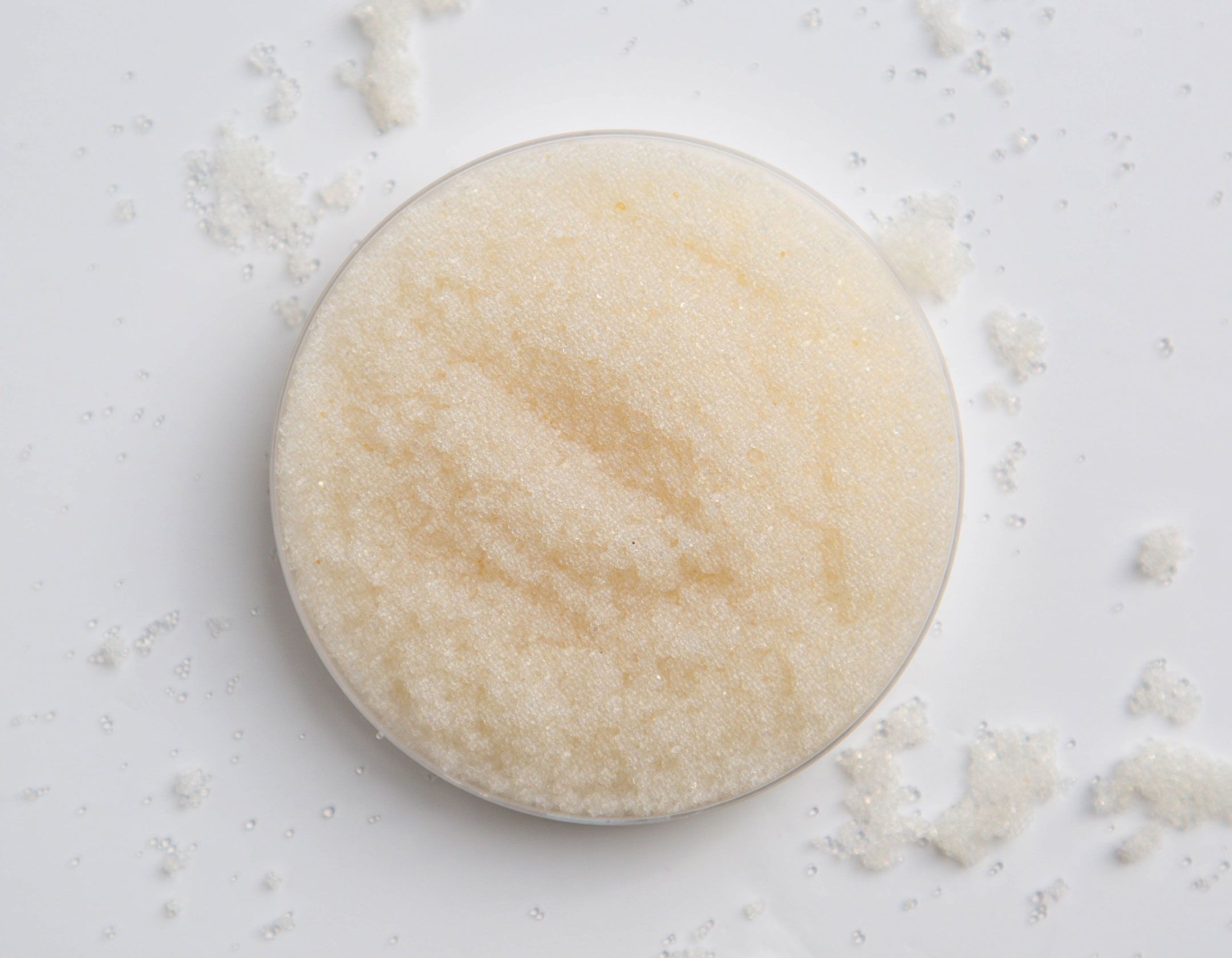
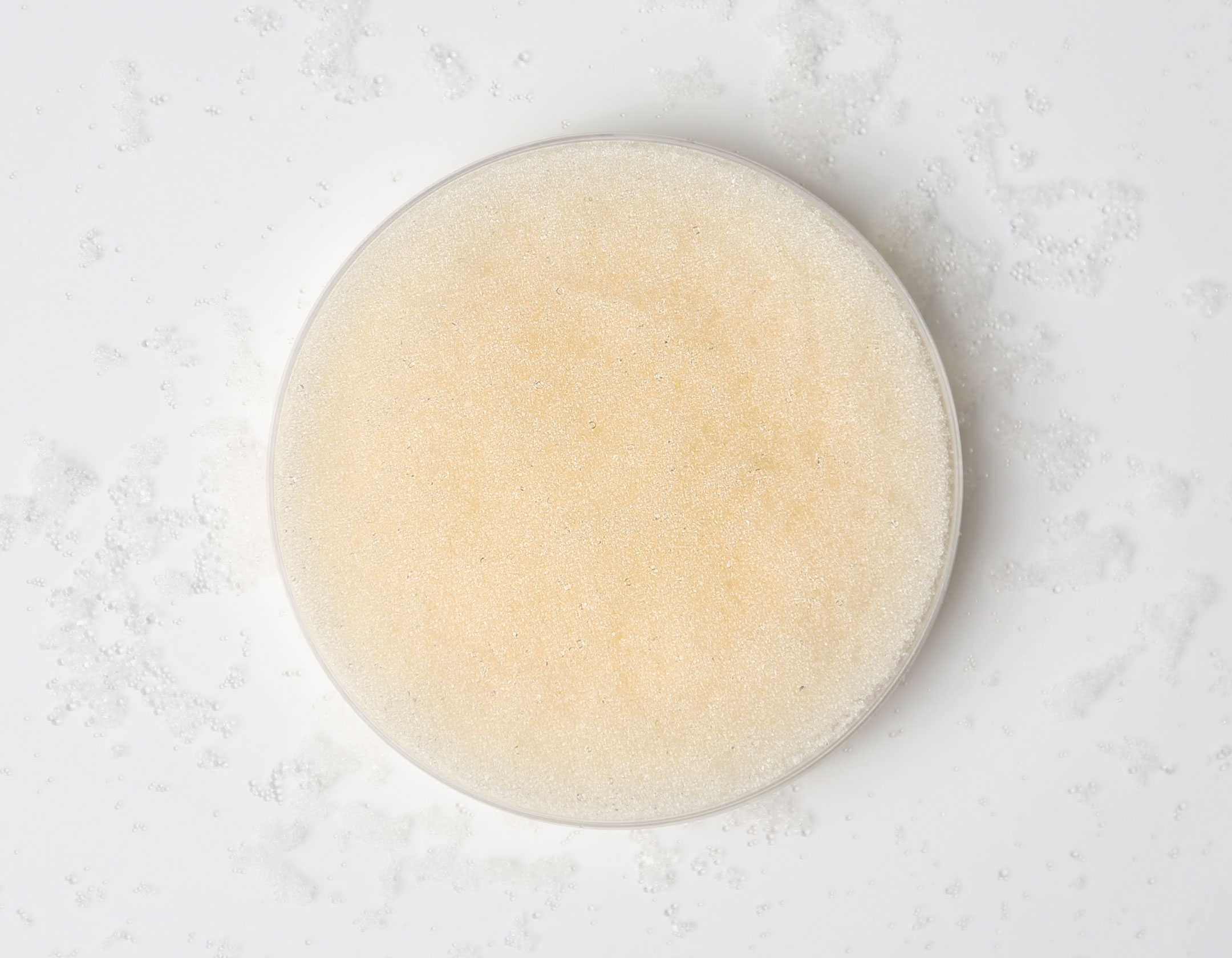
El hierro es un elemento químico con símbolo Fe y número atómico 26. Es el cuarto elemento más común de la corteza terrestre. El hierro existe en una amplia gama de estados de oxidación, siendo +2 y +3 los más comunes.
El hierro ferroso (a veces conocido como hierro de agua clara) puede eliminarse mediante diversas resinas catiónicas, en forma de sodio o de hidrógeno.
El mercurio es un elemento químico con símbolo Hg y número atómico 80. El mercurio es una potente neurotoxina. La mayor parte del mercurio en nuestro entorno proviene actualmente de las centrales eléctricas de carbón.
Las resinas selectivas con funcionalidad tiol tienen una alta afinidad por el mercurio catiónico. Los compuestos organomercuriales, en particular el metilmercurio, se forman por la reacción del mercurio elemental o catiónico con la materia orgánica.
Las resinas aniónicas de base fuerte tienen buena afinidad por el nitrato. Las aminas superiores (trietilamina, tributilamina, etc.) presentan una mayor afinidad por el nitrato y una menor afinidad por los iones divalentes como el sulfato, lo que las hace preferibles para muchas aplicaciones.
El perclorato es un oxidante relativamente débil, utilizado como fuente de oxígeno en el combustible para cohetes. El perclorato también es un contaminante del fertilizante de nitrato de amonio. Aunque todas las resinas aniónicas de base fuerte tienen una alta afinidad por el perclorato, las aminas superiores presentan una afinidad excepcional.
El radio es un elemento químico con símbolo Ra y número atómico 88. Todos los isótopos del radio son altamente radiactivos. El radio es el producto de desintegración del uranio.
El radio forma un catión divalente en el agua y puede eliminarse mediante resinas de ablandamiento de agua, junto con otros iones de dureza.

¿Preparado para la certeza estadounidense?
Asóciese con ResinTech para obtener cartuchos de filtro de fabricación estadounidense que generen clientes leales y fuentes de ingresos confiables. Nuestros EE. UU.
Nuestra capacidad de fabricación en EE. UU., nuestro estricto control de calidad y la sólida estabilidad de la cadena de suministro le brindan ventajas que los proveedores extranjeros no pueden igualar.
Nuestra capacidad de fabricación en EE. UU., nuestro estricto control de calidad y la sólida estabilidad de la cadena de suministro le brindan ventajas que los proveedores extranjeros no pueden igualar.