Sistemi di purificazione dell'acqua point-of-use

Elimina gli sprechi dal tuo budget per la purificazione dell'acqua.

Riduci il costo per litro di acqua purificata fino al 50% per sempre con i nostri sistemi di purificazione dell'acqua point-of-use e point-of-entry prodotti negli Stati Uniti.
US flag in circle
Buy American
Shield with water drop icon
18.2 MΩ·cm Type 1 water
“50% lower cost per liter” ResinTech marketing graphic.
50% lower lifetime
cost
Cartridges always in stock
Thermometer icon
TOC, UV & ultrafiltration options
APRI FILTRO
Campo
:
FiltroAttivo
x
Visualizzazione di 0 di 0 risultati
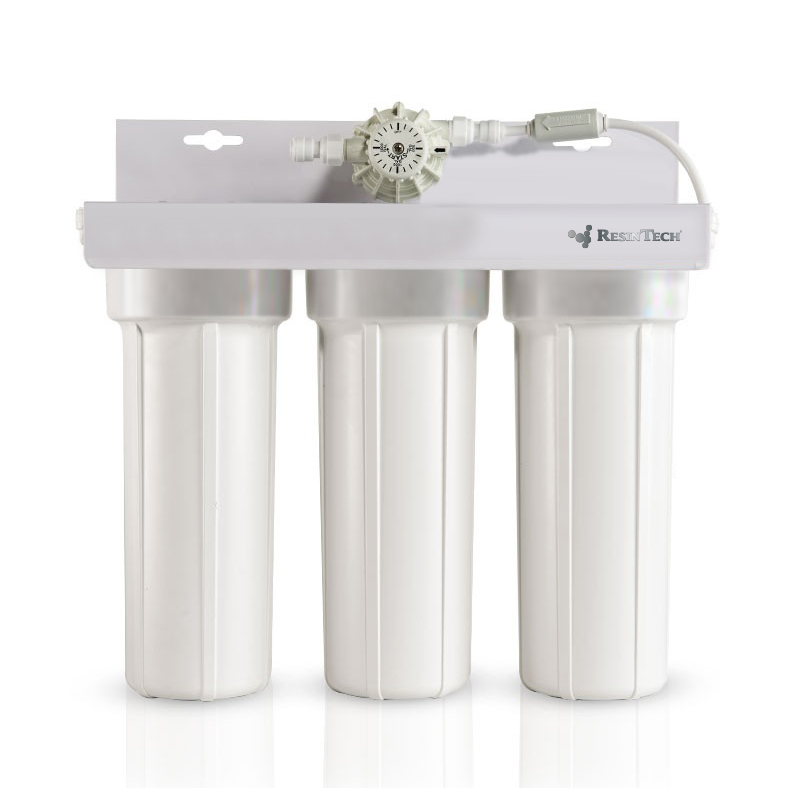
Il sistema DI ad alta capacità Hydra è un sistema a cartuccia preassemblata che fornisce acqua deionizzata di tipo 3 con una resistività migliore di 50 KΩ-cm utilizzando un processo di filtrazione a fasi. Disponibile in due (2) misure.
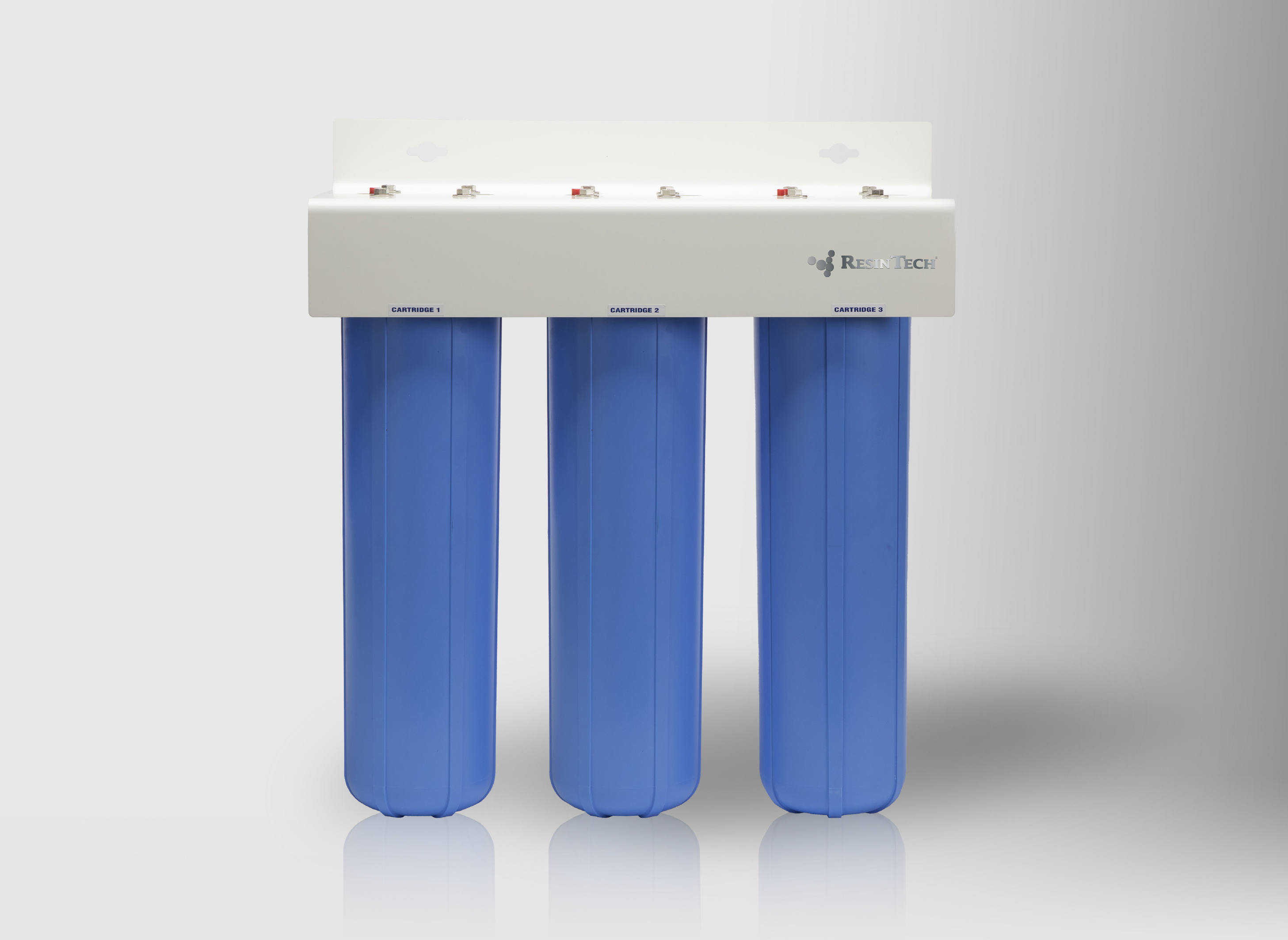
Hydra Pre-Configured Systems
Tipo III (scopo generale)
Il sistema Hydra High-Purity DI è un sistema a cartuccia preassemblata che fornisce acqua deionizzata di tipo 2 con resistività migliore di 10 MΩ-cm utilizzando un processo di filtrazione a fasi. Disponibile in due (2) misure.
Hydra Pre-Configured Systems
Tipo II (DI ad alta purezza)
Un sistema idrico di riduzione dell'arsenico Hydra preconfigurato progettato per facilitare la riduzione dell'arsenico migliorando al tempo stesso la qualità complessiva dell'acqua potabile.
Hydra Pre-Configured Systems
Acqua potabile
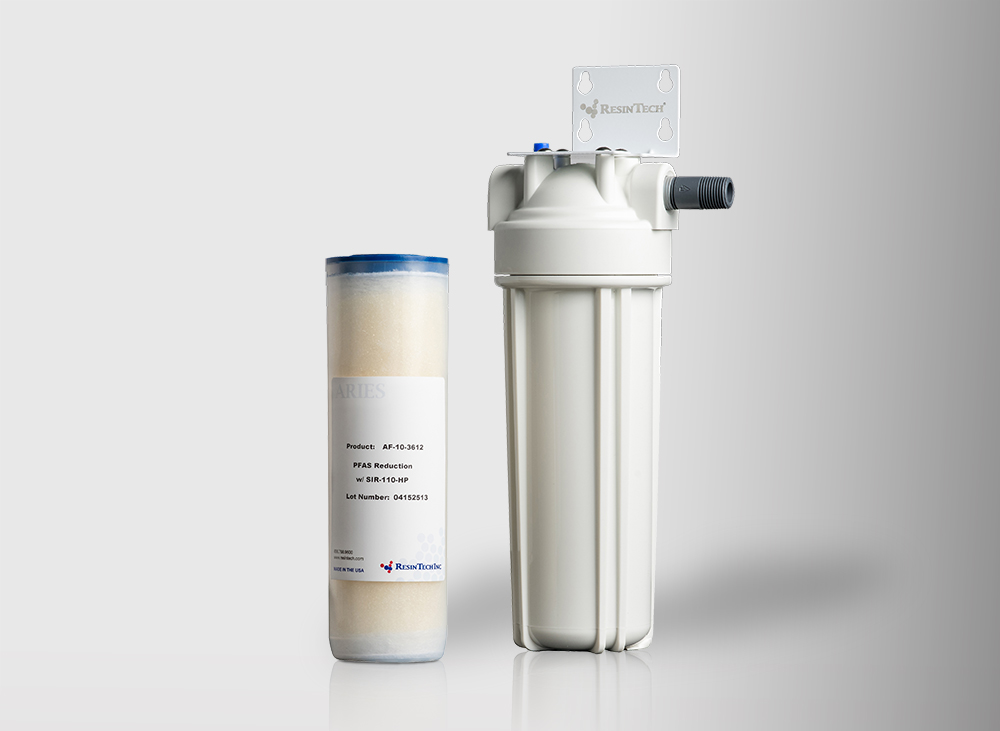
Il sistema di riduzione Hydra PFAS è dotato di un materiale di scambio ionico premium ResinTech® SIR-110-HP nella sua cartuccia filtrante specializzata, che mira e rimuove efficacemente i composti PFAS a catena lunga e corta, inclusi PFOS, PFOA, PFNA, PFHpA, PFHxS, PFBS e PFDA dalla rete idrica.
Hydra Pre-Configured Systems
Acqua potabile
Il sistema Hydra Premium Purity DI è un sistema a cartuccia preassemblata che fornisce acqua deionizzata di tipo 2 con resistività migliore di 10 MΩ-cm utilizzando un processo di filtrazione a fasi. Disponibile in due (2) misure.
Hydra Pre-Configured Systems
Tipo II (DI ad alta purezza)
The ultrapure lab water purification system built start-to-finish in the USA
The ResinTech factory in Camden, New Jersey is the world's most advanced ion exchange resin factory. We pour the resin, pack the cartridges, and build the CLiR systems under ISO 9001, all in one place. No other lab water brand can say that.
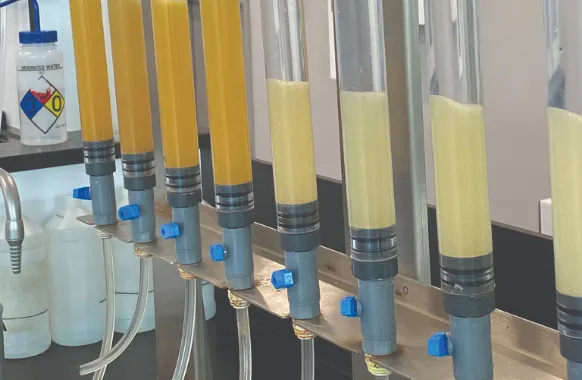
Row of lab columns filled with yellow resin

Half the lifetime cost

Purchase price and consumables run as much as 50% below the brands your lab uses now.
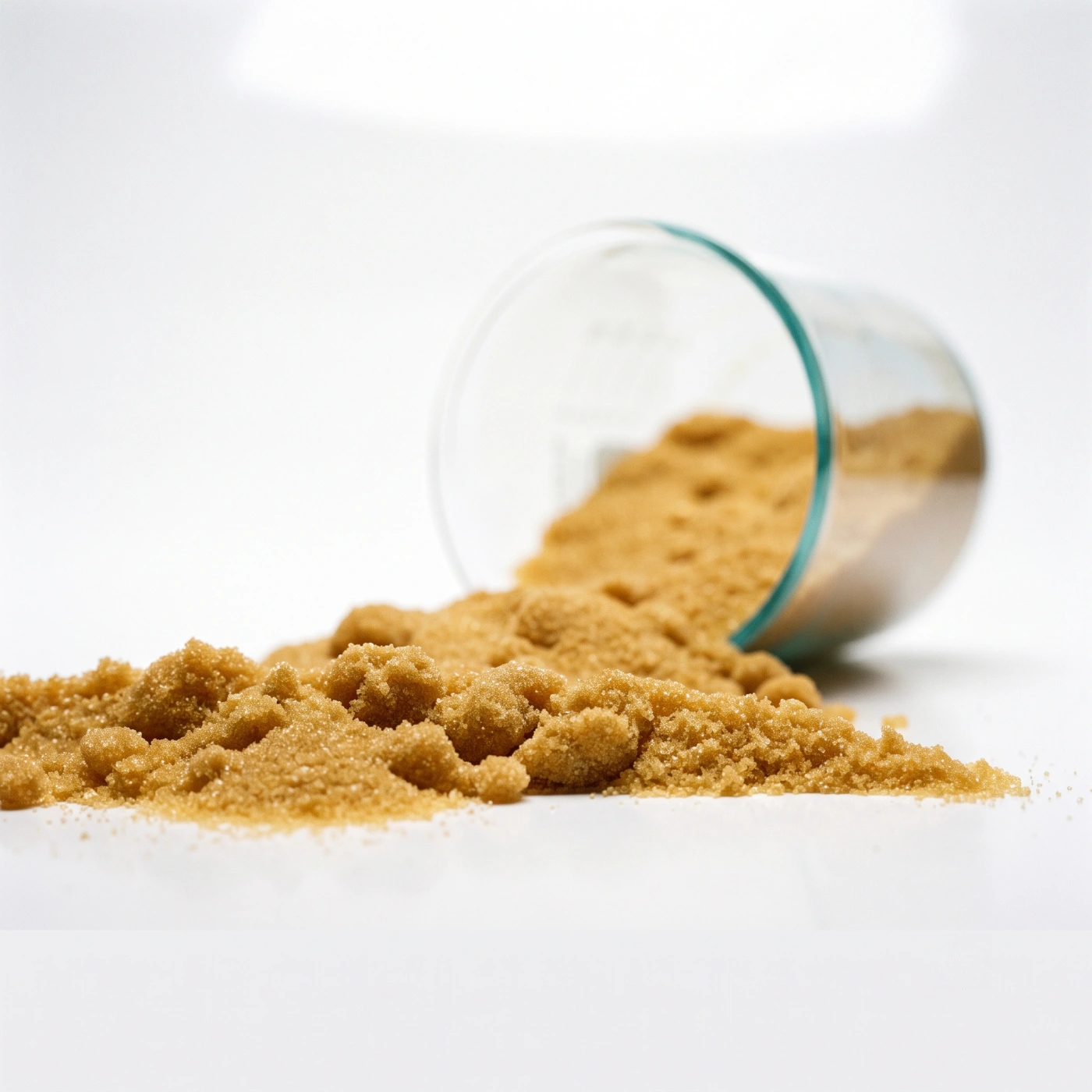
Orange-brown resin powder spilling from a dish

The freshest media in any lab water system

Resin goes from our production line into your cartridges immediately - all in the same building.

Guaranteed supply

Your cartridges come off a solar-powered New Jersey line, never off a boat.
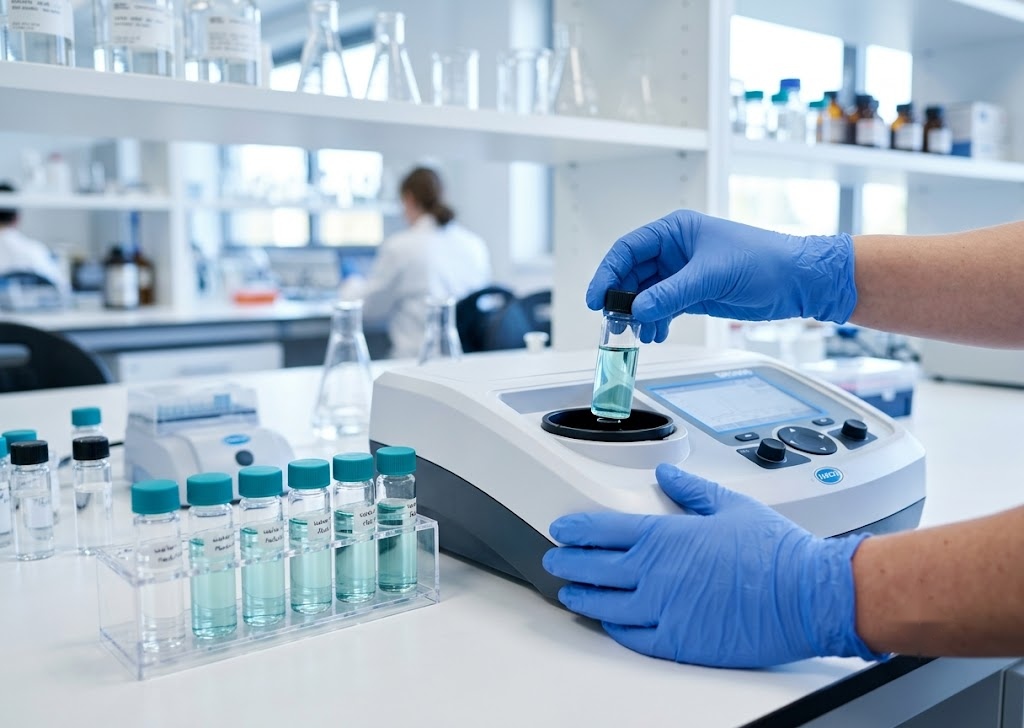
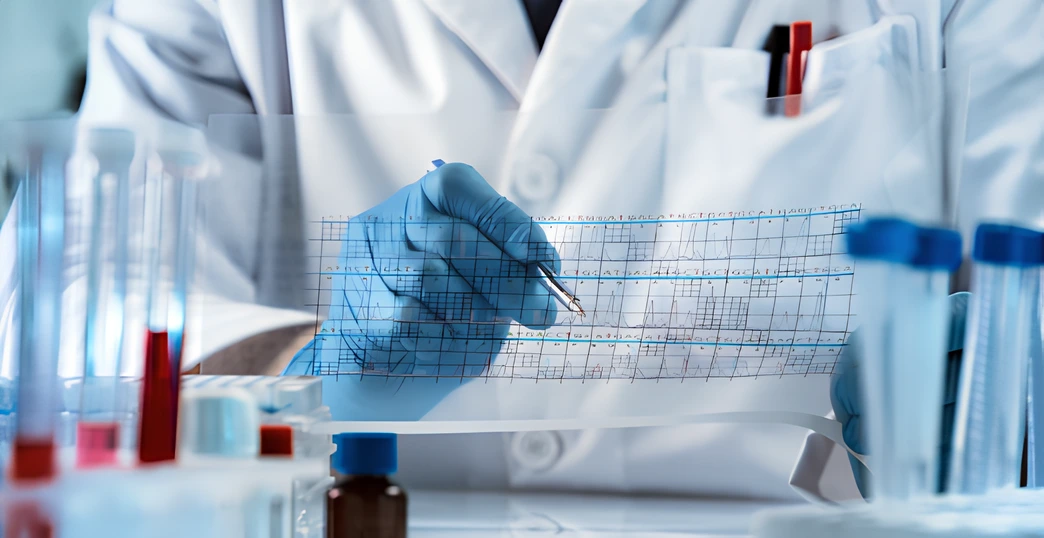
Scientist in blue gloves testing samples with lab instrument

Solvent-free purity

Our resin is manufactured 100% solvent free, so nothing leaches into your ultrapure water.

The same filtration media as the leading lab grade water purification systems. Direct from the manufacturer

The media doing the purification inside the big-name lab water systems is the same media we manufacture in Camden. When you buy a CLiR system, you buy from the source...
Checkmark
The purification technology your lab already trusts, at manufacturer pricing.
Checkmark
Cartridges at a fraction of the cost the big European brands charge for consumables.
Checkmark
No import markups, no tariff exposure, no distributor layers between you and your supply.
Checkmark
Real chemists in your time zone who answer the phone when you have a water quality question.

For principal investigators. Put the savings back into your science

Every dollar your lab spends on water is a dollar that doesn't go to reagents, instrument time, or people. A CLiR ultrapure lab water purification system cuts one of your most predictable recurring costs in half.
Checkmark

Publication-grade water

Type 1 water at 18.2 MΩ·cm, with TOC as low as 1 ppb, protects your baselines, your blanks, and your reputation.
Checkmark

Predictable budgeting

One system, one cartridge schedule, one standing order. No surprise price increases from overseas suppliers.
Checkmark

More budget for research

The 50% you save on water purification over the system's life funds the work you actually got the grant for.

For core facilities. Lower recharge rates, zero downtime excuses

Core labs run on break-even budgeting. Every dollar spent on water purification flows straight into the recharge rates your users' grants pay. When your water system goes down, every investigator on campus who booked instrument time that week stalls with it.
Performance degradation

Cut the cost pool, cut the rates

Water purification at half the cost lowers the operating expenses behind your recharge rate calculation, or frees room in the budget for the services users actually notic
Sugar granules and molecule icon

Predictable budgeting

Your facility runs HPLC for one department, sequencing for another, and cell culture for a third. CLiR configurations cover all four application categories, so one vendor covers every instrument you support.
Laboratory flask with tools icon.

More budget for research

A cartridge stuck in a shipping container is a facility outage you have to explain to dozens of PIs. Domestic manufacturing and standing orders mean the replacement is always on the shelf before you need it.
Running multiple systems across a building or campus? We'll price the fleet and set one cartridge schedule for all of them.
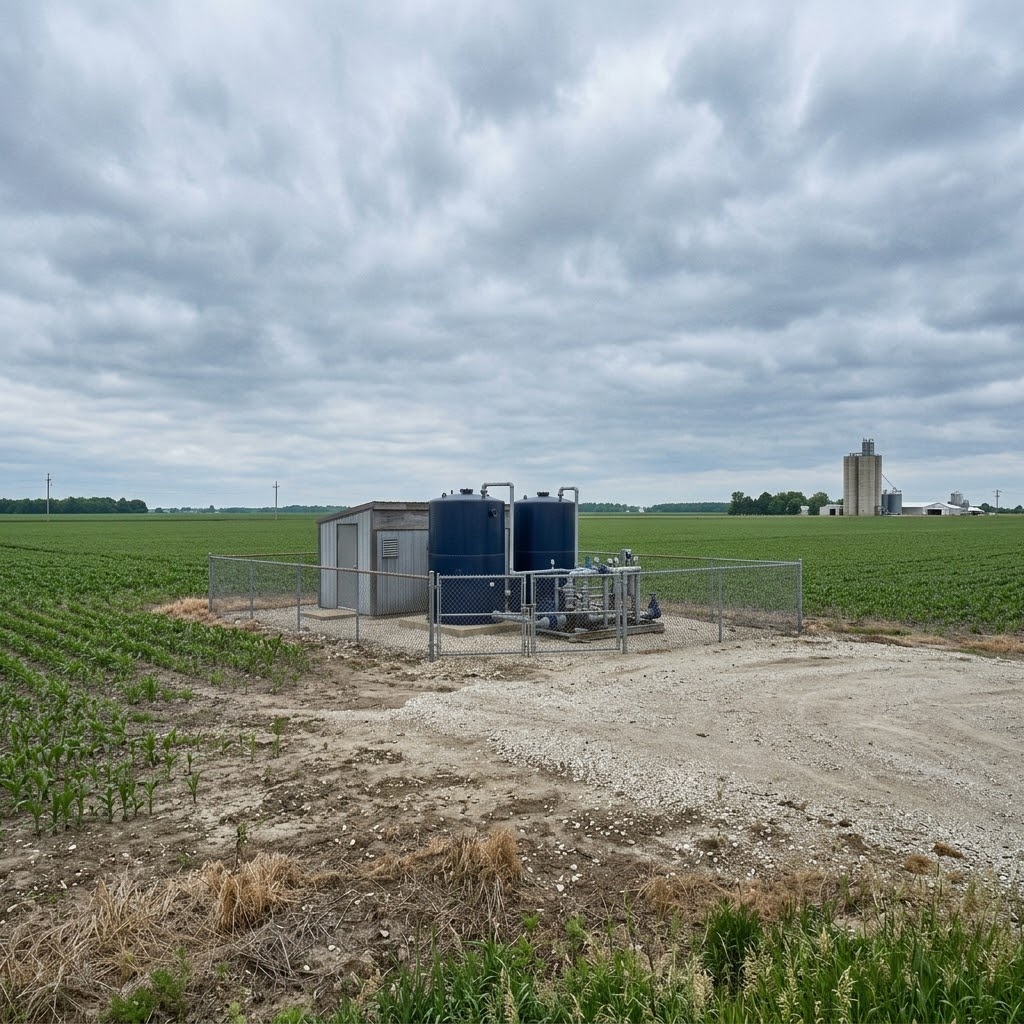
Rural water treatment skid in a farm field

For procurement. One domestic vendor for the system and every consumable after it

You buy the system once. You buy cartridges forever. Buying both from the manufacturer simplifies everything on your side...
Checkmark
Custom pricing within 2 business days, based on your actual water volume.
Checkmark
Standing cartridge orders you set up once and stop thinking about.
Checkmark
A domestic supply chain with zero exposure to port delays, container shortages, or tariffs.
Checkmark
One vendor, one PO process, one point of contact for the system and its consumables.
Checkmark
Manufactured under ISO 9001 in a LEED Silver certified, solar-powered facility, which helps with sustainability reporting requirements.

Type 1 water purification systems for every application in your lab

CLiR lab water systems are configured by application category, so you get the purification stages your work requires and skip the ones that just add cost. Every system delivers 18.2 MΩ·cm Type 1 water. TOC monitoring, UV oxidation, and 0.05 micron ultrafiltration are added where your application demands them.
ResinTech laboratory team
General Chemistry
Ionic impurities and particulates ruin reproducibility in foundational work. CLiR systems for general chemistry deliver consistent Type 1 water for daily lab use.
Scientist pipetting a sample
Analytical Chemistry
Dissolved gases and trace organics show up as noise, ghost peaks, and drifting baselines. Systems for analytical work add UV oxidation and TOC monitoring to bring organics down to 5 ppb or lower
Laboratory technician handling samples
Biologic Chemistry
Microorganisms, endotoxins, and organic compounds threaten cell cultures and molecular studies. Systems for biologic work add 0.05 micron ultrafiltration to protect your biological systems.
Laboratory sample bottles
Genetic Chemistry
Trace metals and nucleases interfere with sequencing and PCR reactions. Systems for genetic work combine TOC monitoring, UV disinfection, and ultrafiltration for TOC below 1 ppb.

Choose your laboratory water purifier by the work you do

Two series cover every lab. Both deliver 18.2 MΩ·cm Type 1 water. The difference is throughput and purification stages.
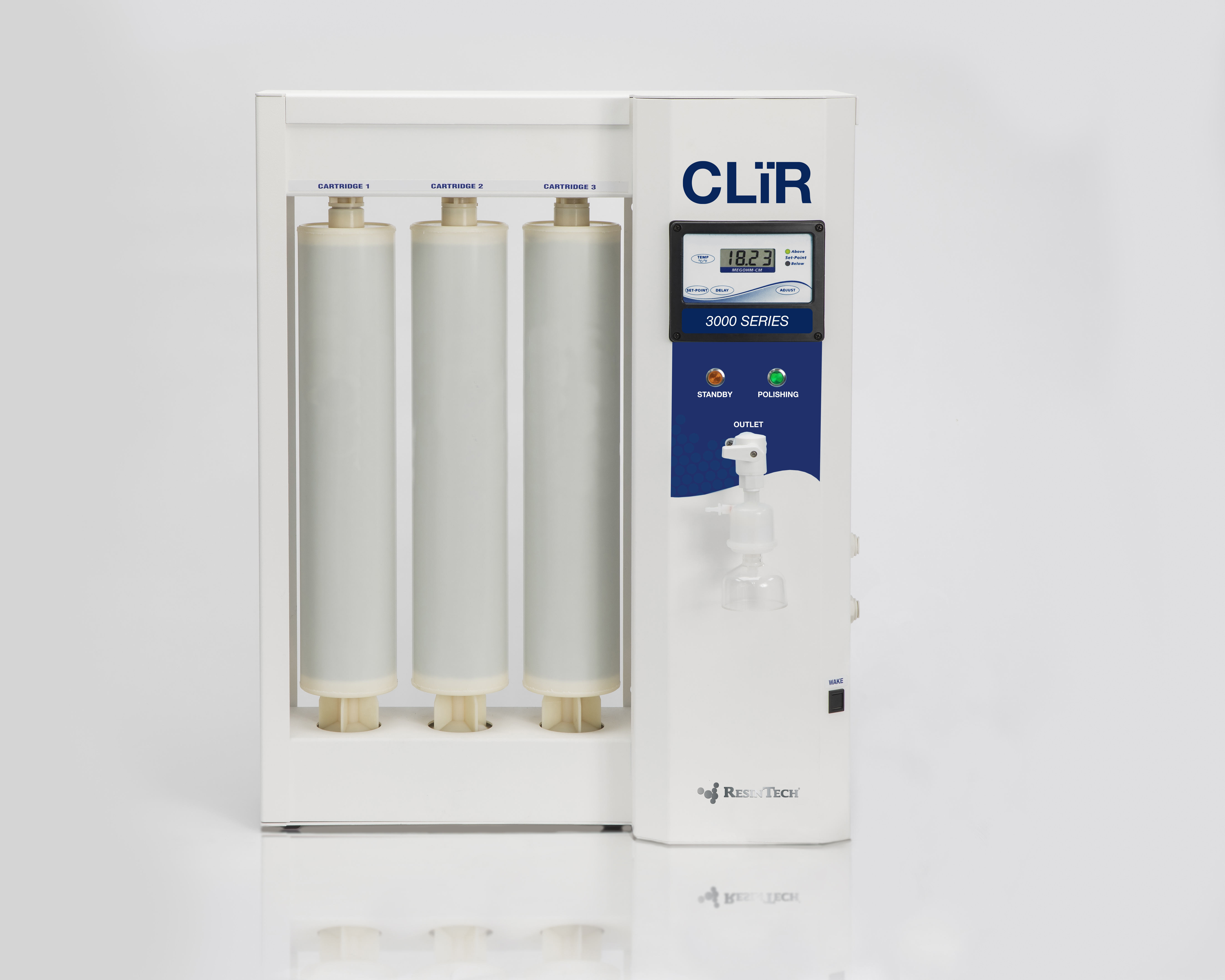
CLiR 3000 series
CLiR 5000 series
Effluent purity
> 18 MΩ·cm
> 18 MΩ·cm
Microorganisms
< 10 CFU/ml
< 1 CFU/ml
Maximum output
4 lpm
2-2.5 lpm
TOC monitoring
Available
Available
UV oxidation
Available
Available
0.05 micron ultrafiltration
Available
Available
Effluent TOC
As low as 5 ppb
As low as 1 ppb
Mounting
Countertop, wall mount
Countertop, wall mount, remote dispense
Voltage
120V
120V or 220V
Effluent purity
CLiR 3000 series
> 18 MΩ·cm
CLiR 5000 series
> 18 MΩ·cm
Microorganisms
CLiR 3000 series
< 10 CFU/ml
CLiR 5000 series
< 1 CFU/ml
Maximum output
CLiR 3000 series
4 lpm
CLiR 5000 series
2-2.5 lpm
TOC monitoring
CLiR 3000 series
Available
Typical approach
Available
UV oxidation
CLiR 3000 series
Available
CLiR 5000 series
Available
0.05 micron ultrafiltration
CLiR 3000 series
Available
CLiR 5000 series
Available
Effluent TOC
CLiR 3000 series
As low as 5 ppb
CLiR 5000 series
As low as 1 ppb
Mounting
CLiR 3000 series
Countertop, wall mount
CLiR 5000 series
Countertop, wall mount, remote dispense
Voltage
CLiR 3000 series
120V
CLiR 5000 series
120V or 220V
Use the system selector to match a model to your application, or tell us what you're doing and we'll do the matching for you.

What does a laboratory water purification system price look like?

The purchase price of a lab water system is the smaller number. Cartridges, service contracts, and consumables over 5-10 years of operation usually cost more than the system itself. That's where buying from the manufacturer changes the math...
Checkmark
CLiR systems cost as much as 50% less to buy than comparable systems from the big European brands.
Checkmark
The consumables cost as much as 50% less too, every replacement cycle, for the life of the system.
Checkmark
There's no distributor markup and no import cost baked into the price.Pricing is custom to your volume, so high-consumption labs save more
Run your numbers through the savings calculator, or send us your current water costs and we'll show you the comparison.

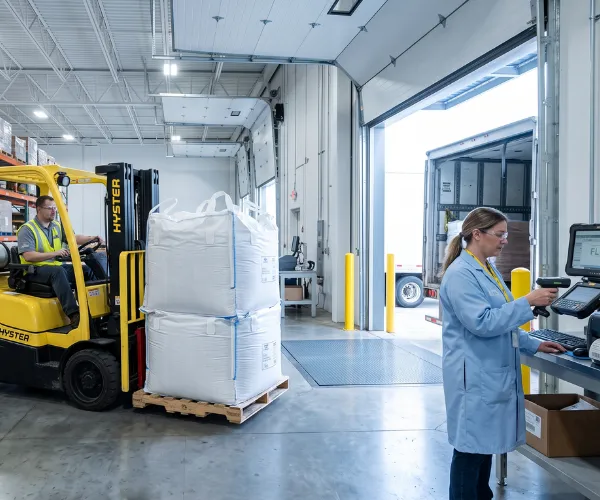
Forklift and worker loading bulk bags at a dock
Case study: replacing bottled and delivered lab water
ResinTech laboratory

You, working in the lab.

Running a low to medium volume lab on bottled Type 1 water or a delivery contract. Placing new orders every time consumption changes.
Industrial water treatment facility aisle with tanks

The problems you're dealing with.

It's expensive per liter. It eats storage space. And it's impractical: someone has to order it, receive it, shelve it, and haul it to the bench every week.
Technician beside tall industrial water filtration vessels

The solution.

A CLiR lab water system with a standing cartridge order gives you fresh 18.2 MΩ·cm water on demand and cuts your waste, storage, and administrative burden by 90%.
Indoor swimming pool beside water filtration tanks

Lab water systems your facilities team will thank you for

Most laboratory water systems come loaded with features that add cost and complexity without adding purity. CLiR systems are meant to install fast, run reliably, and swap cartridges without a service call...
Checkmark
Countertop, wall mount, and remote dispense configurations fit any bench layout.
Checkmark
Cartridges replace by hand, no tools and no technician visit.
Checkmark
Standard 3/8" OD tubing connects to your existing feed.
Checkmark
120V and 220V models cover any facility.

Frequently asked questions about lab water purification systems

What is Type 1 water?
Next
Type 1 water, also called ultrapure water, is the highest purity grade defined by ASTM and ISO 3696 standards. It has a resistivity of 18.2 MΩ·cm at 25°C, meaning nearly all ionic contaminants are removed, along with tight limits on organics, particulates, and microorganisms. Type 1 water is required for sensitive applications like HPLC, ICP-MS, cell culture, PCR, and DNA sequencing, where trace contaminants would affect results.
What's the difference between Type 1, Type 2, and Type 3 water?
Next
The types describe decreasing purity grades. Type 1 (ultrapure, 18.2 MΩ·cm) is for critical analytical and life science applications. Type 2 (>1 MΩ·cm) suits general lab work like buffer and media preparation. Type 3 (>0.05 MΩ·cm) covers non-critical uses like glassware rinsing and feeding Type 1 systems. Many labs use one lab water purification system to produce Type 1 water for everything, since the cost per liter is low enough that maintaining separate grades often isn’t worth the complexity.
How do I choose a lab water purification system?
Next
Start with your most demanding application, since the system must meet its purity requirements. Then work through…
Checkmark
Water quality. Applications like PCR and DNA sequencing need TOC below 1 ppb and ultrafiltration. General chemistry needs 18.2 MΩ·cm resistivity without the extras.
Checkmark
Daily volume. Match the system’s output rate and capacity to your actual consumption so you’re not paying for unused capacity.
Checkmark
Feed water. Most systems run from potable tap water, but your feed water quality affects cartridge life.
Checkmark
Total cost of ownership. Compare cartridge prices and replacement frequency, not just the purchase price. Consumables usually cost more than the system over its life.
Checkmark
Supply reliability. If your cartridges come from overseas, your research schedule depends on a shipping container.
What's the difference between deionized water and Type 1 ultrapure water?
Next
Deionized water has had its dissolved ions removed through ion exchange, but may still contain organics, particulates, and microorganisms. Type 1 ultrapure water starts with deionization and adds further purification stages, like UV oxidation for organics and ultrafiltration for particles and biologics, to meet the full Type 1 specification.
How much does a laboratory water purification system cost?
Next
Pricing depends on your purity requirements, daily volume, and configuration, which is why we quote custom pricing rather than list prices. As a rule, a CLiR system costs as much as 50% less than a comparable system from the major imported brands, both at purchase and across every cartridge replacement after it. Tell us your application and volume and you’ll have pricing within 2 business days.
How often do ultrapure lab water purification system cartridges need replacing?
Next
Replacement frequency depends on your feed water quality and consumption. The system monitors water quality continuously and tells you when a cartridge is exhausted, so you replace on actual performance rather than a calendar schedule. Fresh media straight from our production line also delivers full capacity, unlike cartridges that spent months in warehouses and shipping containers before reaching your lab.
Can a CLiR system replaced bottled Type 1 water?
Next
Yes, and it should. Bottled ultrapure water costs far more per liter than water you produce on site, takes up storage space your lab needs for other things, and adds a recurring cycle of ordering, receiving, and hauling that nobody wants to own. A CLiR system puts the same grade of water on tap at the bench.
Do CLiR systems monitor water quality?
Next
Every system continuously monitors resistivity. Models built for analytical and genetic applications add real-time TOC monitoring, so you have documented water quality for methods that require it.
What applications need an ultrapure lab water purification system?
Next
Any application where trace contaminants affect results…
Checkmark
Analytical techniques like HPLC, ICP-MS, GC/MS, and atomic absorption.
Checkmark
Life science work including cell culture, microbiology, and immunochemistry.
Checkmark
Genetic applications like PCR, DNA sequencing, and molecular biology.
Checkmark
Clinical diagnostics and reagent preparation.
Checkmark
Trace metals and trace organics detection.
Where are CLiR systems made?
Next
Everything is made in Camden, New Jersey. The ion exchange resin, the cartridges, and the complete system all come from the same solar-powered, ISO 9001 facility, the first new resin manufacturing plant built in the USA in over three decades. That makes CLiR the only lab water purification system with a fully domestic supply chain, from raw resin to the cartridge on your wall.