General Chemistry
Atomic Absorption
Atomic Absorption Spectrometry (AAS) is a technique used for the quantitative analysis of elements in a sample based on the absorption of specific wavelengths of light. In AAS experiments, the quality of water is critical for various applications such as sample preparation, dilution, and the preparation of standards. High-purity water is essential to prevent interference with the elemental analysis and ensure the accuracy of AAS results.
What Is The Impact Of Water In
Atomic Absorption Spectrometry?
Atomic Absorption Spectrometry (AAS) is a technique used for the quantitative analysis of elements in a sample based on the absorption of specific wavelengths of light. In AAS experiments, the quality of water is critical for various applications such as sample preparation, dilution, and the preparation of standards. High-purity water is essential to prevent interference with the elemental analysis and ensure the accuracy of AAS results.
What Types Of Contaminants In Water Can Affect Atomic Absorption Spectrometry?
Water impurities that can impact AAS experiments include:

Ionic Contaminants
Impact:
Elevated levels of metal ions in water can interfere with atomic absorption
spectrometry (AAS).
spectrometry (AAS).
Effect:
Excess metal ions may introduce background signals, affecting the sensitivity
of metal concentration measurements. This interference can lead to
inaccuracies in trace element analyses.
of metal concentration measurements. This interference can lead to
inaccuracies in trace element analyses.

Particulates
Impact:
Presence of particulate matter in water can cause blockages in the sample
introduction system of flame used in AAS.
introduction system of flame used in AAS.
Effect:
Blockages can result in fluctuations in the atomization process, compromising
the reproducibility of measurements. Particulates may contribute to baseline
noise, affecting the clarity of absorbance signals.
the reproducibility of measurements. Particulates may contribute to baseline
noise, affecting the clarity of absorbance signals.
Water Measurement Requirements for Atomic Absorption Spectrometry
In Atomic Absorption Spectrometry (AAS), precision and accuracy in measuring trace elements are paramount. The quality of water used in sample preparation significantly influences the reliability of AAS results. For applications demanding high sensitivity and minimal interference, the use of apyrogenic, Type I ultrapure water is strongly recommended.
Water Measurement Requirements for Atomic Absorption Spectrometry
In Atomic Absorption Spectrometry (AAS), precision and accuracy in measuring trace elements are paramount. The quality of water used in sample preparation significantly influences the reliability of AAS results. For applications demanding high sensitivity and minimal interference, the use of apyrogenic, Type I ultrapure water is strongly recommended.
Flame Atomic Absorption Spectrometry (FAAS) and Graphite Furnace Atomic Absorption Spectrometry (GFAAS) techniques are primarily focused on detecting and quantifying trace elements in samples. These techniques do not typically involve the use of endotoxin standards. Endotoxins, which are components of the outer membrane of Gram-negative bacteria, are more relevant in biological and pharmaceutical applications, particularly in the context of cell culture, molecular biology, and clinical diagnostics. In analytical techniques like FAAS and GFAAS, the emphasis is on minimizing contamination and interference with the sample matrix to ensure accurate elemental analysis. Therefore, the water quality standards for FAAS and GFAAS usually prioritize factors such as resistivity, total organic carbon (TOC), and particulate filtration rather than endotoxin control.
Water Quality Standards According to Industry Guidelines:
The water purity required for AAS depends on the technique being used. Type I water is required for GFAAS, due the very high sensitivity of this method. Type Il water is generally considered sufficient for FAAS, where detection limits are typically in the ppm to ppb range.
Adhering to these water quality standards is crucial for the success and accuracy of Atomic Absorption Spectrometry experiments. Type I water is recommended for critical applications, while Type Il water may be suitable for routine experiments.
NOTES:
If removal of finer particulates (< 0.05 micron) is required, consider upgrading to CLS-3300 and CLS-5300 series systems.
System
Label
System Depth (in)
System Height (in)
System Width (in)
Dry Weight (lbs)
Inlet Connection
System Voltage
TOC Monitoring
0.05μ Ultrafiltration
Ultraviolet Oxidation
Effluent Purity
Effluent Microorganisms
Effluent Sodium
Effluent Chlorides
Effluent TOC
System Maximum
Output (lpm)
Volumetric Presets
Mounting
Laboratory Applications
CAtegory
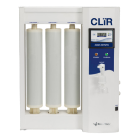

CLïR 3100 High Purity Lab Water System
10
25.25
21
32
⅜" O.D. Tubin
120V/60Hz
> 18 MΩ/cm
< 10 CFU / ml
< 1ppb
< 1ppb
< 15 ppb
4
Countertop, Wall Mount
Academia, Atomic Absorption, Clinical Diagnostics, Reagent Grade Solutions, Trace Metals Detection
General Chemistry
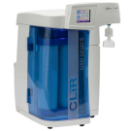
CLïR 5100 Ultrapure Lab Water System (Remote 120V)
14.4
21.6
14.7
42
⅜" O.D. Tubing
120V/60Hz
> 18 MΩ/cm
< 1 CFU/ml
< 1ppb
< 1ppb
< 15 ppb
2.5
Wall Mount, Remote Dispense
Academia, Atomic Absorption, Clinical Diagnostics, Reagent Grade Solutions, Trace Metals Detection
General Chemistry
CLïR 5100 Ultrapure Lab Water System (Remote 220V)
14.4
21.6
14.7
42
⅜" O.D. Tubing
220V/50Hz
> 18 MΩ/cm
< 1 CFU/ml
< 1ppb
< 1ppb
< 15 ppb
2.5
Wall Mount, Remote Dispense
Academia, Atomic Absorption, Clinical Diagnostics, Reagent Grade Solutions, Trace Metals Detection
General Chemistry
CLïR 5100 Ultrapure Lab Water System (Standard 120V)
14.4
21.6
14.7
42
⅜" O.D. Tubing
120V/60Hz
> 18 MΩ/cm
< 1 CFU/ml
< 1ppb
< 1ppb
< 15 ppb
2.5
Countertop
Academia, Atomic Absorption, Clinical Diagnostics, Reagent Grade Solutions, Trace Metals Detection
General Chemistry
System
Label
System Depth (in)
System Height (in)
System Width (in)
Dry Weight (lbs)
Inlet Connection
System Voltage
TOC Monitoring
0.05μ Ultrafiltration
Ultraviolet Oxydation
Effluent Purity
Effluent
Microorganisms
Effluent Sodium
Effluent Chloride
Effluent TOC
System Maximum
Output (lpm)
Volumetric Presets
Mounting
Laboratory Applications
CAtegory
CLïR 3100 High Purity Lab Water System
10
25.25
21
32
⅜" O.D. Tubin
120V/60Hz
> 18 MΩ/cm
< 10 CFU / ml
< 1ppb
< 1ppb
< 15 ppb
4
Countertop, Wall Mount
Academia, Atomic Absorption, Clinical Diagnostics, Reagent Grade Solutions, Trace Metals Detection
System
Label
System Depth (in)
System Height (in)
System Width (in)
Dry Weight (lbs)
Inlet Connection
System Voltage
TOC Monitoring
0.05μ Ultrafiltration
Ultraviolet Oxydation
Effluent Purity
Effluent
Microorganisms
Effluent Sodium
Effluent Chloride
Effluent TOC
System Maximum
Output (lpm)
Volumetric Presets
Mounting
Laboratory Applications
CAtegory
CLïR 5100 Ultrapure Lab Water System (Remote 120V)
14.4
21.6
14.7
42
⅜" O.D. Tubing
120V/60Hz
> 18 MΩ/cm
< 1 CFU/ml
< 1ppb
< 1ppb
< 15 ppb
2.5
Wall Mount, Remote Dispense
Academia, Atomic Absorption, Clinical Diagnostics, Reagent Grade Solutions, Trace Metals Detection
System
Label
System Depth (in)
System Height (in)
System Width (in)
Dry Weight (lbs)
Inlet Connection
System Voltage
TOC Monitoring
0.05μ Ultrafiltration
Ultraviolet Oxydation
Effluent Purity
Effluent
Microorganisms
Effluent Sodium
Effluent Chloride
Effluent TOC
System Maximum
Output (lpm)
Volumetric Presets
Mounting
Laboratory Applications
CAtegory
CLïR 5100 Ultrapure Lab Water System (Remote 220V)
14.4
21.6
14.7
42
⅜" O.D. Tubing
220V/50Hz
> 18 MΩ/cm
< 1 CFU/ml
< 1ppb
< 1ppb
< 15 ppb
2.5
Wall Mount, Remote Dispense
Academia, Atomic Absorption, Clinical Diagnostics, Reagent Grade Solutions, Trace Metals Detection
System
Label
System Depth (in)
System Height (in)
System Width (in)
Dry Weight (lbs)
Inlet Connection
System Voltage
TOC Monitoring
0.05μ Ultrafiltration
Ultraviolet Oxydation
Effluent Purity
Effluent
Microorganisms
Effluent Sodium
Effluent Chloride
Effluent TOC
System Maximum
Output (lpm)
Volumetric Presets
Mounting
Laboratory Applications
CAtegory
CLïR 5100 Ultrapure Lab Water System (Standard 120V)
14.4
21.6
14.7
42
⅜" O.D. Tubing
120V/60Hz
> 18 MΩ/cm
< 1 CFU/ml
< 1ppb
< 1ppb
< 15 ppb
2.5
Countertop
Academia, Atomic Absorption, Clinical Diagnostics, Reagent Grade Solutions, Trace Metals Detection
System
Label
System Depth (in)
System Height (in)
System Width (in)
Dry Weight (lbs)
Inlet Connection
System Voltage
TOC Monitoring
0.05μ Ultrafiltration
Ultraviolet Oxydation
Effluent Purity
Effluent
Microorganisms
Effluent Sodium
Effluent Chloride
Effluent TOC
System Maximum
Output (lpm)
Volumetric Presets
Mounting
Laboratory
Applications
CAtegory
System
Label
System Depth (in)
System Height (in)
System Width (in)
Dry Weight (lbs)
Inlet Connection
System Voltage
TOC Monitoring
0.05μ Ultrafiltration
Ultraviolet Oxydation
Effluent Purity
Effluent
Microorganisms
Effluent Sodium
Effluent Chloride
Effluent TOC
System Maximum
Output (lpm)
Volumetric Presets
Mounting
Laboratory
Applications
CAtegory
CLïR 3100 High Purity Lab Water System
10
25.25
21
32
⅜" O.D. Tubin
120V/60Hz
> 18 MΩ/cm
< 10 CFU / ml
< 1ppb
< 1ppb
< 15 ppb
4
Countertop, Wall Mount
Academia, Atomic Absorption, Clinical Diagnostics, Reagent Grade Solutions, Trace Metals Detection
General Chemistry
CLïR 5100 Ultrapure Lab Water System (Remote 120V)
14.4
21.6
14.7
42
⅜" O.D. Tubing
120V/60Hz
> 18 MΩ/cm
< 1 CFU/ml
< 1ppb
< 1ppb
< 15 ppb
2.5
Wall Mount, Remote Dispense
Academia, Atomic Absorption, Clinical Diagnostics, Reagent Grade Solutions, Trace Metals Detection
General Chemistry
CLïR 5100 Ultrapure Lab Water System (Remote 220V)
14.4
21.6
14.7
42
⅜" O.D. Tubing
220V/50Hz
> 18 MΩ/cm
< 1 CFU/ml
< 1ppb
< 1ppb
< 15 ppb
2.5
Wall Mount, Remote Dispense
Academia, Atomic Absorption, Clinical Diagnostics, Reagent Grade Solutions, Trace Metals Detection
General Chemistry
CLïR 5100 Ultrapure Lab Water System (Standard 120V)
14.4
21.6
14.7
42
⅜" O.D. Tubing
120V/60Hz
> 18 MΩ/cm
< 1 CFU/ml
< 1ppb
< 1ppb
< 15 ppb
2.5
Countertop
Academia, Atomic Absorption, Clinical Diagnostics, Reagent Grade Solutions, Trace Metals Detection
General Chemistry