Types of Water
Lab water is classified into different types based on its purity levels and the intended use. These types include:
Type 1 (Ultra-Pure) Water
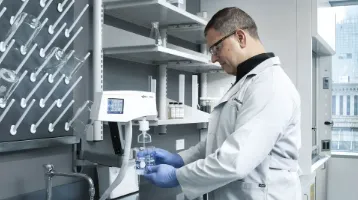
Type 1 water is the highest purity level and is suitable for critical laboratory applications, such as molecular biology, cell culture, and analytical techniques like high-performance liquid chromatography (HPLC) and mass spectrometry.
Type 2 Pure Water
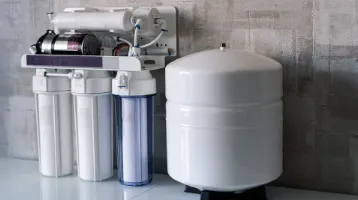
Type 2 water is of lower purity compared to Type 1 and is commonly used in general laboratory applications like buffer and media preparation, glassware rinsing, and some analytical techniques where lower purity standards are acceptable.
Type 3 General-Purpose Water
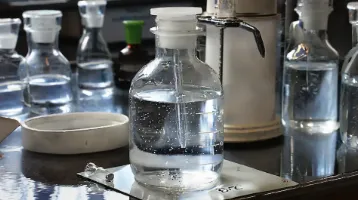
Type 3 water is the least pure among the three types and is suitable for non-critical laboratory applications, such as heating baths, equipment rinsing, and other general lab tasks.
Resistivity and Conductivity
The resistivity of water is a measure of its ability to resist the flow of electric current. It is an intrinsic property of the material itself.

Unit
Moist filter media sitting in warehouses for months or years becomes a breeding ground for bacteria - the opposite of what filtration should accomplish.

Relationship
Higher resistivity indicates a poorer conductor,
and vice versa.
and vice versa.

Water Quality
In Water quality assessments, low resistivity may indicate the presence of ions or impurities that enhance the water's conductivity.
Type I Water
Resistivity (measured as megaohm-cm at 25°C)
>18 MΩ-cm
Conductivity (microsiemens/cm at 25°C)
<.055 μS/cm
Type II Water
Resistivity (measured as megaohm-cm at 25°C)
1.0 to 18.0MΩ-cm
Conductivity (microsiemens/cm at 25°C)
.055 to 1 μS/cm
Type III Water
Resistivity (measured as megaohm-cm at 25°C)
0.1 to 1.0 MΩ-cm
Conductivity (microsiemens/cm at 25°C)
1 to 10 μS/cm
For water purity assessment, especially in the context of lab water quality, high resistivity and low conductivity are desirable characteristics. Ultra-pure water used in laboratories often has high resistivity, indicating low levels of dissolved ions and impurities.
It's important to note that these resistivity ranges are general guidelines, and specific applications or standards may have slightly different requirements. Laboratories often use one or more lab water purification systems, such as reverse osmosis (RO), deionization (DI), and polishing techniques, to achieve the desired water quality for each type. Regular monitoring of water quality parameters, including resistivity and conductivity, is essential to ensure consistency and reliability in laboratory applications.
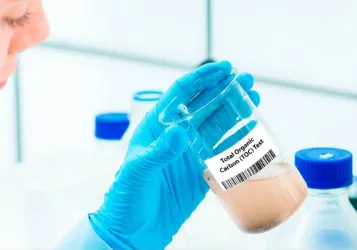
Total Organic Carbons (TOC)
TOC serves as a critical metric for measuring organic impurities in water. Keeping TOC levels low is imperative, especially in applications where organic contamination could introduce variability and compromise the reliability of results.
The intricate relationship between TOC, resistivity, and conductivity highlights their collective role in maintaining water purity. Regular monitoring of these parameters is fundamental for laboratories committed to upholding the highest standards of precision and reliability in their scientific endeavors.
Purification Methodologies
Water purification methods play a vital role in achieving the desired water quality. Common methodologies include:

Reverse Osmosis (RO)
Removes ions and larger particles, forming the foundation for subsequent purification steps.

Deionization (DI)
Eliminates ionized impurities and thereby increased resistivity. This method is often used in tandem with RO, providing an additional layer of purification for enhanced water quality.

Ultrafiltration
Targets particles and macromolecules, contributing significantly to the overall purity of the water.

UV Oxidation
Focused on microbial control (bacteria, viruses, and fungi), UV disinfection is a physical process that utilizes the germicidal properties of ultraviolet light to disrupt the DNA or RNA of microorganisms, preventing their ability to replicate and causing their inactivation.
Understanding the synergies among these purification methods equips scientists with insights into developing a comprehensive water purification system tailored to the specific needs of their laboratory.
Typical Labaratory Application
It's important to note that the suitability of each type of water for specific applications may vary depending on the specific requirements of the experiment or analysis.Laboratories often use a combination of water types to meet the diverse needs of different applications within their workflows.
Type I Water

Molecular Biology
Removes ions and larger particles, forming the foundation for subsequent purification steps.

High-Performance Liquid
Chromatography (HPLC)
Required for precise separations and analyses in HPLC applications.
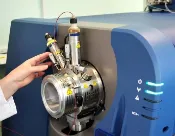
Mass spectrometry
Required for precise separations and analyses in HPLC applications.
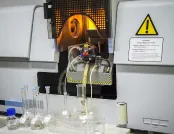
Atomic Absorption Spectroscopy
(AAS)
Used for trace metal analysis, demanding high purity for reliable results.
Type II Water

Buffer Preparation
Suitable for general laboratory tasks, including the preparation of buffers for various experiments.

Glassware Rinsing
Ideal for rinsing laboratory glassware to prevent contamination in subsequent experiments.

Autoclave Operations
Used in autoclaves for sterilization purposes.

General Laboratory Analysis
Appropriate for routine analyses where ultra-high purity is not a strict requirement.
Type III Water
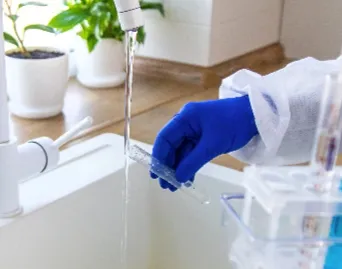
Equipment Rinsing
Suitable for rinsing laboratory equipment and containers.
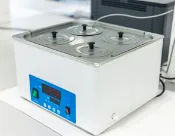
Heating Baths
Used in heating baths for experiments that do not require ultra-high purity water.
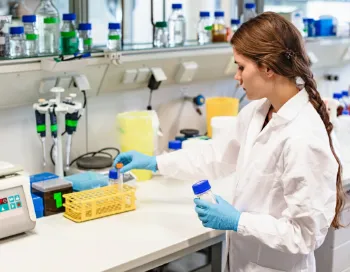
Non-Critical Laboratory Applications
Appropriate for various non-critical tasks where water purity is less critical.
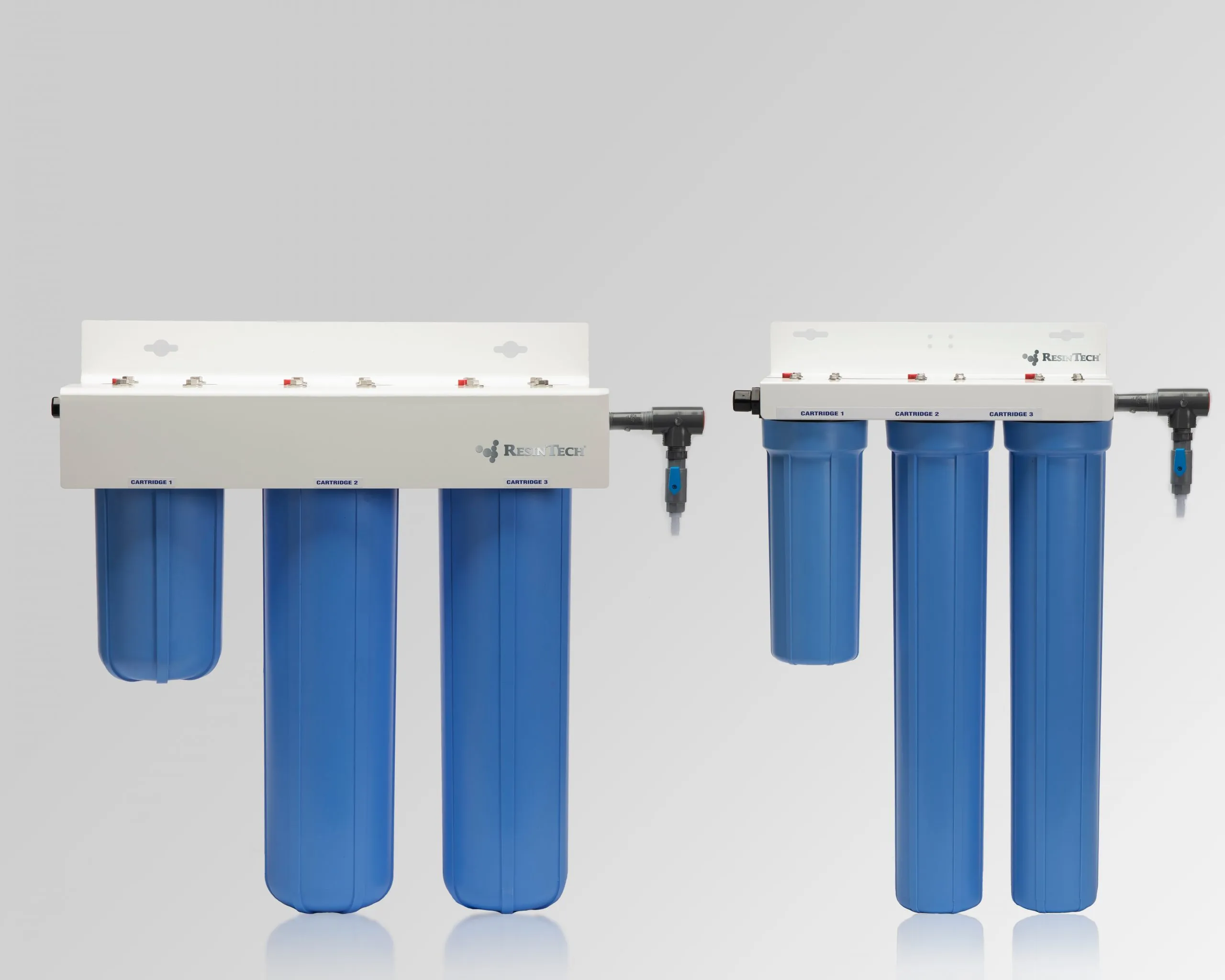
Hydra Systems
The Hydra DI System is a pre-assembled cartridge system that provides deionized water using a staged filtration process. Suitable for pre-treatment or applications requiring Type Il water quality, Hydra systems include cartridges and a resistivity indicator for a total turnkey system.