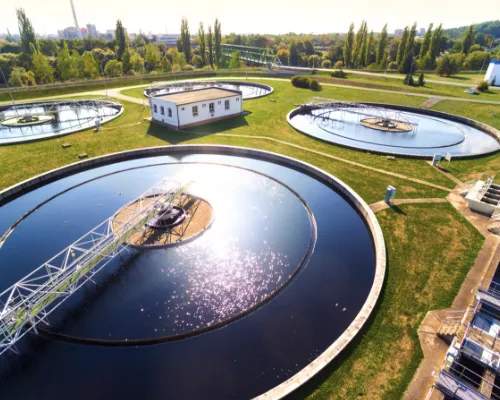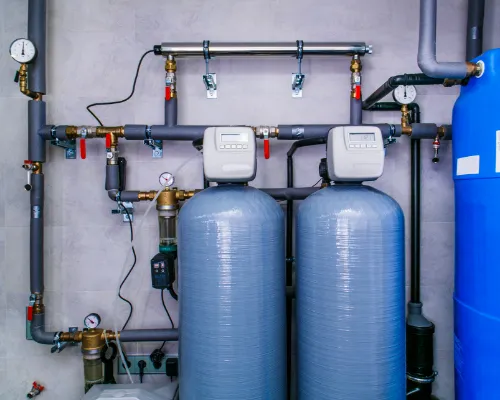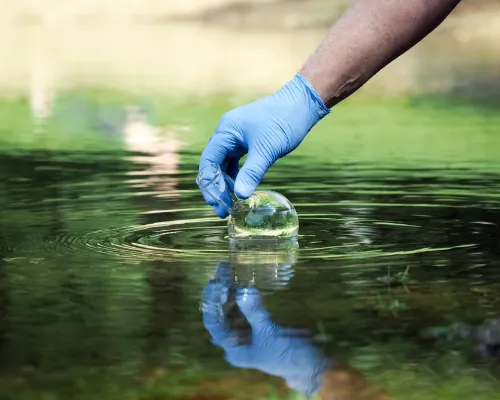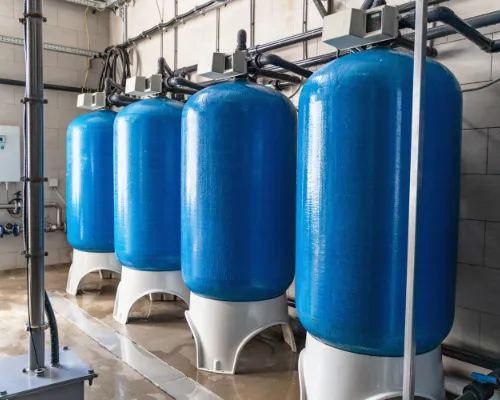
Boiler / Makeup Water
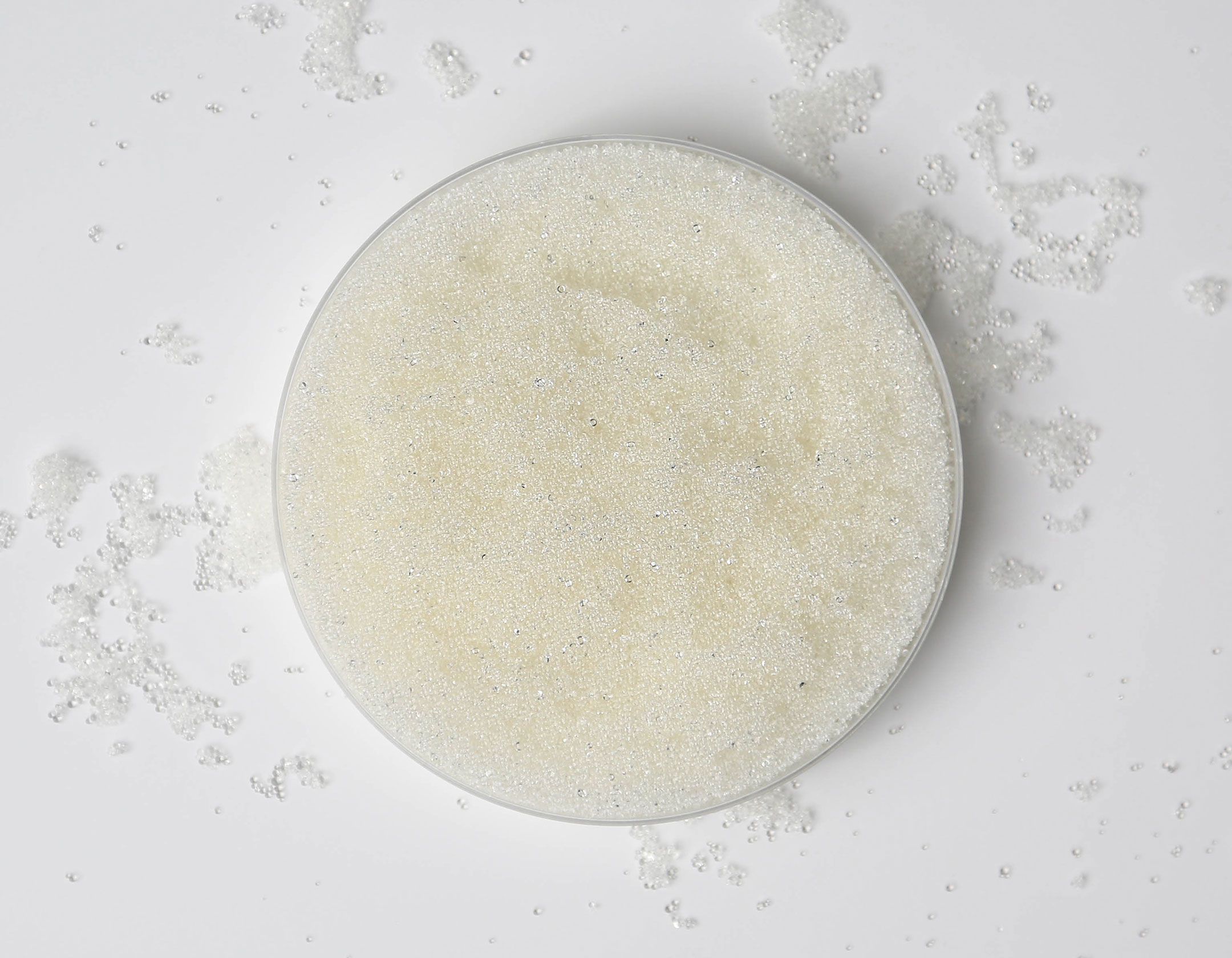
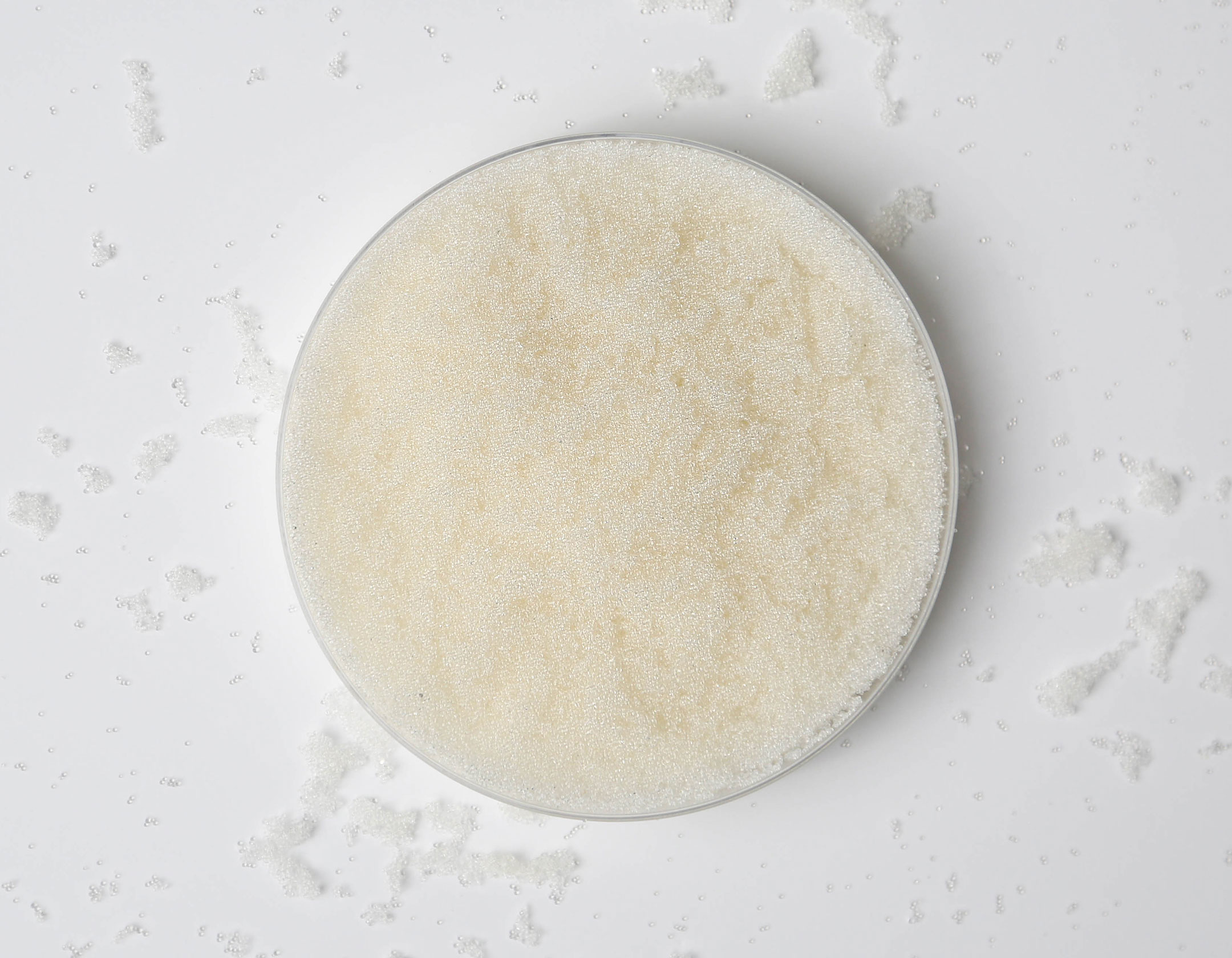
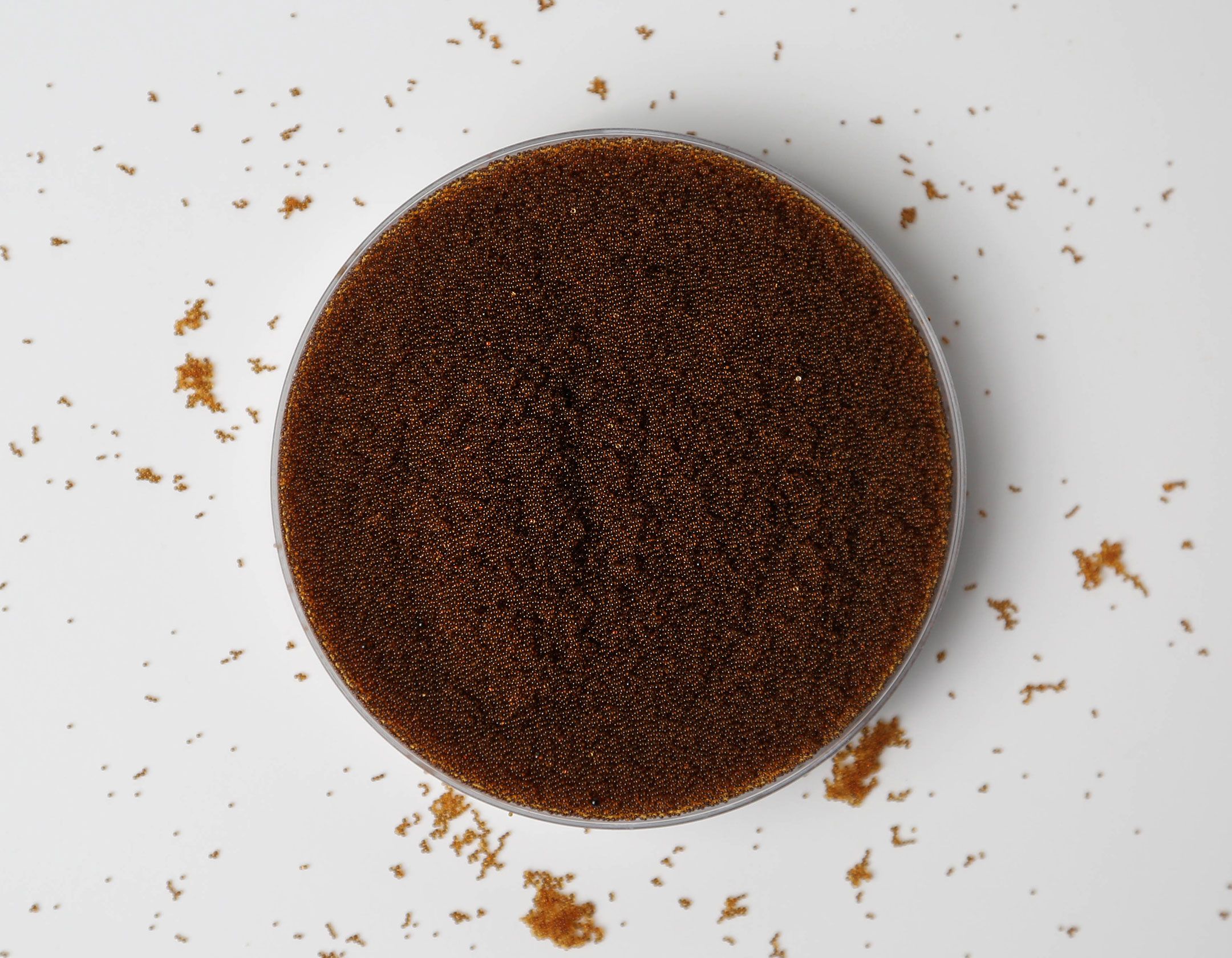
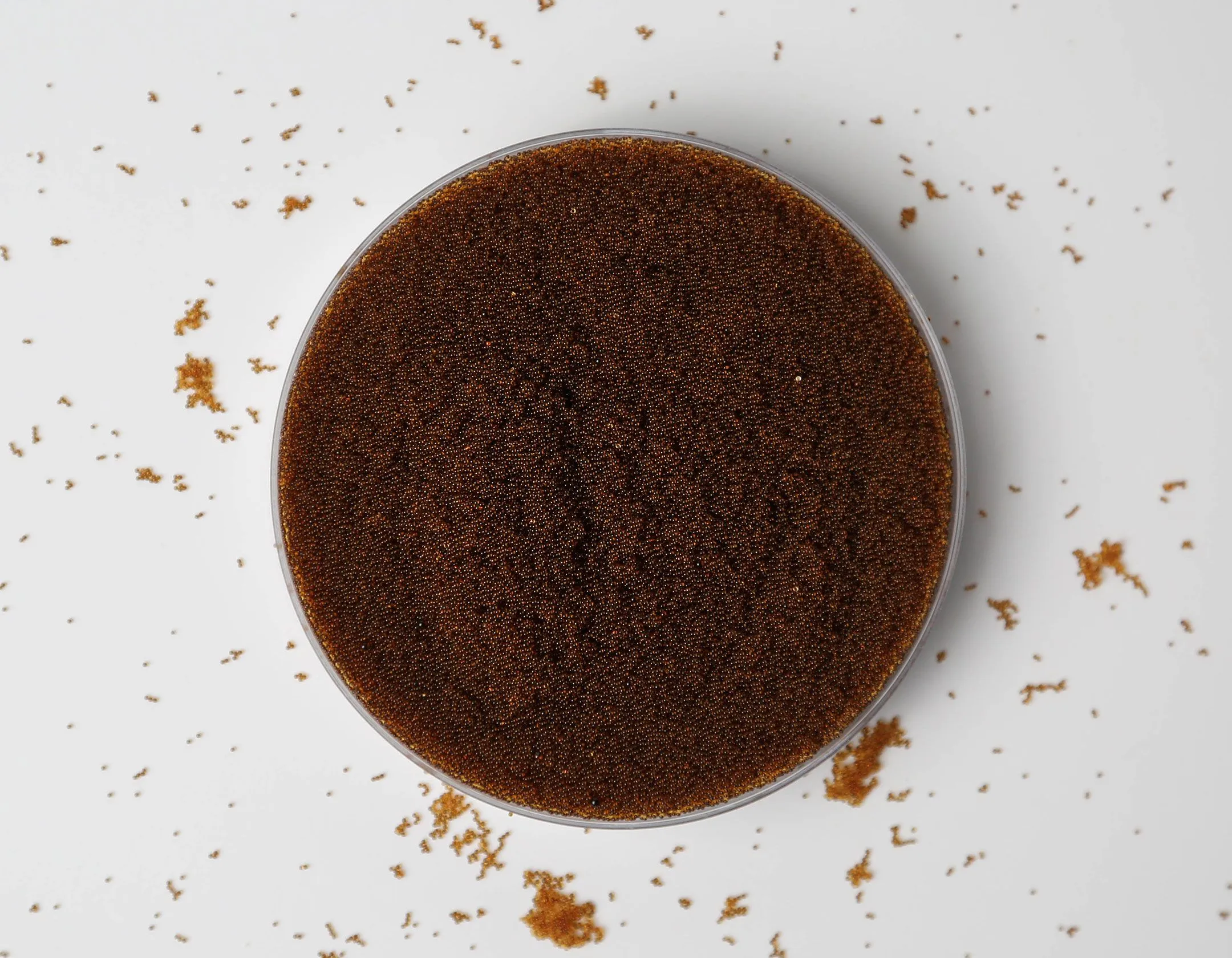
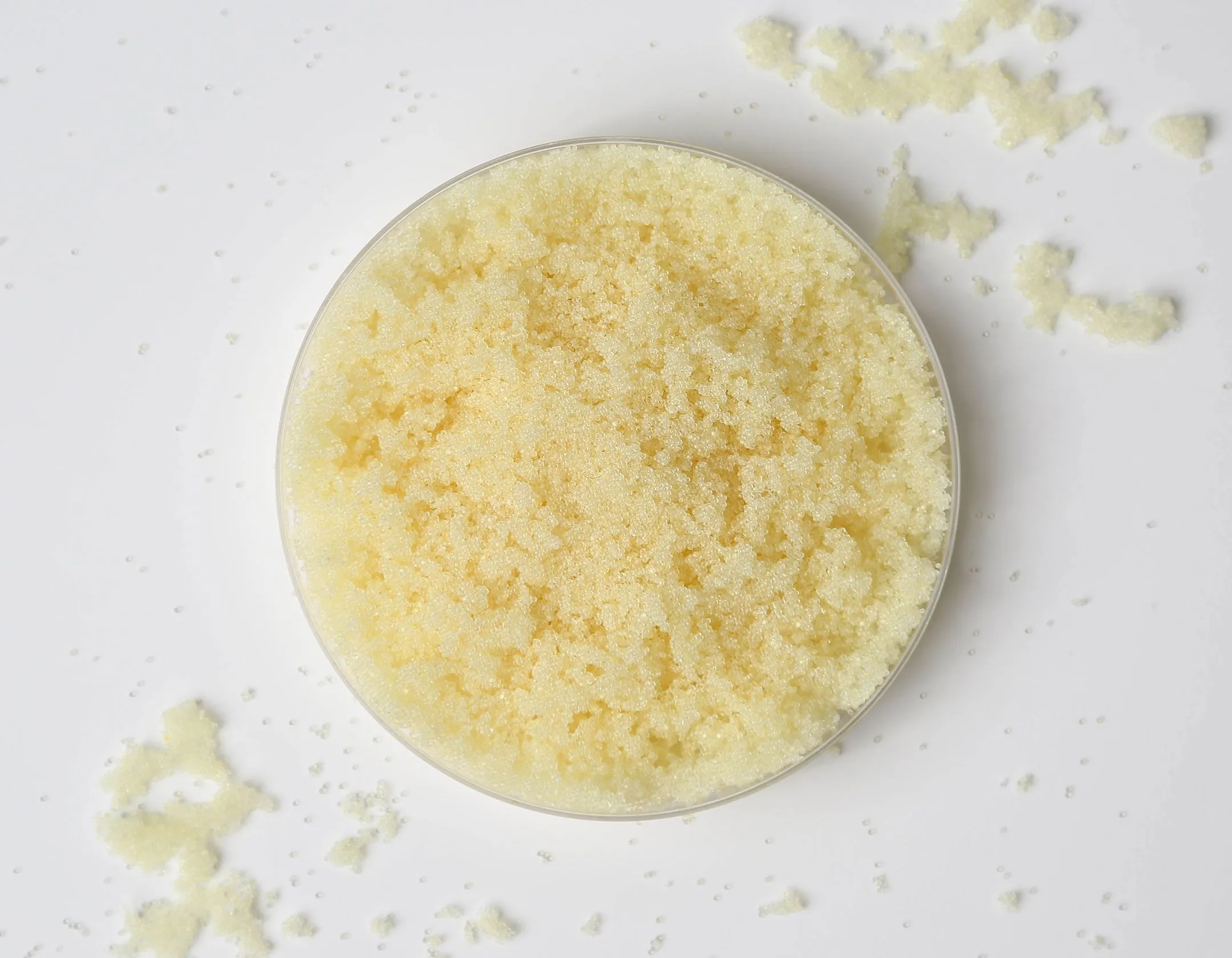
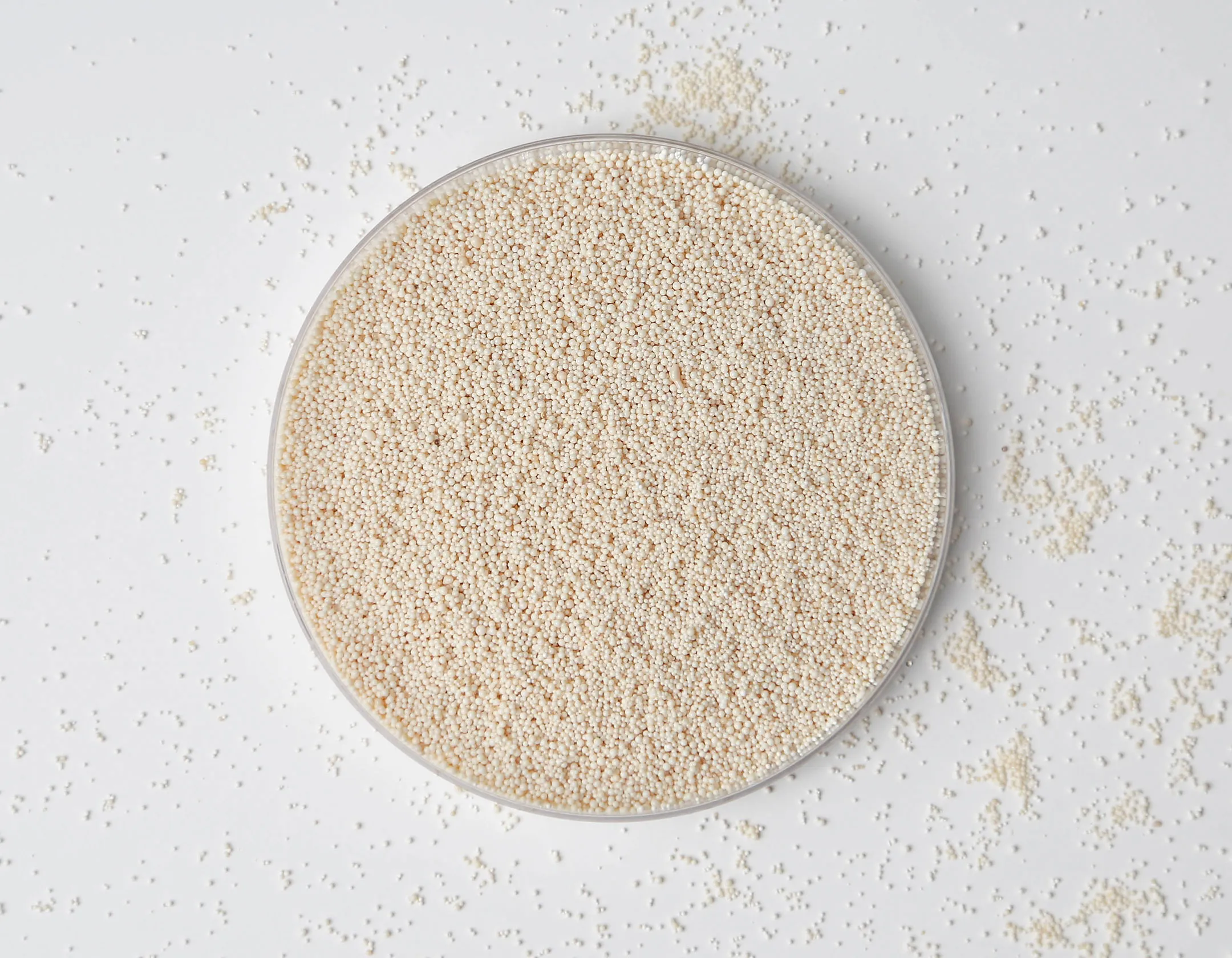
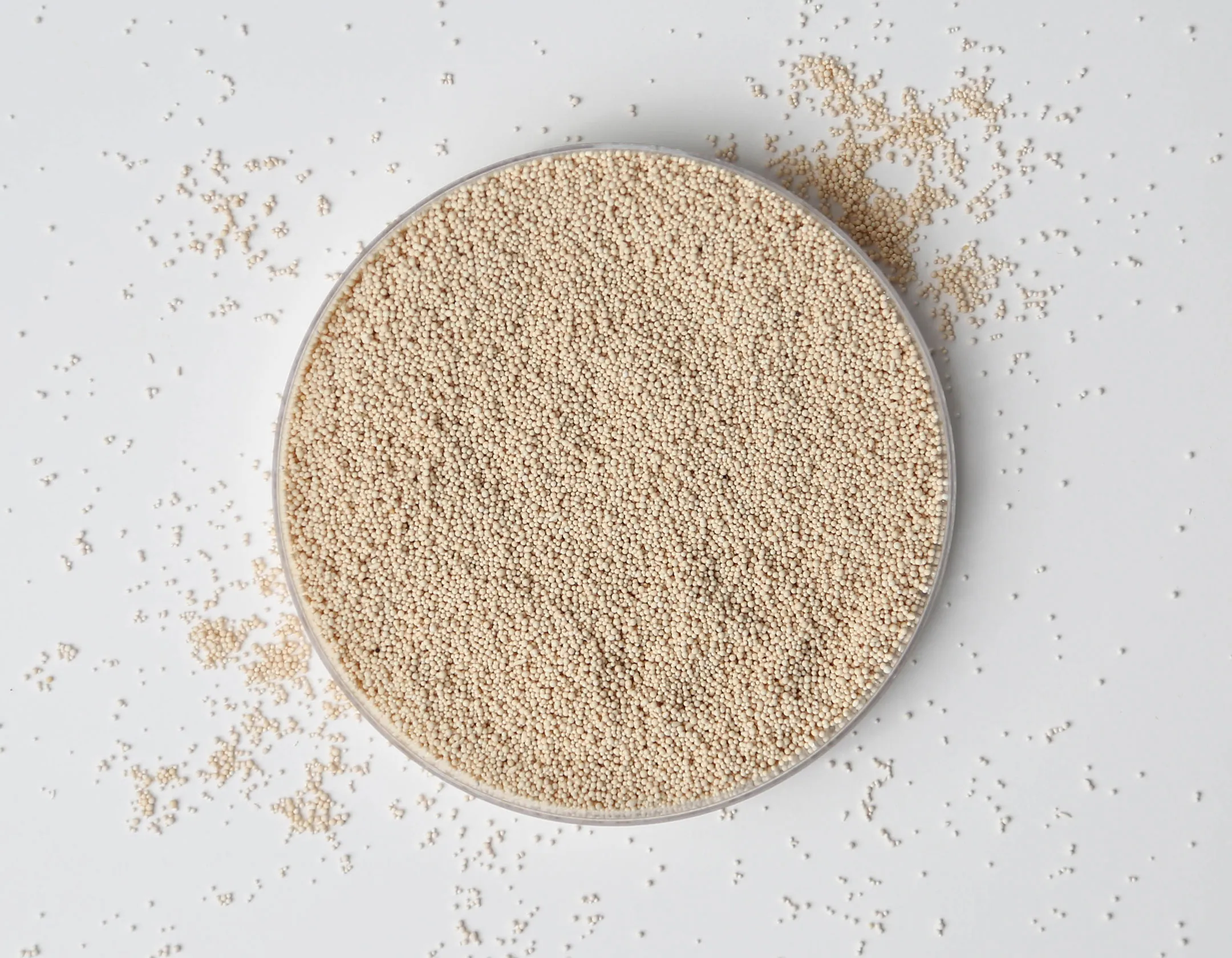
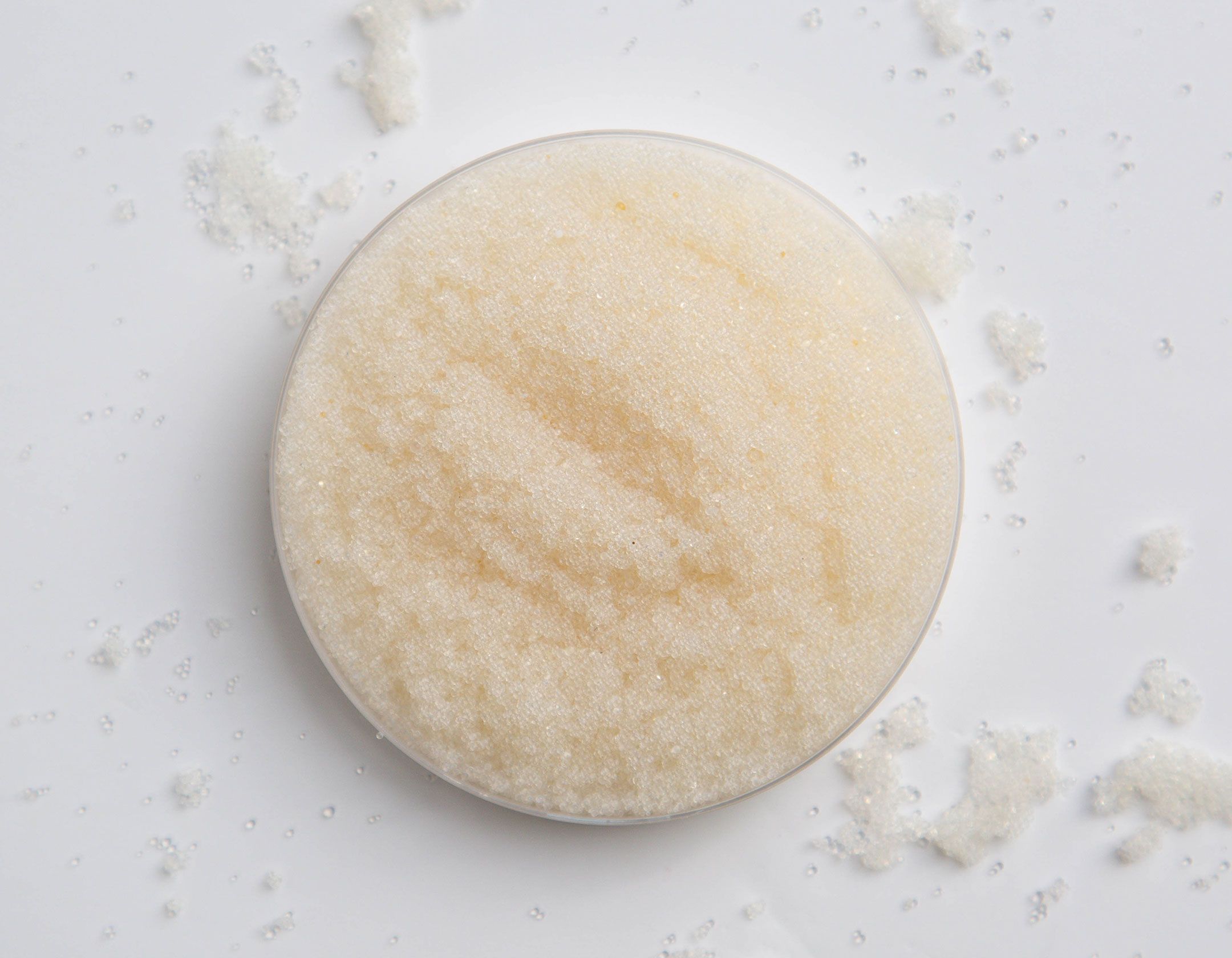
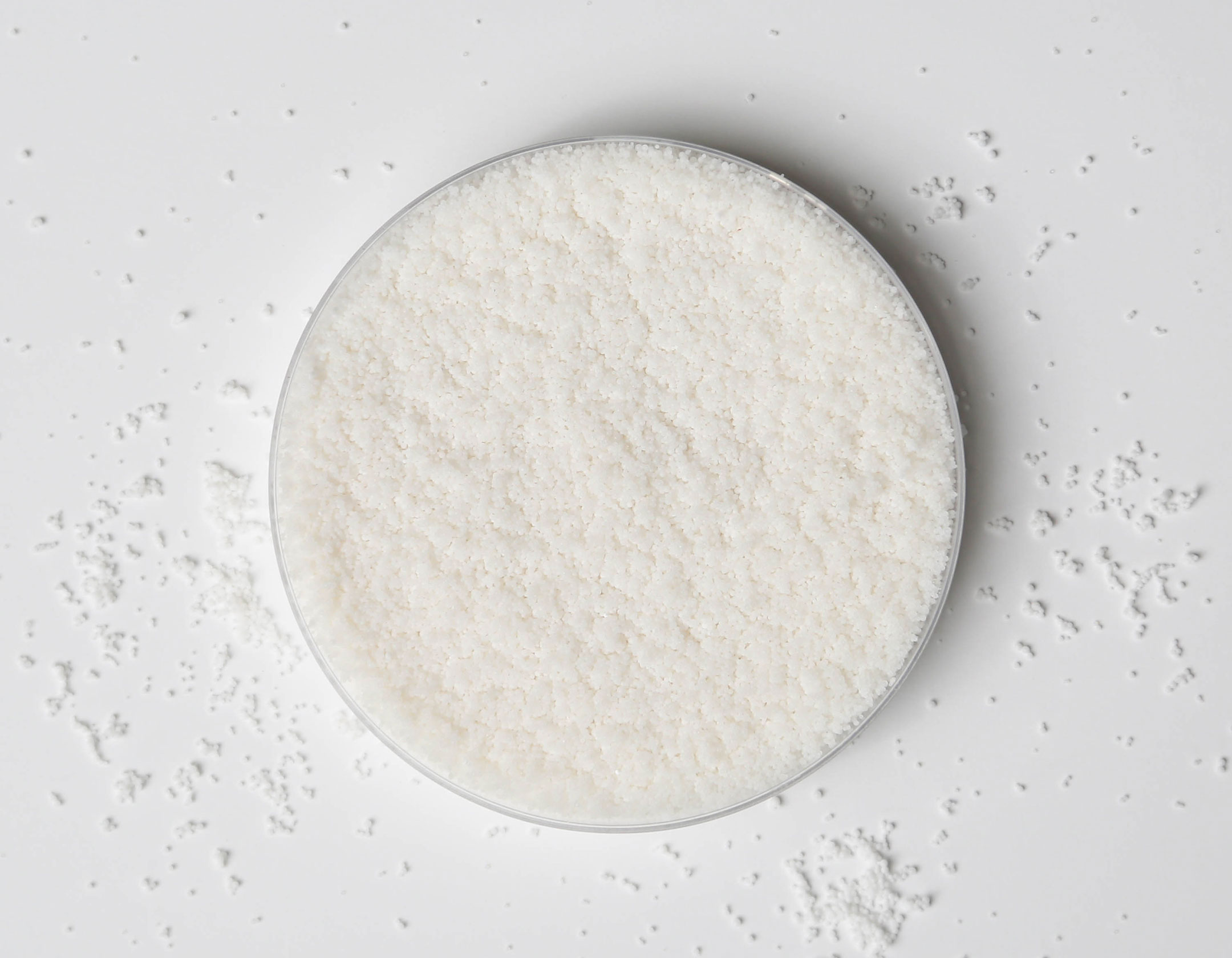
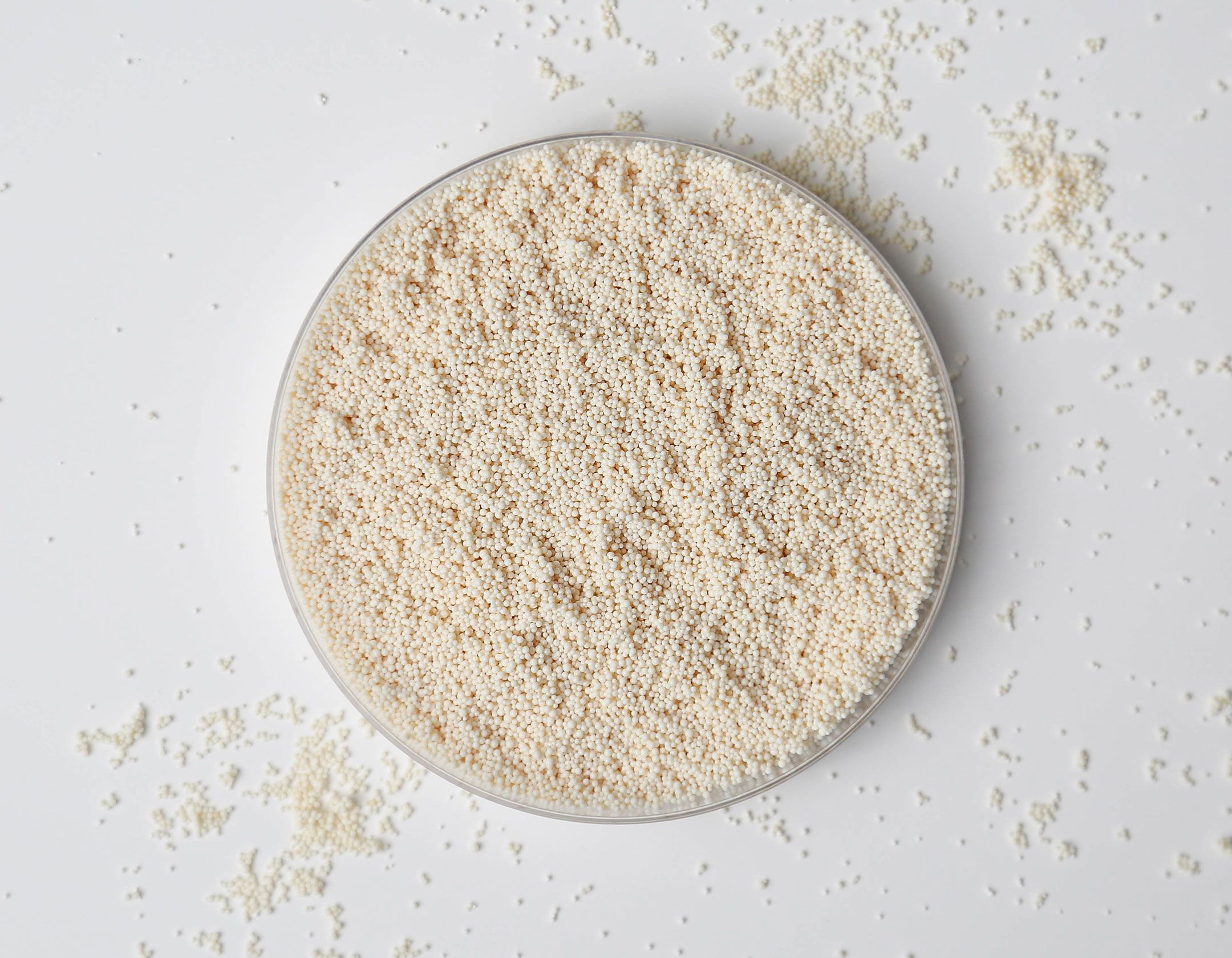
The removal of dissolved ions is critical in the treatment of water intended for use in steam generated power production. These ions can cause scale or corrosion if they appear in the steam cycle.
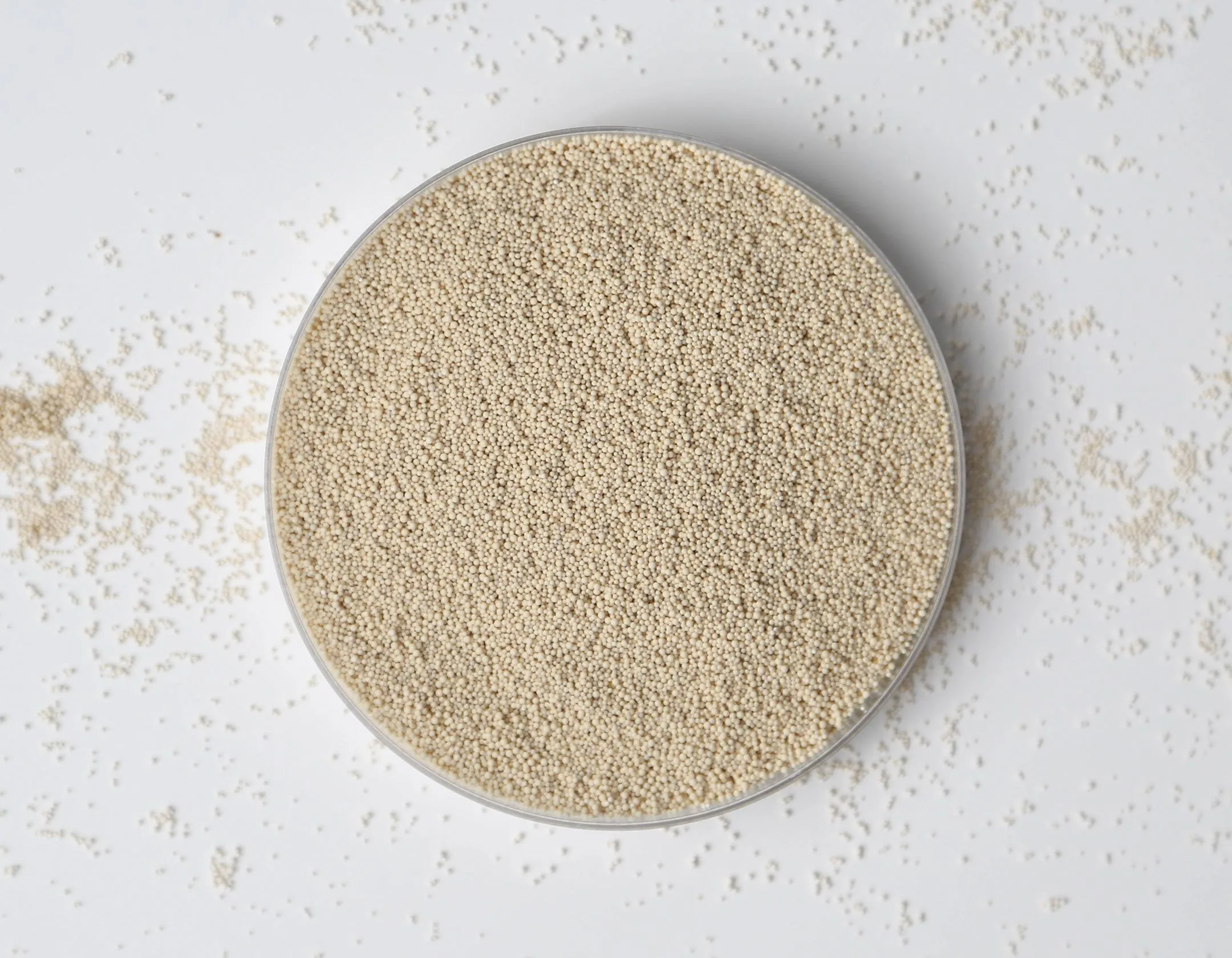
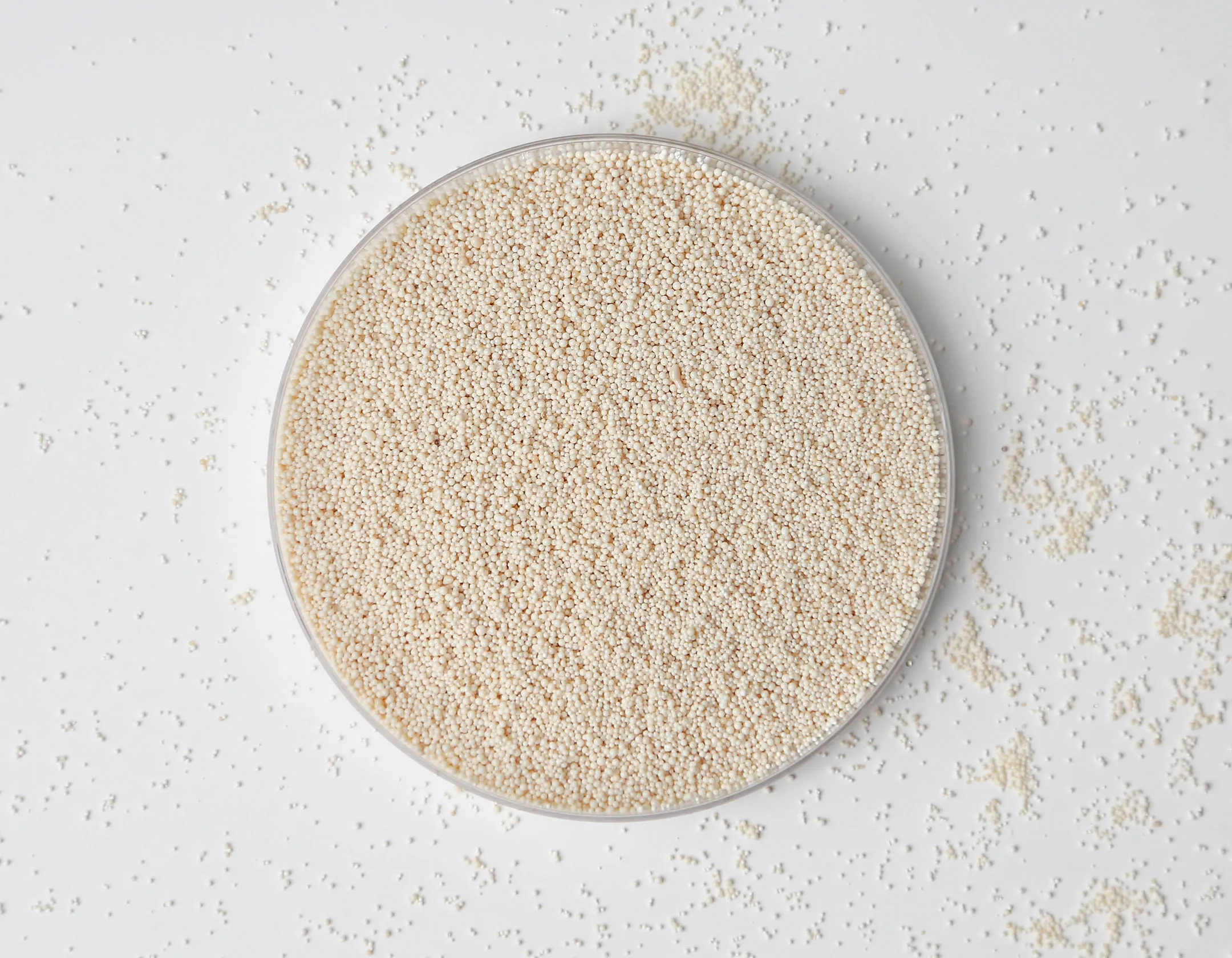
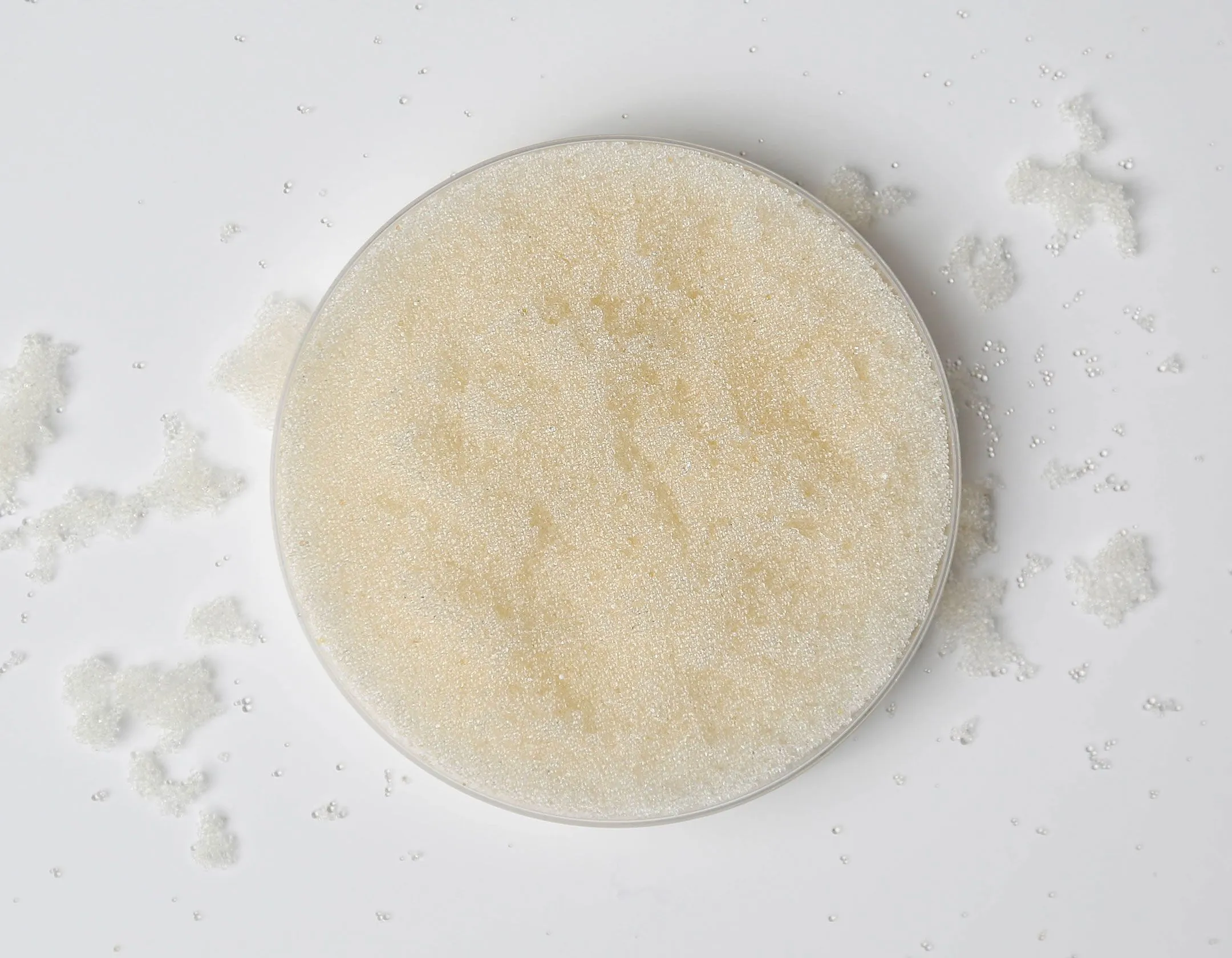
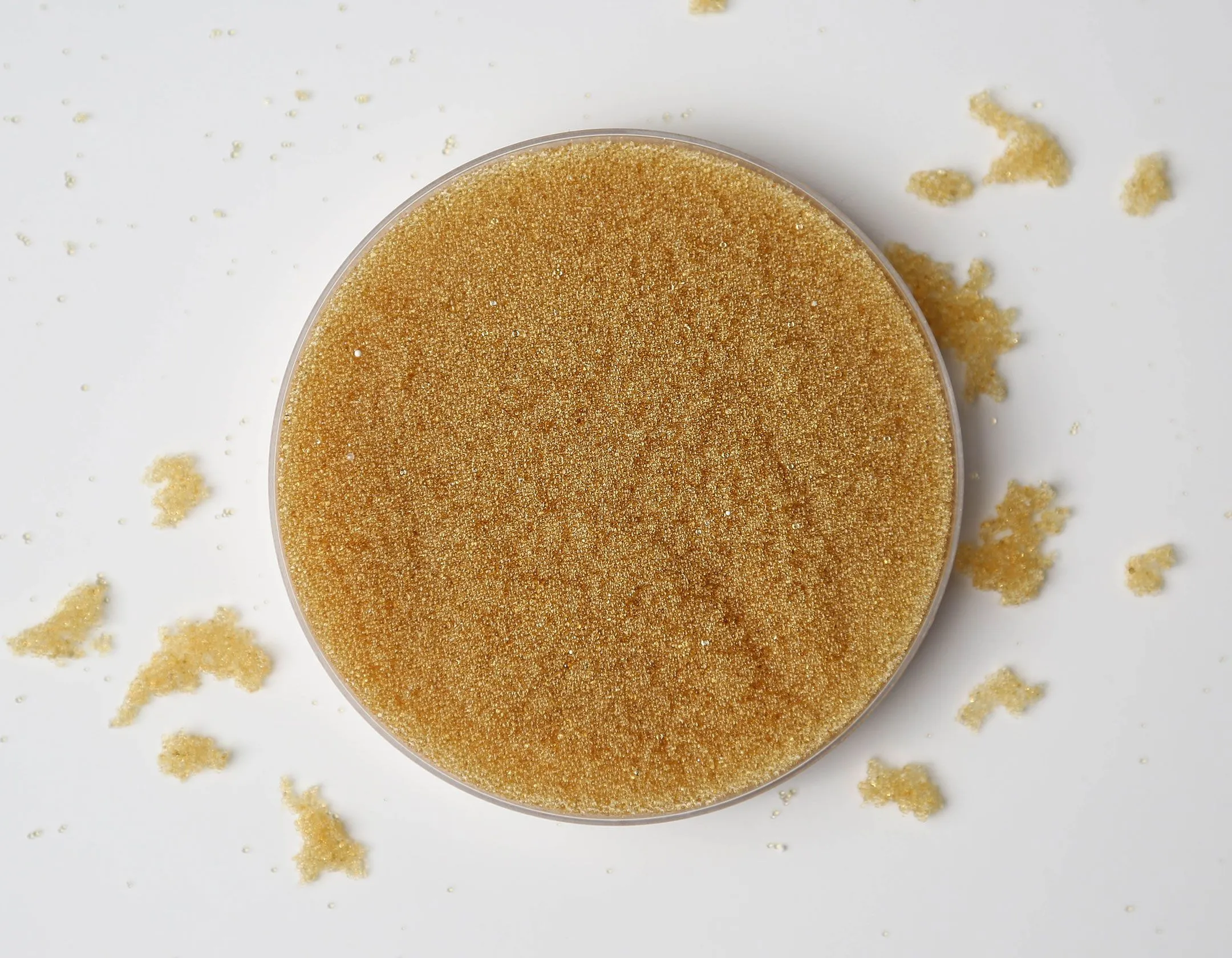
CG10H_Shot22x.jpg
CG10-H
Applications:
Entmineralisierung / DI, Kondensatreinigung, Mischbettkomponenten
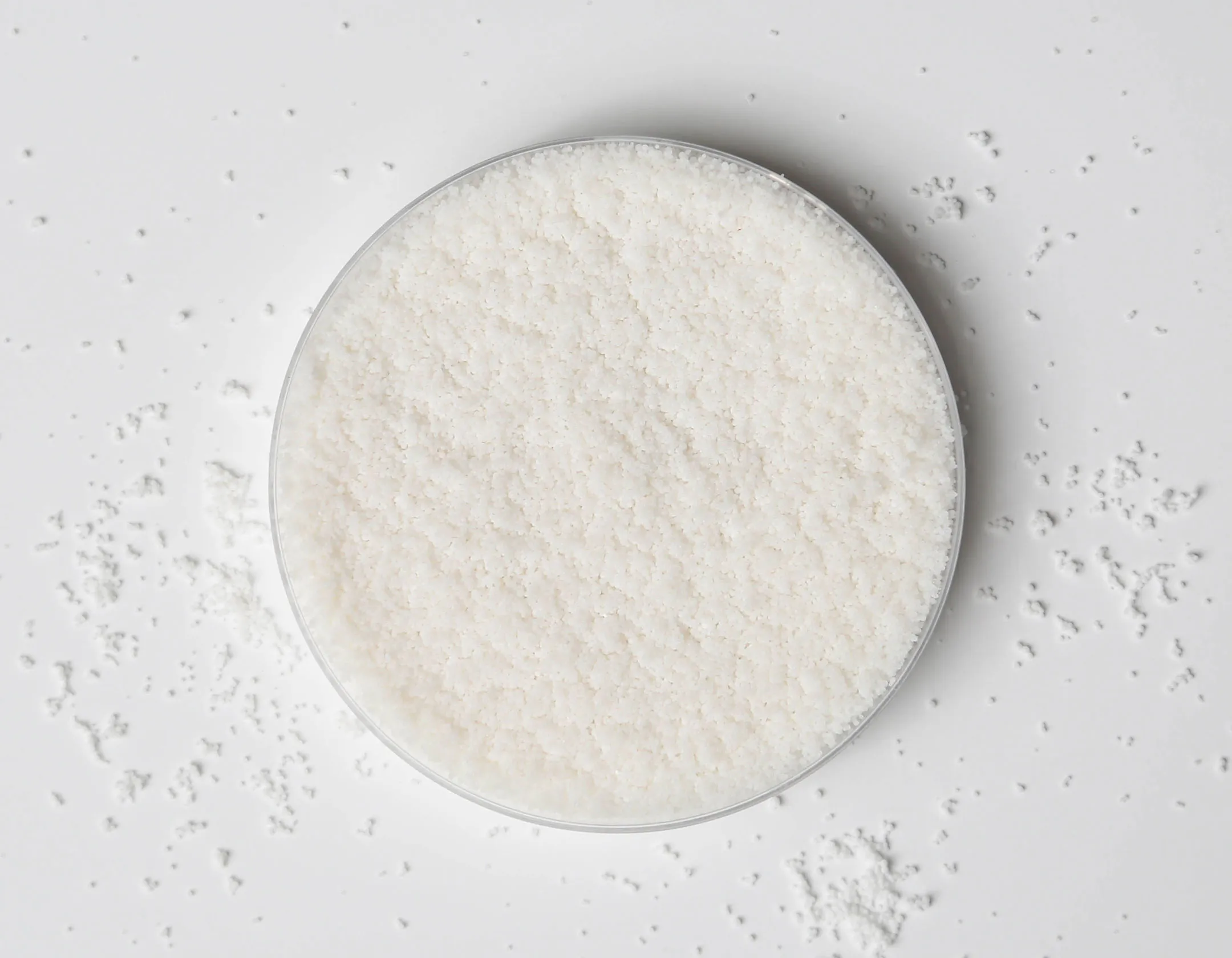
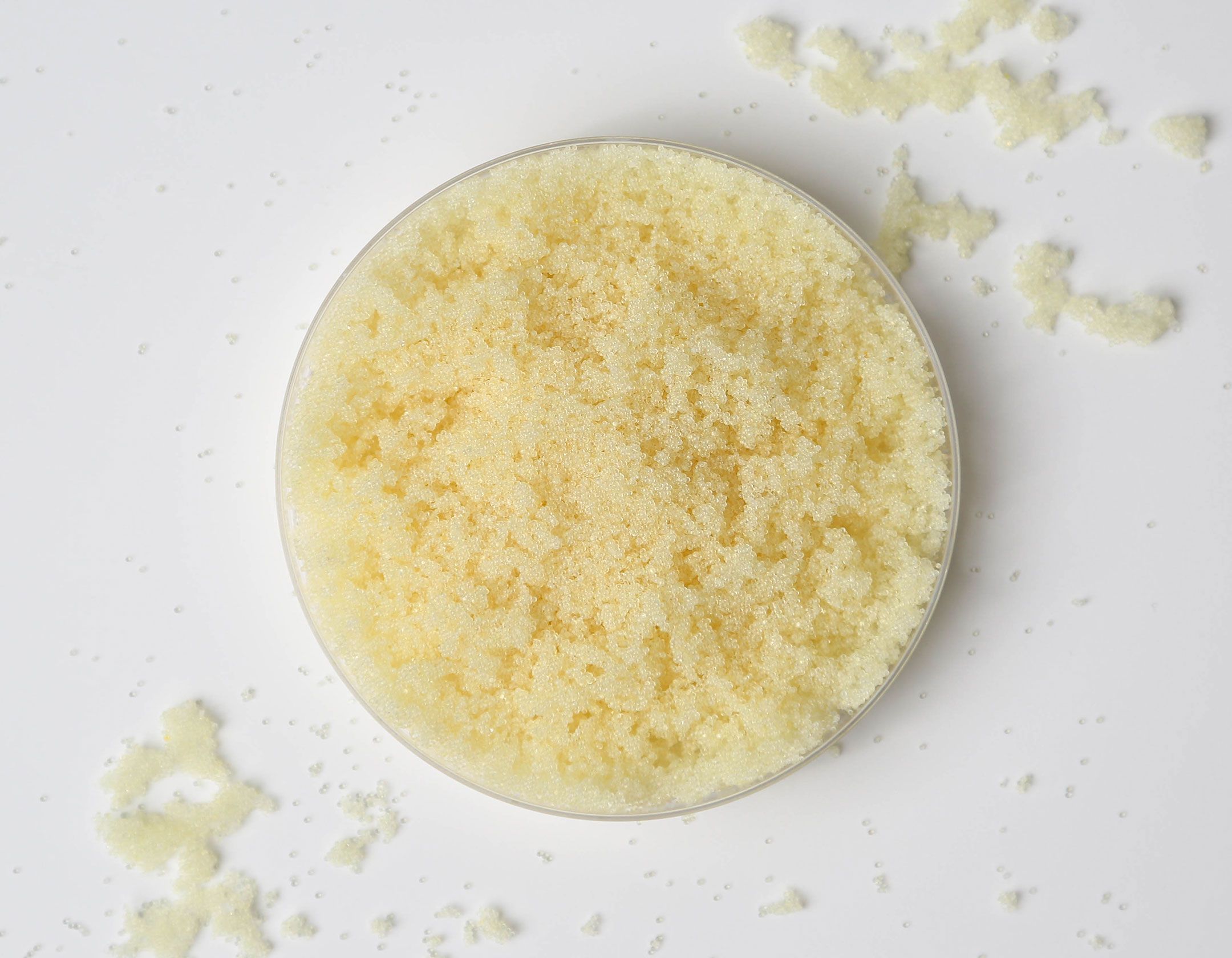
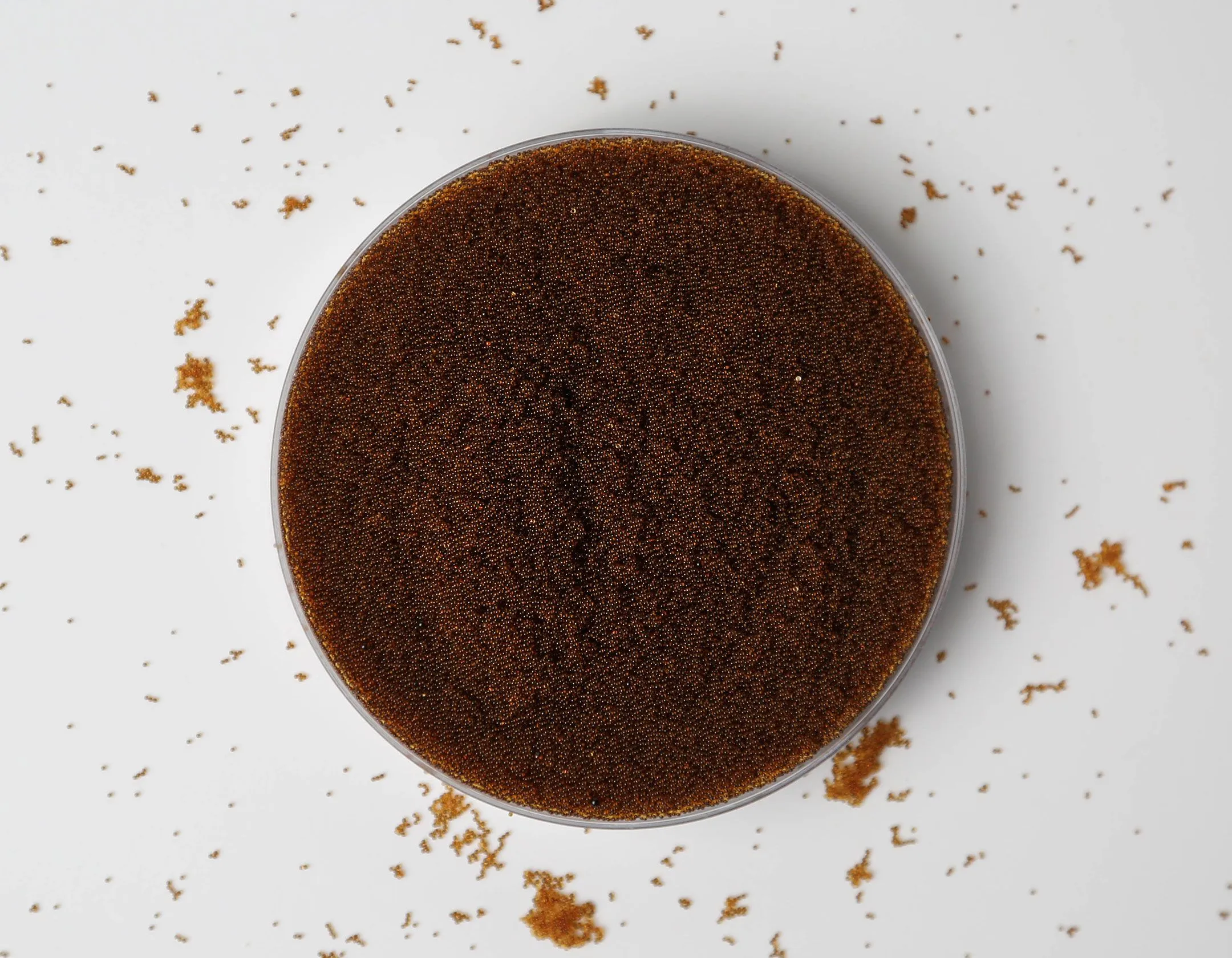
CG8H_Shot22x.jpg
CG8-H
Applications:
Entmineralisierung / DI, Mischbettkomponenten
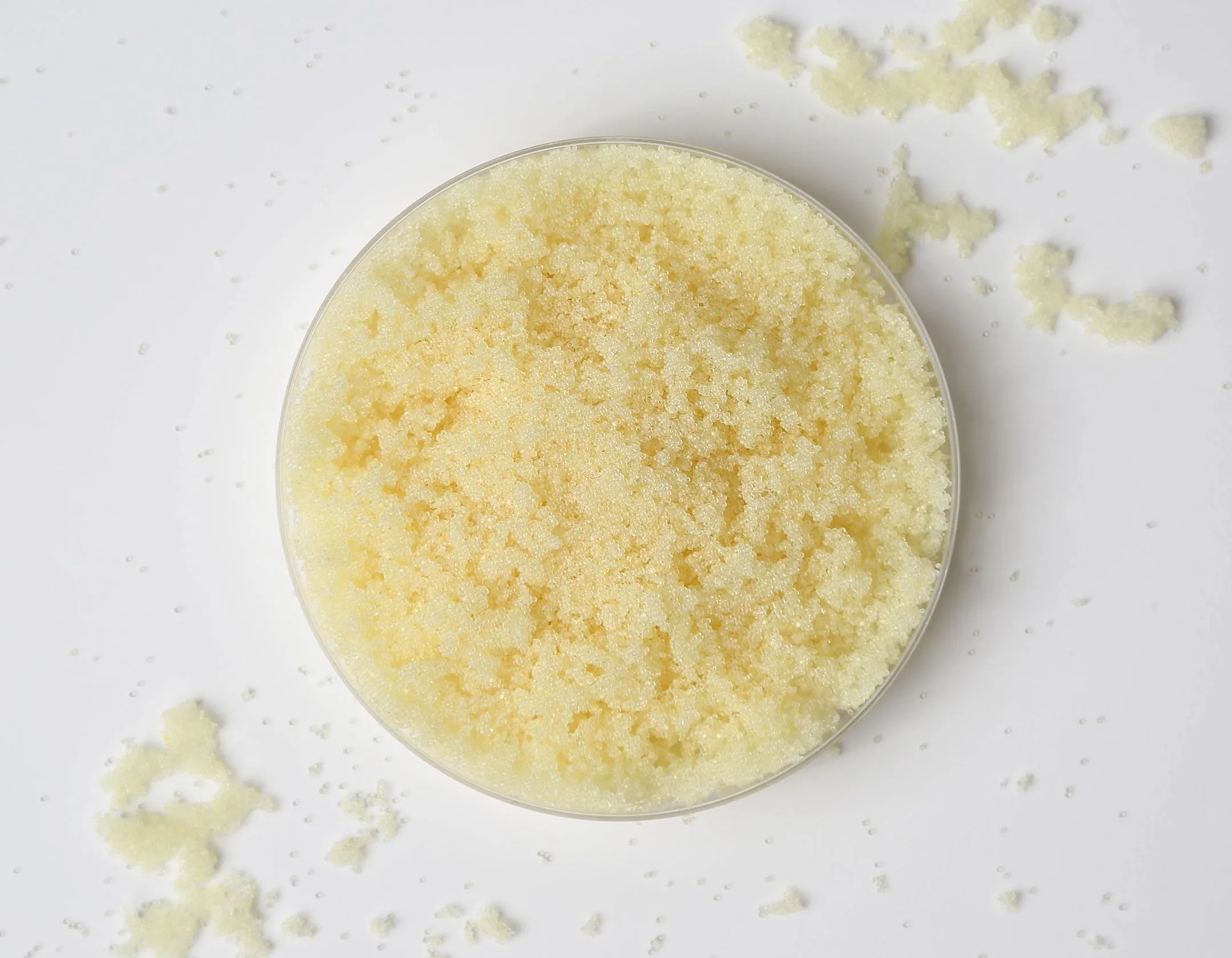
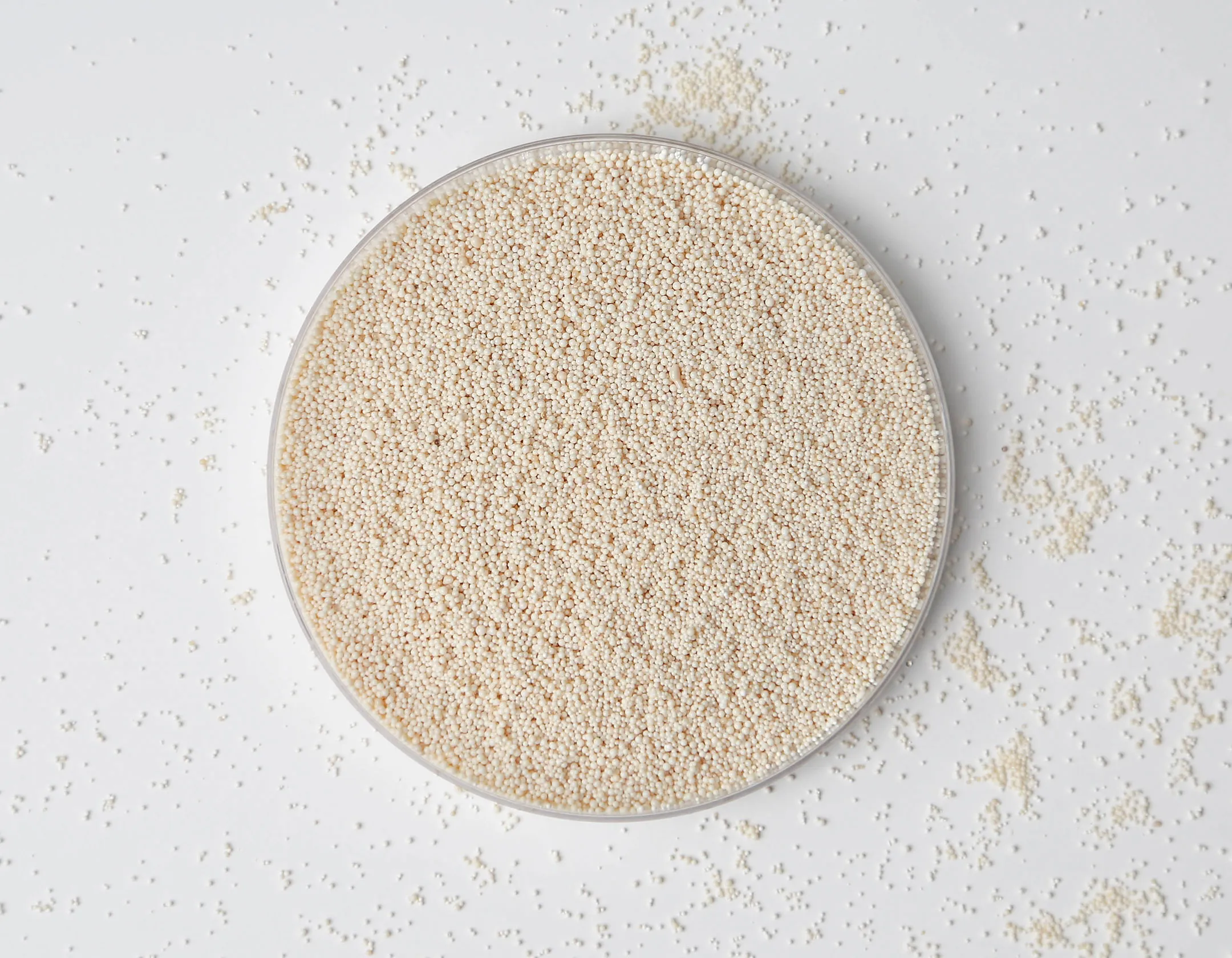
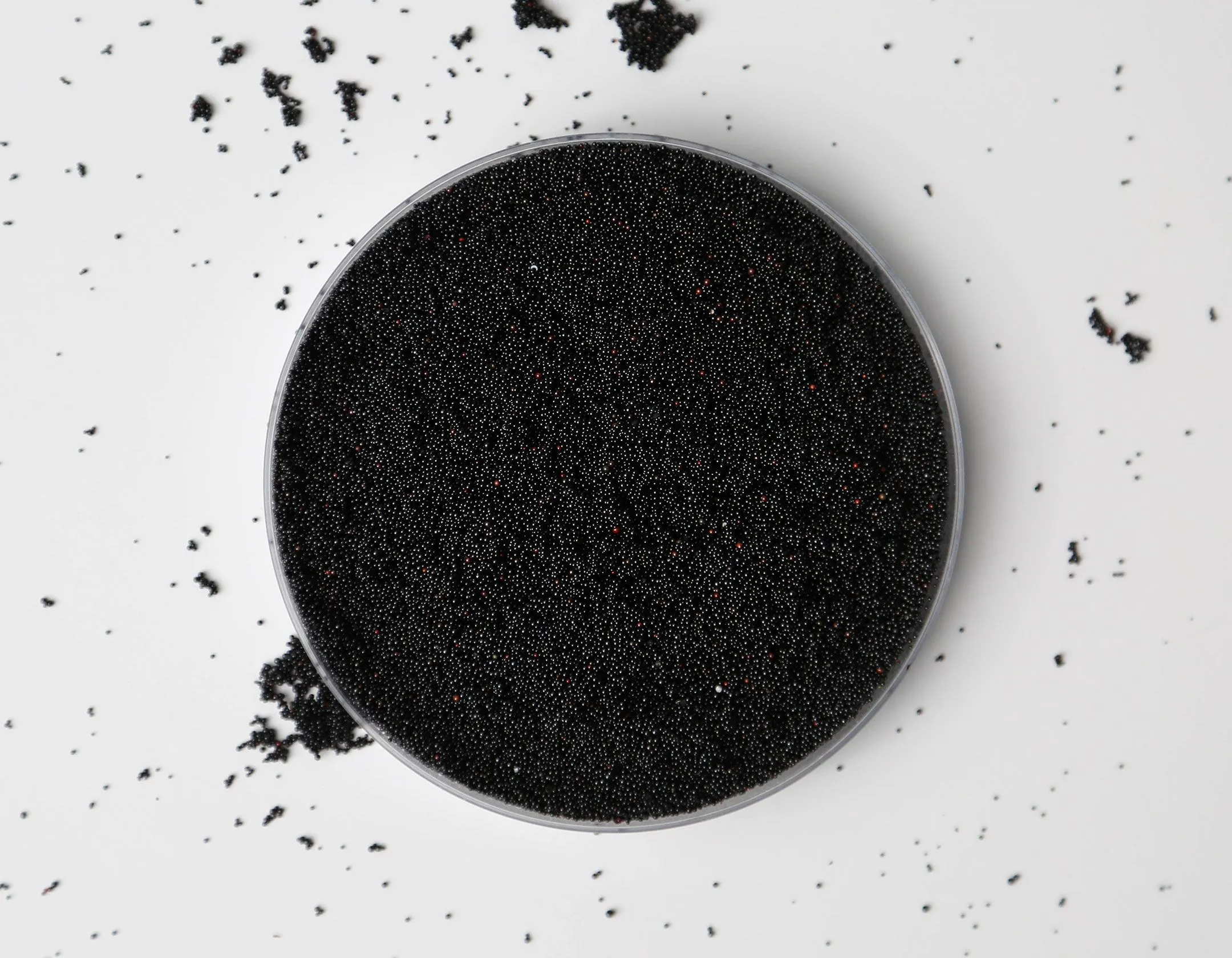
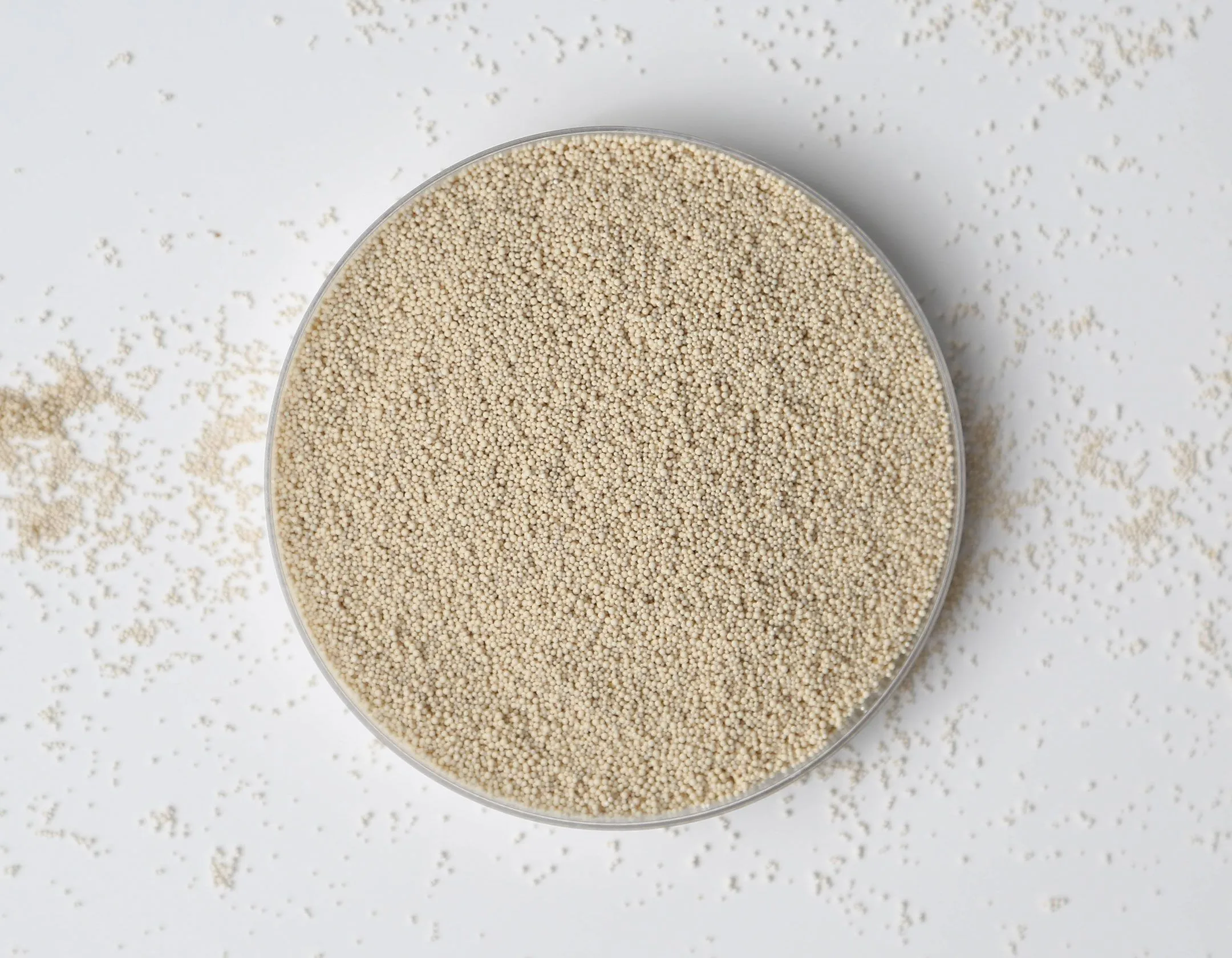
SBG1OH_Shot22x.jpg
SBG1-OH
Applications:
Hochreines DI-Wasser, Entmineralisierung/DI, Mischbettkomponenten, Silikatentfernung
SBG1POH_Shot22x.jpg
SBG1P-OH
Applications:
Hochreines DI-Wasser, Entmineralisierung/DI, Mischbettkomponenten, Silikatentfernung
Carbonate Reduction
Carbonate is a form of alkalinity (along with bicarbonate and carbon dioxide). Carbonates readily combine with many divalent cations (especially calcium) to form a precipitant. Calcium carbonate precipitation is quite common in waters where the pH is > 9. Carbonate can be removed by various strong base anion resins and can be neutralized (acidified) by various cation resins.
CG8HBL_Shot22x.jpg
CG8-H-BL
Applications:
Entmineralisierung / DI, Mischbettkomponenten
SBG1HP_Shot22x.jpg
SBG1-HP
Applications:
Entkalker, Entmineralisierung/DI, Entfernung von Spurenverunreinigungen
SBG1PHP_Shot22x.jpg
SBG1P-HP
Applications:
Entkalker, Entmineralisierung/DI, Entfernung von Spurenverunreinigungen
SBG2HP_Shot22x.jpg
SBG2-HP
Applications:
Entkalker, Entmineralisierung/DI, Entfernung von Spurenverunreinigungen
Commercial Softening
Commercial softening applications may require high flow rates or low hardness leakage. Equipment design and regeneration techniques become important in these applications.
ASM - 10 HP
Media Sub Category
Hybrid
Polymer Matrix
Styrene Gel
Application
Arsenic Reduction
Silica Reduction
CG10_image2.jpg
CG10
Applications:
Hochtemperaturanwendungen, Kondensatpolieren, Enthärten
CG8_Shot22x.jpg
CG8
Applications:
Entmineralisierung / DI, Enthärtung
SACMP_image2.jpg
SACMP
Applications:
Kondensatreinigung, Chlortolerant, Radabfall, Enthärtung
Condensate Polishing
Condensed steam in the power cycle is relatively pure but may contain some metal oxides and low levels of dissolved ions. The condensate must undergo purification before reuse.
CG10HCP_Shot22x.jpg
CG10-H-CP
Applications:
Aminkreislaufpolieren, Entmineralisierung/DI, Kondensatpolieren, Mischbettkomponenten
SBMP1OH_Shot22x.jpg
SBMP1-OH-CP
Applications:
Hochreines DI-Wasser, Kondensatreinigung, Reinstwasserproduktion (UPW), Entmineralisierung/DI, Mischbettkomponenten, Silikatentfernung
Cooling Tower
Water in cooling towers is used for many cycles and it is important to minimize the potential for scaling. This is accomplished by the removal of hardness ions and also by the addition of conditioning chemicals.
ASM - 10 HP
Media Sub Category
Hybrid
Polymer Matrix
Styrene Gel
Application
Arsenic Reduction
Silica Reduction
CG8
Anwendungen:
Ammoniakreduzierung Demineralisierung, Eisenreduzierung, Enthärtung - Industrie
CG10
Anwendungen:
Demineralisierung, Enthärtung — Hochtemperatur, Enthärtung — industriell
Demineralization / DI
High pressure steam generation requires the removal of all dissolved solids. This can be accomplished with two bed (cation-anion) units or a mixed bed deionizer. It is common practice today to pretreat with reverse osmosis and then deionize with ion exchange.
ASM - 10 HP
Media Sub Category
Hybrid
Polymer Matrix
Styrene Gel
Application
Arsenic Reduction
Silica Reduction
CG8-H
Anwendungen:
Kationenkomponente in Mischbetten, Demineralisierung
CG10-H
Anwendungen:
Kationenkomponente in Mischbetten, Demineralisierung
SBG1-OH
Anwendungen:
Anionenkomponente in MischbettenDemineralisierung
SBG1P-OH
Anwendungen:
Anionenkomponenten in Mischbetten, Demineralisierung
MBD-15
Anwendungen:
Portable Exchange-Deionisierung (PEDI), In-Place-Regeneration
Metals Reduction
Metal oxides are present in condensate streams and must be removed by filtration if present as suspended solids, or by ion exchange if present as dissolved solids.
ASM - 10 HP
Media Sub Category
Hybrid
Polymer Matrix
Styrene Gel
Application
Arsenic Reduction
Silica Reduction
SIR-300
Anwendungen:
Reduzierung von Spurenstoffen
CG8
Anwendungen:
Ammoniakreduzierung Demineralisierung, Eisenreduzierung, Enthärtung - Industrie
CG10
Anwendungen:
Demineralisierung, Enthärtung — Hochtemperatur, Enthärtung — industriell
Organics Reduction (TOCs)
Naturally occurring organic matter (NOM) is readily removed by strong base anion resins. Acrylic strong base resins and styrenic resins with high porosity work better because they are easier to regenerate.
SBACR_image2.jpg
SBACR-HP
Applications:
Portable Exchange Deionization(PEDI), In Place Regeneration
SBACRMP_Shot22x.jpg
SBACR-MP-HP
Applications:
Portable Exchange Deionization(PEDI), In Place Regeneration
SBMP1-XX_Shot22x.jpg
SX-A40-A
Applications:
Portable Exchange Deionization(PEDI), In Place Regeneration
Radwaste Treatment
Nuclear power plants will generate low level contaminated liquid waste from floor runoff, washing operations, and fuel pool maintenance that can be treated to concentrate the contaminants and reduce the volume of waste.
SIR-600
Anwendungen:
Ammoniumreduktion, Cäsiumreduktion
ASM-125
Anwendungen:
Antimonreduktion, Siliziumdioxidreduktion
As
Arsenic Reduction
Arsenic is a chemical element with symbol As and atomic number 33. Arsenic occurs in many minerals, usually in combination with sulfur and metals, but also as a pure elemental crystal. Arsenic is a metalloid. It has various allotropes, but only the gray form is important to industry.The primary use of metallic arsenic is in alloys of lead (for example, in car batteries and ammunition). Arsenic is a common n-type dopant in semiconductor electronic devices, and the optoelectronic compound gallium arsenide is the second most commonly used semiconductor after doped silicon. Arsenic and its compounds, especially the trioxide, are used in the production of pesticides, treated wood products, herbicides, and insecticides. These applications are declining, howeverA few species of bacteria are able to use arsenic compounds as respiratory metabolites. Trace quantities of arsenic are an essential dietary element in rats, hamsters, goats, chickens, and presumably many other species, including humans.Arsenic is notoriously poisonous to multicellular life. Arsenic trioxide compounds are widely used as pesticides, herbicides and insecticides. As a result, arsenic contamination of groundwater supplies is a problem that affects millions of people around the world.
Arsenate is a divalent anion with affinity for anion resins similar to but slightly lower than that of sulfate Arsenate can be exchanged by strong base anion exchange resins and then adsorbed into the iron hybrid adsorbent of ASM-10-HP.
Except for Gallium arsenide (used as a semiconductor), other arsenide compounds are generally only of academic interest. Gallium arsenide is an important semiconductor because it has much lower electrical resistance than silicon and therefore lower power use and less heat generation.
In most cases arsenite should be oxidized to arsenate so that it is converted to a form more easily removed. Oxidation can be accomplished with chlorine or with oxygen catalyzed by various redox medias.
ASM-10-HP
Anwendungen:
Arsenreduktion Siliziumdioxidreduktion
SBG1-HP
Anwendungen:
Nitratreduktion, Trinkwasser, Spurenverunreinigungen (U, Cr, As, Se, F, ClO4, ClO3)
Cl2
Chlorine / Chloramine Reduction
Chlorine is a chemical element with symbol Cl and atomic number 17. The second-lightest of the halogens, it appears between fluorine and bromine in the periodic table and its properties are mostly intermediate between them. Chlorine is a yellow-green gas at room temperature. It is an extremely reactive element and a strong oxidising agent: among the elements, it has the highest electron affinity and the third-highest electronegativity, behind only oxygen and fluorine.
The most common compound of chlorine, sodium chloride (common salt), has been known since ancient times. Around 1630, chlorine gas was first synthesised in a chemical reaction, but not recognised as a fundamentally important substance. Carl Wilhelm Scheele wrote a description of chlorine gas in 1774, supposing it to be an oxide of a new element. In 1809, chemists suggested that the gas might be a pure element, and this was confirmed by Sir Humphry Davy in 1810, who named it from Ancient Greek: χλωρός khlôros “pale green” based on its colour.
Chlorine is normally present in water as hypochlorous anion and is removed by strong base anion resins.
(Sodium) hypochlorite is widely used as a bleaching agent; in water treatment as a disinfectant. It is the strongest oxidant among the oxo-chloride series, chlorite, chlorate, or perchlorate.
Disinfection By-Product Removal (DBP)
Disinfection By-Product (DBP) are formed when chlorine reacts with organic compounds in water supplies. The removal of organic prior to chlorination can eliminate the DBP potential, otherwise the DBPs need to be removed by activated carbon.
AGC-40X
Anwendungen:
Chlorreduktion, Reduktion organischer Stoffe
AGC-40 X
Anwendungen:
Chlorreduktion, Reduktion organischer Stoffe
AGC-40 MG
Anwendungen:
Chlorreduzierung medizinisch, organische Reduktion pharmazeutisch
AGC-40C
Anwendungen:
Chlorreduktion, Reduktion organischer Stoffe
SBG2
Anwendungen:
Sulfatreduktion, Entalkalisator, Nitratreduktion, Demineralisierung, Spurenverunreinigungen (U, Cr, As, Se, F, ClO4, ClO3)
AGC-40 CA
Anwendungen:
Chlorreduktion, Reduktion organischer Stoffe
Nitrate Reduction
Nitrite is used as an antioxidant to preserve meats and as a pH stabilizer and corrosion inhibitor in cooling loops. Nitrite is removed by strong base anion resin but since its affinity is similar to that of chloride, throughput capacity is usually limited.
SIR-100 PS
Anwendungen:
Nitratreduktion, Perchloratreduktion
SBG1
Anwendungen:
Demineralisierung Nitratreduktion Sulfatreduktion Spurenverunreinigungen (U, Cr, As, Se, F, ClO4, ClO3)
SBG2-HP
Anwendungen:
Chromatreduktion, Spurenverunreinigungen (U, Cr, As, Se, F, ClO4, ClO3), Wohnanwendungen
SBG1-HP
Anwendungen:
Nitratreduktion, Trinkwasser, Spurenverunreinigungen (U, Cr, As, Se, F, ClO4, ClO3)
SIR-110-HP
Anwendungen:
Jodidreduktion, Nitratreduktion, Perchloratreduktion, Pertechnetatreduktion, PFAS-Reduktion
Organics Reduction (TOCs)
Naturally occurring organic matter (NOM) is readily removed by strong base anion resins. Acrylic strong base resins and styrenic resins with high porosity work better because they are easier to regenerate.
SBACR-MP-HP
Anwendungen:
Organische Reduktion — Kommunal
SBACR-MP-HP
Anwendungen:
Organische Reduktion — Kommunal
Farbreduktion - Kommunal
SIR-22P-HP
Anwendungen:
Organische Reduktion
SX-A40-A
Anwendungen:
Raffinierter Rohrzucker, Entfärbung des Sirups
PFAS Remediation
PFAS compounds have been used in industry and consumer products worldwide since the 1940s. Their remarkable hydro- and oleophobic characteristics (ability to repel both oil and water) give them utility in a seemingly endless array of applications including nonstick cookware, water repellent clothing, stain resistant fabrics and carpets, product packaging, some cosmetics, some firefighting foams, and literally tens of thousands of other products that resist grease, water, and oil.
More than 500 forever chemicals are being actively used in products and industries around the world. A United States Environmental Protection Agency (EPA) toxicity database, DSSTox, lists over 14,700 PFAS compounds in existence, while other toxicity databases lists many multiples more.
ResinTech offers a variety of PFOS & PFAS remediation options, including PFOS filtration and PFOS testing kits to help you identify and remove these chemicals from your needed water.
Want to learn more?
SIR-110-HP
Anwendungen:
Jodidreduktion, Nitratreduktion, Perchloratreduktion, Pertechnetatreduktion, PFAS-Reduktion
AGC-PFX
Anwendungen:
Reduzierung organischer Stoffe, PFAS-Reduzierung
SIR-110-MP-HP
Anwendungen:
Jodidreduktion, Pertechnetatreduktion, PFAS-Reduzierung, Nitratreduktion, Pacholoratreduktion
Residential Scale Prevention
Hardness ions, comprised of calcium and magnesium, can cause scaling of heated surfaces and shorten the life of appliances such as hot water heaters, dishwashers, and washing machines. The presence of1 hardness in water leads to greater soap consumption in laundry and cleaning operations.
WACG-HP
Anwendungen:
Ammoniakreduzierung Demineralisierung, Eisenreduzierung, Enthärtung - Industrie
CG8
Anwendungen:
Ammoniakreduzierung Demineralisierung, Eisenreduzierung, Enthärtung - Industrie
AGC-40C
Anwendungen:
Chlorreduktion, Reduktion organischer Stoffe
CGS
Anwendungen:
Enthärtung — Wohngebäude
CGS-BL
Anwendungen:
Enthärtung — Wohngebäude
CNS-F
Anwendungen:
Eisenreduzierung — Wohngebäude, Enthärtung — Wohngebäude
SBG2
Anwendungen:
Sulfatreduktion, Entalkalisator, Nitratreduktion, Demineralisierung, Spurenverunreinigungen (U, Cr, As, Se, F, ClO4, ClO3)
Residential Softening
Hardness ions, comprised of calcium and magnesium, can cause scaling of heated surfaces and shorten the life of appliances such as hot water heaters, dishwashers, and washing machines. The presence of1 hardness in water leads to greater soap consumption in laundry and cleaning operations.
Heavy Metal Reduction
Heavy metals are found in many industrial wastewater as well as sometimes occurring naturally in some groundwaters. Typically present in relatively low levels as compared to other dissolved ions, the ability to selectively remove these ions is accomplished with a specialty weak acid cation resin.
SIR-300
Anwendungen:
Reduzierung von Spurenstoffen
CG8
Anwendungen:
Ammoniakreduzierung Demineralisierung, Eisenreduzierung, Enthärtung - Industrie
CG10
Anwendungen:
Demineralisierung, Enthärtung — Hochtemperatur, Enthärtung — industriell
SIR-200
Anwendungen:
Quecksilberreduktion, Edelmetalle
SIR-100 PS
Anwendungen:
Nitratreduktion, Perchloratreduktion
ASM-10-HP
Anwendungen:
Arsenreduktion Siliziumdioxidreduktion
Organics Reduction (TOCs)
Naturally occurring organic matter (NOM) is readily removed by strong base anion resins. Acrylic strong base resins and styrenic resins with high porosity work better because they are easier to regenerate.
SBACR-MP-HP
Anwendungen:
Organische Reduktion — Kommunal
SBACR-MP-HP
Anwendungen:
Organische Reduktion — Kommunal
Farbreduktion - Kommunal
SIR-22P-HP
Anwendungen:
Organische Reduktion
SX-A40-A
Anwendungen:
Raffinierter Rohrzucker, Entfärbung des Sirups
PFAS Remediation
PFAS compounds have been used in industry and consumer products worldwide since the 1940s. Their remarkable hydro- and oleophobic characteristics (ability to repel both oil and water) give them utility in a seemingly endless array of applications including nonstick cookware, water repellent clothing, stain resistant fabrics and carpets, product packaging, some cosmetics, some firefighting foams, and literally tens of thousands of other products that resist grease, water, and oil.
More than 500 forever chemicals are being actively used in products and industries around the world. A United States Environmental Protection Agency (EPA) toxicity database, DSSTox, lists over 14,700 PFAS compounds in existence, while other toxicity databases lists many multiples more.
ResinTech offers a variety of PFOS & PFAS remediation options, including PFOS filtration and PFOS testing kits to help you identify and remove these chemicals from your needed water.
Want to learn more?
SIR-110-HP
Anwendungen:
Jodidreduktion, Nitratreduktion, Perchloratreduktion, Pertechnetatreduktion, PFAS-Reduktion
AGC-PFX
Anwendungen:
Reduzierung organischer Stoffe, PFAS-Reduzierung
SIR-110-MP-HP
Anwendungen:
Jodidreduktion, Pertechnetatreduktion, PFAS-Reduzierung, Nitratreduktion, Pacholoratreduktion
Precious Metals Recovery
Precious metals are used in some printed circuit board applications as well as in the manufacture of automotive catalytic converters.
SIR-400
Anwendungen:
Quecksilberreduzierung, Rückgewinnung früherer Metalle
SBG1
Anwendungen:
Demineralisierung Nitratreduktion Sulfatreduktion Spurenverunreinigungen (U, Cr, As, Se, F, ClO4, ClO3)
C
Volatile Organic Carbon (VOC)
VOCs are organic man-made compounds that are used as ingredients in paints, pesticides, coolants, dry-cleaning chemicals, fuels and petroleum products. They are emitted as gases from liquids and are known health hazards.
AGC-40X
Anwendungen:
Chlorreduktion, Reduktion organischer Stoffe
AGC-40 X
Anwendungen:
Chlorreduktion, Reduktion organischer Stoffe
AGC-40C
Anwendungen:
Chlorreduktion, Reduktion organischer Stoffe
AGC-40 CA
Anwendungen:
Chlorreduktion, Reduktion organischer Stoffe
As
Arsenic Reduction
Arsenic is a chemical element with symbol As and atomic number 33. Arsenic occurs in many minerals, usually in combination with sulfur and metals, but also as a pure elemental crystal. Arsenic is a metalloid. It has various allotropes, but only the gray form is important to industry.
The primary use of metallic arsenic is in alloys of lead (for example, in car batteries and ammunition). Arsenic is a common n-type dopant in semiconductor electronic devices, and the optoelectronic compound gallium arsenide is the second most commonly used semiconductor after doped silicon. Arsenic and its compounds, especially the trioxide, are used in the production of pesticides, treated wood products, herbicides, and insecticides. These applications are declining, however A few species of bacteria are able to use arsenic compounds as respiratory metabolites. Trace quantities of arsenic are an essential dietary element in rats, hamsters, goats, chickens, and presumably many other species, including humans.Arsenic is notoriously poisonous to multicellular life. Arsenic trioxide compounds are widely used as pesticides, herbicides and insecticides. As a result, arsenic contamination of groundwater supplies is a problem that affects millions of people around the world.

Arsenate is a divalent anion with affinity for anion resins similar to but slightly lower than that of sulfate Arsenate can be exchanged by strong base anion exchange resins and then adsorbed into the iron hybrid adsorbent of ASM-10-HP.

Except for Gallium arsenide (used a semiconductor), other arsenide compounds are generally only of academic interest. Gallium arsenide is an important semiconductor because it has much lower electrical resistance than silicon and therefore lower power use and less heat generation.

In most cases arsenite should be oxidized to arsenate so that it is converted to a form more easily removed. Oxidation can be accomplished with chlorine or with oxygen catalyzed by various redox medias.
ASM-10-HP
Anwendungen:
Arsenreduktion Siliziumdioxidreduktion
SBG1-HP
Anwendungen:
Nitratreduktion, Trinkwasser, Spurenverunreinigungen (U, Cr, As, Se, F, ClO4, ClO3)
SBG2-HP
Anwendungen:
Chromatreduktion, Spurenverunreinigungen (U, Cr, As, Se, F, ClO4, ClO3), Wohnanwendungen
Disinfection By-Product Removal (DBP)
Disinfection By-Product (DBP) are formed when chlorine reacts with organic compounds in water supplies. The removal of organic prior to chlorination can eliminate the DBP potential, otherwise the DBPs need to be removed by activated carbon.
AGC-40X
Anwendungen:
Chlorreduktion, Reduktion organischer Stoffe
AGC-40 X
Anwendungen:
Chlorreduktion, Reduktion organischer Stoffe
AGC-40C
Anwendungen:
Chlorreduktion, Reduktion organischer Stoffe
AGC-40 CA
Anwendungen:
Chlorreduktion, Reduktion organischer Stoffe
Nitrate Reduction
Strong base anion resin have good affinity for nitrate. The higher amines (triethylamine, tributylamine, etc.) have increased affinity for nitrate and decreased affinity for divalent ions such as sulfate, making them preferred for many applications.
SIR-100 PS
Anwendungen:
Nitratreduktion, Perchloratreduktion
SBG2-HP
Anwendungen:
Chromatreduktion, Spurenverunreinigungen (U, Cr, As, Se, F, ClO4, ClO3), Wohnanwendungen
SBG1-HP
Anwendungen:
Nitratreduktion, Trinkwasser, Spurenverunreinigungen (U, Cr, As, Se, F, ClO4, ClO3)
SBG1
Anwendungen:
Demineralisierung Nitratreduktion Sulfatreduktion Spurenverunreinigungen (U, Cr, As, Se, F, ClO4, ClO3)
SIR-110-HP
Anwendungen:
Jodidreduktion, Nitratreduktion, Perchloratreduktion, Pertechnetatreduktion, PFAS-Reduktion
Organics Reduction (TOCs)
Naturally occurring organic matter (NOM) is readily removed by strong base anion resins. Acrylic strong base resins and styrenic resins with high porosity work better because they are easier to regenerate.
SBACR-MP-HP
Anwendungen:
Organische Reduktion — Kommunal
SX-A40-A
Anwendungen:
Raffinierter Rohrzucker, Entfärbung des Sirups
Perchlorate Reduction
Perchlorate is a relatively weak oxidant, used as an oxygen source in rocket fuel. Perchlorate is also a contaminant in ammonium nitrate fertilizer.
Although all strong base anion resin have high affinity for perchlorate, the higher amines (such as tributylamine) have exceptional affinity for perchlorate.
SIR-110-HP
Anwendungen:
Jodidreduktion, Nitratreduktion, Perchloratreduktion, Pertechnetatreduktion, PFAS-Reduktion
SIR-110-MP-HP
Anwendungen:
Jodidreduktion, Pertechnetatreduktion, PFAS-Reduzierung, Nitratreduktion, Pacholoratreduktion
PFAS Remediation
PFAS compounds have been used in industry and consumer products worldwide since the 1940s. Their remarkable hydro- and oleophobic characteristics (ability to repel both oil and water) give them utility in a seemingly endless array of applications including nonstick cookware, water repellent clothing, stain resistant fabrics and carpets, product packaging, some cosmetics, some firefighting foams, and literally tens of thousands of other products that resist grease, water, and oil.
More than 500 forever chemicals are being actively used in products and industries around the world. A United States Environmental Protection Agency (EPA) toxicity database, DSSTox, lists over 14,700 PFAS compounds in existence, while other toxicity databases lists many multiples more.
ResinTech offers a variety of PFOS & PFAS remediation options, including PFOS filtration and PFOS testing kits to help you identify and remove these chemicals from your needed water.
Want to learn more?
SIR-110-HP
Anwendungen:
Jodidreduktion, Nitratreduktion, Perchloratreduktion, Pertechnetatreduktion, PFAS-Reduktion
AGC-PFX
Anwendungen:
Reduzierung organischer Stoffe, PFAS-Reduzierung
SIR-110-MP-HP
Anwendungen:
Jodidreduktion, Pertechnetatreduktion, PFAS-Reduzierung, Nitratreduktion, Pacholoratreduktion
Ra
Radium Reduction
Radium is a chemical element with symbol Ra and atomic number 88. It is the sixth element in group 2 of the periodic table, also known as the alkaline earth metals. Pure radium is silvery-white, but it readily combines with nitrogen (rather than oxygen) on exposure to air, forming a black surface layer of radium nitride (Ra3N2). All isotopes of radium are highly radioactive, with the most stable isotope being radium-226, which has a half-life of 1600 years and decays into radon gas (specifically the isotope radon-222). When radium decays, ionizing radiation is a product, which can excite fluorescent chemicals and cause radioluminescence.
Radium is the daughter product of uranium decay and is heaviest alkaline earth metal. It was discovered in the form of radium chloride by Marie and Pierre Curie in 1898. They extracted the radium compound from uraninite and published the discovery at the French Academy of Sciences five days later. Radium was isolated in its metallic state by Marie Curie and André-Louis Debierne through the electrolysis of radium chloride in 1911.It has the property of luminescence and was once used to make watch dials glow in the dark as well as for various quack products
Radium forms a divalent cation in water and can be removed by water softening resins, along with other hardness ions. Except for the first exhaustion cycle, radium leakage occurs shortly after hardness leakage occurs, therefore the resin is used as an ordinary softener with brine regeneration at regular intervals.
The highly crosslinked macroporous cation resin have extended first cycle operation past hardness break and can be used in single use applications when hardness and TDS are not too high. RSM-50 has barium sulfate deposited in the pores of the resin. Radium is first exchanged and then transfer to the precipitant, allowing much higher loading and longer throughput.
CG8
Anwendungen:
Ammoniakreduzierung Demineralisierung, Eisenreduzierung, Enthärtung - Industrie
CG10
Anwendungen:
Demineralisierung, Enthärtung — Hochtemperatur, Enthärtung — industriell
RSM-25
Anwendungen:
Ladeformel (Strahlung), Radiumreduktion
RSM-50HP
Anwendungen:
Radiumreduktion
As
Arsenic Reduction
Arsenic is a chemical element with symbol As and atomic number 33. Arsenic occurs in many minerals, usually in combination with sulfur and metals, but also as a pure elemental crystal. Arsenic is a metalloid. It has various allotropes, but only the gray form is important to industry.
The primary use of metallic arsenic is in alloys of lead (for example, in car batteries and ammunition). Arsenic is a common n-type dopant in semiconductor electronic devices, and the optoelectronic compound gallium arsenide is the second most commonly used semiconductor after doped silicon. Arsenic and its compounds, especially the trioxide, are used in the production of pesticides, treated wood products, herbicides, and insecticides. These applications are declining, however A few species of bacteria are able to use arsenic compounds as respiratory metabolites. Trace quantities of arsenic are an essential dietary element in rats, hamsters, goats, chickens, and presumably many other species, including humans.Arsenic is notoriously poisonous to multicellular life. Arsenic trioxide compounds are widely used as pesticides, herbicides and insecticides. As a result, arsenic contamination of groundwater supplies is a problem that affects millions of people around the world.

Arsenate is a divalent anion with affinity for anion resins similar to but slightly lower than that of sulfate Arsenate can be exchanged by strong base anion exchange resins and then adsorbed into the iron hybrid adsorbent of ASM-10-HP.

Except for Gallium arsenide (used a semiconductor), other arsenide compounds are generally only of academic interest. Gallium arsenide is an important semiconductor because it has much lower electrical resistance than silicon and therefore lower power use and less heat generation.

In most cases arsenite should be oxidized to arsenate so that it is converted to a form more easily removed. Oxidation can be accomplished with chlorine or with oxygen catalyzed by various redox medias.
ASM-10-HP
Anwendungen:
Arsenreduktion Siliziumdioxidreduktion
SBG1-HP
Anwendungen:
Nitratreduktion, Trinkwasser, Spurenverunreinigungen (U, Cr, As, Se, F, ClO4, ClO3)
SBG2-HP
Anwendungen:
Chromatreduktion, Spurenverunreinigungen (U, Cr, As, Se, F, ClO4, ClO3), Wohnanwendungen
Beseitigung von Desinfektionsmitteln (DBP)

Die Sous-Desinfection-Produkte (DBP) werden durch die Zugabe von Chlor zusammen mit den organischen Zusammensetzungen in den Quellen der Genehmigung in Wasser vorgelegt. Die Eliminierung organischer Substanzen vor der Chlorierung kann das DBP-Potenzial eliminieren, da das DBP durch die Aktivkohle eliminiert wird.

AGC-40 X
Applications:
-
AGC-40 XA
Applications:
-
AGC-40-MG
Applications:
Chlorine Reduction
Medical
Reduzierung organischer Stoffe
Pharmazeutisch
AGC-40 C
Applications:
-
AGC-40 CA
Applications:
-
PFAS-Sanierung

Seit den Jahren 1940 wurden die 8PFAS-Werke in der Industrie und auf der ganzen Welt als Produkte verwendet. Die bemerkenswerten hydrophoben und oleophoben Eigenschaften (die sich an der Wand und am Wasser abstoßen) ließen sich als nützlich erweisen Im Laufe der Zeit wurden unzählige Anwendungen angezeigt, die Antihaftmittel für die Küche, die Hydrofuge-Bekleidung, die Gewebe und die widerstandsfähigen Tücher, die Verpackungen der Produkte, bestimmte Kosmetika, bestimmte Brandschutzcremes und andere Produkte von Herstellern Langlebige Produkte in der Natur, im Wasser und im Haus.

Mehr als 500 permanente chemische Produkte werden in der ganzen Welt in Produkten und Industrien eingesetzt. Eine Toxizitätsdatenbank der US-Umweltschutzbehörde (EPA), DSStox, ein Verzeichnis von mehr als 14.700 PFAS-Kompositionen sowie weitere Toxizitätsdatenbanken und zahlreiche andere Verzeichnisse.

ResinTech schlägt vor Eine Vielzahl von Optionen zur Entfernung von PFOS und PFAS, darunter SPFO-Filtration und SPFO-Entfernungskits, die Ihnen bei der Identifizierung helfen sollen Um diese Produkte aus dem Wasser zu entfernen, müssen Sie nicht darauf verzichten.



Vous voulez en savoir plus ?

SIR-110-HP
Applications:
Trinkwasseraufbereitung
Kartuschenanwendungen
Nitratentfernung
AGC-PFx
Applications:
-
SIR-110-MP-HP
Applications:
Trinkwasseraufbereitung
Kartuschenanwendungen
Réduction des matières organiques (COT)

Das organisch-natürliche Material (MON) kann durch starke anionische Basenharze leicht entfernt werden. Die Acrylharze auf Basis von Stärke und die Styrénharze mit erhöhter Porosität funktionieren besser und lassen sich leichter regenerieren.

SBACR-MP-HP
Applications:
-
SK-A40-A
Applications:
Cane Sugar refined
Syrup Decoloration
SBACR-HP
Applications:
Tragbare Austausch-Deionisierung (PEDI)
Regeneration vor Ort
Reduzierung der Nitrate

Die starken anionischen Harze haben eine gute Affinität zu Nitraten. Die oberen Amine (Triethylamin, Tributylamin usw.) haben eine Affinität zu Nitraten und eine Affinität zu zweiwertigen Ionen wie Sulfat, die für zahlreiche Anwendungen bevorzugt werden.

SIR-100-HP
Applications:
-
SBG2-HP
Applications:
Dealkalisierer
Entmineralisierung / DI
SBG1-HP
Applications:
Dealkalisierer
Entmineralisierung / DI
SBG1
Applications:
Dealkalisierer
Entmineralisierung / DI
SIR-110
Applications:
-
As
Reduzierung des Arsens

Das Arsen ist ein chemisches Element mit dem Symbol As und der Atomzahl 33. Das Arsen ist in einer Vielzahl von Mineralien vorhanden, im Allgemeinen in Kombination mit dem anderen und den Metallen, aber auch in Form von reinem Kristallglas. Das Arsen ist ein Metall. Es gibt verschiedene Allotrope, aber die graue Form ist für die Industrie wichtig. Metallisches Arsen wird hauptsächlich in Flugzeugverbänden verwendet (z. B. in Autobatterien und Munition). Arsen ist ein Dotierstoff vom Typ N, der sich in den Halbleiter-Elektronikgeräten befindet, und der aus Gallium bestehende optoelektronische Arzneistoff ist der zweite Halbleiter, der zusätzlich nach der Zugabe von Silizium verwendet wird. Arsen und seine Bestandteile, insbesondere Trioxid, werden bei der Herstellung von Pestiziden, Holzprodukten, Herbiziden und Insektiziden verwendet. Diese Anwendungen sind dekliniert, aber einige Bakterienspezies sind nicht in der Lage, Arsenzusammensetzungen wie Atemwegsstoffwechselstoffe zu verwenden. Spuren des Arsenbestandteils sind ein wesentliches Lebensmittelelement bei Ratten, Hamstern, Hühnern, Hühnern und wahrscheinlich vielen anderen Tieren, darunter auch bei Menschen. Arsen ist für das mehrzellige Leben giftig. Arsentrioxidzusammensetzungen werden häufig als Pestizide, Herbizide und Insektizide verwendet. Folglich ist die Kontamination mit Arsen in unterirdischen Gewässern ein Problem, das Millionen von Menschen auf der Welt berührt.

Arsen ist ein zweiwertiges Anion, dessen Affinität zu anionischen Harzen der Sulfatzelle um einiges ähnelt. Die Arzneistoffe können durch die ausgetauschten Anionenharze auf Basisstärke ausgetauscht werden, dann werden sie an der adsorbierenden Hybride des Eisens des ASM-10-HP adsorbiert.

Mit Ausnahme der Gallium-Arznei (verwendet als Halbleiter) sind andere Arzneistoffe nicht vorhanden Derzeit ist er allgemein an einem akademischen Unternehmen interessiert. Die Galliumlegierung ist ein wichtiger Halbleiter mit elektrischem Widerstand, der der Siliziumzelle weit unterlegen ist, da sie eine Vollendung der Energie und eine minimale Wärmeproduktion mit sich bringt.

In der Mehrzahl der Fälle oxidiert die Eisenlegierung Entfernen Sie den Transformator in einer Form, die sich leicht entfernen lässt. Die Oxidation kann durch Chlor oder durch Sauerstoffkatalyse in verschiedenen Redoxumgebungen realisiert werden.

ASM-10-HP
Applications:
Arsenreduzierung
Reduzierung von Siliciumdioxid
SBG1-HP
Applications:
Dealkalisierer
Entmineralisierung / DI
SBG2-HP
Applications:
Dealkalisierer
Entmineralisierung / DI
Ra
Reduzierung des Radiums

Das Radium ist ein chemisches Element mit dem Symbol Ra und der Atomzahl 88. Es ist das sechste Element der Gruppe 2 des Periodensystems, das auch mit dem Namen der alkalischen Erdmetalle verbunden ist. Das reine Radium ist weißes Silber, aber es lässt sich leicht mit der Azote verbinden (und Sauerstoff enthalten), wenn es an der Luft exponiert wird, und bildet ein oberflächliches schwarzes Radiumnitrium (Ra3N2). Alle Isotope von Radium sind hoch radioaktiv, das Isotop ist stabiler als Radium-226, seit einem halben Jahr vor 1600 Jahren und wurde von Radon (insbesondere dem Isotop Radon-222) bestimmt. Als das Radium hergestellt wurde, ist die ionisierende Strahlung ein Produkt, das fluoreszierende chemische Produkte anregen und Radiolumineszenz hervorrufen kann.

Das Radium ist das Produkt, das aus der Uransynthese stammt und das darüber hinaus verbreitete alkalische Metall ist. Es wurde 1898 von Marie und Pierre Curie in Form von Radiumchlor entdeckt. Sie haben die Zusammensetzung des Uraninit-Radiums herausgefunden und die Entdeckung fünf Tage später an der französischen Akademie der Wissenschaften veröffentlicht. Das Radium wurde 1911 vom Metallstaat Marie Curie und André-Louis Debierne durch die Elektrolyse von Radiumchlorur isoliert. Es besaß das Eigentum an der Lumineszenz und wurde eigenständig genutzt, um die Kader von Uhren im Schwarzen zu sehen, die für verschiedene Produkte benötigt wurden Scharlatane.

Das Radium bildet ein zweiwertiges Kation im Wasser und kann möglicherweise durch aufgedrehte Harze eliminiert werden, auch wenn es durch andere Ionen beschädigt wird. In Ausnahmefällen während des ersten Einsatzzyklus produzierten die Radiumbrennstoffe kurzzeitig nach dem Dauerbrenner. Dies ist der Grund, warum das Harz in regelmäßigen Abständen mit der Regenerierung der Haut in regelmäßigen Abständen verwendet wird.

Das hochretikulierte Harz verlängert seinen ersten Funktionszyklus nach dem Bruch und kann in den Anwendungen verwendet werden Die Verwendung ist nur dann möglich, wenn die Dauer und das TDS nicht zu hoch sind. Der RSM-50-Baryumsulfat-Anteil wird in den Poren des Harzes abgelagert. Das Radium wird in den Empfänger übertragen und ermöglicht so eine zusätzliche Belastung und eine längere Belastung.

CG8
Applications:
Entmineralisierung / DI
CG10
Applications:
Hochtemperaturanwendungen
Kondensatpolierung
RSM-25
Applications:
-
RSM-50-HP
Applications:
Radiumreduktion
Reduzierung von Perchlorat

Perchlorat ist ein relativ geeignetes Oxidationsmittel, das als Sauerstoffquelle im Vergaser der Sicherungen verwendet wird. Perchlorat ist auch eine Verunreinigung mit Ammoniumnitrat. Obwohl alle anionischen Harze auf Basis einer starken Affinität zu Perchlorat eine erhöhte Affinität zu Perchlorat haben, haben die oberen Amine (z. B. Tributylamin) eine außergewöhnliche Affinität zu Perchlorat.
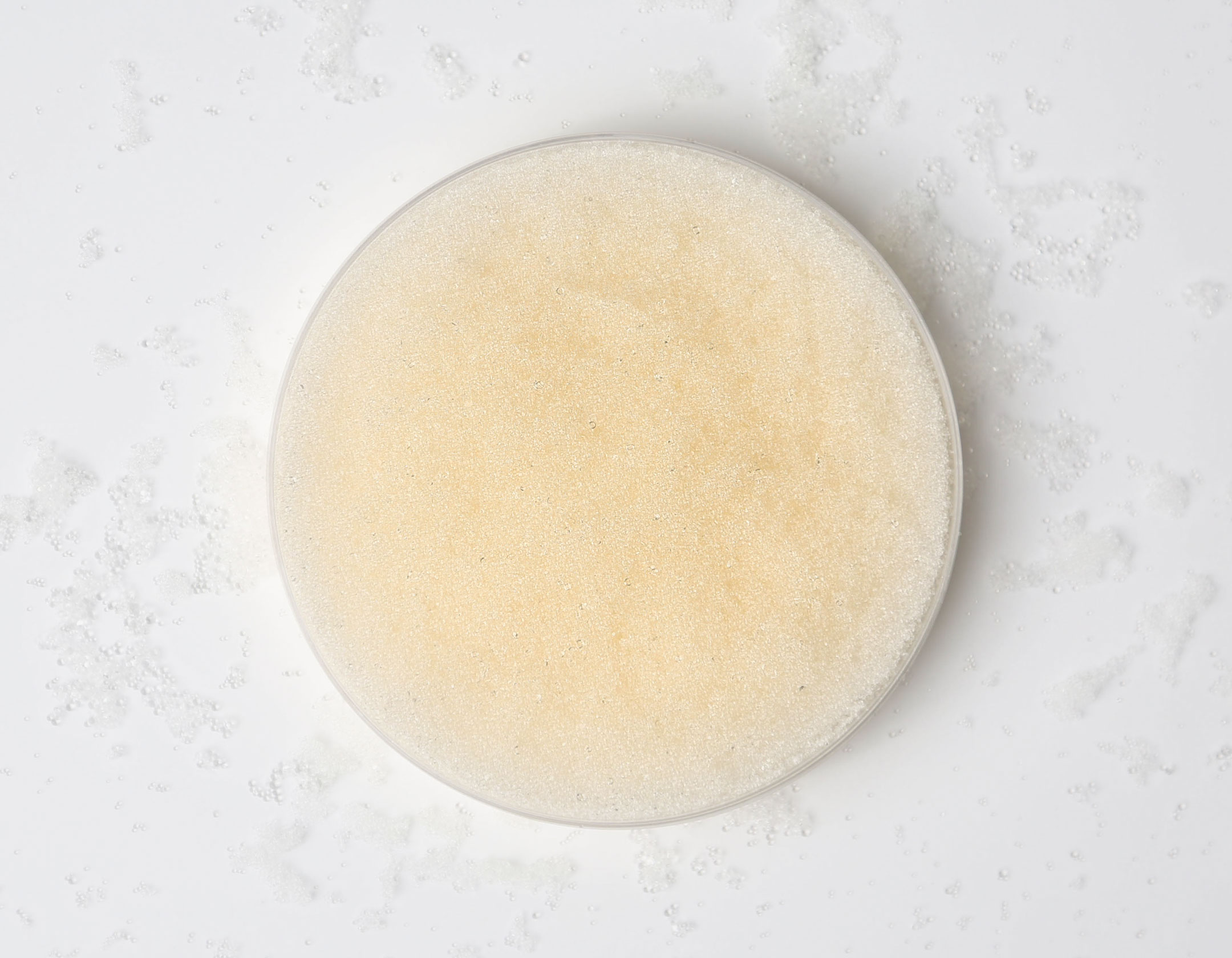
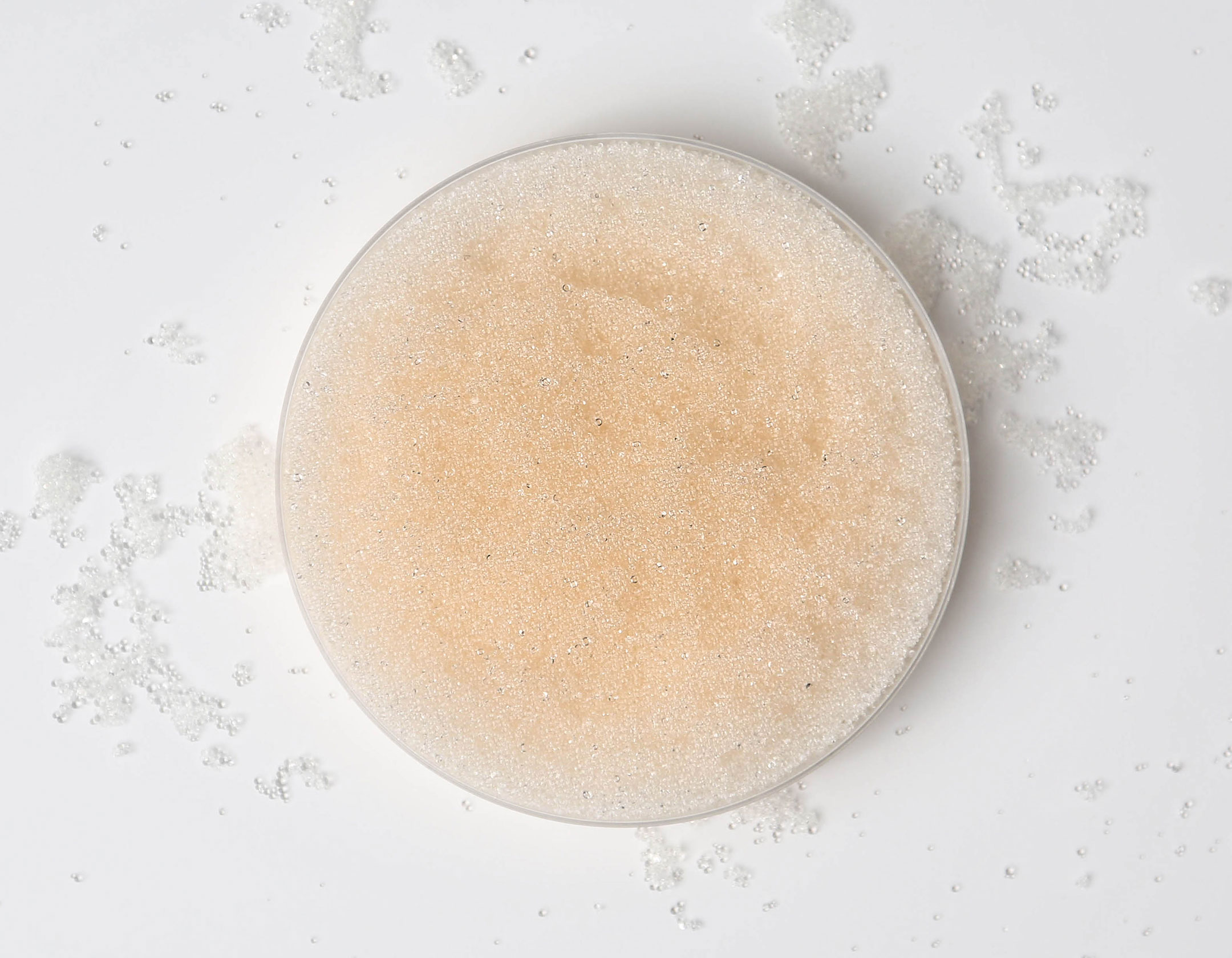
SIR-110-HP
Applications:
Trinkwasseraufbereitung
Kartuschenanwendungen
Nitratentfernung
SIR-110-MP-HP
Applications:
Trinkwasseraufbereitung
Kartuschenanwendungen