Boiler / Makeup Water
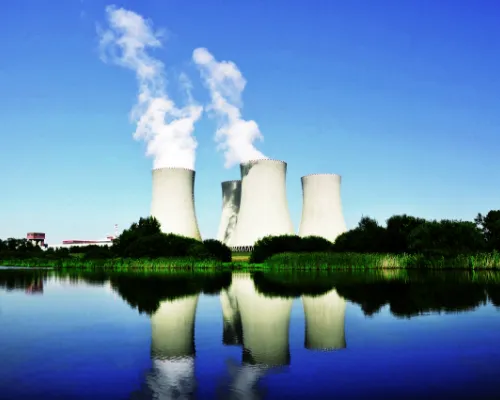
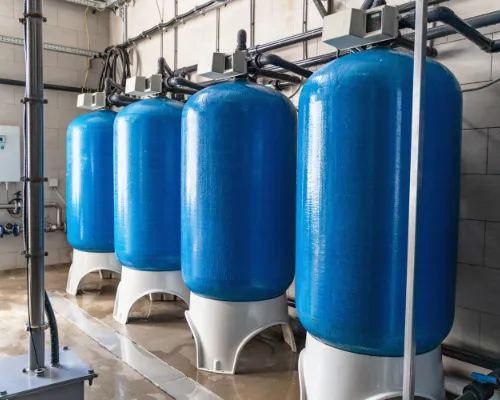
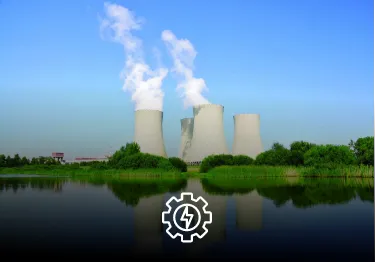
The removal of dissolved ions is critical in the treatment of water intended for use in steam generated power production. These ions can cause scale or corrosion if they appear in the steam cycle.
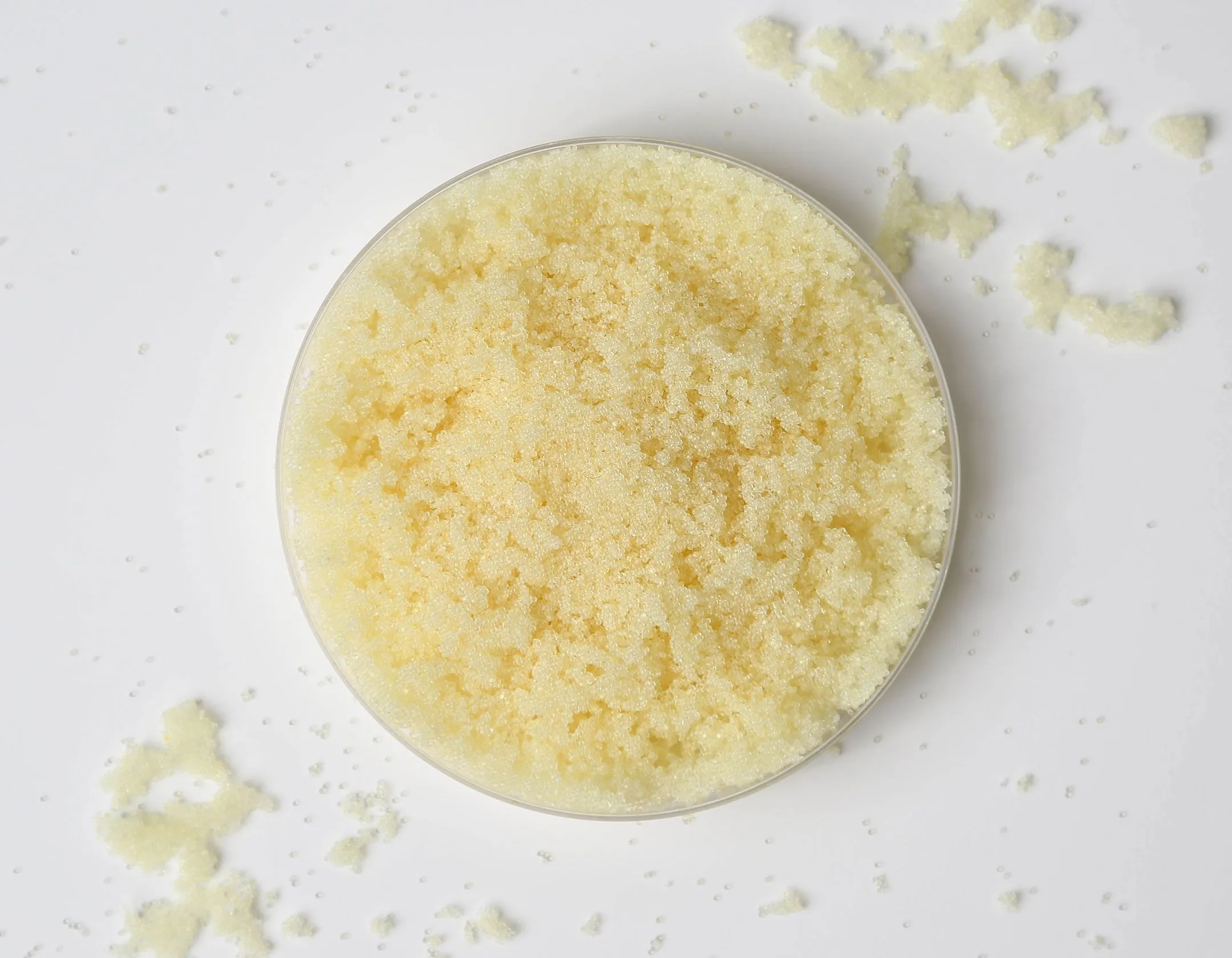
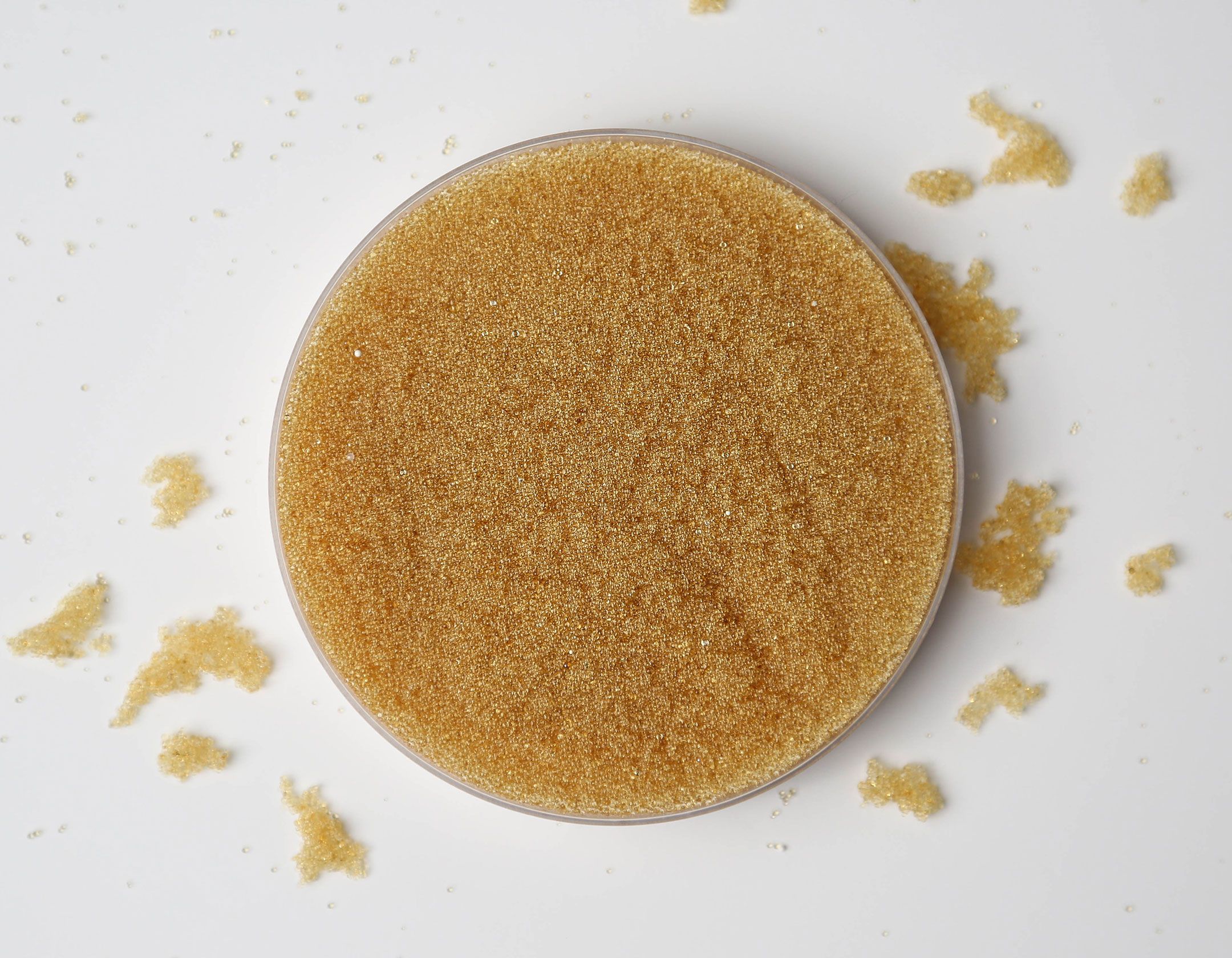
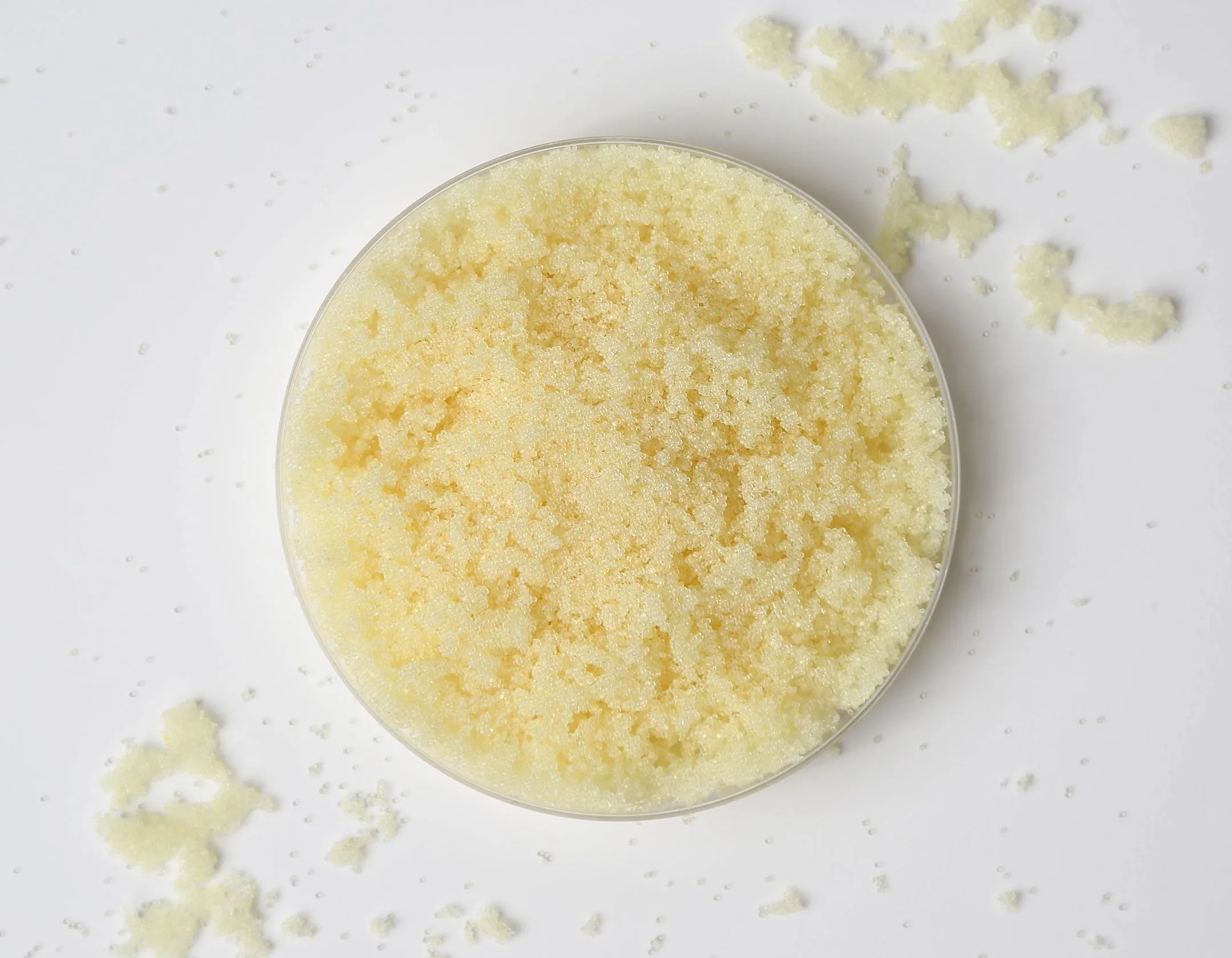
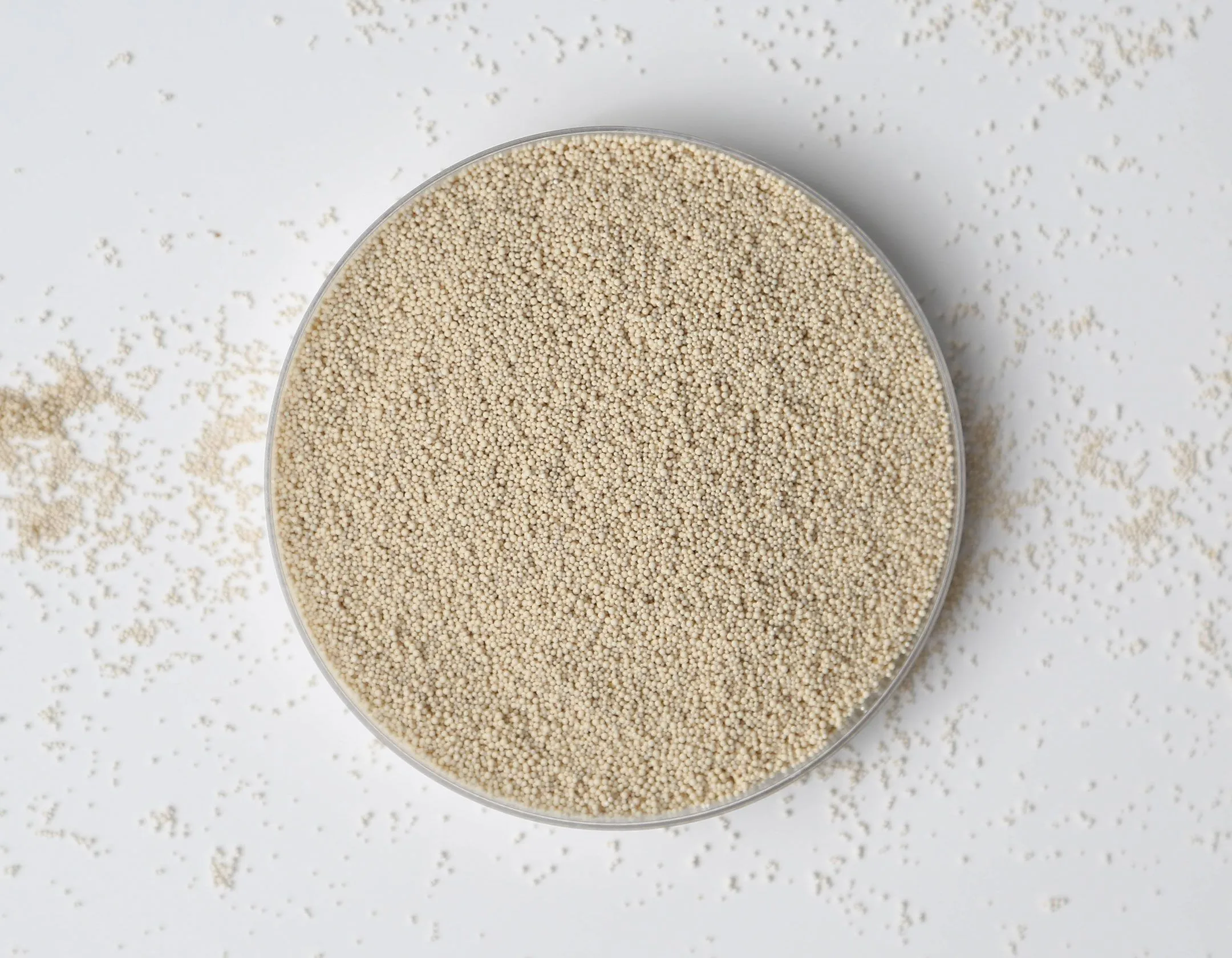
CG10H_Shot22x.jpg
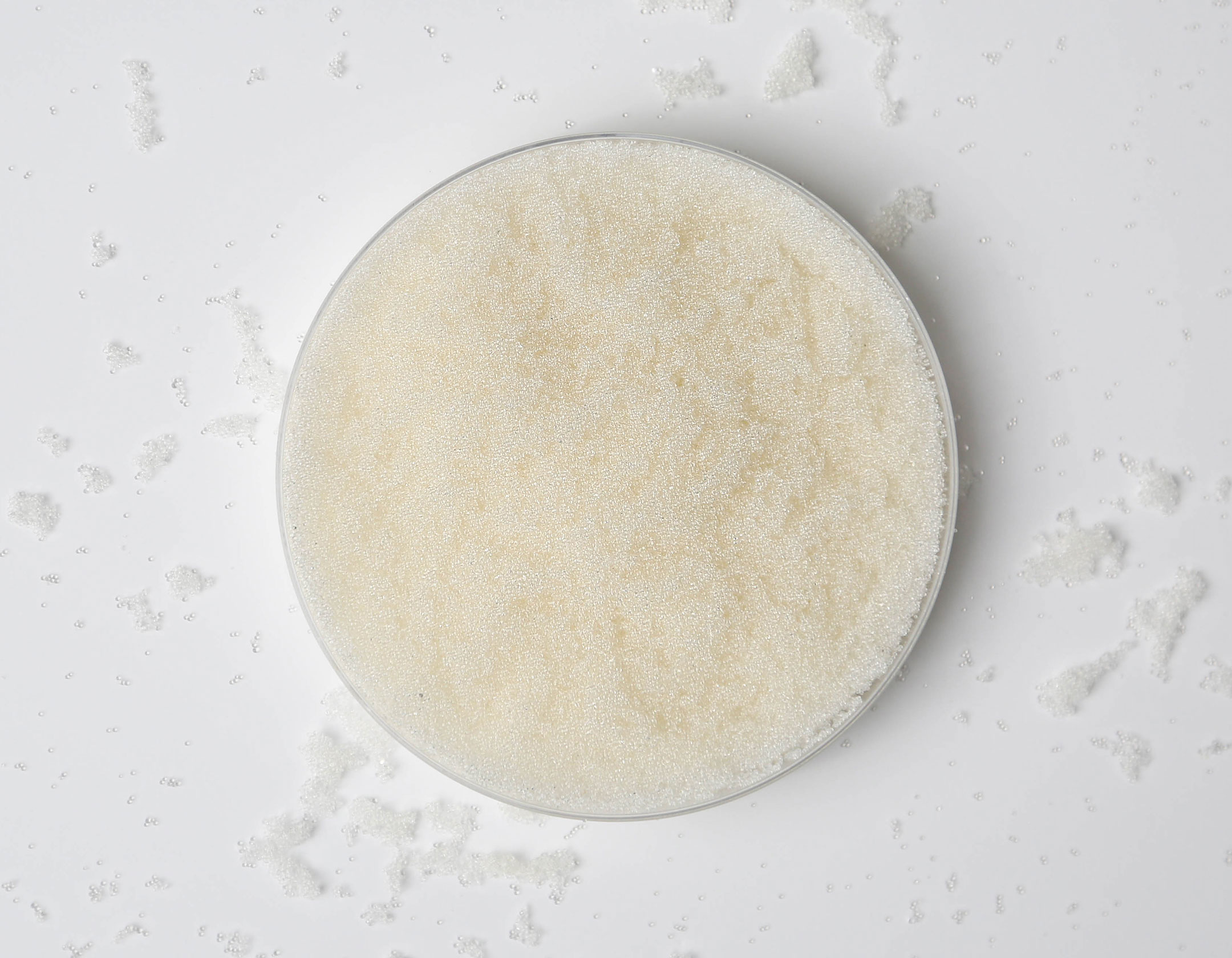
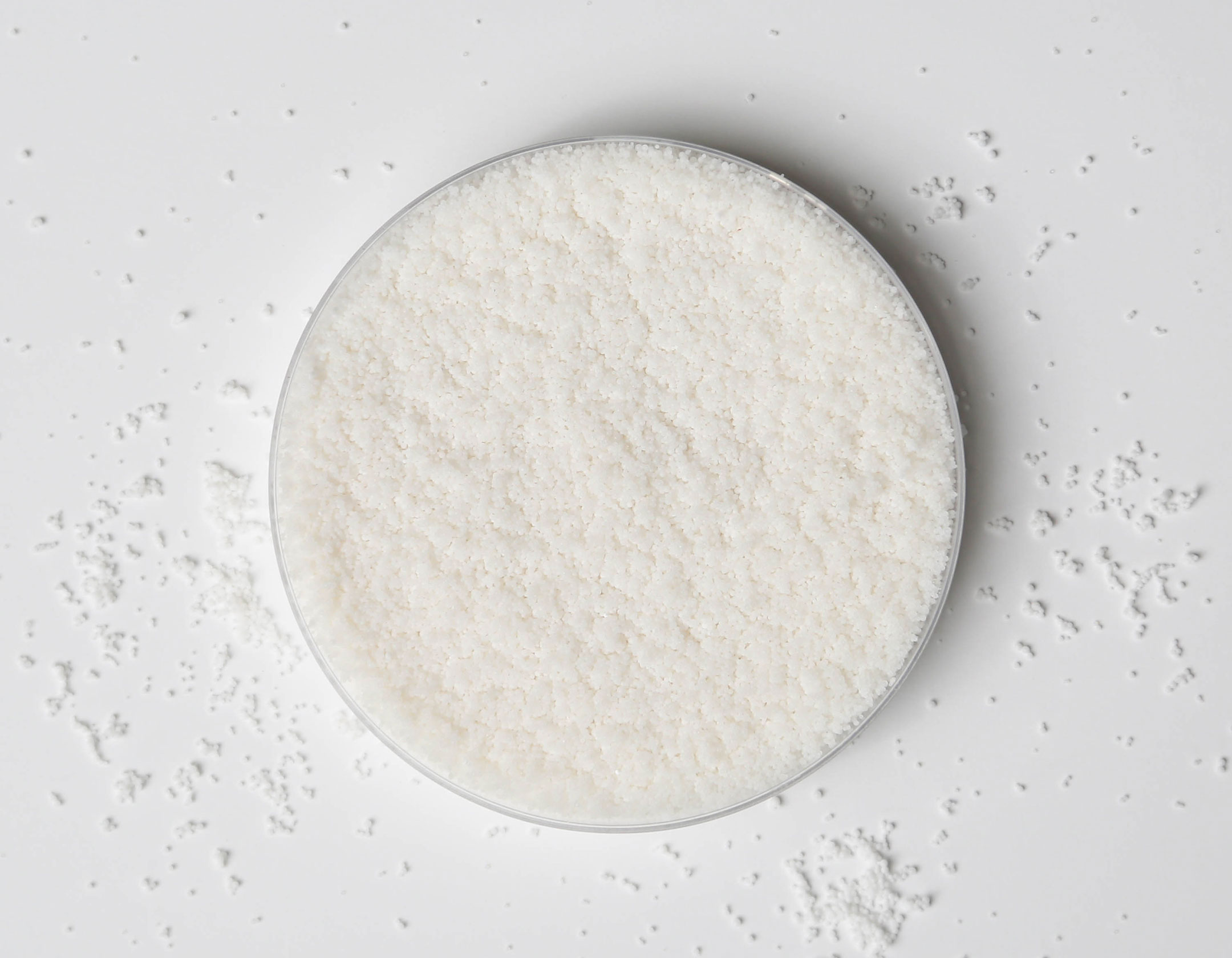
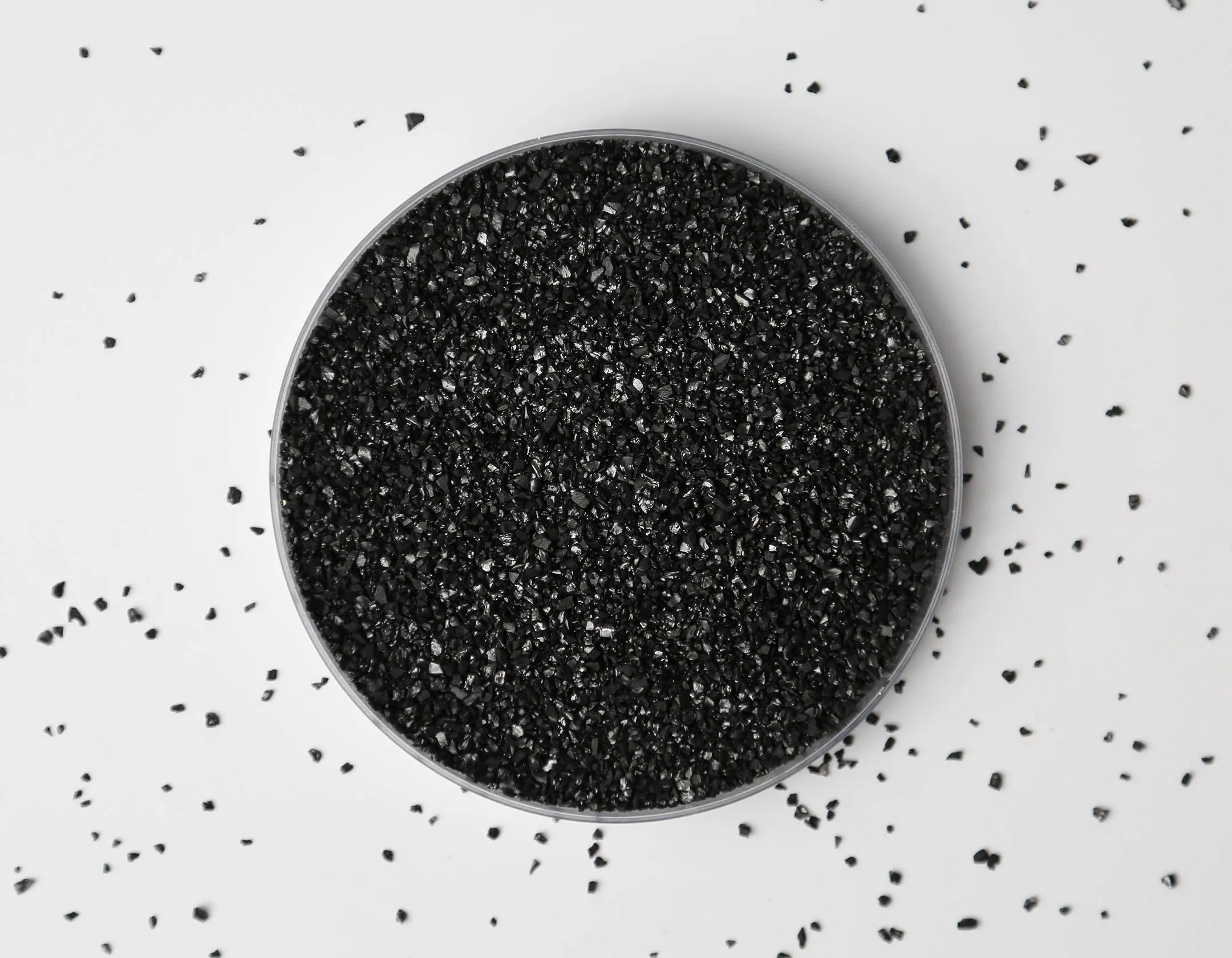
CG10-H
Applications:
Desmineralización / DI, Pulido de condensado, Componentes de lecho mixto
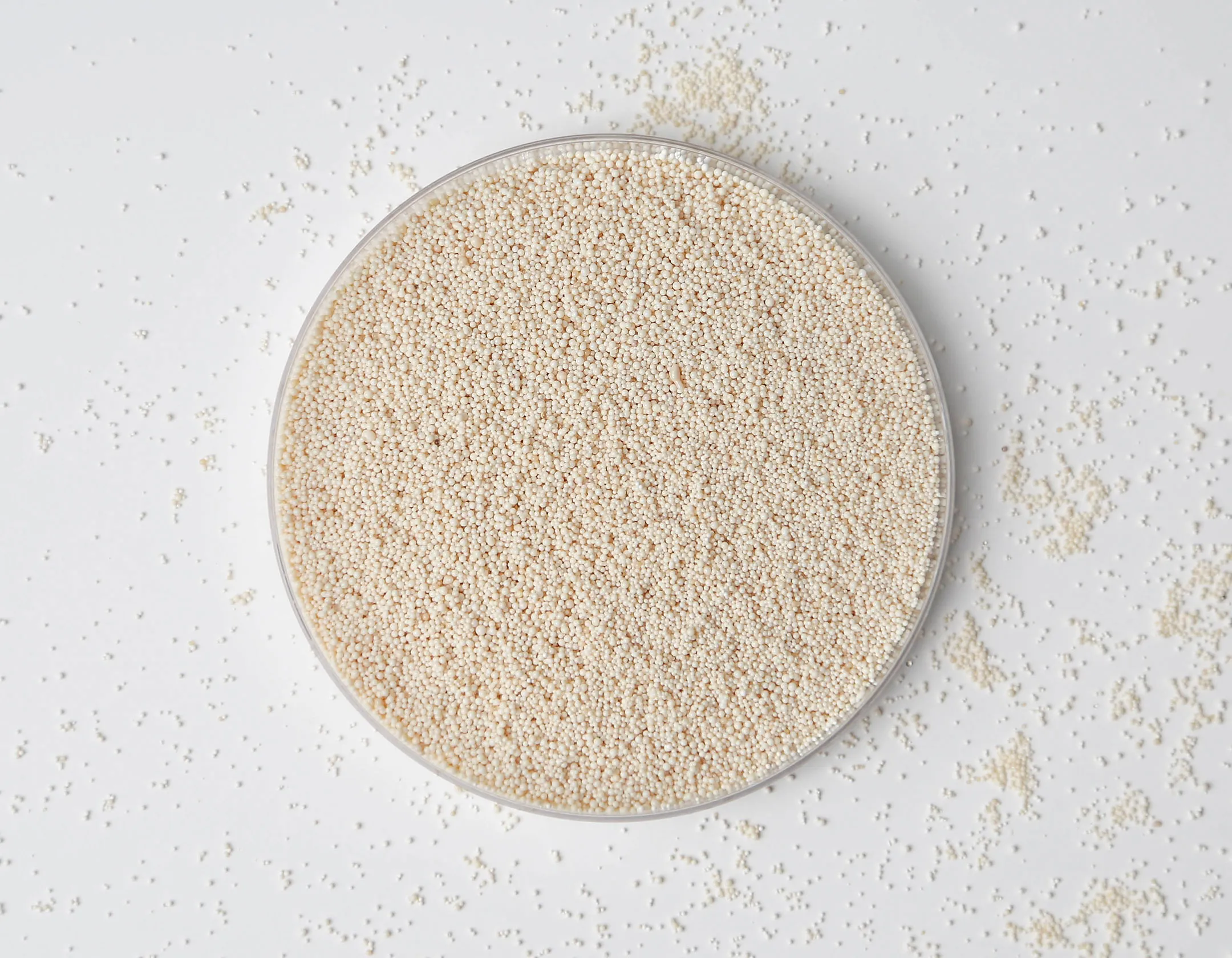
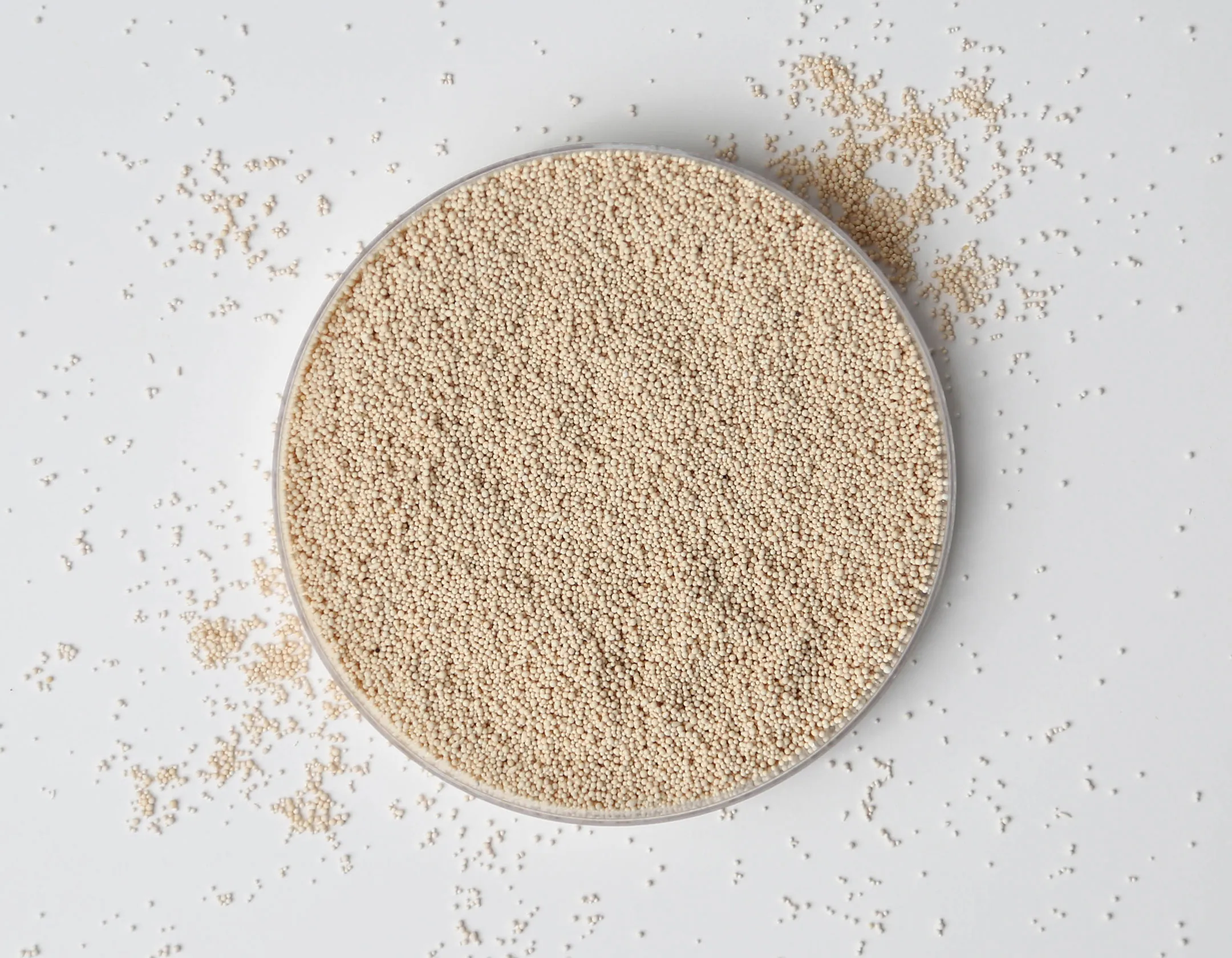
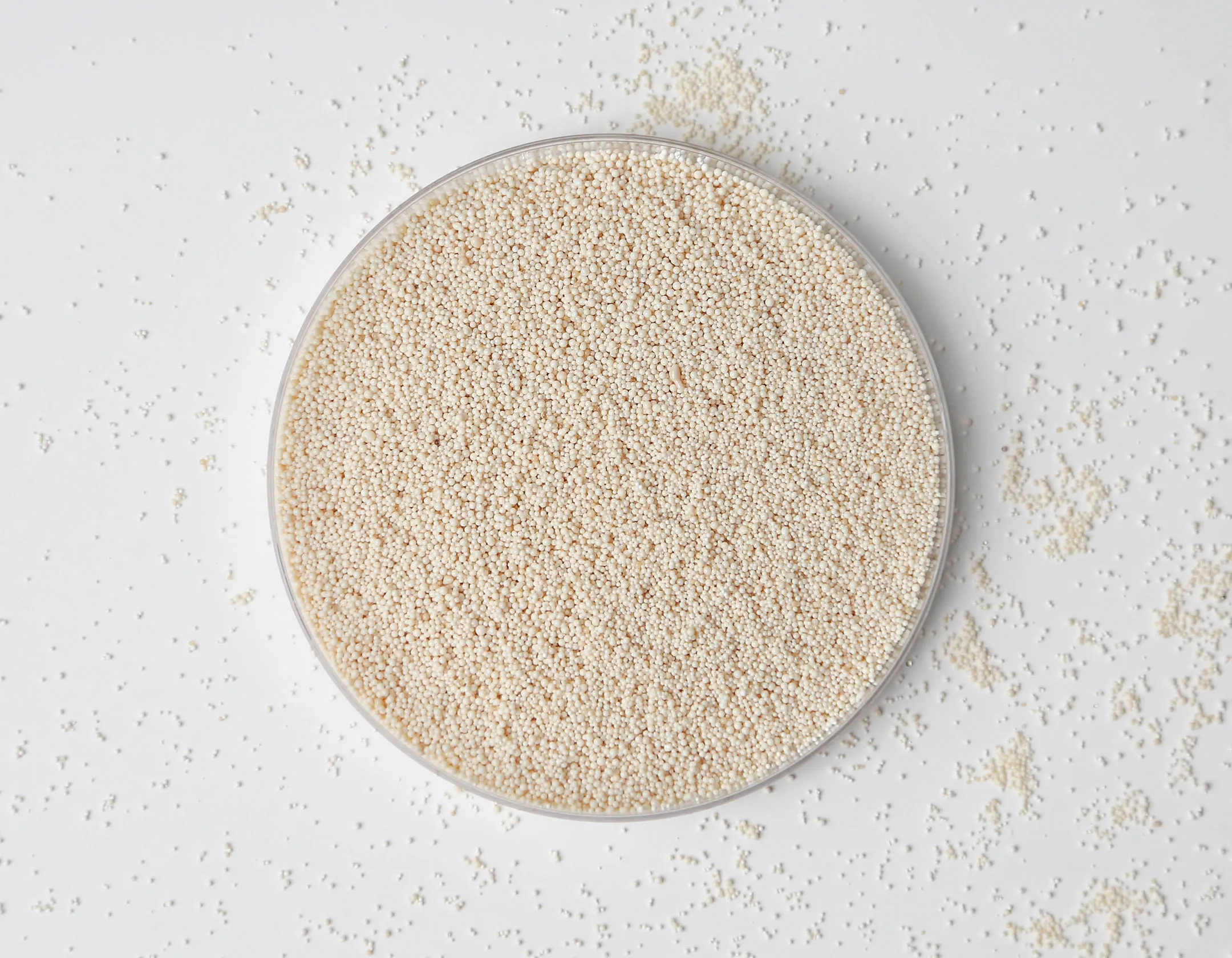
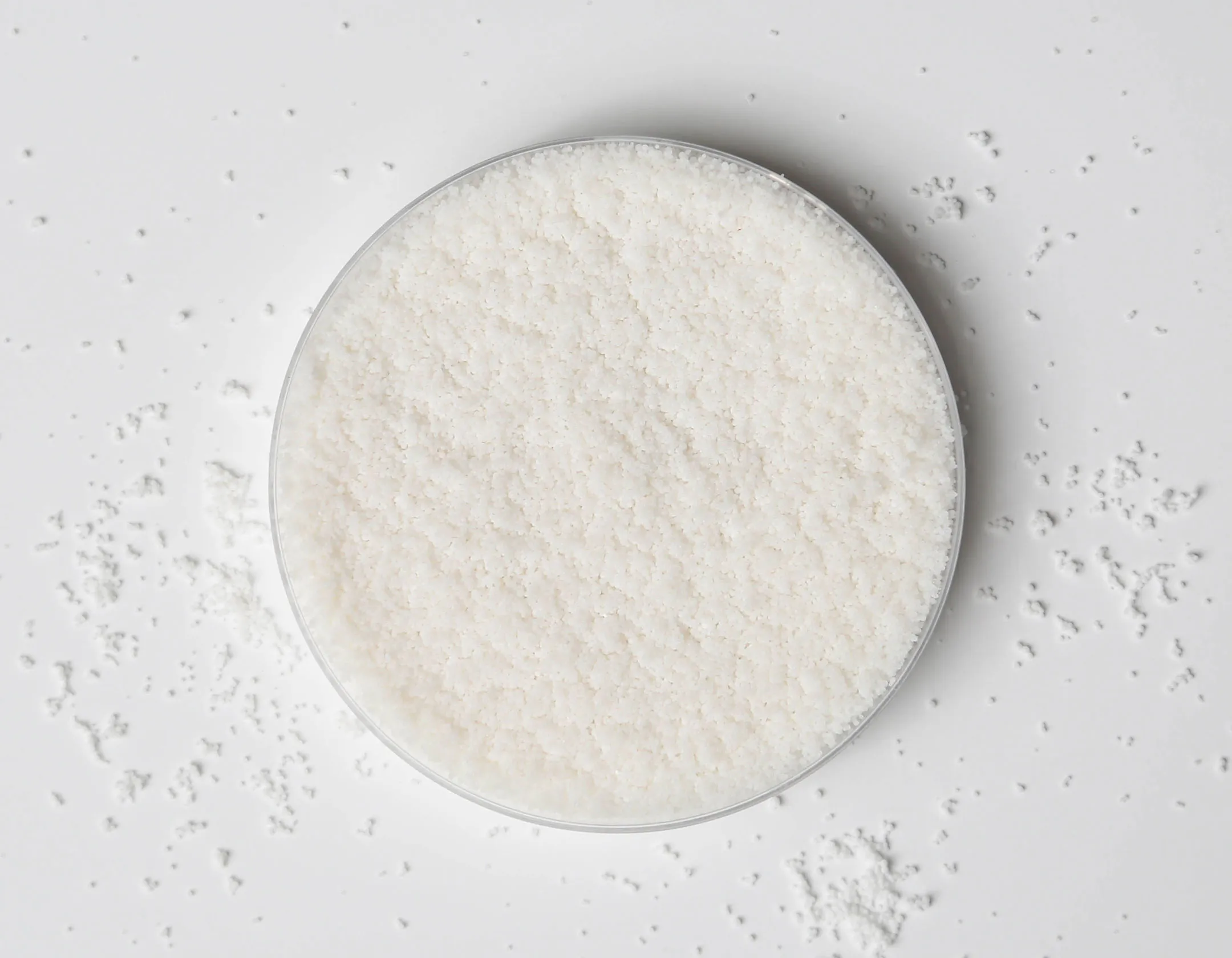
CG8H_Shot22x.jpg
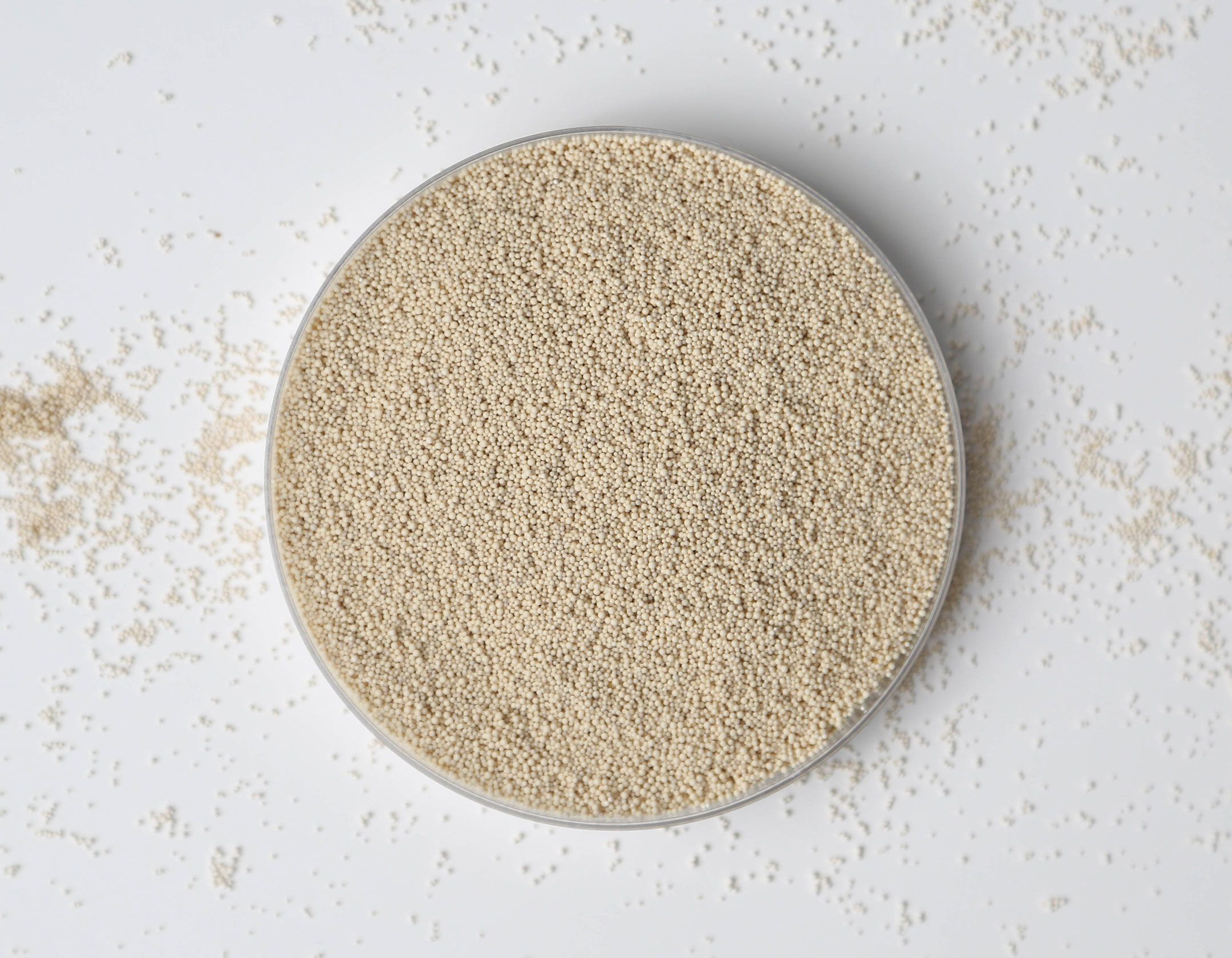
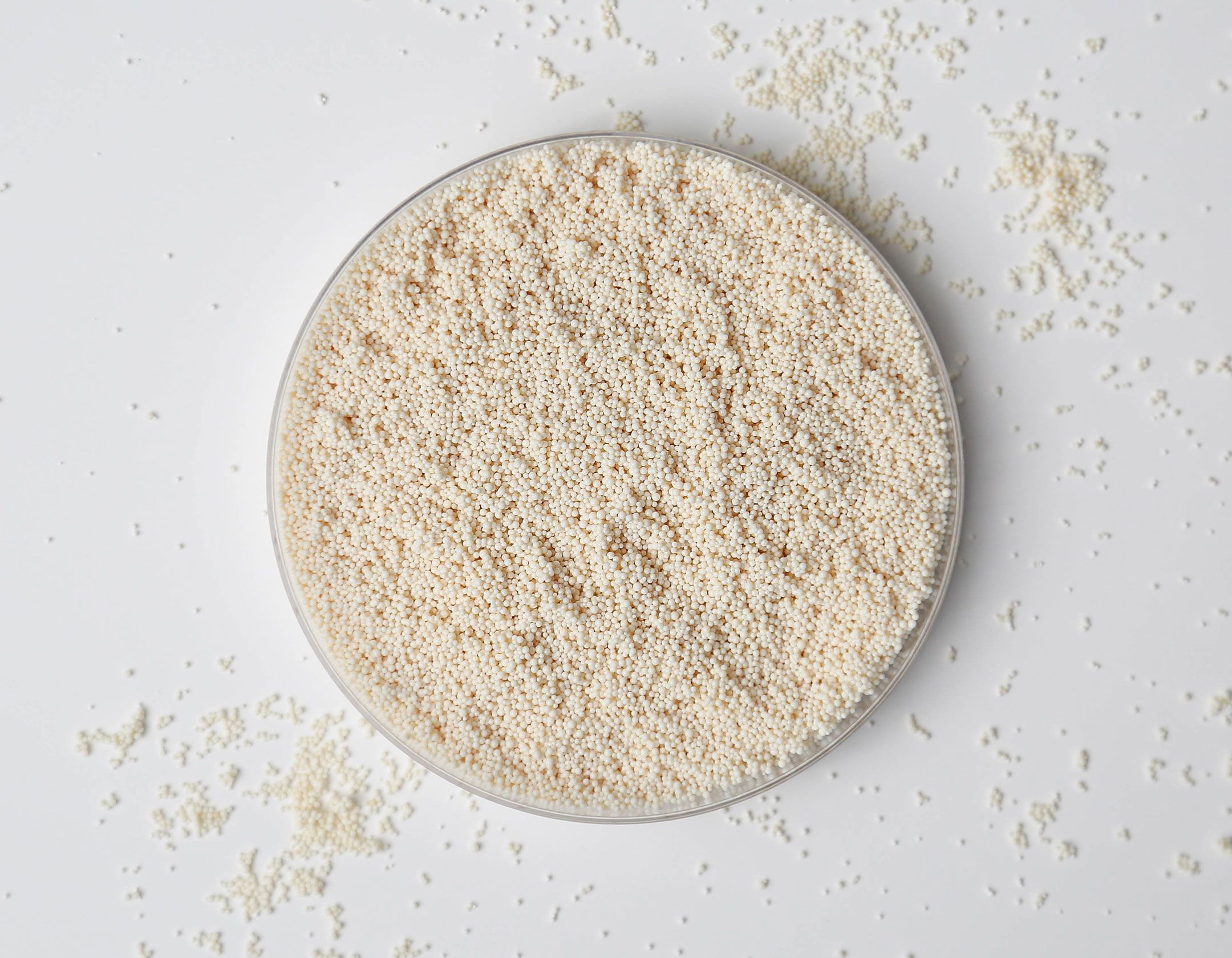
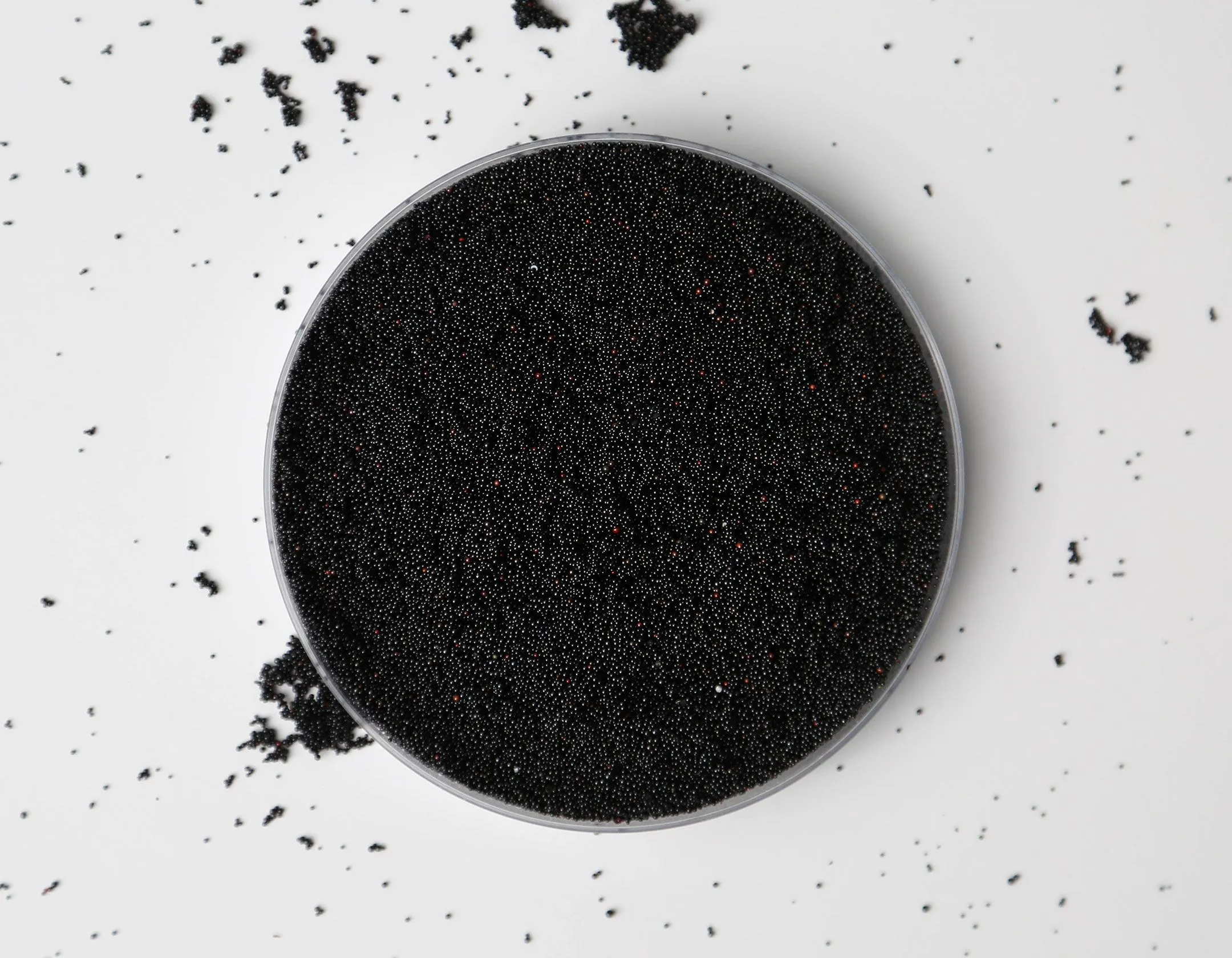
CG8-H
Applications:
Desmineralización/DI, componentes de lecho mixto
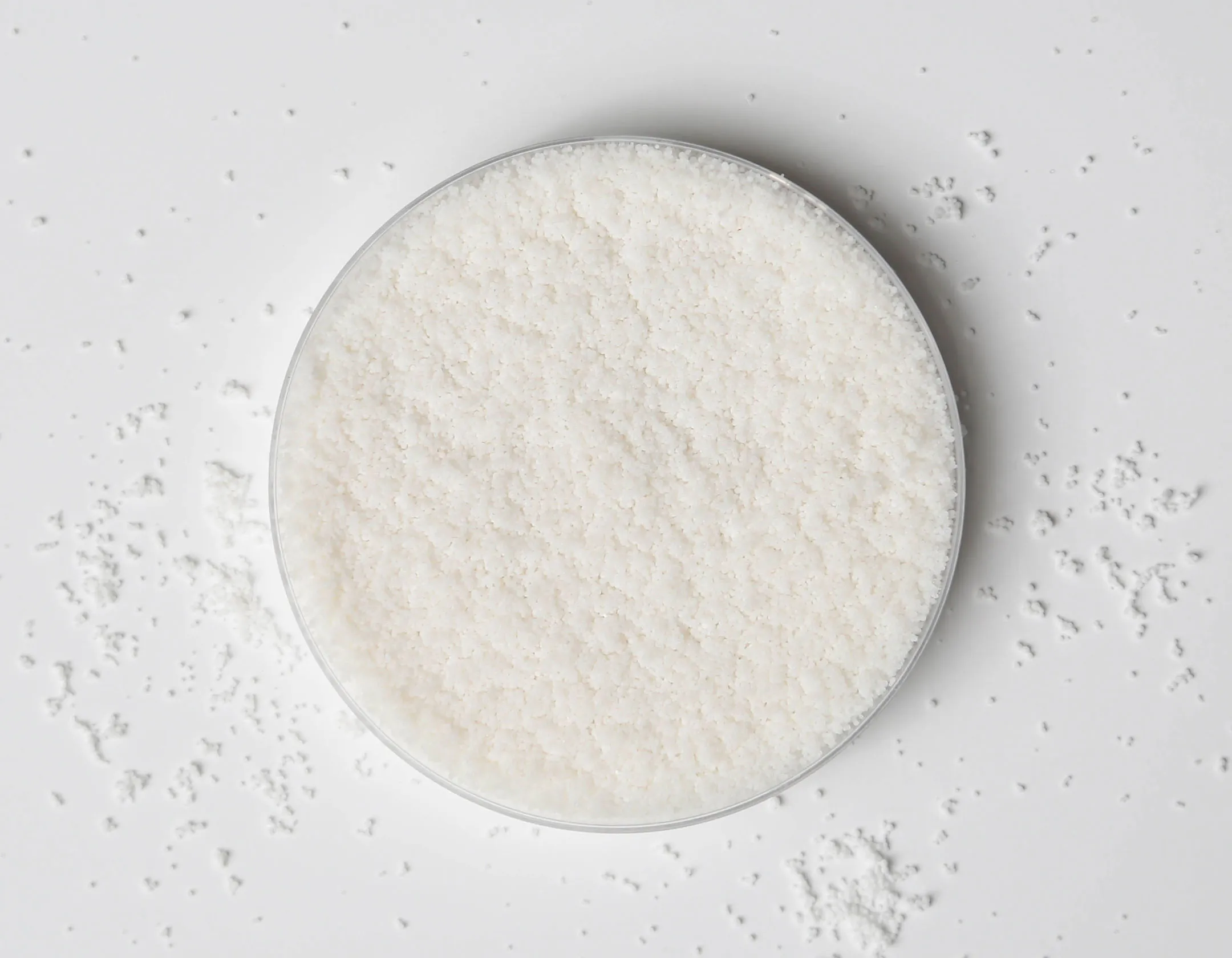
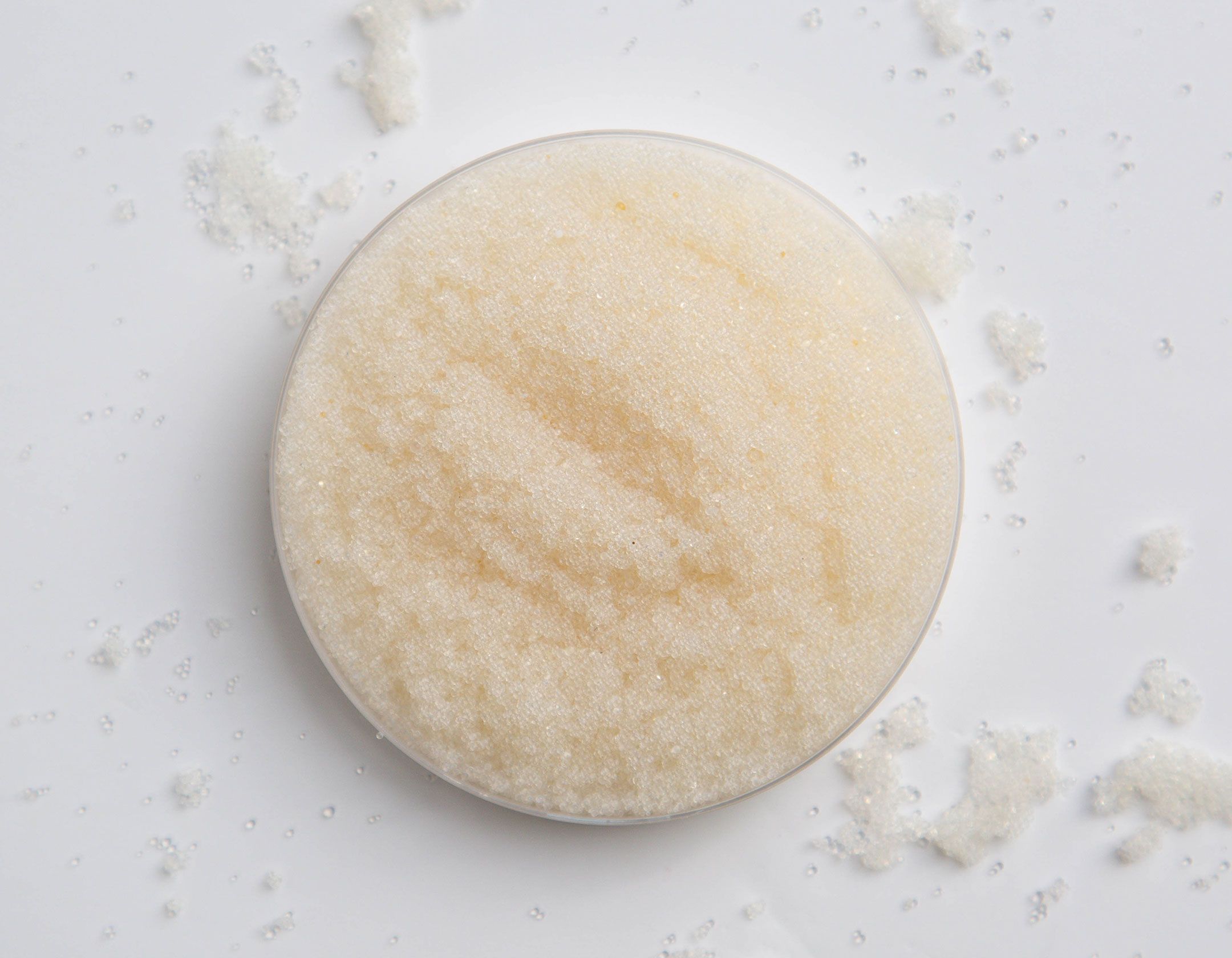
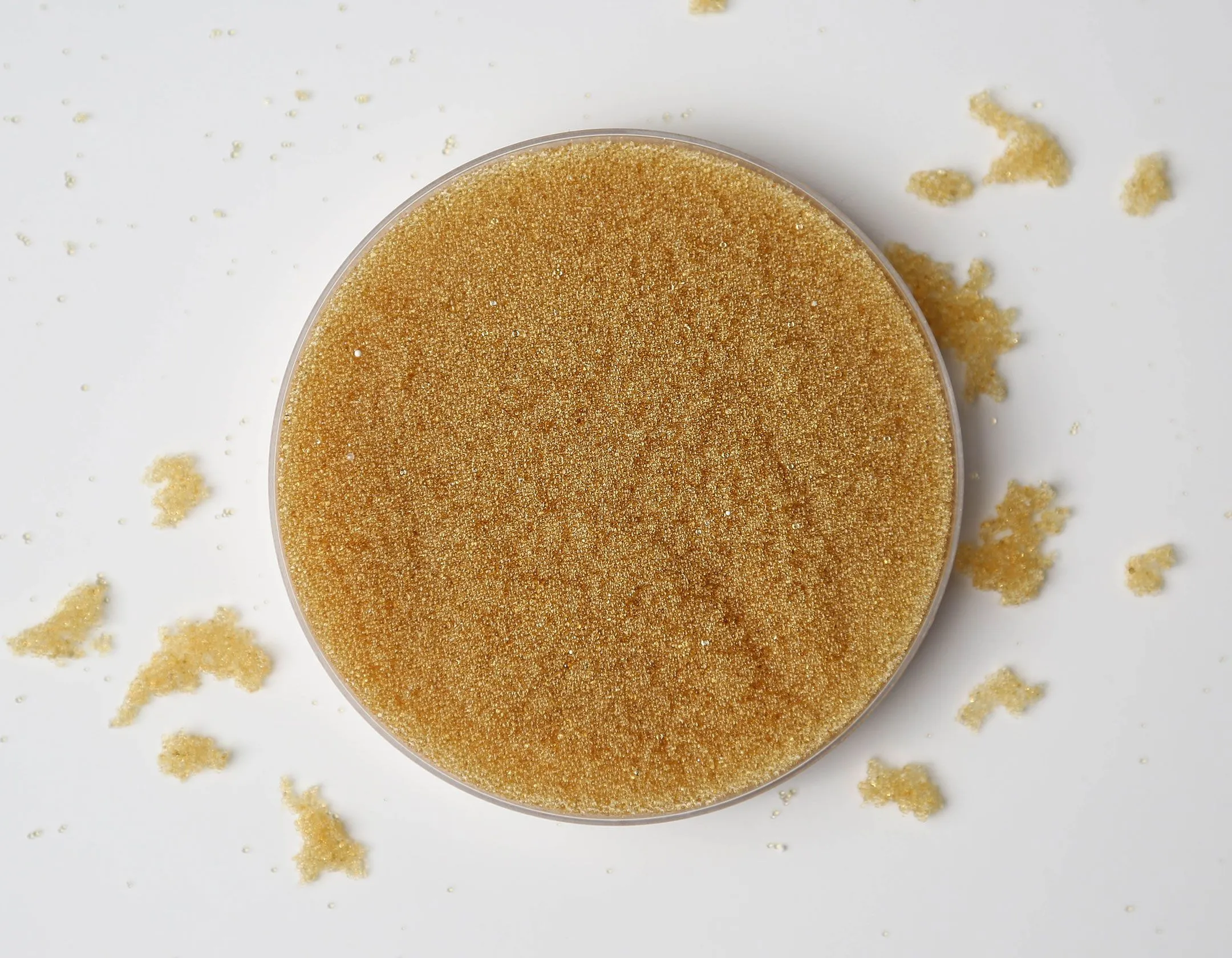
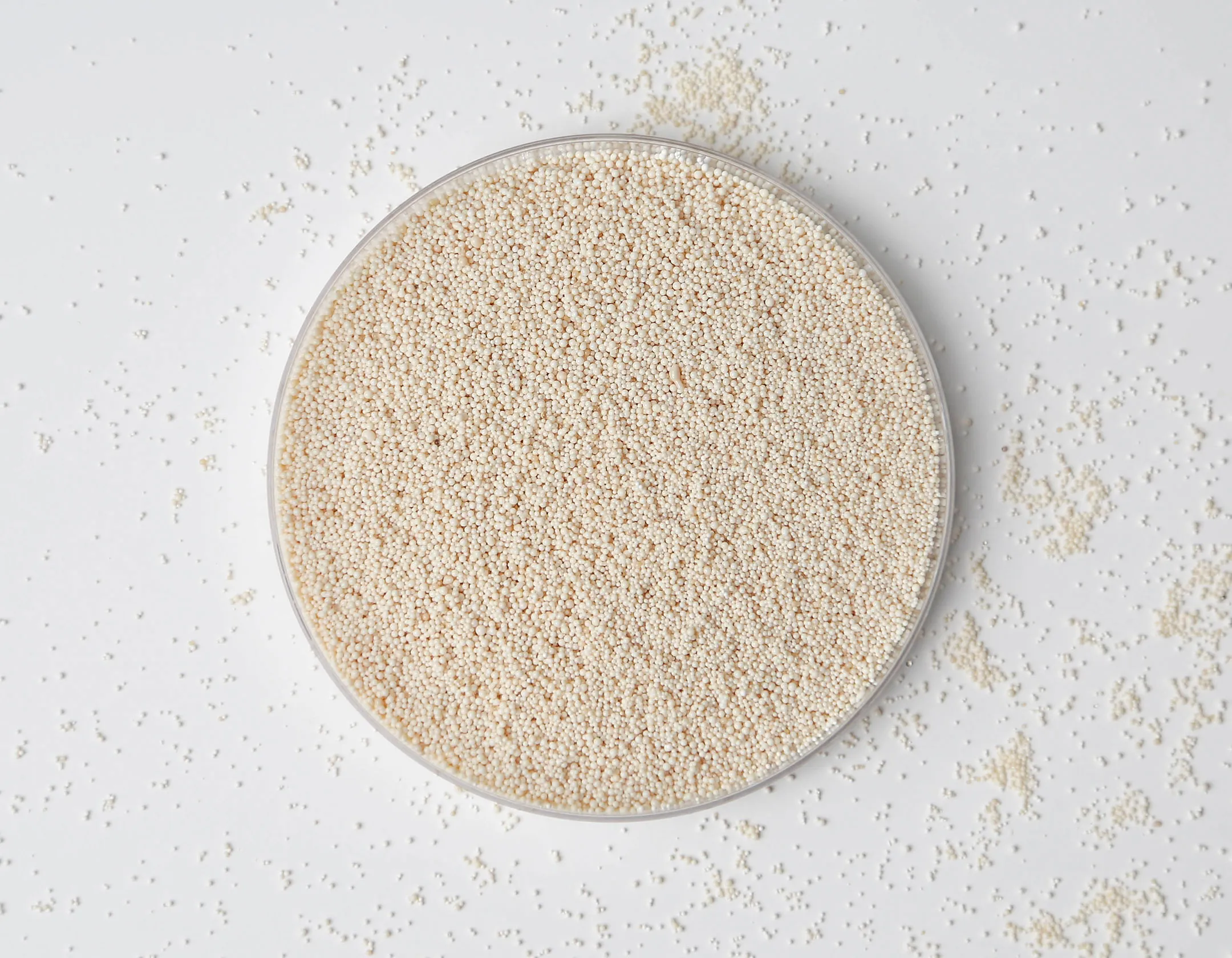
SBG1OH_Shot22x.jpg
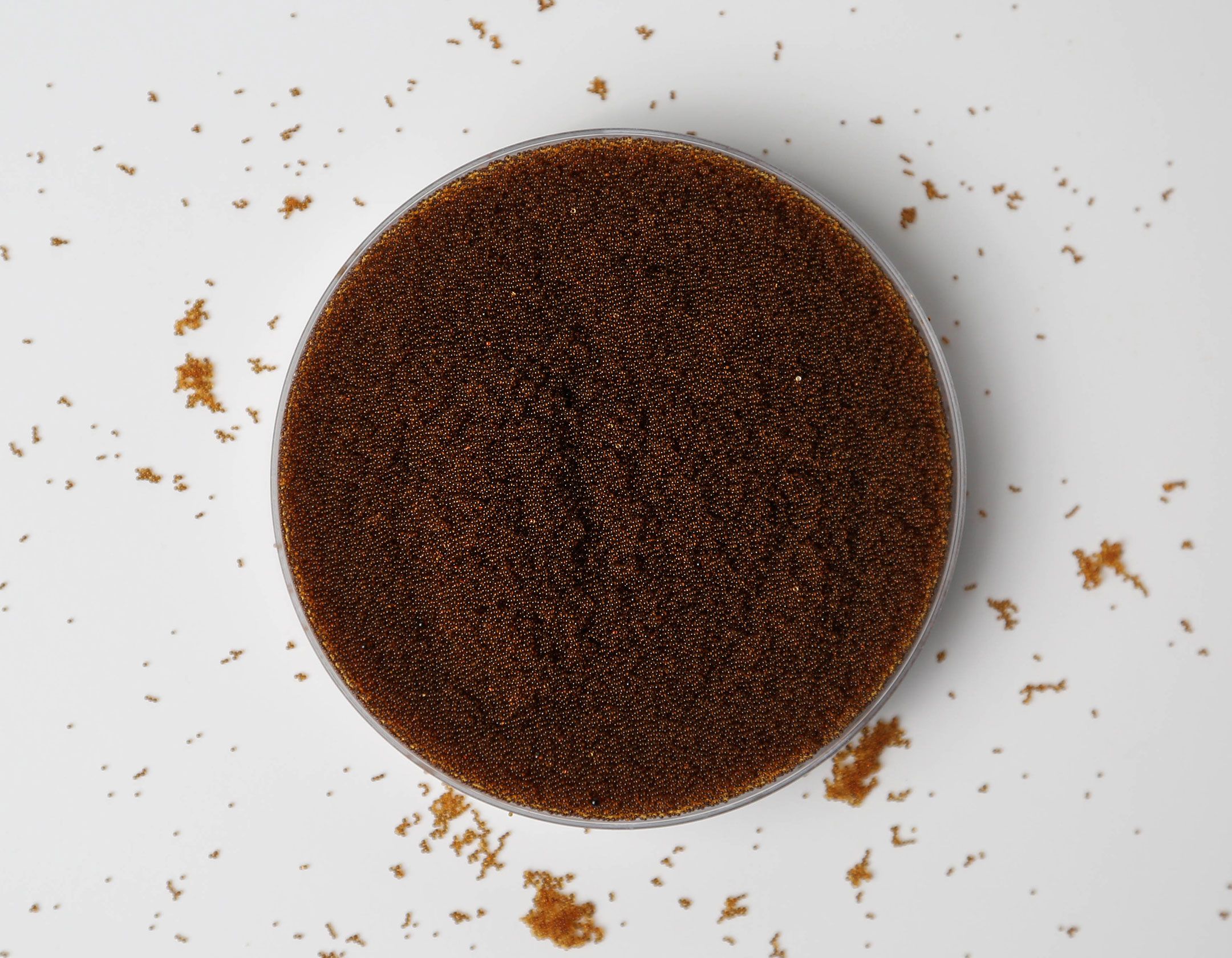
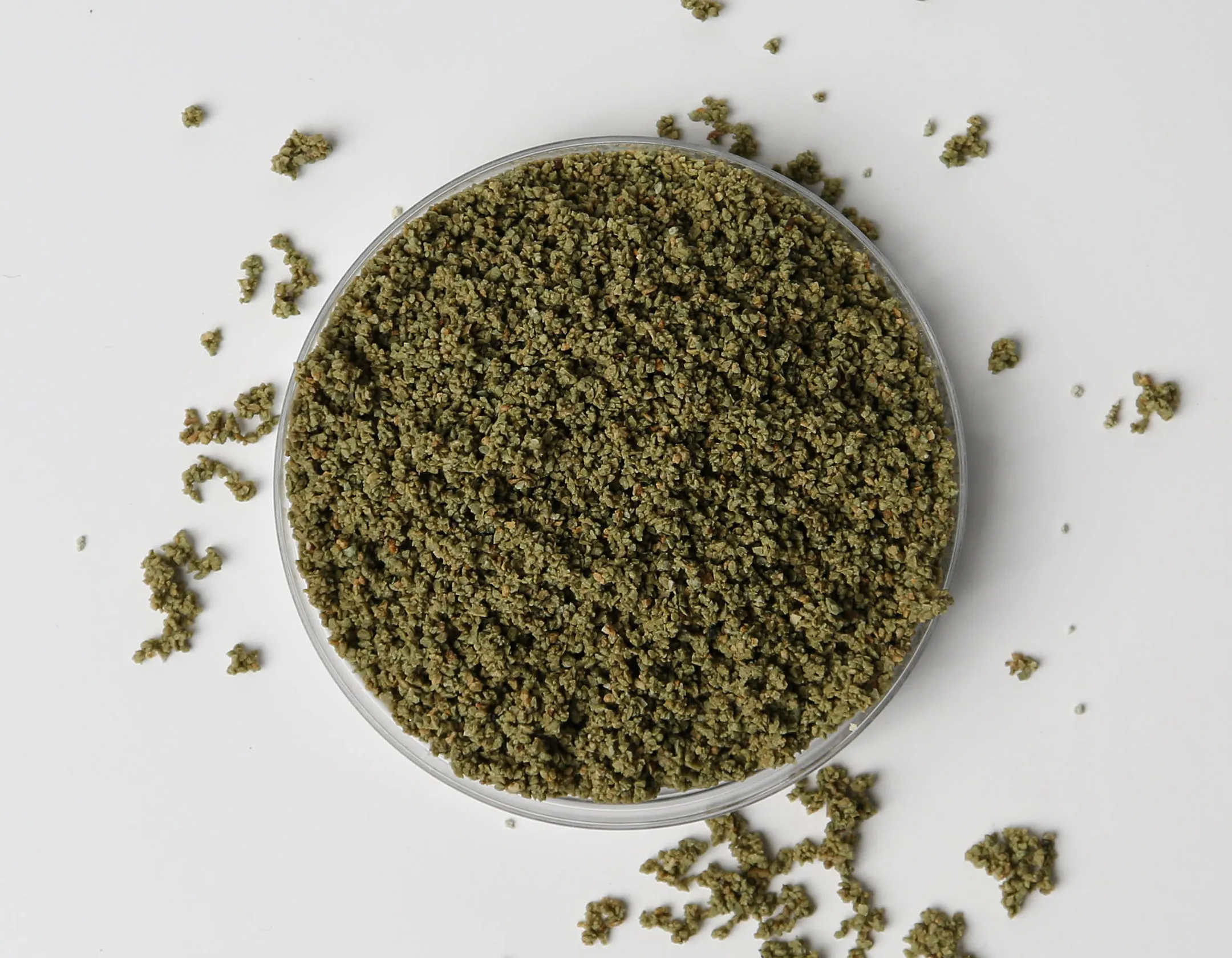
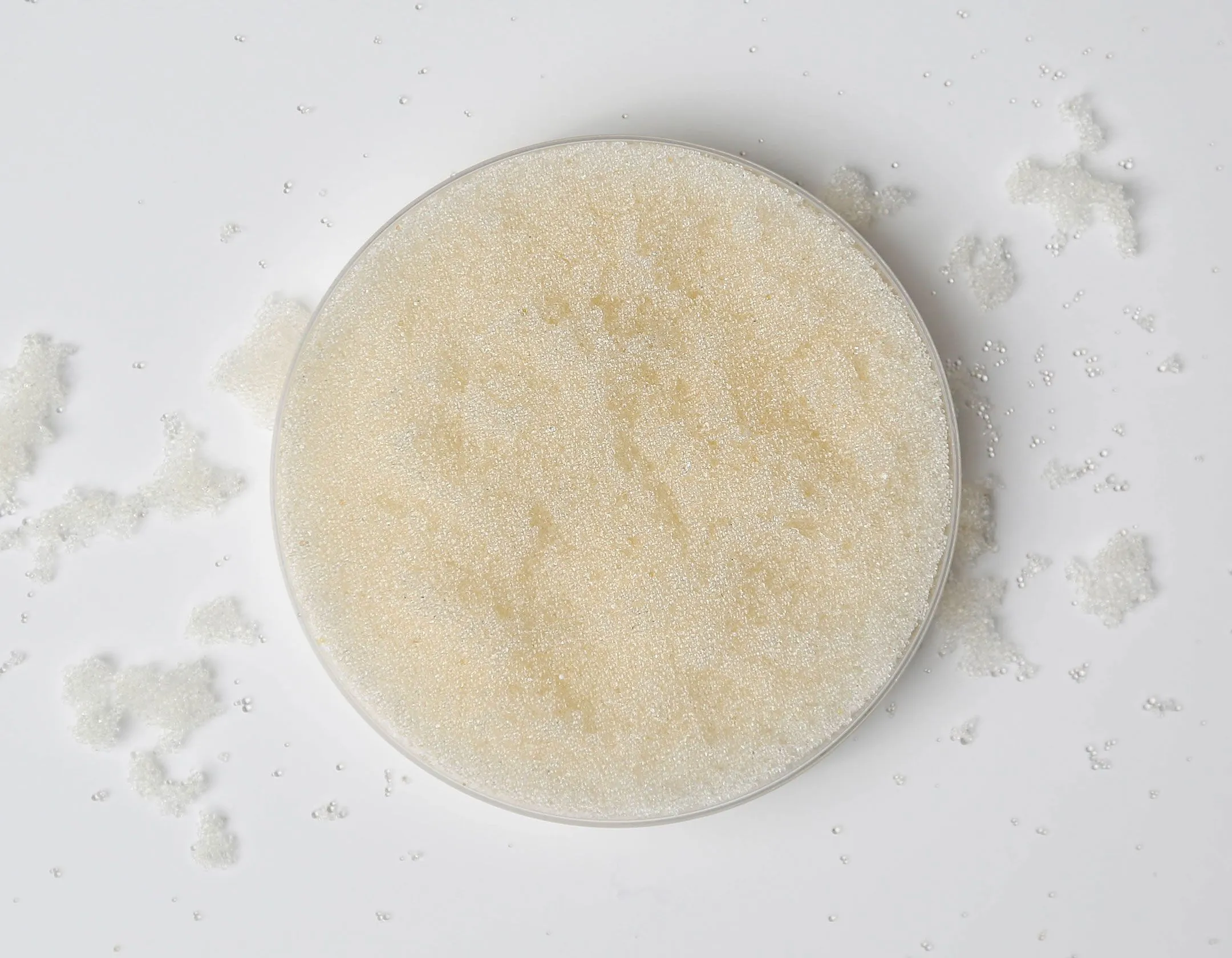
SBG1-OH
Applications:
Agua DI de alta pureza, desmineralización/DI, componentes de lecho mixto, eliminación de sílice
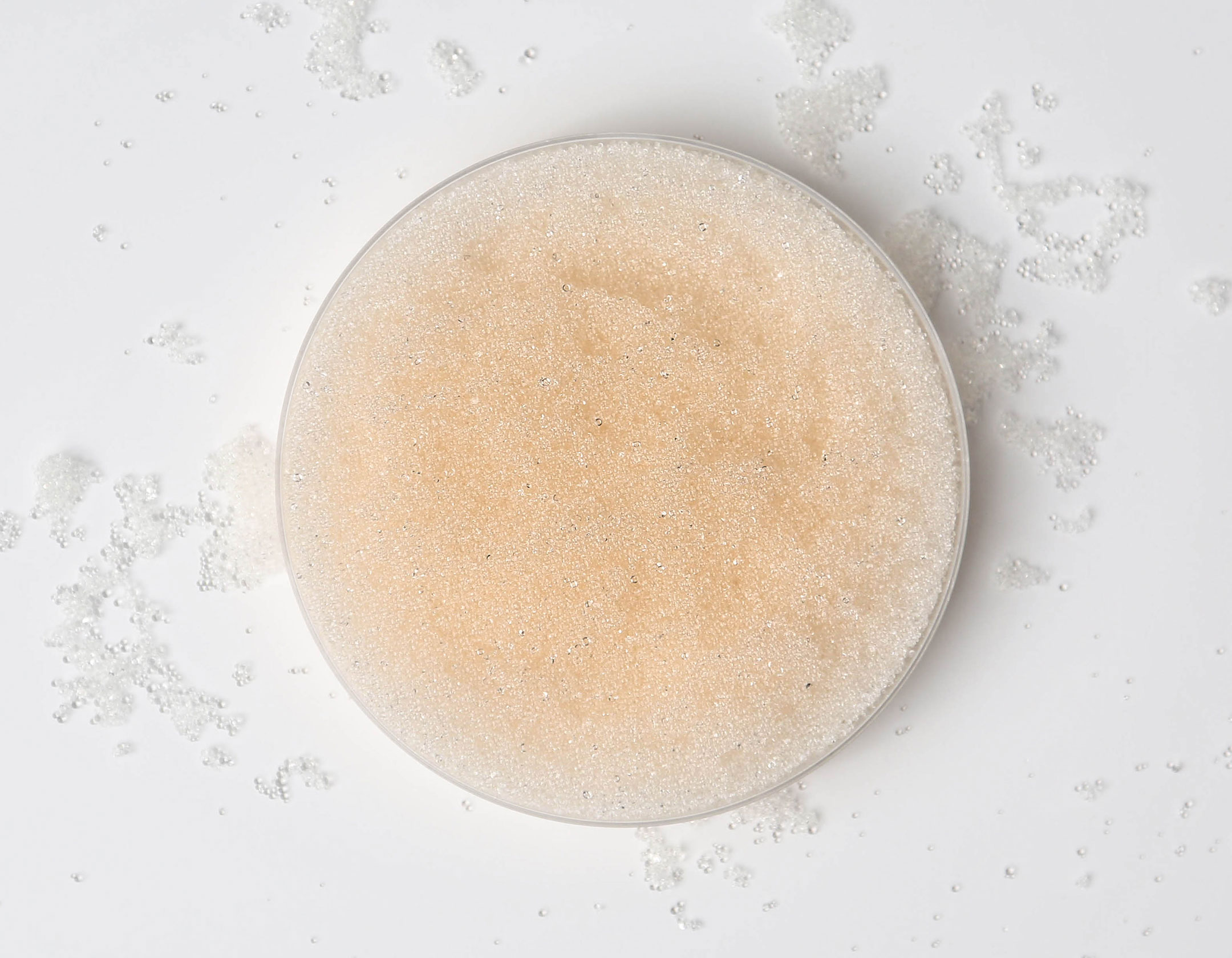
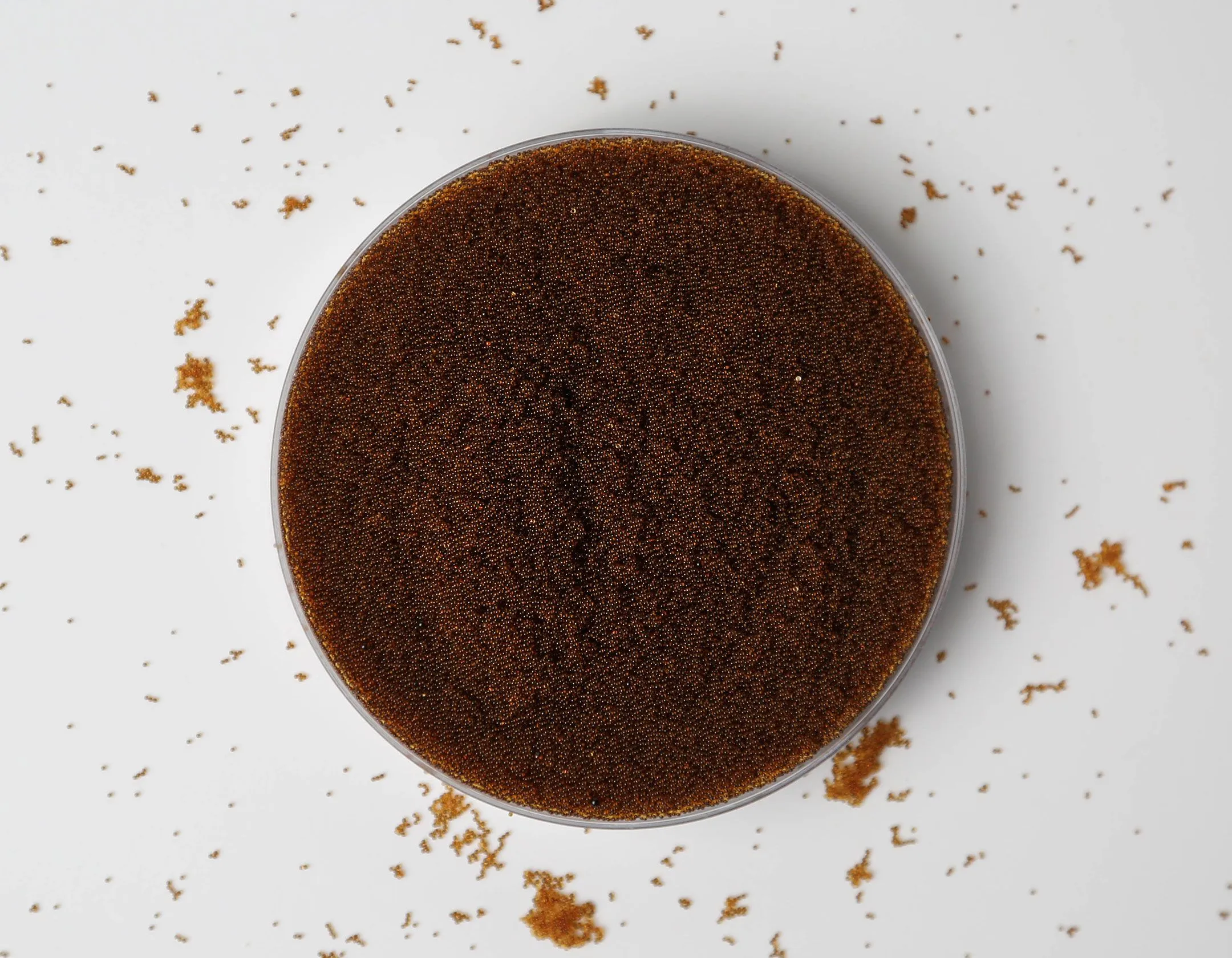
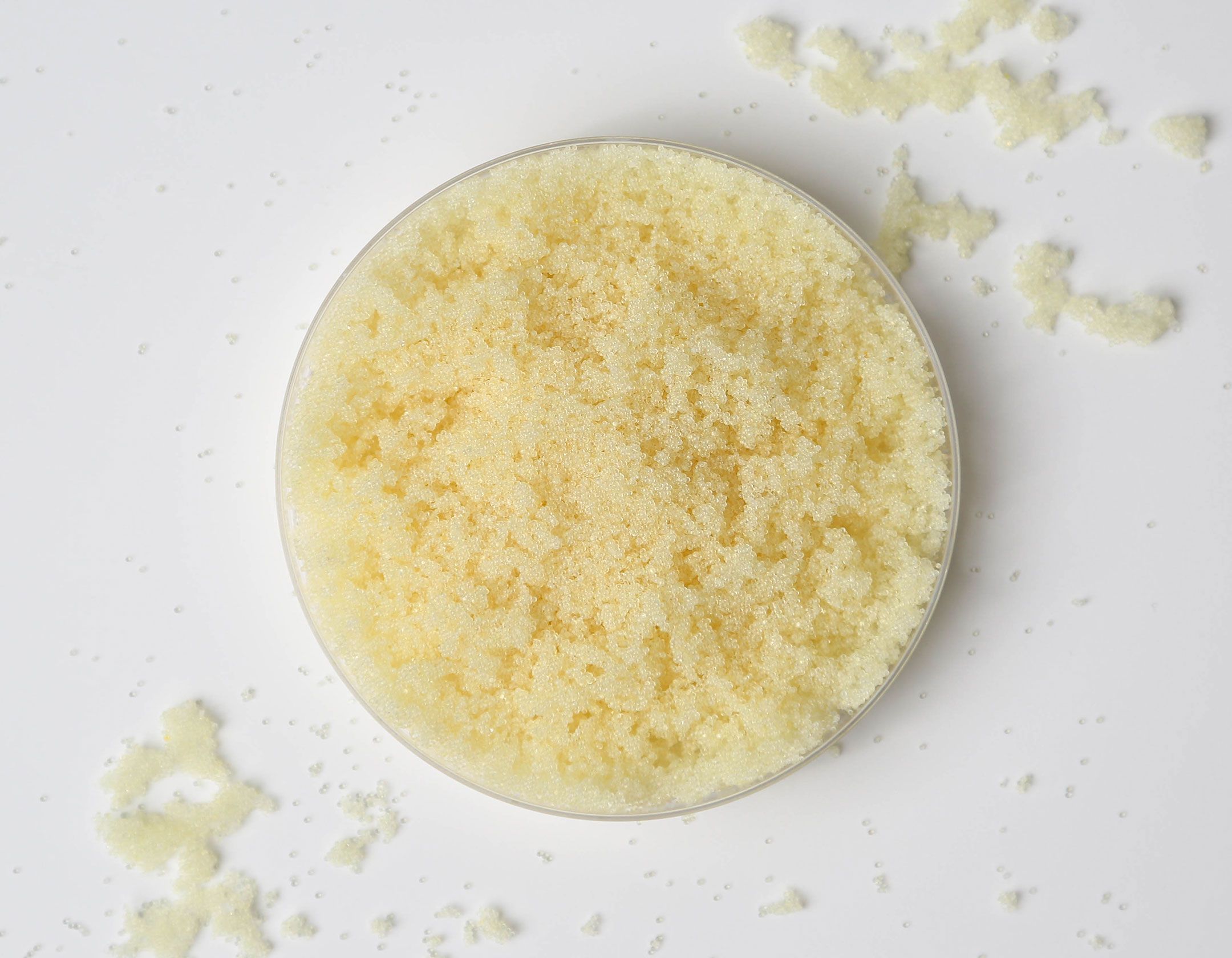
SBG1POH_Shot22x.jpg
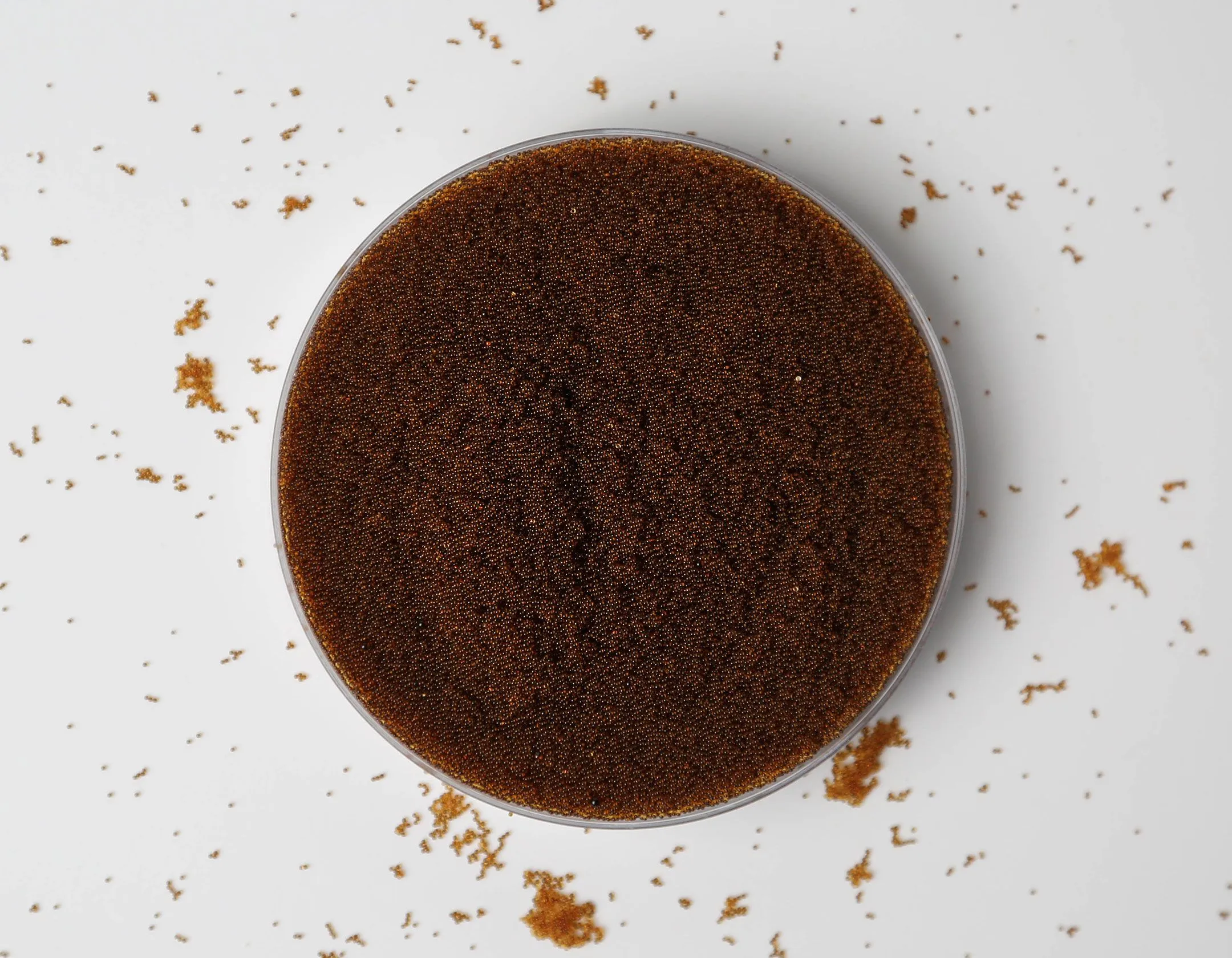
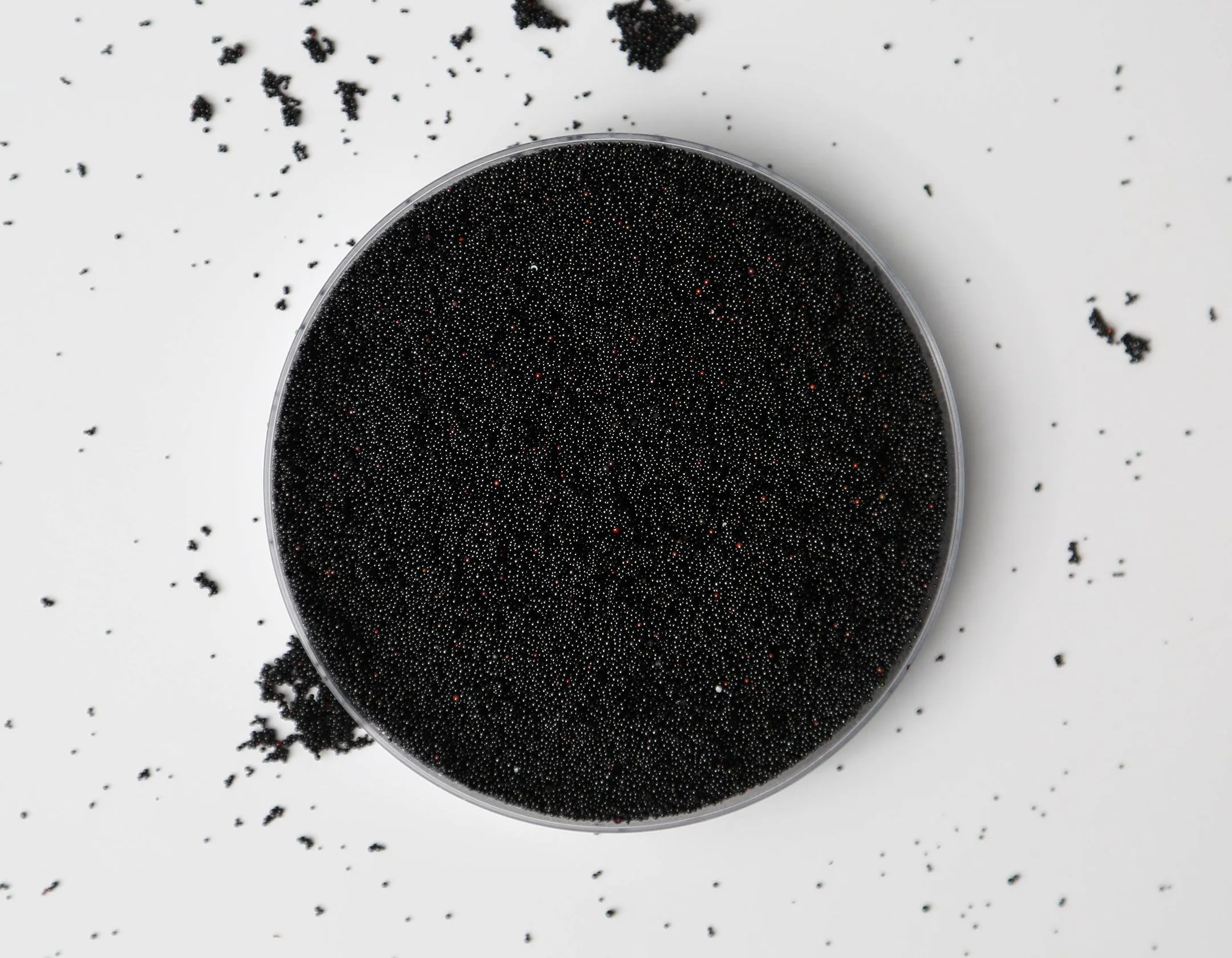
SBG1P-OH
Applications:
Agua DI de alta pureza, desmineralización/DI, componentes de lecho mixto, eliminación de sílice
Carbonate Reduction
Carbonate is a form of alkalinity (along with bicarbonate and carbon dioxide). Carbonates readily combine with many divalent cations (especially calcium) to form a precipitant. Calcium carbonate precipitation is quite common in waters where the pH is > 9. Carbonate can be removed by various strong base anion resins and can be neutralized (acidified) by various cation resins.
CG8HBL_Shot22x.jpg
CG8-H-BL
Applications:
Desmineralización/DI, componentes de lecho mixto
SBG1HP_Shot22x.jpg
SBG1-HP
Applications:
Dealcalinizador, desmineralización/DI, eliminación de trazas de contaminantes
SBG1PHP_Shot22x.jpg
SBG1P-HP
Applications:
Dealcalinizador, desmineralización/DI, eliminación de trazas de contaminantes
SBG2HP_Shot22x.jpg
SBG2-HP
Applications:
Dealcalinizador, desmineralización/DI, eliminación de trazas de contaminantes
Commercial Softening
Commercial softening applications may require high flow rates or low hardness leakage. Equipment design and regeneration techniques become important in these applications.
ASM - 10 HP
Media Sub Category
Hybrid
Polymer Matrix
Styrene Gel
Application
Arsenic Reduction
Silica Reduction
CG10_image2.jpg
CG10
Applications:
Aplicaciones de alta temperatura, pulido de condensado, ablandamiento
CG8_Shot22x.jpg
CG8
Applications:
Desmineralización / DI, Ablandamiento
SACMP_image2.jpg
SACMP
Applications:
Pulido de condensado, tolerante al cloro, residuos radiactivos, ablandamiento
Condensate Polishing
Condensed steam in the power cycle is relatively pure but may contain some metal oxides and low levels of dissolved ions. The condensate must undergo purification before reuse.
CG10HCP_Shot22x.jpg
CG10-H-CP
Applications:
Pulido en ciclo de aminas, desmineralización/DI, pulido de condensado, componentes de lecho mixto
SBMP1OH_Shot22x.jpg
SBMP1-OH-CP
Applications:
Agua DI de alta pureza, pulido de condensado, producción de agua ultrapura (UPW), desmineralización/DI, componentes de lecho mixto, eliminación de sílice
Cooling Tower
Water in cooling towers is used for many cycles and it is important to minimize the potential for scaling. This is accomplished by the removal of hardness ions and also by the addition of conditioning chemicals.
ASM - 10 HP
Media Sub Category
Hybrid
Polymer Matrix
Styrene Gel
Application
Arsenic Reduction
Silica Reduction
CG8
Aplicaciones:
Reducción de amoniaco, desmineralización, reducción de hierro, ablandamiento - Industrial
CG10
Aplicaciones:
Desmineralización, ablandamiento: alto, temperatura, ablandamiento: industrial
Demineralization / DI
High pressure steam generation requires the removal of all dissolved solids. This can be accomplished with two bed (cation-anion) units or a mixed bed deionizer. It is common practice today to pretreat with reverse osmosis and then deionize with ion exchange.
ASM - 10 HP
Media Sub Category
Hybrid
Polymer Matrix
Styrene Gel
Application
Arsenic Reduction
Silica Reduction
CG8-H
Aplicaciones:
Componente catiónico en lechos mixtos, desmineralización
CG10-H
Aplicaciones:
Componente catiónico en lechos mixtos, desmineralización
SBG1-OH
Aplicaciones:
Componente aniónico en lechos mixtos: desmineralización
SBG1P-OH
Aplicaciones:
Componentes aniónicos en lechos mixtos, desmineralización
MBD-15
Aplicaciones:
Desionización de intercambio portátil (PEDI), regeneración in situ
Metals Reduction
Metal oxides are present in condensate streams and must be removed by filtration if present as suspended solids, or by ion exchange if present as dissolved solids.
ASM - 10 HP
Media Sub Category
Hybrid
Polymer Matrix
Styrene Gel
Application
Arsenic Reduction
Silica Reduction
SEÑOR 300
Aplicaciones:
Reducción de materiales traza
CG8
Aplicaciones:
Reducción de amoniaco, desmineralización, reducción de hierro, ablandamiento - Industrial
CG10
Aplicaciones:
Desmineralización, ablandamiento: alto, temperatura, ablandamiento: industrial
Organics Reduction (TOCs)
Naturally occurring organic matter (NOM) is readily removed by strong base anion resins. Acrylic strong base resins and styrenic resins with high porosity work better because they are easier to regenerate.
SBACR_image2.jpg
SBACR-HP
Applications:
Portable Exchange Deionization(PEDI), In Place Regeneration
SBACRMP_Shot22x.jpg
SBACR-MP-HP
Applications:
Portable Exchange Deionization(PEDI), In Place Regeneration
SBMP1-XX_Shot22x.jpg
SX-A40-A
Applications:
Portable Exchange Deionization(PEDI), In Place Regeneration
Radwaste Treatment
Nuclear power plants will generate low level contaminated liquid waste from floor runoff, washing operations, and fuel pool maintenance that can be treated to concentrate the contaminants and reduce the volume of waste.
SEÑOR 600
Aplicaciones:
Reducción de amonio, reducción de cesio
ASM-125
Aplicaciones:
Reducción de antimonio, reducción de sílice
As
Arsenic Reduction
Arsenic is a chemical element with symbol As and atomic number 33. Arsenic occurs in many minerals, usually in combination with sulfur and metals, but also as a pure elemental crystal. Arsenic is a metalloid. It has various allotropes, but only the gray form is important to industry.The primary use of metallic arsenic is in alloys of lead (for example, in car batteries and ammunition). Arsenic is a common n-type dopant in semiconductor electronic devices, and the optoelectronic compound gallium arsenide is the second most commonly used semiconductor after doped silicon. Arsenic and its compounds, especially the trioxide, are used in the production of pesticides, treated wood products, herbicides, and insecticides. These applications are declining, howeverA few species of bacteria are able to use arsenic compounds as respiratory metabolites. Trace quantities of arsenic are an essential dietary element in rats, hamsters, goats, chickens, and presumably many other species, including humans.Arsenic is notoriously poisonous to multicellular life. Arsenic trioxide compounds are widely used as pesticides, herbicides and insecticides. As a result, arsenic contamination of groundwater supplies is a problem that affects millions of people around the world.
Arsenate is a divalent anion with affinity for anion resins similar to but slightly lower than that of sulfate Arsenate can be exchanged by strong base anion exchange resins and then adsorbed into the iron hybrid adsorbent of ASM-10-HP.
Except for Gallium arsenide (used as a semiconductor), other arsenide compounds are generally only of academic interest. Gallium arsenide is an important semiconductor because it has much lower electrical resistance than silicon and therefore lower power use and less heat generation.
In most cases arsenite should be oxidized to arsenate so that it is converted to a form more easily removed. Oxidation can be accomplished with chlorine or with oxygen catalyzed by various redox medias.
ASM-10 HP
Aplicaciones:
Reducción de arsénico Reducción de sílice
SBG1-HP
Aplicaciones:
Reducción de nitratos, agua potable, oligocontaminantes (U, Cr, As, Se, F, ClO₂, ClO₃)
Cl2
Chlorine / Chloramine Reduction
Chlorine is a chemical element with symbol Cl and atomic number 17. The second-lightest of the halogens, it appears between fluorine and bromine in the periodic table and its properties are mostly intermediate between them. Chlorine is a yellow-green gas at room temperature. It is an extremely reactive element and a strong oxidising agent: among the elements, it has the highest electron affinity and the third-highest electronegativity, behind only oxygen and fluorine.
The most common compound of chlorine, sodium chloride (common salt), has been known since ancient times. Around 1630, chlorine gas was first synthesised in a chemical reaction, but not recognised as a fundamentally important substance. Carl Wilhelm Scheele wrote a description of chlorine gas in 1774, supposing it to be an oxide of a new element. In 1809, chemists suggested that the gas might be a pure element, and this was confirmed by Sir Humphry Davy in 1810, who named it from Ancient Greek: χλωρός khlôros “pale green” based on its colour.
Chlorine is normally present in water as hypochlorous anion and is removed by strong base anion resins.
(Sodium) hypochlorite is widely used as a bleaching agent; in water treatment as a disinfectant. It is the strongest oxidant among the oxo-chloride series, chlorite, chlorate, or perchlorate.
Disinfection By-Product Removal (DBP)
Disinfection By-Product (DBP) are formed when chlorine reacts with organic compounds in water supplies. The removal of organic prior to chlorination can eliminate the DBP potential, otherwise the DBPs need to be removed by activated carbon.
AGC-40X
Aplicaciones:
Reducción de cloro, reducción de compuestos orgánicos
AGC-40 XA
Aplicaciones:
Reducción de cloro, reducción de compuestos orgánicos
AGC-40 MG
Aplicaciones:
Reducción de cloro para uso médico, reducción de compuestos orgánicos para productos farmacéuticos
AGC-40C
Aplicaciones:
Reducción de cloro, reducción de compuestos orgánicos
SBG2
Aplicaciones:
Reducción de sulfatos, desalcalinizadores, reducción de nitratos, desmineralización, oligocontaminantes (U, Cr, As, Se, F, ClO₂, ClO₃)
AGC-40 CA
Aplicaciones:
Reducción de cloro, reducción de compuestos orgánicos
Nitrate Reduction
Nitrite is used as an antioxidant to preserve meats and as a pH stabilizer and corrosion inhibitor in cooling loops. Nitrite is removed by strong base anion resin but since its affinity is similar to that of chloride, throughput capacity is usually limited.
SIR-100-HP
Aplicaciones:
Reducción de nitratos, reducción de percloratos
SBG1
Aplicaciones:
Desmineralización Reducción de nitratos Reducción de sulfatos de oligocontaminantes (U, Cr, As, Se, F, ClO₂, ClO₃)
SBG2-HP
Aplicaciones:
Reducción de cromato, trazas de contaminantes (U, Cr, As, Se, F, ClO₂, ClO₃), aplicaciones residenciales
SBG1-HP
Aplicaciones:
Reducción de nitratos, agua potable, oligocontaminantes (U, Cr, As, Se, F, ClO₂, ClO₃)
SIR-110-HP
Aplicaciones:
Reducción de yoduro, reducción de nitratos, reducción de perclorato, reducción de pertecnetato, reducción de PFAS
Organics Reduction (TOCs)
Naturally occurring organic matter (NOM) is readily removed by strong base anion resins. Acrylic strong base resins and styrenic resins with high porosity work better because they are easier to regenerate.
SBACR-MP-HP
Aplicaciones:
Reducción orgánica - Municipal
SBACR-MP-HP
Aplicaciones:
Reducción orgánica - Municipal
Reducción de color - Municipal
SIR-22P-HP
Aplicaciones:
Reducción orgánica
SX-A40-A
Aplicaciones:
Azúcar de caña refinada, decoloración del jarabe
PFAS Remediation
PFAS compounds have been used in industry and consumer products worldwide since the 1940s. Their remarkable hydro- and oleophobic characteristics (ability to repel both oil and water) give them utility in a seemingly endless array of applications including nonstick cookware, water repellent clothing, stain resistant fabrics and carpets, product packaging, some cosmetics, some firefighting foams, and literally tens of thousands of other products that resist grease, water, and oil.
More than 500 forever chemicals are being actively used in products and industries around the world. A United States Environmental Protection Agency (EPA) toxicity database, DSSTox, lists over 14,700 PFAS compounds in existence, while other toxicity databases lists many multiples more.
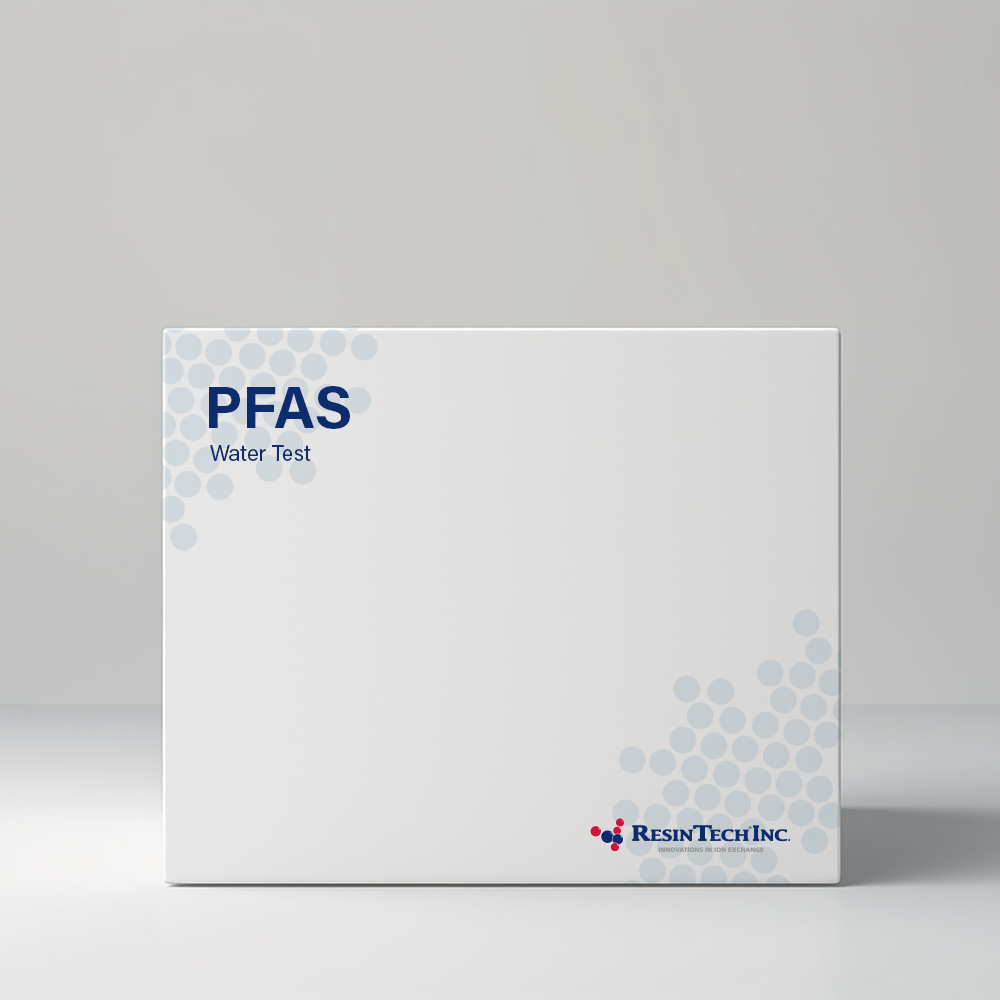
ResinTech offers a variety of PFOS & PFAS remediation options, including PFOS filtration and PFOS testing kits to help you identify and remove these chemicals from your needed water.
Want to learn more?
SIR-110-HP
Aplicaciones:
Reducción de yoduro, reducción de nitratos, reducción de perclorato, reducción de pertecnetato, reducción de PFAS
AGC-PFX
Aplicaciones:
Reducción de compuestos orgánicos, reducción de PFAS
SIR-110-MP-HP
Aplicaciones:
Reducción de yoduro, reducción de pertecnetato, reducción de PFAS, reducción de nitratos, reducción de pacolorato
Residential Scale Prevention
Hardness ions, comprised of calcium and magnesium, can cause scaling of heated surfaces and shorten the life of appliances such as hot water heaters, dishwashers, and washing machines. The presence of1 hardness in water leads to greater soap consumption in laundry and cleaning operations.
WACG-HP
Aplicaciones:
Reducción de amoniaco, desmineralización, reducción de hierro, ablandamiento - Industrial
CG8
Aplicaciones:
Reducción de amoniaco, desmineralización, reducción de hierro, ablandamiento - Industrial
AGC-40C
Aplicaciones:
Reducción de cloro, reducción de compuestos orgánicos
CGS
Aplicaciones:
Suavizante - Residencial
CGS-BL
Aplicaciones:
Suavizante - Residencial
CNS-F
Aplicaciones:
Reducción de hierro: residencial, ablandamiento: residencial
SBG2
Aplicaciones:
Reducción de sulfatos, desalcalinizadores, reducción de nitratos, desmineralización, oligocontaminantes (U, Cr, As, Se, F, ClO₂, ClO₃)
Residential Softening
Hardness ions, comprised of calcium and magnesium, can cause scaling of heated surfaces and shorten the life of appliances such as hot water heaters, dishwashers, and washing machines. The presence of1 hardness in water leads to greater soap consumption in laundry and cleaning operations.
Heavy Metal Reduction
Heavy metals are found in many industrial wastewater as well as sometimes occurring naturally in some groundwaters. Typically present in relatively low levels as compared to other dissolved ions, the ability to selectively remove these ions is accomplished with a specialty weak acid cation resin.
SEÑOR 300
Aplicaciones:
Reducción de materiales traza
CG8
Aplicaciones:
Reducción de amoniaco, desmineralización, reducción de hierro, ablandamiento - Industrial
CG10
Aplicaciones:
Desmineralización, ablandamiento: alto, temperatura, ablandamiento: industrial
SEÑOR 200
Aplicaciones:
Reducción de mercurio, metales preciosos
SIR-100-HP
Aplicaciones:
Reducción de nitratos, reducción de percloratos
ASM-10 HP
Aplicaciones:
Reducción de arsénico Reducción de sílice
Organics Reduction (TOCs)
Naturally occurring organic matter (NOM) is readily removed by strong base anion resins. Acrylic strong base resins and styrenic resins with high porosity work better because they are easier to regenerate.
SBACR-MP-HP
Aplicaciones:
Reducción orgánica - Municipal
SBACR-MP-HP
Aplicaciones:
Reducción orgánica - Municipal
Reducción de color - Municipal
SIR-22P-HP
Aplicaciones:
Reducción orgánica
SX-A40-A
Aplicaciones:
Azúcar de caña refinada, decoloración del jarabe
PFAS Remediation
PFAS compounds have been used in industry and consumer products worldwide since the 1940s. Their remarkable hydro- and oleophobic characteristics (ability to repel both oil and water) give them utility in a seemingly endless array of applications including nonstick cookware, water repellent clothing, stain resistant fabrics and carpets, product packaging, some cosmetics, some firefighting foams, and literally tens of thousands of other products that resist grease, water, and oil.
More than 500 forever chemicals are being actively used in products and industries around the world. A United States Environmental Protection Agency (EPA) toxicity database, DSSTox, lists over 14,700 PFAS compounds in existence, while other toxicity databases lists many multiples more.
ResinTech offers a variety of PFOS & PFAS remediation options, including PFOS filtration and PFOS testing kits to help you identify and remove these chemicals from your needed water.
Want to learn more?
SIR-110-HP
Aplicaciones:
Reducción de yoduro, reducción de nitratos, reducción de perclorato, reducción de pertecnetato, reducción de PFAS
AGC-PFX
Aplicaciones:
Reducción de compuestos orgánicos, reducción de PFAS
SIR-110-MP-HP
Aplicaciones:
Reducción de yoduro, reducción de pertecnetato, reducción de PFAS, reducción de nitratos, reducción de pacolorato
Precious Metals Recovery
Precious metals are used in some printed circuit board applications as well as in the manufacture of automotive catalytic converters.
SEÑOR 400
Aplicaciones:
Reducción de mercurio, recuperación de metales anteriores
SBG1
Aplicaciones:
Desmineralización Reducción de nitratos Reducción de sulfatos de oligocontaminantes (U, Cr, As, Se, F, ClO₂, ClO₃)
C
Volatile Organic Carbon (VOC)
VOCs are organic man-made compounds that are used as ingredients in paints, pesticides, coolants, dry-cleaning chemicals, fuels and petroleum products. They are emitted as gases from liquids and are known health hazards.
AGC-40X
Aplicaciones:
Reducción de cloro, reducción de compuestos orgánicos
AGC-40 XA
Aplicaciones:
Reducción de cloro, reducción de compuestos orgánicos
AGC-40C
Aplicaciones:
Reducción de cloro, reducción de compuestos orgánicos
AGC-40 CA
Aplicaciones:
Reducción de cloro, reducción de compuestos orgánicos
As
Arsenic Reduction
Arsenic is a chemical element with symbol As and atomic number 33. Arsenic occurs in many minerals, usually in combination with sulfur and metals, but also as a pure elemental crystal. Arsenic is a metalloid. It has various allotropes, but only the gray form is important to industry.
The primary use of metallic arsenic is in alloys of lead (for example, in car batteries and ammunition). Arsenic is a common n-type dopant in semiconductor electronic devices, and the optoelectronic compound gallium arsenide is the second most commonly used semiconductor after doped silicon. Arsenic and its compounds, especially the trioxide, are used in the production of pesticides, treated wood products, herbicides, and insecticides. These applications are declining, however A few species of bacteria are able to use arsenic compounds as respiratory metabolites. Trace quantities of arsenic are an essential dietary element in rats, hamsters, goats, chickens, and presumably many other species, including humans.Arsenic is notoriously poisonous to multicellular life. Arsenic trioxide compounds are widely used as pesticides, herbicides and insecticides. As a result, arsenic contamination of groundwater supplies is a problem that affects millions of people around the world.

Arsenate is a divalent anion with affinity for anion resins similar to but slightly lower than that of sulfate Arsenate can be exchanged by strong base anion exchange resins and then adsorbed into the iron hybrid adsorbent of ASM-10-HP.

Except for Gallium arsenide (used a semiconductor), other arsenide compounds are generally only of academic interest. Gallium arsenide is an important semiconductor because it has much lower electrical resistance than silicon and therefore lower power use and less heat generation.

In most cases arsenite should be oxidized to arsenate so that it is converted to a form more easily removed. Oxidation can be accomplished with chlorine or with oxygen catalyzed by various redox medias.
ASM-10 HP
Aplicaciones:
Reducción de arsénico Reducción de sílice
SBG1-HP
Aplicaciones:
Reducción de nitratos, agua potable, oligocontaminantes (U, Cr, As, Se, F, ClO₂, ClO₃)
SBG2-HP
Aplicaciones:
Reducción de cromato, trazas de contaminantes (U, Cr, As, Se, F, ClO₂, ClO₃), aplicaciones residenciales
Disinfection By-Product Removal (DBP)
Disinfection By-Product (DBP) are formed when chlorine reacts with organic compounds in water supplies. The removal of organic prior to chlorination can eliminate the DBP potential, otherwise the DBPs need to be removed by activated carbon.
AGC-40X
Aplicaciones:
Reducción de cloro, reducción de compuestos orgánicos
AGC-40 XA
Aplicaciones:
Reducción de cloro, reducción de compuestos orgánicos
AGC-40C
Aplicaciones:
Reducción de cloro, reducción de compuestos orgánicos
AGC-40 CA
Aplicaciones:
Reducción de cloro, reducción de compuestos orgánicos
Nitrate Reduction
Strong base anion resin have good affinity for nitrate. The higher amines (triethylamine, tributylamine, etc.) have increased affinity for nitrate and decreased affinity for divalent ions such as sulfate, making them preferred for many applications.
SIR-100-HP
Aplicaciones:
Reducción de nitratos, reducción de percloratos
SBG2-HP
Aplicaciones:
Reducción de cromato, trazas de contaminantes (U, Cr, As, Se, F, ClO₂, ClO₃), aplicaciones residenciales
SBG1-HP
Aplicaciones:
Reducción de nitratos, agua potable, oligocontaminantes (U, Cr, As, Se, F, ClO₂, ClO₃)
SBG1
Aplicaciones:
Desmineralización Reducción de nitratos Reducción de sulfatos de oligocontaminantes (U, Cr, As, Se, F, ClO₂, ClO₃)
SIR-110-HP
Aplicaciones:
Reducción de yoduro, reducción de nitratos, reducción de perclorato, reducción de pertecnetato, reducción de PFAS
Organics Reduction (TOCs)
Naturally occurring organic matter (NOM) is readily removed by strong base anion resins. Acrylic strong base resins and styrenic resins with high porosity work better because they are easier to regenerate.
SBACR-MP-HP
Aplicaciones:
Reducción orgánica - Municipal
SX-A40-A
Aplicaciones:
Azúcar de caña refinada, decoloración del jarabe
Perchlorate Reduction
Perchlorate is a relatively weak oxidant, used as an oxygen source in rocket fuel. Perchlorate is also a contaminant in ammonium nitrate fertilizer.
Although all strong base anion resin have high affinity for perchlorate, the higher amines (such as tributylamine) have exceptional affinity for perchlorate.
SIR-110-HP
Aplicaciones:
Reducción de yoduro, reducción de nitratos, reducción de perclorato, reducción de pertecnetato, reducción de PFAS
SIR-110-MP-HP
Aplicaciones:
Reducción de yoduro, reducción de pertecnetato, reducción de PFAS, reducción de nitratos, reducción de pacolorato
PFAS Remediation
PFAS compounds have been used in industry and consumer products worldwide since the 1940s. Their remarkable hydro- and oleophobic characteristics (ability to repel both oil and water) give them utility in a seemingly endless array of applications including nonstick cookware, water repellent clothing, stain resistant fabrics and carpets, product packaging, some cosmetics, some firefighting foams, and literally tens of thousands of other products that resist grease, water, and oil.
More than 500 forever chemicals are being actively used in products and industries around the world. A United States Environmental Protection Agency (EPA) toxicity database, DSSTox, lists over 14,700 PFAS compounds in existence, while other toxicity databases lists many multiples more.
ResinTech offers a variety of PFOS & PFAS remediation options, including PFOS filtration and PFOS testing kits to help you identify and remove these chemicals from your needed water.
Want to learn more?
SIR-110-HP
Aplicaciones:
Reducción de yoduro, reducción de nitratos, reducción de perclorato, reducción de pertecnetato, reducción de PFAS
AGC-PFX
Aplicaciones:
Reducción de compuestos orgánicos, reducción de PFAS
SIR-110-MP-HP
Aplicaciones:
Reducción de yoduro, reducción de pertecnetato, reducción de PFAS, reducción de nitratos, reducción de pacolorato
Ra
Radium Reduction
Radium is a chemical element with symbol Ra and atomic number 88. It is the sixth element in group 2 of the periodic table, also known as the alkaline earth metals. Pure radium is silvery-white, but it readily combines with nitrogen (rather than oxygen) on exposure to air, forming a black surface layer of radium nitride (Ra3N2). All isotopes of radium are highly radioactive, with the most stable isotope being radium-226, which has a half-life of 1600 years and decays into radon gas (specifically the isotope radon-222). When radium decays, ionizing radiation is a product, which can excite fluorescent chemicals and cause radioluminescence.
Radium is the daughter product of uranium decay and is heaviest alkaline earth metal. It was discovered in the form of radium chloride by Marie and Pierre Curie in 1898. They extracted the radium compound from uraninite and published the discovery at the French Academy of Sciences five days later. Radium was isolated in its metallic state by Marie Curie and André-Louis Debierne through the electrolysis of radium chloride in 1911.It has the property of luminescence and was once used to make watch dials glow in the dark as well as for various quack products
Radium forms a divalent cation in water and can be removed by water softening resins, along with other hardness ions. Except for the first exhaustion cycle, radium leakage occurs shortly after hardness leakage occurs, therefore the resin is used as an ordinary softener with brine regeneration at regular intervals.
The highly crosslinked macroporous cation resin have extended first cycle operation past hardness break and can be used in single use applications when hardness and TDS are not too high. RSM-50 has barium sulfate deposited in the pores of the resin. Radium is first exchanged and then transfer to the precipitant, allowing much higher loading and longer throughput.
CG8
Aplicaciones:
Reducción de amoniaco, desmineralización, reducción de hierro, ablandamiento - Industrial
CG10
Aplicaciones:
Desmineralización, ablandamiento: alto, temperatura, ablandamiento: industrial
RSM-25
Aplicaciones:
Fórmula de carga (radiación), reducción de radio
RSM-50 HP
Aplicaciones:
Reducción de radio
As
Arsenic Reduction
Arsenic is a chemical element with symbol As and atomic number 33. Arsenic occurs in many minerals, usually in combination with sulfur and metals, but also as a pure elemental crystal. Arsenic is a metalloid. It has various allotropes, but only the gray form is important to industry.
The primary use of metallic arsenic is in alloys of lead (for example, in car batteries and ammunition). Arsenic is a common n-type dopant in semiconductor electronic devices, and the optoelectronic compound gallium arsenide is the second most commonly used semiconductor after doped silicon. Arsenic and its compounds, especially the trioxide, are used in the production of pesticides, treated wood products, herbicides, and insecticides. These applications are declining, however A few species of bacteria are able to use arsenic compounds as respiratory metabolites. Trace quantities of arsenic are an essential dietary element in rats, hamsters, goats, chickens, and presumably many other species, including humans.Arsenic is notoriously poisonous to multicellular life. Arsenic trioxide compounds are widely used as pesticides, herbicides and insecticides. As a result, arsenic contamination of groundwater supplies is a problem that affects millions of people around the world.

Arsenate is a divalent anion with affinity for anion resins similar to but slightly lower than that of sulfate Arsenate can be exchanged by strong base anion exchange resins and then adsorbed into the iron hybrid adsorbent of ASM-10-HP.

Except for Gallium arsenide (used a semiconductor), other arsenide compounds are generally only of academic interest. Gallium arsenide is an important semiconductor because it has much lower electrical resistance than silicon and therefore lower power use and less heat generation.

In most cases arsenite should be oxidized to arsenate so that it is converted to a form more easily removed. Oxidation can be accomplished with chlorine or with oxygen catalyzed by various redox medias.
ASM-10 HP
Aplicaciones:
Reducción de arsénico Reducción de sílice
SBG1-HP
Aplicaciones:
Reducción de nitratos, agua potable, oligocontaminantes (U, Cr, As, Se, F, ClO₂, ClO₃)
SBG2-HP
Aplicaciones:
Reducción de cromato, trazas de contaminantes (U, Cr, As, Se, F, ClO₂, ClO₃), aplicaciones residenciales
Eliminación de subproductos de desinfección (DBP)

Los productos de desinfección (DBP) se forman cuando el cloro se activa con las composiciones orgánicas presentes en las fuentes de suministro de agua. La eliminación de sustancias orgánicas antes de la cloración puede eliminar el potencial de DBP, pero el DBP debe eliminarse mediante el carbón activo.

AGC-40 X
Applications:
-
AGC-40 XA
Applications:
-
AGC-40-MG
Applications:
Chlorine Reduction
Medical
Reducción de orgánicos
Farmacéutico
AGC-40 C
Applications:
-
AGC-40 CA
Applications:
-
As
Reducción del arsénico

El arsénico es un elemento químicos de símbolo As y de número atómico 33. El arsénico está presente en muchos minerales, generalmente en combinación con el soufre y los metales, pero también bajo la forma de cristal élémentaire pur. El arsénico es un metaloide. Il possède diversos alótropos, pero solo la forma gris es importante para la industria. El arsénico metálico se utiliza principalmente en los aliados de plomo (por ejemplo, en las baterías de automóviles y municiones). El arsénico es un dopante de tipo corriente en los dispositivos electrónicos con semiconductores, y la composición optoelectrónica de arséniure de galio es el segundo semiconductor que se utiliza más después de la dopada de silicio. El arsénico y sus compuestos, en particular el trióxido, se utilizan en la producción de pesticidas, productos de madera tratada, herbicidas e insecticidas. Estas aplicaciones están en decadencia, pero algunas especies de bacterias son capaces de utilizar compuestos de arsénico como metabolitos respiratorios. Las trazas de arsénico constituyen un elemento alimentario esencial en las ratas, los hámsteres, los perros, las aves y probablemente muchas otras especies, y también los humanos. El arsénico es notoriamente tóxico para la vida multicelular. Las composiciones de trióxido de arsénico se utilizan ampliamente como pesticidas, herbicidas e insecticidas. Por consiguiente, la contaminación por arsénico de las reservas de agua subterránea es un problema que afectan a millones de personas en el mundo.

El arseniato es un anión divalente sin afinidad por las resinas aniónicas es similar pero ligeramente inferior a la célula de sulfato. El arseniato puede intercambiarse mediante resinas intercambiadoras de aniones a base fuerte, después de adsorberse en el adsorbente híbrido de hierro del ASM-10-HP.

À la excepción del arséniure de galio (utilizado como semiconductor), los demás compuestos de arséniure no présentent généralement qu'un intérêt académique. El arséniure de galio es un semiconductor importante para su resistencia eléctrica que es bien inferior a la célula de silicio, lo que entraña un consumo de energía y una producción de calor menor.

Dans la plupart des cas, el arsénite debe oxidarse en arseniato afin del transformador en una forma más fácil de eliminar. La oxidación puede realizarse con cloro o oxígeno catalizado por diversos medios redox.

ASM-10-HP
Applications:
Reducción de arsénico
Reducción de sílice
SBG1-HP
Applications:
Desalcalinizante
Desmineralización / DI
SBG2-HP
Applications:
Desalcalinizante
Desmineralización / DI
Reducción del perclorato

El perclorato es un relativo oxidante deficiente, utilizado como fuente de oxígeno en el carburante de los fusibles. El perclorato también es un contaminante cuando se graba nitrato de amonio. Bien que todas las resinas aniónicas de base fuerte tienen una afinidad elevada para el perclorato, las aminas superiores (como la tributilamina) tienen una afinidad excepcional para el perclorato.

SIR-110-HP
Applications:
Purificación de agua potable
Aplicaciones de cartuchos
Eliminación de nitrato
SIR-110-MP-HP
Applications:
Purificación de agua potable
Aplicaciones de cartuchos
Ra
Reducción del radio

El radio es un elemento chimique del símbolo Ra y del número atómico 88. Es el seis elementos del grupo 2 del cuadro periódico, también connu bajo el nombre de metales alcalino-terreux. El radio puro es plata blanca, pero se combina fácilmente con el azote (plutôt qu'à l'oxygène) cuando está expuesto al aire, formando una superficie negra de nitruro de radio (Ra3N2). Todos los isótopos del radio son altamente radiactivos, el isótopo más estable es el radio-226, que tiene una media vida de 1600 años y está désintègre en radón (en particular, el isótopo radón-222). Cuando el radio se desintègre, el rayo ionisante es un producto que puede excitar productos químicos fluorescentes y provocar una radioluminiscencia.

El radio es el producto derivado de la desintegración del uranio y es el metal alcalino-terreux le plus lourd. Fue descubierto bajo forma de cloro de radio por Marie y Pierre Curie en 1898. No extrajo la composición de radio de uraninita y publicó el descubrimiento en la Academia Francesa de Ciencias de los Cinco Días Más Tardía. Le radio a été isolé à l'état métallique par Marie Curie et André-Louis Debierne par electrolyse du chlorure de radio en 1911. Il posede la propriété de luminiscencia et était autrefois utilisé pour faire briller les cadrans des montres dans le noir ainsi que pour divers produits charlatanes.

El radio forma un catión divalente en el agua y puede ser eliminado por las resinas adoucissantes, además de por otros iones de dureza. A excepción del primer ciclo de encendido, las fugas de radio se producen peu de temps después de la fuga de duración. Esto sirve para que la resina se utilice como lo habitual con la regeneración de la temperatura del agua a intervalos regulares.

La resina catiónica macroporosa de alta reticulación tiene un ciclo de funcionamiento prolongado después de la ruptura de duración y se puede utilizar en las aplicaciones. à use only lorsque la dureté et le TDS ne sont pas trop élevés. El RSM-50 contiene sulfato de bario depositado en los poros de la resina. El radio se intercambia después de transferirse al precipitado, lo que permite una carga mayor y un débito prolongado.

CG8
Applications:
Desmineralización / DI
CG10
Applications:
Aplicaciones de alta temperatura
Pulido de condensado
RSM-25
Applications:
-
RSM-50-HP
Applications:
Reducción de radio
Reducción de materiales orgánicos (COT)

La materia orgánica natural (MON) es fácil de eliminar mediante resinas aniónicas básicas fuertes. Las resinas acrílicas de base fuerte y las resinas estirénicas de porosidad elevada funcionan perfectamente como si fueran más fáciles de regenerar.

SBACR-MP-HP
Applications:
-
SK-A40-A
Applications:
Cane Sugar refined
Syrup Decoloration
SBACR-HP
Applications:
Desionización de intercambio portátil (PEDI)
Regeneración in situ
Reducción de nitratos

Las resinas aniónicas a base fuerte tienen buena afinidad con los nitratos. Las aminas superiores (triétilamina, tributilamina, etc.) se acumulan con afinidad por los nitratos y con afinidad reducida por los iones divalentes como el sulfato, lo que los convierte en los preferidos para muchas aplicaciones.

SIR-100-HP
Applications:
-
SBG2-HP
Applications:
Desalcalinizante
Desmineralización / DI
SBG1-HP
Applications:
Desalcalinizante
Desmineralización / DI
SBG1
Applications:
Desalcalinizante
Desmineralización / DI
SIR-110
Applications:
-
Remediación de PFAS

Les composés 8PFAS sont utilisés dans l'industrie et les produits de consommation du monde entier desdepuis les années 1940. Leurs caractéristiques hydrophobes et oléophobes remarquables (capacité à repousser à la fois l'huile et l'eau) leur confèrent une utilité dans un éventail apparemment infini d'applications, notamment les ustensiles de cooking antiadhésifs, les vêtements hydrofuges, les tissus et les tapis résistants aux taches, les emballages de produits, sures cosmétiques, sures mousses anti-incendie et littéralement des dizaines de millers d'autres produits résistants à la graisse, à l'eau et à l'huile.

Más de 500 productos químicos permanentes sont activement utilisés dans des produits et des industries du monde entier. Una base de datos de toxicidad de la Agencia de Protección del Medio Ambiente de Estados Unidos (EPA), DSStox, un repertorio más de 14.700 compuestos de PFAS existentes, así como otras bases de datos sobre la toxicidad en un amplio catálogo de otros.

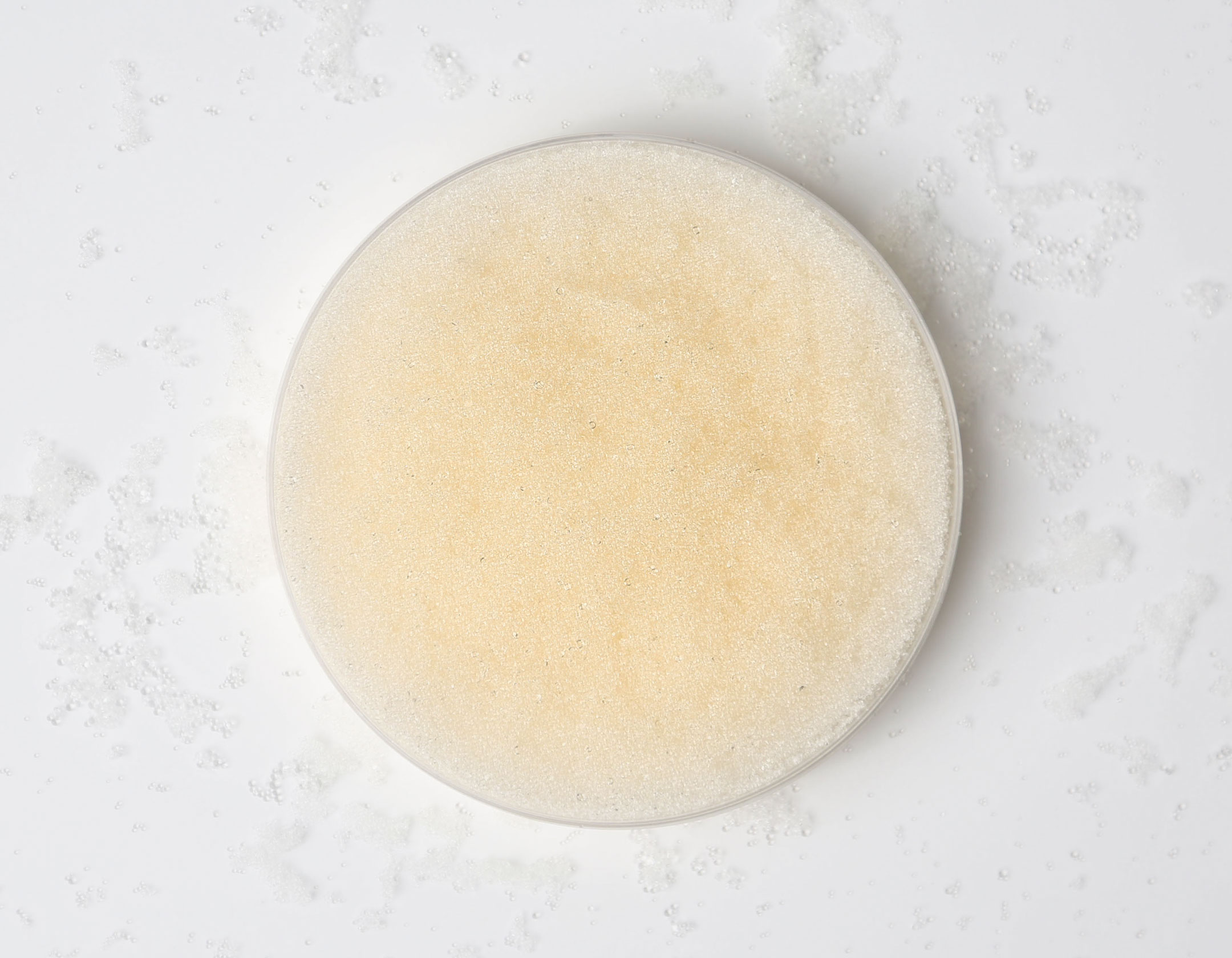
ResinTech propone una variedad de opciones para eliminar PFOS y PFAS, indique Filtración de SPFO y Kits de eliminación de SPFO para ayudarle a identificar y eliminar Estos productos químicos de agua no lo necesitan.



¿Quieres saber más ?
SIR-110-HP
Applications:
Purificación de agua potable
Aplicaciones de cartuchos
Eliminación de nitrato
AGC-PFx
Applications:
-
SIR-110-MP-HP
Applications:
Purificación de agua potable
Aplicaciones de cartuchos